How to Build Shelves for a Bengal Cat
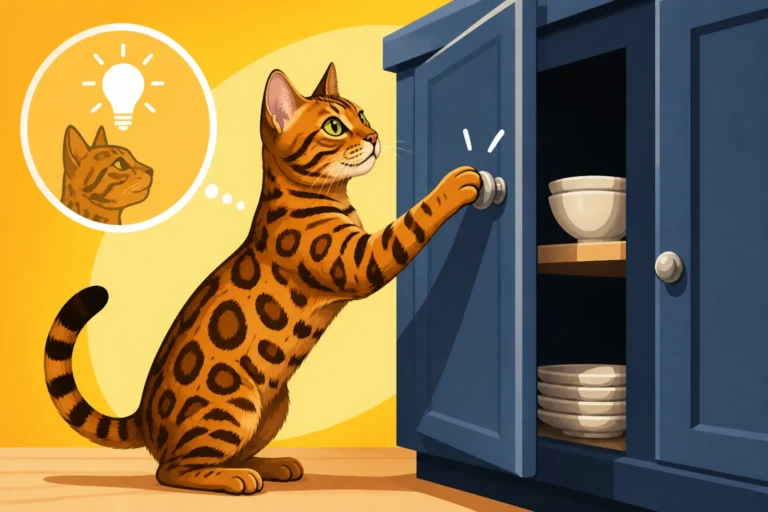
It's a truth universally acknowledged among Bengal cat parents: if it can be climbed, it will be climbed. These magnificent, energetic felines have an innate urge to scale heights, survey their domain from above, and explore every nook and cranny of your home. If you're not providing appropriate vertical enrichment, you're likely facing shredded curtains, precarious lamps, and a constant worry about your beloved Bengal’s safety (not to mention your valuables!). This guide will walk you through everything you need to know about building sturdy, engaging, and safe wall-mounted shelves to satisfy your Bengal cat's aerial ambitions and protect your sanity.
Why Your Bengal Cat Absolutely Needs Vertical Space
Let's be real, a Bengal isn't your average couch potato housecat. These felines are direct descendants of the Asian Leopard Cat, and with that wild heritage comes an undeniable instinct to climb, jump, and explore vertically. It’s not just a preference; it’s a deeply ingrained behavioral need. Ignoring it leads to all sorts of frustrations, for both you and your cat.
Understanding the Bengal's Natural Instinct to Climb
Think about their wild ancestors. They lived in trees, on rocky outcrops, and in dense foliage. Climbing offered safety from predators, a superior vantage point for hunting prey, and a place to rest undisturbed. Your domestic Bengal carries those same genetic blueprints. When you see your Bengal eyeing the top of your refrigerator or gracefully leaping onto the highest bookshelf, it's not just mischief – it's instinct. They crave that elevated perspective, that feeling of being "above it all." Providing dedicated vertical pathways and perches directly caters to this primal drive. It gives them a sense of security and control over their environment, which is crucial for their overall well-being. Without it, they're literally missing a dimension in their world.
The Dangers of Inadequate Vertical Enrichment
When a Bengal doesn't have appropriate vertical outlets, they will find their own. This often means climbing furniture that isn't designed for it, like bookshelves that can tip, curtain rods that snap, or delicate decor that gets knocked over. This isn't just annoying; it can be downright dangerous. A falling bookshelf could injure your cat or a family member. Breakable items falling could cause cuts or other harm. Moreover, a bored Bengal cat with pent-up energy, especially if they can't climb, can become destructive. They might resort to excessive scratching on inappropriate surfaces, What a Bored Bengal Cat Destroys, or even aggressive play if they're not getting enough physical and mental stimulation. It's a lose-lose situation that's easily avoided with thoughtful planning.
How Vertical Space Helps Manage Energy and Boredom
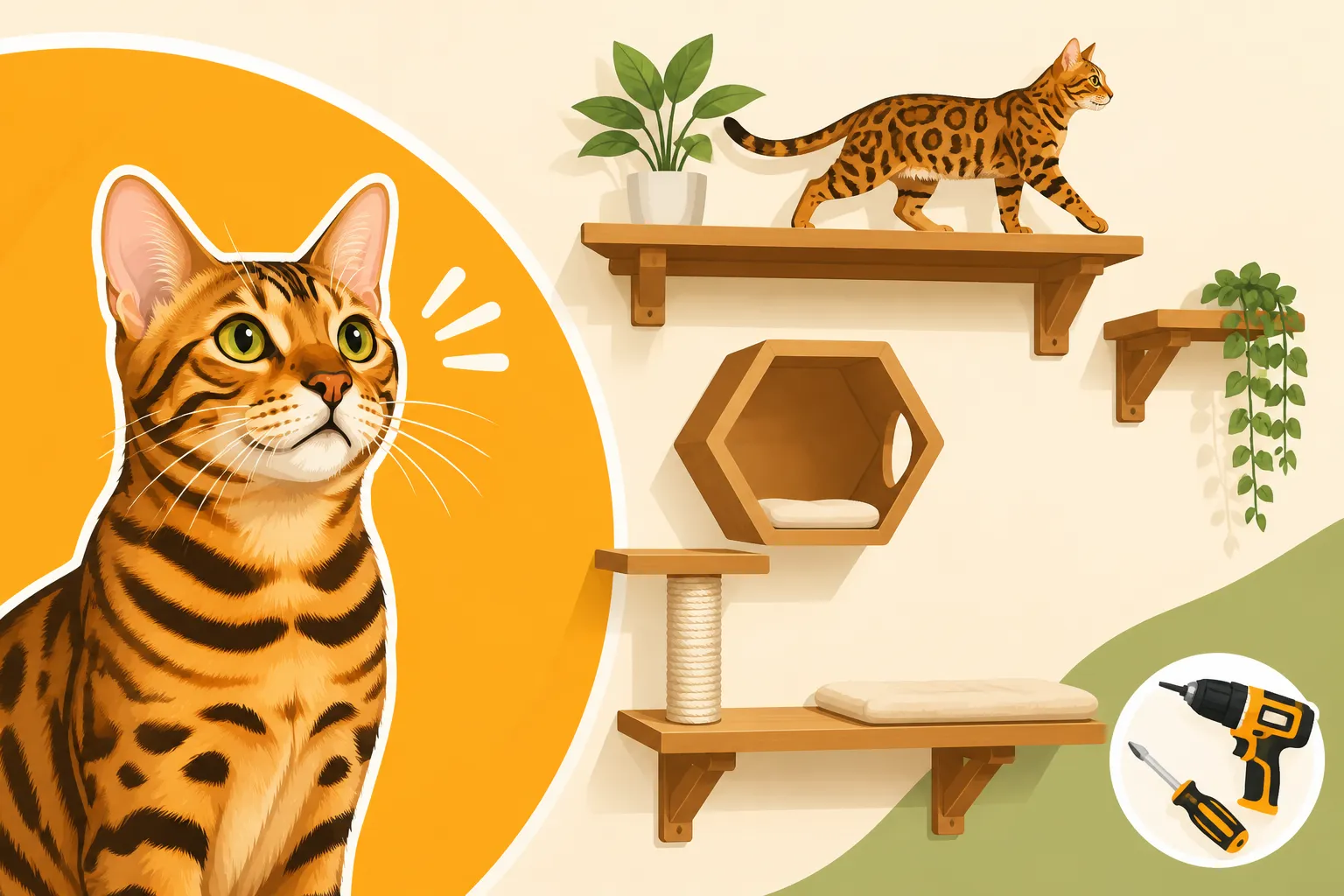
Bengal cats are incredibly intelligent and active creatures. They need constant stimulation to thrive. Vertical space isn't just about climbing; it's about providing a dynamic environment that encourages exercise and mental engagement. Imagine a series of shelves as a custom-built parkour course for your feline friend. They can sprint across them, leap from one level to the next, and even find cozy spots for naps. This kind of physical exertion is vital for burning off their seemingly endless energy. Furthermore, the changing perspectives and hidden nooks that vertical shelving can offer are mentally stimulating. They can observe the household from different heights, which is far more engaging than being stuck on the floor. It genuinely enhances their quality of life and helps to curb unwanted behaviors stemming from boredom or excess energy. How Much Enrichment a Bengal Cat Actually Needs will give you an idea of just how much these cats require to stay happy.
Planning Your Bengal Cat Shelving Project
Before you grab a drill and start making holes, it's essential to plan your cat shelving system carefully. Rushing into it can lead to wasted materials, an unstable structure, or a setup your Bengal simply won't use. Think of yourself as an architect for your furry client!
Assessing Your Home and Identifying Prime Climbing Spots
Walk through your home with your Bengal cat's perspective in mind. Where do they naturally try to climb? Are there areas they seem particularly drawn to, like near windows, high doorways, or in quiet corners? These are often the best starting points for a cat shelving system. Look for sturdy walls, preferably those with accessible studs, as these will be crucial for secure mounting. Consider the flow of your home – you don't want shelves that obstruct human pathways or make your living space feel cluttered. Sometimes, a single wall dedicated to a cat highway is perfect, or perhaps a series of smaller shelf installations connecting different pieces of furniture. Don't forget to think about areas that are currently "off-limits" but could be made safe and accessible with a well-placed shelf, like the top of a tall cabinet.
Mapping Out the Route: Jumps, Platforms, and Hideaways
Now for the fun part: designing the actual route! Bengal cats love a challenge, but also appreciate security.
Think about:
- Entry and Exit Points: How will your Bengal get onto the lowest shelf? Can they jump from a nearby chair or another piece of cat furniture? Similarly, how will they get down safely?
- Jumping Distances: While Bengals are incredible jumpers, How High a Bengal Cat Can Jump, you want to create a flow that's challenging but not impossible or dangerous. Too big a gap between shelves, and they might miss. Too small, and it's not engaging. Aim for varied distances, considering both horizontal and vertical leaps.
- Platform Sizes: Bengals need enough space to comfortably sit, turn around, and even stretch out. Small, narrow shelves might work as stepping stones, but you'll want larger platforms for lounging.
- Hideaways and Cozy Spots: Incorporate enclosed boxes, hammocks, or snug beds into your design. Even the most adventurous Bengal appreciates a safe, elevated spot to nap or observe unnoticed. This adds an extra layer of enrichment and security.
Sketch out your ideas on paper first, or even use painter's tape on the wall to visualize the layout before drilling any holes.
Considering Your Cat's Specific Abilities and Preferences
While Bengal cats share many common traits, each individual has its own personality and physical capabilities. A younger, more agile Bengal might love a complex, high-flying route, while an older or less confident cat might prefer lower, wider platforms with gentler ascents. If you have multiple Bengals, consider if they tend to share spaces or prefer their own territories. You might need wider shelves or parallel routes to avoid conflicts. Pay attention to how your cat currently navigates your home – do they prefer horizontal paths or dramatic vertical leaps? Do they enjoy enclosed spaces or prefer open perches? Observing their existing habits will help you tailor the shelving system to their unique needs and maximize its use.
Choosing the Right Materials and Design for Durability
A Bengal cat is a force of nature. They are muscular, fast, and powerful. This isn't the time to skimp on materials or cut corners on design. When it comes to cat shelves, durability and stability are paramount.
Sturdy Wood vs. Other Materials
For the ultimate in durability and aesthetic appeal, wood is almost always the best choice. Thick plywood, solid pine, or even reclaimed hardwood planks offer excellent stability and can withstand the repeated impact of a Bengal launching themselves on and off. Avoid particle board or thin MDF, as these can easily splinter or break under a Bengal’s weight and activity. For sheer strength, a good quality, furniture-grade plywood or solid wood is non-negotiable.
Here's a quick comparison of common shelf materials:
| Material Type | Pros | Cons | Best For |
|---|---|---|---|
| Solid Wood | Extremely durable, strong, natural look, customizable | Heavier, can be more expensive, requires cutting/finishing | Main platforms, high-traffic areas, long-term use |
| Plywood (Thick) | Strong, stable, good value, customizable, accepts finishes well | Less aesthetic than solid wood if edges aren't finished | Large platforms, ramps, hidden box components |
| Metal (Brackets) | Very strong, sleek, modern look, minimal visual bulk | Can be noisy if not secured, hot/cold to the touch, slippery surfaces | Support brackets for wood shelves |
| Plastic/Resin | Lightweight, easy to clean, often pre-formed, weather-resistant | Less durable, can flex under weight, less aesthetic, not always grippy | Outdoor catios, very light-duty use, cat bowls |
| Laminated MDF | Smooth finish, often inexpensive, comes in various colors | Prone to damage from moisture, can chip, not as strong or durable | Generally not recommended for Bengals |
While some cat-specific shelf kits available on Amazon might use durable plastics or engineered wood, always check reviews for their reported weight capacity and long-term stability with active cats.
Surface Considerations: Grip and Comfort
A smooth, slick shelf surface is an accident waiting to happen for an agile Bengal. Their powerful jumps and rapid movements require good traction. Consider these options:
- Carpet or Sisal Covering: This is a popular choice for good reason. Carpet remnants or sisal rope glued securely to the top of your wooden shelves provide excellent grip for claws, protect the wood underneath, and offer a cozy texture. You can find pre-cut carpet squares or rolls on Amazon.
- Non-Slip Mats: If you prefer a cleaner look or easier cleaning, removable non-slip mats can be placed on top of painted or stained wood shelves. Look for heavy-duty rubber or silicone options that won't slide around when your cat leaps onto them.
- Natural Wood Texture: If you're leaving the wood unfinished or only lightly sealed, a slightly rougher wood grain can offer some natural grip. However, this is often not enough for a truly active Bengal, especially during high-speed antics.
Don't forget comfort! Adding a soft, washable pad or a small cat bed to a few key lounging platforms will make them even more appealing.
Aesthetics and Integration with Your Home Decor
Just because it's for your cat doesn't mean it has to be an eyesore! Cat shelves can seamlessly integrate with your home decor.
- Match Finishes: Stain or paint your wooden shelves to match existing furniture or wall colors. This creates a cohesive look.
- Minimalist Design: Clean lines and simple shapes can make the shelves blend in rather than stand out.
- Creative Layouts: Instead of just straight lines, think about staggered shelves, corner platforms, or even shelves that incorporate artwork or plants (out of cat reach, of course!). You can make it a design feature rather than just functional cat furniture.
- Consider "Catio" Elements: If you're building shelves in a room with a window, consider extending some shelves towards it or even creating a window perch. For those truly dedicated, a catio (an enclosed outdoor space) can also incorporate similar vertical structures, providing an adventurous outdoor experience. What a Catio for a Bengal Cat Costs might be a good read if you're thinking bigger picture.
Remember, the goal is to create a functional, safe, and attractive space that both you and your Bengal cat will love.
Installation and Safety Considerations: Making It Secure
Building cat shelves for a Bengal cat isn't just about selecting pretty wood and a nice layout. It's fundamentally about engineering a robust, safe structure that can withstand the intense energy and weight of an athletic cat. Skimping on safety here can lead to serious accidents.
Securing Shelves to Studs: Crucial for Safety
This is arguably the single most important aspect of installing cat shelves for a Bengal. Drywall alone simply cannot support the dynamic weight of a Bengal launching itself off a shelf or landing hard. You must secure your shelves directly into wall studs.
- Find Your Studs: Use a reliable stud finder. Mark the edges of the studs with a pencil. Studs are typically spaced 16 or 24 inches apart on center.
- Heavy-Duty Brackets: Use high-quality, heavy-duty L-brackets or similar shelf supports. The longer the bracket, the more leverage it provides, reducing wobbling. Ensure the brackets are rated for a weight far exceeding your Bengal's weight, accounting for dynamic forces. Remember, a 15-pound Bengal landing from a jump exerts significantly more force than just 15 pounds of static weight. You can find a wide variety of these brackets on Amazon.
- Long Screws: Use screws long enough to penetrate through the drywall and deeply into the center of the wood stud. Often, 2.5 to 3-inch screws are appropriate. Predrilling pilot holes in both the shelf and the stud can prevent wood splitting and make installation easier.
- Multiple Anchor Points: For wider shelves, use at least two brackets, ensuring each is anchored into a separate stud if possible. If a shelf spans more than one stud, even better. The more secure points, the more stable the entire structure will be.
Never rely solely on drywall anchors, no matter how heavy-duty they claim to be. While they might hold a static picture frame, they are not designed for the repeated, high-impact stress a Bengal cat will put on them.
Weight Limits and Dynamic Loads
When selecting materials and hardware, always over-estimate the required weight capacity. Your Bengal might weigh 10-15 pounds, but a full-speed leap or a playful tumble adds a significant "dynamic load" to that static weight. A general rule of thumb is to aim for a static weight capacity of at least 2-3 times your cat's actual weight for each shelf, and ensure your brackets and fasteners are similarly robust. If you have multiple Bengals, or if there's a chance they might share a shelf, factor in their combined weight plus that safety margin.
Think about the structure as a whole:
- Connections: Ensure all connections – where brackets meet shelves, and where brackets meet the wall – are rock solid. Any wobbling or creaking indicates a potential failure point.
- Balance: Distribute the weight of the shelves and the anticipated movement of your cat evenly. Avoid putting all heavy, large platforms on one side of a wall if it means only using a single stud.
- Ramps and Ladders: If you incorporate ramps or ladders, ensure they are also securely fastened and don't wiggle. A loose ramp can cause a nasty fall.
Don't forget What a Bengal Cat Weighs when doing your calculations for maximum safety.
Maintenance and Inspection
Once your Bengal cat's new vertical playground is installed, your job isn't quite done. Regular maintenance and inspection are key to ensuring its long-term safety.
- Routine Checks: At least once a month, visually inspect all shelves and brackets. Look for any signs of loosening screws, cracked wood, frayed carpet, or wobbly platforms. Gently tug on each shelf to test its stability.
- Tighten Fasteners: Over time, screws can slightly loosen due to constant use and vibrations. Keep a screwdriver or drill handy to periodically tighten all fasteners.
- Repair/Replace Worn Surfaces: If carpet or sisal coverings become excessively worn or detached, replace them promptly to maintain good grip. You can often find replacement carpet squares or sisal rope at hardware stores or online.
- Cleanliness: Keep the shelves clean. Dust, cat hair, and dander can accumulate, especially in cozy napping spots. A quick vacuum or wipe-down will keep the area hygienic and inviting for your Bengal.
A well-built, regularly inspected, and properly maintained cat shelving system will provide years of enjoyment and essential enrichment for your energetic Bengal cat, keeping them safe, stimulated, and happy in their elevated domain. It's an investment in their well-being and a testament to your dedication as a Bengal parent! Whether a Bengal Cat Is Worth the Money isn't even a question when you see them happily scaling their custom-built mountain.
Disclaimer
This article is for general informational purposes only and does not constitute professional advice. Laws, prices and regulations vary by location and change over time. Consult a qualified professional for guidance on your specific situation.