Why a Bengal Cat Wakes You Every Morning
Oh, the dreaded pre-dawn wake-up call from your beloved Bengal cat! If you're currently bleary-eyed, wondering why your energetic companion seems to believe 4 AM is prime time for breakfast, playtime, or simply demanding your undivided attention, you are definitely not alone. This guide is here to shed some light on the persistent, often loud, reasons behind your Bengal's early morning antics and, more importantly, to arm you with practical strategies to help reclaim your peaceful sleep.
The Bengal Cat's Internal Clock and Wild Instincts
Bengal cats are, by their very nature, a breed apart. Their wild ancestry, stemming from the Asian Leopard Cat, imbues them with a set of instincts that often diverge from your average domestic tabby. This wild heritage plays a significant role in their activity patterns, including when they prefer to be wide awake and active.
Why Bengals Are Early Risers
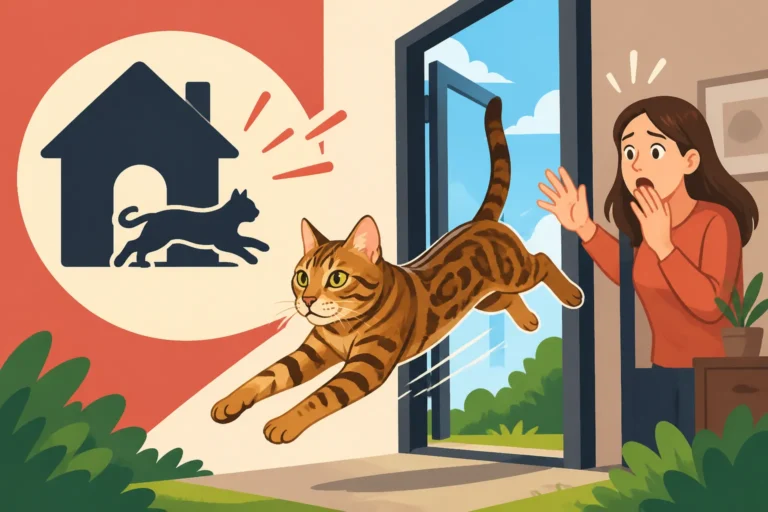
Unlike some of our lazier feline friends who might snooze until noon, Bengal cats often retain a strong crepuscular drive. This means they are naturally most active during dawn and dusk. Think about it from a wild animal's perspective: these are the prime hunting times when prey animals are most active and visible. While your Bengal isn't stalking deer in your living room, that primal urge to hunt, play, and explore is hardwired into their DNA. It's not a personal affront; it's just how they're built! They see the first hint of light, or even just feel that shift in the ambient energy, and their internal alarm clock goes off, loud and clear. This can be a frustrating reality for owners who enjoy sleeping past sunrise.
The Link to Their Asian Leopard Cat Ancestry
The Asian Leopard Cat (ALC), the foundational ancestor of the Bengal, is a skilled nocturnal and crepuscular hunter. This isn't just a quaint fun fact; it's central to understanding your Bengal's drive. While generations of selective breeding have certainly "domesticated" the Bengal, they haven't entirely erased these deep-seated behaviors. The high energy, intelligence, and intense curiosity you love about your Bengal during the day are the very same traits that can turn them into insistent alarm clocks when the first rays of light hit the window. They don't just want to be awake; they want you to be awake and engaged with their world. The Bengal Cat Is the Most Active Cat You Can Own delves deeper into just how active they really are.
Beyond Hunger: Common Reasons for Early Morning Wakes
While an empty food bowl is certainly a prime suspect, many Bengal owners find their cats are up and active long before any rumbling stomachs are truly in play. Their high intelligence and need for stimulation mean they often wake us for reasons that go far beyond basic needs.
The Demand for Attention and Play
Bengal cats thrive on interaction. They're not content to simply observe; they want to be part of everything you do. If your Bengal is waking you up, especially with chirps, meows, or even gentle (or not-so-gentle) pats, they're likely seeking your attention. This could manifest as wanting to play, wanting cuddles, or just wanting you to acknowledge their existence. A bored Bengal is often a destructive or demanding Bengal, and the early morning hours can feel like a vast, empty expanse to them if you're still asleep. They've had their first burst of crepuscular energy and now they need an outlet, and you, their favorite human, are the most engaging option available.
Boredom and Lack of Stimulation
A Bengal cat needs a significant amount of mental and physical exercise throughout the day. If they aren't getting enough stimulation during their waking hours, they'll often have an excess of energy that spills over into the early morning. Imagine a highly intelligent, active toddler who hasn't been allowed to run or play all day – they'd be bouncing off the walls at bedtime, wouldn't they? Your Bengal is similar. If their days are monotonous, the quiet solitude of the pre-dawn hours becomes an irresistible invitation to create their own fun, which usually involves waking you up. This is why things like How Many Hours a Day a Bengal Cat Plays are so crucial to understand. Without adequate daily engagement, those early morning wake-up calls become almost inevitable.
Routine Expectations and Conditioning
Cats are creatures of habit, and Bengals are no exception. They learn quickly what behaviors elicit a response from you. If, in the past, you've accidentally rewarded their early morning vocalizations or pawing with attention, food, or even a stern "no!" (which is still attention!), you've effectively trained them to continue. They've learned that "wake human up" equals "get what I want." This can be a tough habit to break, especially if your Bengal is particularly persistent. Their memory is sharp, and they'll try every trick in their book, from a soft nudge to a full-on theatrical yowling performance, to get you to comply with their perceived schedule. The Bengal Cat Voice Is a Demand, Not a Greeting highlights just how insistent they can be.
Potty Breaks and Litter Box Issues
While less common as the primary reason for a persistent morning wake-up call, sometimes a Bengal cat is genuinely trying to tell you something about their litter box. Perhaps it needs cleaning, or they have a urinary tract issue that's causing discomfort and a frequent urge to go. Bengals are fastidious creatures, and a dirty box can be a huge deterrent. If you notice a sudden change in their morning behavior, accompanied by more frequent trips to the box or vocalizations around it, it's worth investigating. This is especially true if you only have one litter box for multiple cats, or if the box is too small for their energetic digging habits. Why a Bengal Cat Digs to the Bottom of the Box is a great read on this specific behavior.
Strategies to Reclaim Your Mornings
Alright, enough about why they do it – let's talk about how to get them to stop! The key here is consistency, patience, and a bit of clever planning. You're essentially retraining your feline alarm clock.
Adjusting Feeding Schedules
One of the most effective ways to push back those morning wake-up calls is to alter your feeding routine. Instead of feeding them immediately when they wake you up, try a few things:
- Timed Feeder: Invest in an automatic feeder that dispenses a portion of their breakfast around your desired wake-up time, or even an hour after they typically start bothering you. This disconnects you from the food delivery. They learn the machine provides breakfast, not you. Look for reliable options on Amazon that can handle their enthusiasm.
- Later Dinner: A slightly later, substantial dinner can help them feel full for longer overnight.
- Split Meals: Instead of two large meals, try three smaller ones, with the last one closer to your bedtime. This keeps their hunger pangs at bay for longer.
It’s crucial that if you use a timed feeder, you don't then get up and hand-feed them if they continue to pester you. The machine needs to be the sole source of that early morning meal for this strategy to work.
Maximizing Evening Play and Enrichment
A tired Bengal is a quiet Bengal, or at least a less demanding one. The goal is to expend their energy before bedtime.
- Intense Play Sessions: Dedicate 15-20 minutes, twice in the evening, to vigorous play. Use wand toys that mimic prey. Get them jumping, running, and truly panting. How Much Exercise a Bengal Cat Needs a Day can give you a baseline.
- Puzzle Feeders: Before you go to bed, hide small portions of their dinner or treats in various puzzle feeders around the house. This engages their hunting instincts and mental acuity, tiring them out. There are many interactive puzzle toys and feeders on Amazon designed to challenge even the smartest Bengals. Which Puzzle Feeder Beats a Bengal Cat offers some excellent suggestions.
- Vertical Space: Ensure your Bengal has ample vertical space to climb and explore. Cat trees, shelves, and catios provide exercise and mental stimulation. The more they can explore and "patrol" their territory, the less restless they might be.
The aim is to send them to bed genuinely tired, both physically and mentally. This will help them sleep deeper and longer, mirroring your own desire for rest.
Ignoring Unwanted Behavior
This is often the hardest part, but it's arguably the most critical for breaking the cycle of early morning wake-ups.
- Absolute Consistency: If your Bengal tries to wake you up, you must absolutely, positively, consistently ignore them. No talking, no eye contact, no pushing them away, no throwing a pillow at them. Pretend you are deeply, deeply asleep. Even a negative reaction is still attention in their eyes.
- Physical Barriers: If they're particularly persistent, consider temporarily closing your bedroom door or using baby gates to prevent them from reaching your bed. Make sure they have access to their litter box, water, and evening puzzle feeders if you do this.
- Gradual Shift: If you need to shift their wake-up time by a significant amount (e.g., from 4 AM to 7 AM), do it gradually. Try setting your alarm for 15 minutes later each day and only engage with your cat once that alarm goes off.
This "extinction burst" period will be tough. Your Bengal will likely escalate their efforts before they give up. They'll think, "My usual tactics aren't working, maybe I need to try harder!" Stay strong; it will pass.
Here's a quick reference table for common reasons and solutions:
| Problem | Bengal Cat Behavior | Recommended Solution | Amazon Product Ideas |
|---|---|---|---|
| Hunger | Persistent meowing, pawing, leading to food bowl. | Timed automatic feeder; later, larger dinner. | Automatic pet feeder with timer and portion control. |
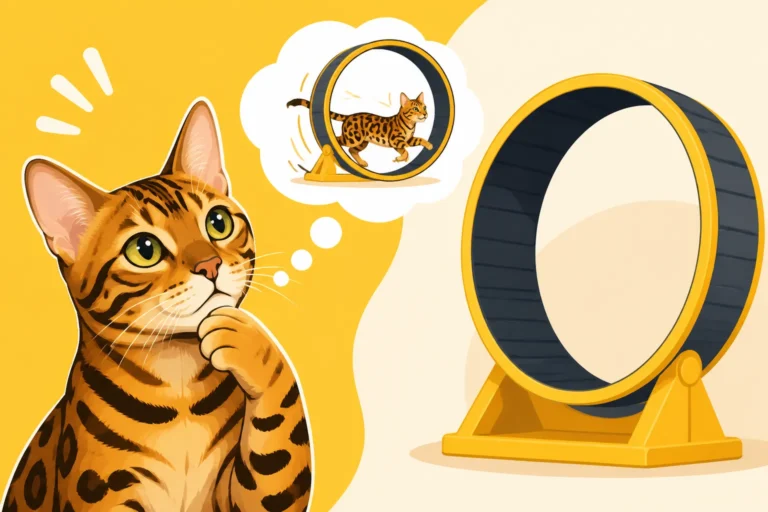
| Boredom/Excess Energy | Zoomies, attacking feet, knocking things over, loud vocalizations. | Increase evening play, puzzle feeders, cat wheel. | Interactive wand toys, treat-dispensing toys, cat wheels. |
| Attention Seeking | Sitting on your chest, staring, purring loudly, gentle nibbles. | Ignore completely until your desired wake-up time; reward quiet behavior later. | |
| Litter Box Issues | Repeated trips to litter box, digging extensively, vocalizing around box. | Scoop litter before bed; ensure adequate, large litter boxes. | High-sided litter boxes, odor-control litter. |
| Routine Expectation | Always waking at the same time, regardless of hunger. | Consistent ignoring, timed feeder, gradually shift wake-up time. |
Establishing a Clear Bedtime Routine for Them
Just as you have a routine before bed, establishing one for your Bengal can signal that it's time to wind down.
- Final Play Session: End the day with a vigorous play session about an hour before you plan to sleep. This drains their last bit of energy. How to Tire a Bengal Cat Before Bed has more tips.
- Bedtime Snack: A small, easily digestible snack right before you turn out the lights can help them feel content and settle down.
- Consistency: Try to go to bed and wake up at roughly the same time yourself, even on weekends. Cats pick up on your rhythms. If your schedule is erratic, their internal clock will struggle to adapt.
Remember, patience is absolutely paramount here. Bengals are incredibly intelligent and persistent. It might take days, weeks, or even a couple of months to fully shift their internal alarm clock, but with consistent effort, you can enjoy more uninterrupted sleep.
When to Consult a Vet
While most early morning wake-up calls are behavioral, stemming from those strong Bengal instincts and learned habits, it's always wise to rule out any underlying health issues, especially if the behavior is new or sudden.
Sudden Changes in Behavior
If your Bengal has always been a decent sleeper and suddenly starts waking you up at all hours, or if their vocalizations become unusually distressed or frequent, a vet visit is in order. A sudden increase in thirst, urination, or changes in appetite could point to medical problems that need attention. Pain or discomfort from conditions like dental disease, arthritis (especially in older Bengals), or even hyperthyroidism can lead to restlessness and early waking. What Changes in a Bengal Cat After Ten talks about some common issues in senior Bengals.
Accompanying Symptoms to Watch For
Beyond the insistent wake-up calls, keep an eye out for other symptoms:
- Increased Urination/Defecation: This could signal urinary tract infections, kidney issues, or even diabetes.
- Changes in Appetite or Thirst: Eating significantly more or less, or drinking excessive amounts of water.
- Weight Loss or Gain: Unexplained fluctuations can be a red flag.
- Lethargy or Hiding: While Bengals are active, extreme lethargy or unusual hiding could indicate illness.
- Excessive Grooming: Sometimes stress or pain can manifest as over-grooming.
- Vomiting or Diarrhea: Obvious signs that something is amiss internally. Bengal cats can be particularly prone to sensitive stomachs, so any digestive upset should be monitored. Chronic Diarrhea Is the Bengal Cat Complaint Nobody Warns About is a vital resource if this is a recurring issue for your cat.
A quick check-up can provide peace of mind and address any potential health concerns before they become more serious. Your vet might suggest bloodwork, a urinalysis, or other diagnostic tests to get a full picture of your Bengal's health.
Ultimately, living with a Bengal cat is an adventure, and sometimes that adventure starts earlier than you'd like. But with a deeper understanding of their nature and a consistent approach to managing their energy and expectations, you can certainly train your wild-hearted companion to respect your beauty sleep.
Disclaimer
This article is for general informational purposes only and does not constitute professional advice. Laws, prices and regulations vary by location and change over time. Consult a qualified professional for guidance on your specific situation.