How Much Exercise a Bengal Cat Needs a Day
If you've welcomed a Bengal cat into your home, you've quickly realized that these aren't your average couch-potato felines. Many new Bengal owners find themselves utterly exhausted, wondering how on earth to keep up with their cat's relentless energy and boundless curiosity without their house turning into an obstacle course. This guide is here to unravel the mystery of how much exercise a Bengal cat really needs each day, offering practical strategies to keep your spotted companion happy, healthy, and less prone to redecorating your home with their claws and teeth.
Understanding Your Bengal's Boundless Energy
It's not just a cute quirk; the Bengal cat's incredible energy levels are hardwired into their very being. They are a breed born from a hybrid cross, with the wild Asian Leopard Cat as a foundational ancestor, and that wild spirit manifests in a need for significant physical and mental activity. Expecting a Bengal to be content with a few idle toys and a sunbeam is a recipe for frustration – for both of you.
The Wild Heartbeat Within
Think about the life of a wild cat. They spend their days hunting, stalking, exploring, climbing, and defending territory. While your Bengal isn't fending for itself in the jungle, that primal drive for movement, chase, and problem-solving remains. This isn't just about running around; it's about engaging their entire predatory sequence: searching, stalking, pouncing, catching, and "killing" their prey (in this case, a toy). If these instincts aren't given a healthy outlet, they will find their own, often to the detriment of your furniture or peace of mind. Many new owners are completely blindsided by this, having only ever owned more sedate domestic breeds. It's truly a different ballgame.
More Than Just "Zoomies"
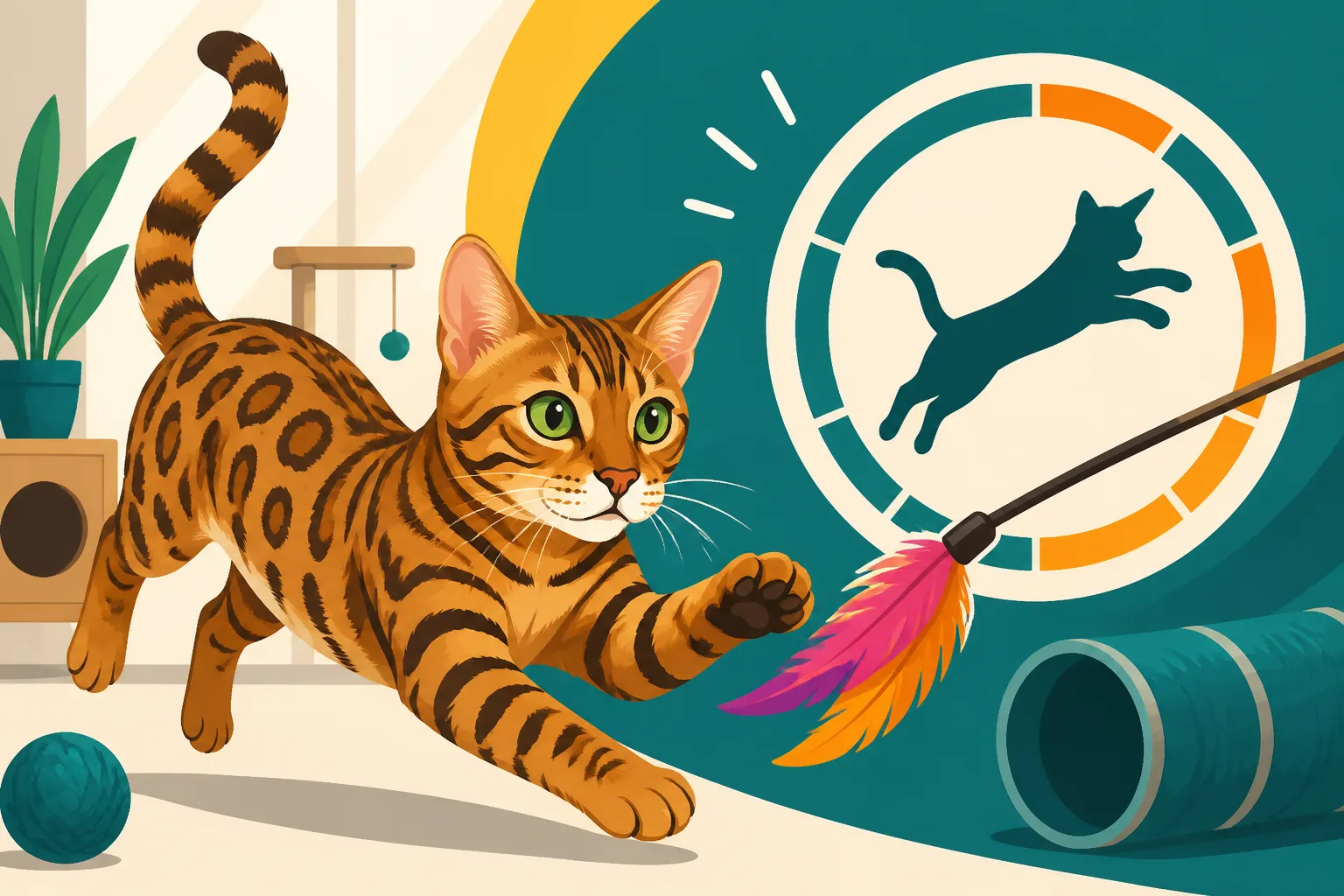
While all cats get the occasional burst of "zoomies," for a Bengal, this is their baseline. Their muscular, athletic build is designed for explosive power and agility. They aren't just running; they're leaping, climbing to the highest points, and navigating complex spaces with remarkable grace. This isn't just random energy; it's a deep-seated need to move and interact with their environment in a highly physical way. If you've ever watched a Bengal effortlessly scale a bookshelf or balance on a narrow ledge, you understand that they require an environment that challenges their physical prowess. It's often said that The Bengal Cat Is the Most Active Cat You Can Own, and that's not an exaggeration.
How Much Exercise Is Enough for a Bengal?
So, how do you quantify "boundless energy" into a daily exercise regimen? It's less about a strict hour count and more about incorporating specific types of engagement consistently throughout the day. We're talking about a commitment, not just a casual toss of a toy.
The Daily Minimum: Active Play Sessions
For most adult Bengal cats, you're looking at at least 60 to 90 minutes of dedicated, interactive play spread across multiple sessions throughout the day. This isn't background noise while you scroll on your phone; it needs to be with you, mimicking hunting.
Here’s a breakdown of what that often looks like:
- Morning Burst (15-20 minutes): Before you head off to work or start your day, a vigorous play session can help burn off some of that overnight energy. Think wand toys that fly, dart, and hide, simulating a bird or mouse. This helps them "hunt" and tire out slightly before a quieter period.
- Mid-day (if possible, or self-directed): If you're home, another 15-20 minutes. If not, this is where enrichment comes in (more on that below).
- Evening Prime Time (30-45 minutes total): This is usually when Bengals are most active and social. Break this into two or three sessions. One before dinner, another after, and perhaps a final, winding-down session before bed to help promote restful sleep (for both of you!).
It's easy to feel like you're constantly chasing after them, but remember, these structured sessions are key. Without them, your Bengal will likely create their own entertainment, which might involve scaling your curtains or systematically knocking items off shelves. When it comes to how many play sessions a Bengal cat needs, consistency is more important than sheer number, as long as the total duration is met.
Beyond Physical: Mental Stimulation Matters
Physical exercise is crucial, but a Bengal's intelligence demands just as much attention. A bored Bengal can be just as destructive as an under-exercised one, if not more so. They are clever, problem-solving cats, and their minds need to be challenged daily.
- Puzzle Feeders: These are fantastic for making mealtime an engaging activity rather than a simple gobble-and-go affair. Instead of just putting food in a bowl, use puzzle feeders that require your Bengal to manipulate objects, bat at levers, or use their paws to extract kibble. This slows down their eating and engages their brain. You can find a huge variety of these on Amazon, from simple treat balls to more complex mazes.
- Training Sessions: Bengals are incredibly trainable! They can learn commands like "sit," "stay," "fetch," and even walk on a leash. Short, positive reinforcement training sessions (5-10 minutes, a few times a day) are excellent for mental enrichment and strengthening your bond. If you're wondering How Long Leash Training a Bengal Cat Takes, it varies, but patience and consistency are key.
- Rotational Toys: Even the best toys lose their appeal if they're always available. Rotate their toys every few days to keep things novel and exciting. What was old yesterday suddenly feels new again.
- Vertical Space: Bengals love to climb and observe their kingdom from above. Invest in tall, sturdy cat trees, wall-mounted shelves, and cat "highways." This provides both physical exercise (climbing, jumping) and mental stimulation (different vantage points, observation). Consider something like What a Tall Cat Tree for a Bengal Cat Costs as a vital investment.
Structuring Your Bengal's Exercise Routine
Creating a consistent routine is paramount for a Bengal. They thrive on predictability, and knowing when to expect play sessions can help manage their energy and minimize unwanted behaviors.
Structured Playtimes for Predictability
Establish clear play times that fit into your daily schedule. For example:
| Time Slot | Activity | Focus | Benefits |
|---|---|---|---|
| Morning | Interactive wand play, laser pointer (briefly) | High-energy chase, predatory instincts | Burns off overnight energy, less destructive during the day |
| Mid-day | Puzzle feeders, solo toys, window bird-watching | Mental stimulation, self-entertainment | Engages mind, provides quiet activity, prevents boredom-induced trouble |
| Evening | Fetch, cat wheel, leash walk, agility course | Aerobic exercise, bond building, exploration | Deep energy burn, social interaction, reduces night "zoomies" |
| Before Bed | Calm wand play, gentle petting | Winding down, cuddling | Promotes relaxation, signals sleep time |
Remember, consistency is key. Your Bengal will learn the routine and be ready for action when it's play time. If you're curious about How Long a Bengal Cat Plays in One Session, aim for intense, focused bursts rather than long, drawn-out, unengaged play.
Diverse Activities to Keep Things Fresh
Varying the types of exercise is crucial to prevent boredom. A Bengal cat needs a dynamic range of activities that challenge both their body and mind.
- Wand Toys with Different "Prey": Don't just stick to one type of feather. Use a variety of attachments: feathers, ribbons, small stuffed animals. Make the toy fly, hide, and scurry like real prey. This keeps their hunting instincts sharp.
- Fetch: Many Bengals love to fetch! Start with small, crinkly balls or soft toys and reward them heavily when they bring it back. This is a fantastic way to engage them while you can sit back a bit more. How Well a Bengal Cat Fetches might surprise you!
- Cat Wheels: These are a significant investment but can be a game-changer for high-energy Bengals, especially if you live in a smaller space or inclement weather prevents outdoor excursions. A cat wheel allows them to run to their heart's content in a safe, indoor environment. There are many options available on Amazon, but always research reviews for durability and safety. If you're curious about How Often a Bengal Cat Uses a Cat Wheel, it often depends on how early you introduce it and how consistently you encourage its use.
- Leash Walks: With proper training, many Bengals enjoy exploring the outdoors safely on a harness and leash. This provides a rich sensory experience and physical exercise. Start small in a quiet area and gradually increase duration and exposure. It's a fantastic way to broaden their horizons.
- Catios (Cat Patios): For Bengals that crave the outdoors but need to be kept safe, a secure catio is an excellent solution. It offers fresh air, climbing opportunities, and observation points. Why a Catio Is the Answer to a Bengal Cat if you want to give them controlled outdoor access.
Tools and Toys to Boost Engagement
To truly meet your Bengal's exercise needs, you'll need an arsenal of appropriate toys and tools. Don't skimp here; cheap toys will quickly be destroyed or ignored.
- Durable Wand Toys: Look for wands made with strong cables and secure attachments. Many standard cat wands simply won't stand up to a Bengal's power. Brands like Da Bird or other sturdy options found on Amazon are often recommended by experienced Bengal owners.
- Interactive Puzzle Toys: As mentioned, these are invaluable. From treat-dispensing balls to more intricate mazes, they turn mealtime into a mental game. For a truly challenging option, consider Which Puzzle Feeder Beats a Bengal Cat to keep them thinking.
- Spring-Loaded or Motorized Toys: While not a substitute for human interaction, these can provide short bursts of solo play. Look for options that simulate realistic prey movement.
- Scratching Posts and Trees: Essential for providing appropriate outlets for scratching and climbing. Ensure they are tall enough for your Bengal to stretch fully and sturdy enough not to wobble when they launch themselves at them.
Recognizing and Preventing Under-Exercised Behavior
A Bengal cat that isn't getting enough exercise and mental stimulation will let you know, and often in ways you won't appreciate. It's important to understand these signals and adjust their routine accordingly.
Decoding Destructive Behaviors
Many "bad" Bengal cat behaviors stem directly from boredom or pent-up energy. They aren't being malicious; they're simply finding an outlet for their natural instincts.
- Excessive Vocalization: Bengals are already quite vocal, but incessant howling, meowing, or chirping can be a demand for attention and play. It's their way of saying, "I'm bored, entertain me!" Why a Bengal Cat Yowls at You often comes down to this.
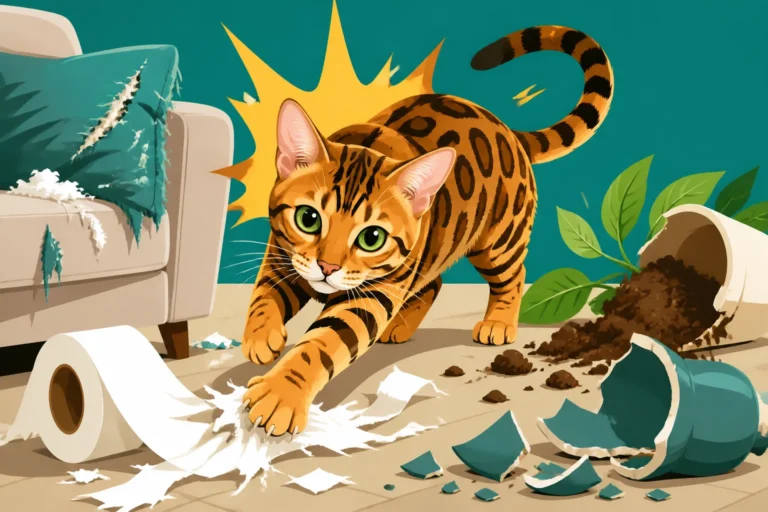
- Destructive Chewing/Scratching: If your Bengal is chewing on cords, furniture, or doorframes, or scratching inappropriately even with plenty of scratchers available, it's a huge red flag. They're using their physical energy and jaws in the wrong places. This is a classic sign of What a Bored Bengal Cat Destroys.
- Aggression Towards Other Pets or People: An under-exercised Bengal may become overly rough in play, or even aggressive towards housemates (animal or human) because they have nowhere else to direct their energy. This isn't malice but misdirected predatory drive.
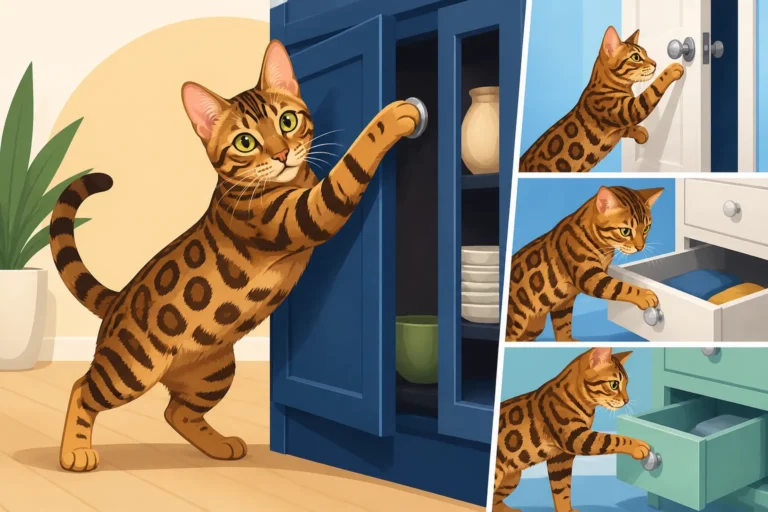
- Counter Surfing/Cabinet Opening: Their intelligence and agility mean they can get into everything. If they're constantly opening cabinets, rummaging through drawers, or jumping on counters, they're likely seeking stimulation and exploring boundaries.
Ramping Up the Routine Safely
If you suspect your Bengal is under-exercised, don't suddenly try to exhaust them in one go. Gradually increase the duration and intensity of their play sessions.
- Add an Extra Play Session: If you're doing two sessions a day, try adding a third. Even an additional 10-15 minutes of focused play can make a difference.
- Introduce New Types of Enrichment: If you've only been using wand toys, try adding a puzzle feeder or starting some clicker training. Novelty is highly stimulating for Bengals.
- Invest in a Cat Wheel: As mentioned, a wheel can be a fantastic way for them to burn off steam independently. Many Bengals will hop on it several times a day for short, intense bursts of running.
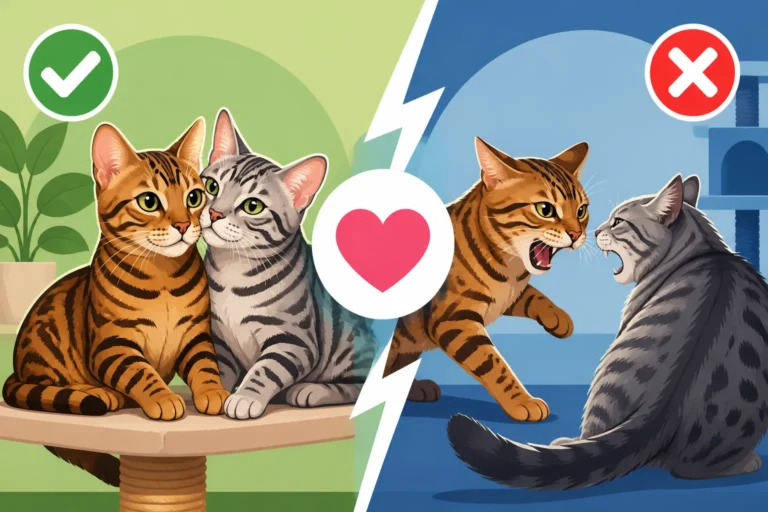
- Consider a Companion (Carefully): Sometimes, a second, equally active cat (especially another Bengal or a high-energy breed) can provide companionship and play that you simply can't offer 24/7. However, this is a big decision and requires careful introduction to ensure compatibility. If you're unsure if Two Bengal Cats Tire Each Other Out, it can certainly help, but it's not a guaranteed solution.
Ultimately, understanding and meeting your Bengal cat's significant exercise needs is a crucial part of responsible ownership. It’s an investment of time and energy, but the payoff is a happier, healthier, and much more well-behaved companion who enriches your life in countless ways.
Disclaimer
This article is for general informational purposes only and does not constitute professional advice. Laws, prices and regulations vary by location and change over time. Consult a qualified professional for guidance on your specific situation.