How Long a Bengal Cat Would Survive Outdoors
It's every Bengal cat owner's worst nightmare: that moment you realize the door was left ajar, or a window screen torn, and your adventurous, curious Bengal has slipped out into the great unknown. You immediately start to panic, picturing them navigating a world they're utterly unprepared for. This guide aims to tackle that terrifying question head-on, exploring the real dangers and short survival prospects of a Bengal cat unexpectedly finding themselves fending for themselves outside.
The Harsh Realities of Outdoor Life for a Domestic Cat
Let's be brutally honest: the romanticized image of a cat roaming free, hunting for its supper, and living a wild existence is largely a myth for our domesticated companions. Our cats, especially purebreds like Bengals, are simply not equipped for a truly feral life, and the outdoors presents a constant barrage of threats. It's a world brimming with unseen dangers that most indoor cats are blissfully unaware of.
Risks from Other Animals
One of the most immediate and dangerous threats your escaped Bengal will face comes from other animals. This isn't just about the wild creatures you might expect.
- Other Cats: First and foremost, outdoor territories are often already established by feral cat colonies or other outdoor pets. Your Bengal, with their striking looks and perhaps a lack of street smarts, might be seen as an intruder. Fights over food, shelter, or mates can lead to serious injuries, infections, and even death. Many outdoor cats carry diseases that can be easily transmitted through bites and scratches.
- Wild Predators: Depending on your location, local wildlife can pose a significant danger. Coyotes, foxes, raptors (like large owls or hawks), and even aggressive stray dogs view small cats as prey. Even in suburban areas, these predators are much closer than most people realize, especially at dawn and dusk. A Bengal's natural athleticism might give them a slight edge, but it's no match for a determined predator accustomed to hunting.
- Aggressive Wildlife: Beyond predators, even animals like raccoons or opossums, which might seem less threatening, can inflict serious damage in a confrontation, particularly if they feel cornered or are protecting young. Your Bengal might possess strong hunting instincts, but these are often geared towards smaller prey and practiced in a safe, controlled environment, not against a desperate wild animal fighting for its life.
Risks from Traffic and Humans
The dangers don't stop with animals. The human environment, ironically, can be just as hostile, if not more so.
- Vehicular Accidents: This is, sadly, one of the leading causes of death for outdoor cats. A Bengal, being fast and often less wary than a street-wise alley cat, might not understand the immense danger of a moving vehicle. Their speed can be a double-edged sword; they might dart out unexpectedly. Busy roads, even quiet residential streets, are a constant hazard. The impact can be fatal or cause severe, debilitating injuries requiring immediate veterinary care, which an escaped cat won't receive.
- Intentional Harm from Humans: While heartbreaking to consider, not everyone is kind to stray animals. Some people might intentionally harm cats, or accidentally injure them if they are seen as a nuisance. There are also instances where people, misunderstanding their nature, might try to 'rescue' or keep a Bengal cat, leading to them being permanently lost to their rightful owner.
- Poisons and Traps: Rodenticides, antifreeze, and other household chemicals are common dangers in garages, yards, and even public spaces. These can be fatal if ingested, and an exploring Bengal is highly susceptible. Furthermore, pest traps (like glue traps or snap traps) or even humane traps set for wildlife can injure or trap a cat, leaving them vulnerable to exposure or further harm.
Risks from Disease and Parasites
Life outdoors is a breeding ground for health issues that indoor cats rarely encounter.
- Parasites Galore: Fleas, ticks, ear mites, and various intestinal worms are rampant in the outdoor environment. While these might seem like minor annoyances, a heavy parasite load can lead to anemia, malnutrition, and significant discomfort. Ticks can transmit serious diseases like Lyme disease or anaplasmosis.
- Infectious Diseases: The risk of contracting serious viral and bacterial infections skyrockets for an outdoor cat. Feline Leukemia Virus (FeLV), Feline Immunodeficiency Virus (FIV), Feline Infectious Peritonitis (FIP), and upper respiratory infections (like calicivirus and herpesvirus) are highly contagious and often fatal without aggressive medical intervention. Your Bengal's vaccination history might protect them against some things, but not everything, and waning immunity could be an issue. These diseases are spread through bites, scratches, shared food bowls, or even just close contact with an infected cat. You can read more about Whether Bengal Cats Are More Prone to FIP.
- Malnutrition and Dehydration: Finding consistent, nutritious food and clean water is a monumental challenge. While a Bengal's hunting instinct is strong, successfully catching enough prey to sustain themselves day after day is difficult. Scavenging from trash cans or eating unhealthy scraps can lead to digestive issues, nutrient deficiencies, and illness. Dehydration is also a constant threat, especially in hot weather or if access to clean water is limited.
Why a Bengal Cat Is Particularly Unsuited for Outdoor Survival
While any domestic cat faces an uphill battle outdoors, a Bengal cat, despite their wild looks, actually possesses several traits that make them uniquely vulnerable. They are not miniature Asian Leopard Cats, and expecting them to thrive in the wild is a dangerous misconception.
Their Striking Appearance Is a Liability
A Bengal cat's dazzling, wild appearance, which we cherish, becomes a significant disadvantage outdoors.
- Drawing Unwanted Attention: Those beautiful rosettes, that glittering pelt, and their athletic physique make them stand out. They don't blend into the urban or rural landscape like a tabby or a solid black cat. This makes them highly visible targets for predators, both animal and human. People might be tempted to capture them, either out of curiosity, a desire to 'own' a wild-looking cat, or even with malicious intent. Unfortunately, Whether a Bengal Cat Gets Stolen is a very real concern for these unique felines.
- Misconceptions of Wildness: Many people see a Bengal and assume it's a "wild cat" or a hybrid that can fend for itself. This misconception means they might be less inclined to help a seemingly lost Bengal, or might even be fearful of approaching it. They might also mistakenly believe it's illegal to own one, or that it belongs in the wild, leading them to avoid assisting.
Their Hunting Instincts vs. Actual Survival Skills
It's true that Bengal cats have a strong prey drive, stemming from their Asian Leopard Cat ancestry. They love to chase, stalk, and "hunt" toys around the house. However, this instinct, honed in a domestic setting, is very different from the actual skills needed for survival.
- Ineffective Hunting for Sustenance: While they might catch a mouse or a bird now and then, consistently catching enough prey to meet their caloric needs is incredibly demanding. Domestic cats, even those with strong instincts, lack the generations of learning and adaptation that truly wild felines possess. They haven't learned the specific hunting techniques for various prey animals, how to conserve energy, or how to avoid larger predators while hunting.
- Lack of Fear: Bengals are often bold and confident, which can be a huge liability outdoors. They might approach dangerous situations without the natural caution that would serve a truly wild animal well. This fearlessness, charming indoors, can lead them straight into traffic or confrontation with an aggressive dog or human. Their energy levels are incredibly high, as described in The Bengal Cat Is the Most Active Cat You Can Own, but this energy isn't necessarily directed toward sustained survival efforts.
Their Physical Characteristics and Climate
Even their physical traits, so admired by owners, can be a hindrance in the wild.
- Thin Coat and Cold Tolerance: Bengal cats typically have a short, dense coat, often described as a "pelt" rather than fur. While beautiful, it lacks the insulating undercoat found in many domestic breeds. This means they are far less tolerant of cold, wet weather. Prolonged exposure to low temperatures can lead to hypothermia, which is quickly fatal.
- Dependence on Humans: Despite their energetic and independent spirit, Bengals are profoundly reliant on humans for food, shelter, and medical care. They are accustomed to a predictable source of high-quality food, a warm, safe bed, and readily available water. Suddenly removing these essentials places immense stress on their system, weakening them and making them more susceptible to illness and predation. They are also highly social creatures, and the lack of human interaction can cause significant psychological distress, impacting their ability to cope.
The Factors That Influence a Bengal Cat's Outdoor Survival Time
It's impossible to put an exact number on how long a Bengal cat would survive outdoors. It could be days, weeks, or, in rare, exceptionally lucky circumstances, longer. Many factors play a crucial role in determining their fate.
Age and Health Status
A Bengal cat's age and underlying health are massive determinants of their survival odds.
- Kittens and Seniors: Very young kittens are almost certainly doomed. They lack the strength, hunting skills, immune system maturity, and size to fend for themselves. Similarly, senior Bengals, especially those over The Age a Bengal Cat Is Considered Senior, face immense challenges. They might have age-related conditions like arthritis, dental issues, or heart disease (like What HCM Does to a Bengal Cat's Heart) that make movement difficult, hunting impossible, and evasion of threats slow. Their senses might also be less acute, making them vulnerable. A young, healthy adult might fare slightly better, but only marginally.
- Underlying Health Conditions: If your Bengal has any chronic health issues, such as sensitive digestion (a common Bengal complaint, see Chronic Diarrhea Is the Bengal Cat Complaint Nobody Warns About), diabetes, or heart conditions, their survival time will be drastically shortened. They require specific diets, medications, and controlled environments to thrive. Without these, their condition will rapidly deteriorate. Even a minor injury, if it becomes infected, can quickly become life-threatening without veterinary care.
Environment and Resources
The specific outdoor environment a Bengal finds itself in will heavily influence its chances.
- Urban vs. Rural: An urban environment, while offering some shelter (like abandoned buildings) and potential food sources (trash), also comes with high traffic, dense human populations, and increased exposure to poisons. Rural areas might have fewer cars but more predators and less access to easily scavenged food. Both present unique, formidable challenges.
- Climate and Weather: The weather plays a critical role. A Bengal escaping in mild, sunny weather in late spring might have a slightly longer initial survival window than one escaping in the dead of winter or during a heatwave. Extreme temperatures, heavy rain, snow, or ice can quickly lead to hypothermia or heatstroke, both of which are fatal. Access to natural shelter, like dense bushes or abandoned structures, can offer temporary respite but is rarely sufficient long-term.
- Access to Food and Water: The availability of clean drinking water and suitable food sources is paramount. If a Bengal can find a consistent, safe water source (not a puddle full of chemicals) and some form of sustenance, their initial survival time will be extended. However, quality of food is also vital; a diet of scraps and small, infrequent prey will lead to malnutrition over time.
Human Interaction (Positive and Negative)
The actions of the people they encounter can literally mean the difference between life and death.
- Helpful Strangers: A kind-hearted individual who recognizes a lost pet and takes steps to help (checking for a microchip, posting on social media, contacting local shelters) can be a Bengal's lifeline. Many people are genuinely concerned for animal welfare and will go out of their way to assist. However, as mentioned, a Bengal's wild look can sometimes deter people.
- Microchipping and ID: This is where preparation truly pays off. A microchip is invaluable. If your Bengal is found by a vet or shelter, a quick scan can immediately identify you as the owner. Having a collar with an ID tag, while not foolproof (collars can come off), provides immediate contact information. This significantly increases the chances of a reunion, turning a potentially short survival into a quick return home. It's why Why a Bengal Cat Should Be Microchipped is such vital advice. If you haven't already, consider getting a GPS collar as well, as discussed in When a Bengal Cat Needs a GPS Collar.
| Factor | Impact on Survival Time (General) | Bengal Cat Specific Vulnerability |
|---|---|---|
| Predators | Immediate and severe danger from wildlife and other animals. | Highly visible due to unique pattern; bold nature can lead to danger. |
| Traffic | High risk of fatal injury. | Fast and agile, but may dart unpredictably, unaccustomed to vehicles. |
| Disease/Parasites | High exposure, rapid spread, debilitating without treatment. | May have sensitive digestion or breed-specific health concerns. |
| Food/Water | Scarcity leads to malnutrition, dehydration. | Hunting instincts not adapted for consistent sustenance; reliant on human diet. |
| Climate | Extreme weather causes hypothermia/heatstroke. | Short, single coat offers poor insulation in cold/wet conditions. |
| Human Interaction | Can be life-saving or life-threatening. | Striking appearance can lead to theft or misidentification. |
| Age/Health | Kittens/seniors/sick cats have very low chances. | Any underlying breed-specific health issue severely compounds risk. |
Protecting Your Bengal: Keeping Them Safe and Enriched Indoors
Given the incredibly grim prospects for a Bengal cat outdoors, the best and only responsible approach is prevention. Keeping your Bengal cat safely indoors, or in a securely contained outdoor space, is paramount. This doesn't mean a dull life; it means a safe, enriched one.
Securing Your Home
The first line of defense against your Bengal ending up in a survival situation is making sure they can't get out in the first place.
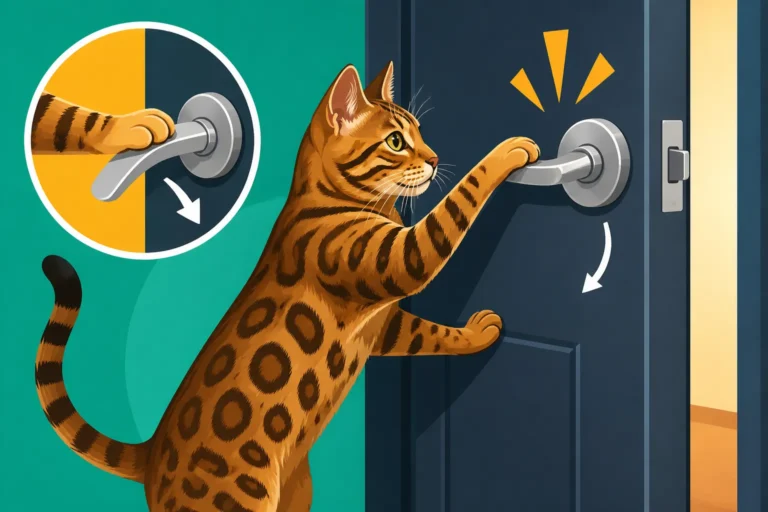
- Window Screens and Doors: Check all window screens regularly for tears, loose fittings, or weaknesses. Bengals are strong and persistent; they can easily push out or tear flimsy screens. Ensure all exterior doors are always securely closed and that everyone in the household understands the importance of not letting the cat "slip out." Consider double doors or baby gates as an extra barrier near exits.
- Vigilance: It sounds simple, but constant vigilance is key. When you're bringing in groceries, or having guests over, make sure your Bengal is secured in another room or that you're actively monitoring their location. Bengals are incredibly curious and quick; they can be out the door before you even realize what's happening. Many owners are surprised by How Often a Bengal Cat Escapes the House.
Providing Indoor Enrichment
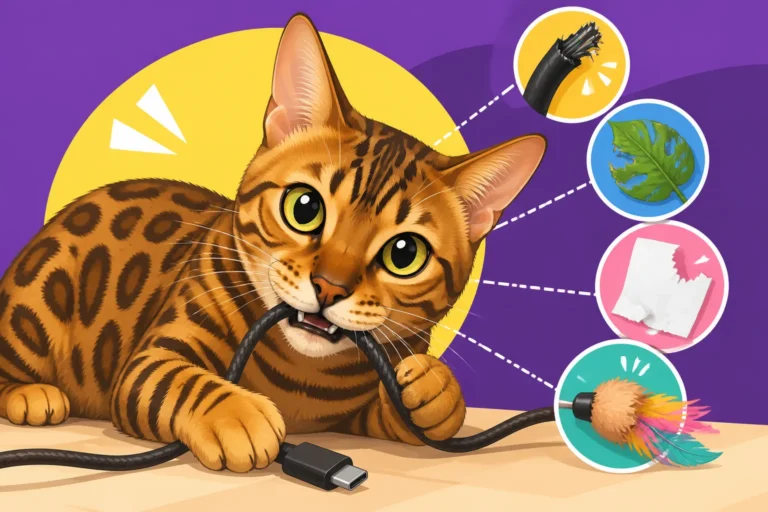
An indoor-only life doesn't have to be boring. In fact, for a Bengal, providing adequate enrichment is absolutely crucial to their well-being and to prevent destructive behaviors born of boredom.
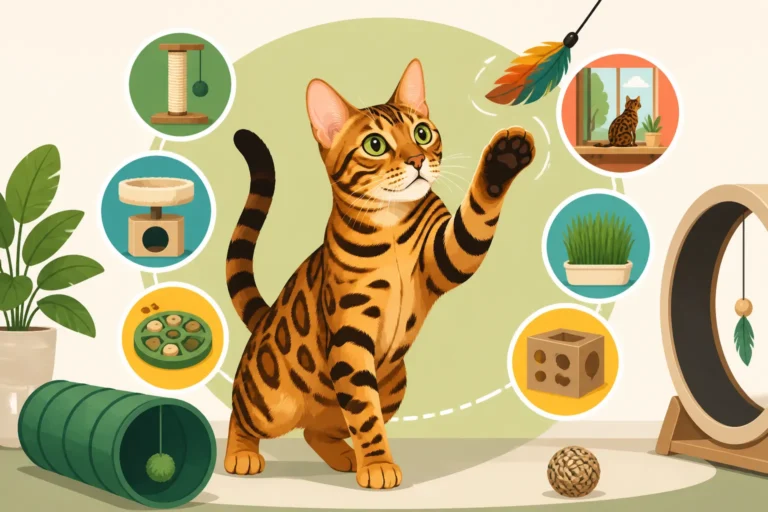
- Vertical Space and Climbing: Bengals are natural climbers and thrive on vertical territory. Invest in tall, sturdy cat trees that reach the ceiling, cat shelves mounted on walls, and even ceiling-high scratching posts. This allows them to survey their domain from above, a natural instinct.
- Interactive Play: Daily, dedicated play sessions are non-negotiable for a Bengal. Use wand toys, feather teasers, and other interactive toys that mimic prey. Engage them in chasing, pouncing, and "killing" the toy. Aim for multiple sessions throughout the day to burn off their immense energy. Puzzle feeders are also fantastic for mental stimulation, making them "work" for their food. You might find How Many Hours a Day a Bengal Cat Plays sheds more light on their energy needs.
- Catios and Leash Training: If you want to safely give your Bengal a taste of the outdoors, a catio is the ideal solution. A catio is a secure, enclosed outdoor space that allows them to experience fresh air, sunshine, and natural sights and sounds without any risk of escape or exposure to dangers. They can be elaborate custom-built structures or simpler, modular enclosures available on Amazon. This is why Why a Catio Is the Answer to a Bengal Cat is such a popular topic among Bengal owners. Alternatively, with patience and consistency, many Bengals can be leash-trained and enjoy supervised walks in safe areas. Start young and introduce the harness gradually. Learn more about How to Leash Train a Bengal Cat.
What to Do If Your Bengal Goes Missing
Despite all precautions, accidents can happen. If your Bengal does get out, quick and decisive action is critical.
- Immediate Search: Start searching immediately, concentrating on your immediate property and the surrounding block. Most lost cats, especially indoor-only cats, will hide close to home. Check under bushes, cars, decks, and in sheds or garages. Call their name in a calm, reassuring voice.
- Scent Traps: Place their litter box, a favorite blanket, or some of your worn clothing near your back door or in a sheltered spot outside. Their familiar scent can help guide them home.
- Posters and Social Media: Create "Lost Cat" posters with a clear, recent photo and your contact information. Distribute them widely in your neighborhood. Post on local lost pet Facebook groups, Nextdoor, and other community forums. Many people don't realize how far a cat can travel, as explored in How Far a Bengal Cat Goes If It Escapes.
- Contact Local Shelters and Vets: Call all local animal shelters, humane societies, and veterinary clinics. Provide a description and photo of your Bengal. If your cat is microchipped, ensure your contact information with the microchip registry is up-to-date.
- Don't Give Up: It can take days, weeks, or even months, but many lost cats are reunited with their families. Keep searching, refreshing your social media posts, and re-checking shelters.
Ultimately, the goal is to never have to ask "how long would my Bengal cat survive outdoors." By understanding the profound dangers and taking proactive steps to provide a safe, stimulating indoor environment, you can ensure your magnificent Bengal lives a long, healthy, and happy life right where they belong – with you.
Disclaimer
This article is for general informational purposes only and does not constitute professional advice. Laws, prices and regulations vary by location and change over time. Consult a qualified professional for guidance on your specific situation.