Whether a Bengal Cat Gets Stolen
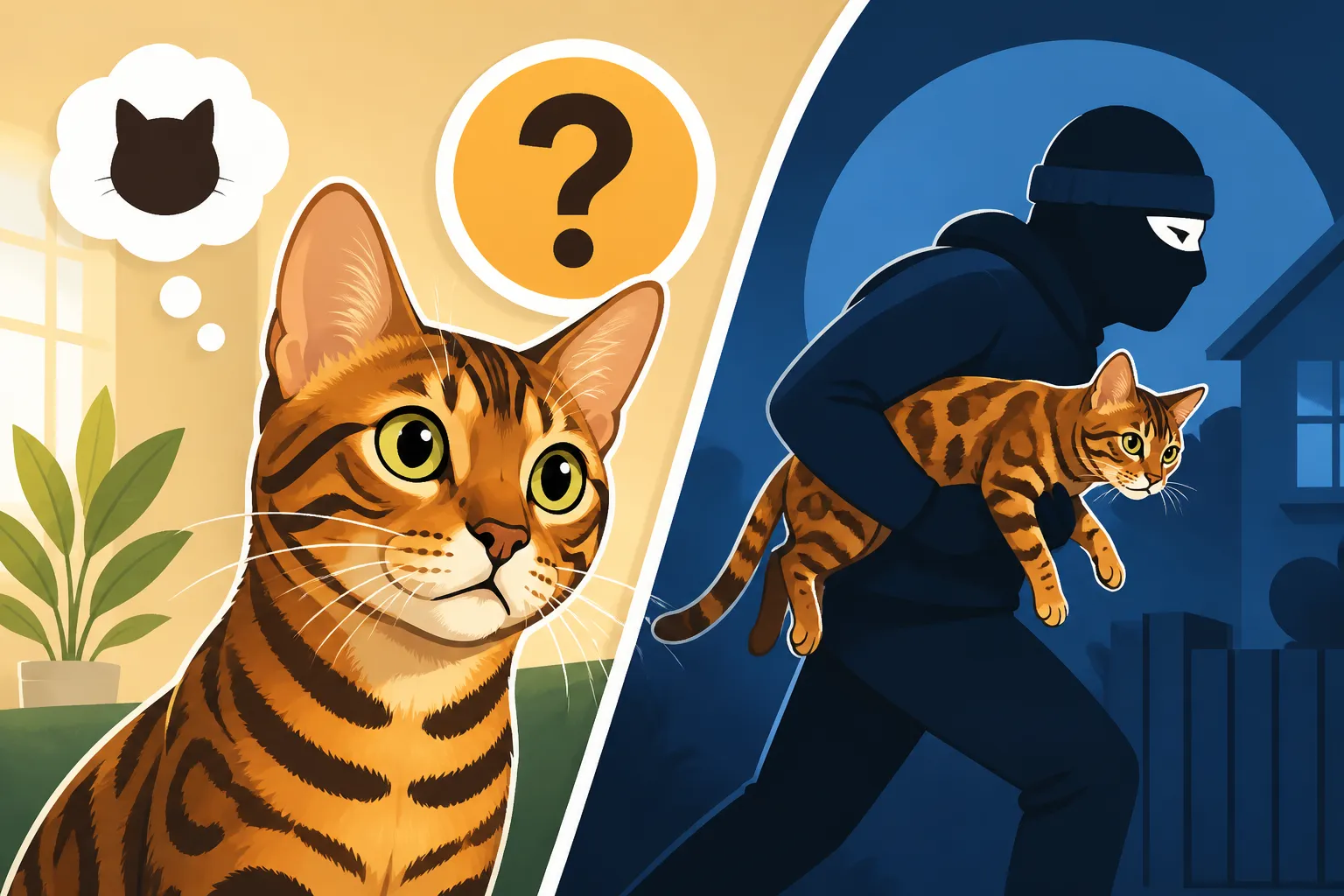
The thought of your beloved Bengal cat vanishing is enough to send a shiver down any pet parent's spine. It's a horrible, gut-wrenching worry that no one ever wants to face, especially when you consider how unique and desirable these felines are. This guide dives deep into the unfortunate reality of pet theft, exploring why Bengal cats might be targeted, how these distressing incidents can occur, and most importantly, what practical steps you can take to keep your furry family member safe and sound.
Why Bengal Cats Are a Prime Target for Theft
Let's be brutally honest: Bengal cats are not your average housecat, and that's precisely why they can become targets for unscrupulous individuals. Their striking appearance, exotic heritage, and often significant price tag make them highly desirable to both genuine enthusiasts and those with less honorable intentions.
The Allure of Their Exotic Looks and High Value
When you look at a Bengal cat, it's impossible not to be captivated. Their coats boast stunning patterns, from intricate rosettes that mimic their wild ancestor, the Asian Leopard Cat, to beautiful marbling, all often shimmering with that signature "glitter" gene. This isn't just a cat; it's a miniature work of art, and it draws attention. Unfortunately, not all attention is good. Their resemblance to jungle cats makes them a status symbol for some, and their exotic look alone can make them stand out in a crowd, catching the eye of someone looking to steal.
Beyond their breathtaking aesthetics, Bengal cats represent a significant financial investment. A well-bred Bengal kitten from a reputable cattery can command a considerable price, often ranging from hundreds to several thousands of dollars, depending on factors like generation, pattern quality, and pedigree. Just consider What a Bengal Cat Costs to Buy in 2026 or What a Rosetted Bengal Cat Costs. This high monetary value makes them attractive to thieves who see them as quick cash, either to resell as "purebreds" without proper documentation or even to use in illicit breeding operations. It's a harsh truth, but the more valuable an animal is, the higher the risk of theft.
Unique Traits and Desirability
It's not just their looks; Bengal cats also possess a captivating personality that sets them apart. They are often described as intelligent, highly active, and incredibly curious. Many even exhibit dog-like traits, such as fetching, enjoying leash walks, and having an insatiable love for water. This unique blend of wild beauty and engaging temperament makes them incredibly sought-after companions. People who appreciate these qualities are often willing to pay a premium for a Bengal, which, again, fuels the unfortunate market for stolen pets.
This desirability means there's a constant demand, and where there's demand, there can be a shadow market. Individuals might try to acquire a Bengal cat through any means necessary, including theft, to meet this demand, bypass breeder waitlists, or avoid the legitimate costs. Sometimes, the thieves aren't even aware of the specific health and behavioral needs of the breed; they just see a high-value item they can profit from.
Understanding the Risks: How Theft Happens
Pet theft isn't always a dramatic, high-stakes heist. More often than not, it's a crime of opportunity, but it can also be carefully planned. Understanding the common ways Bengal cats disappear can help you better protect your own.
Outdoor Access and Vulnerability
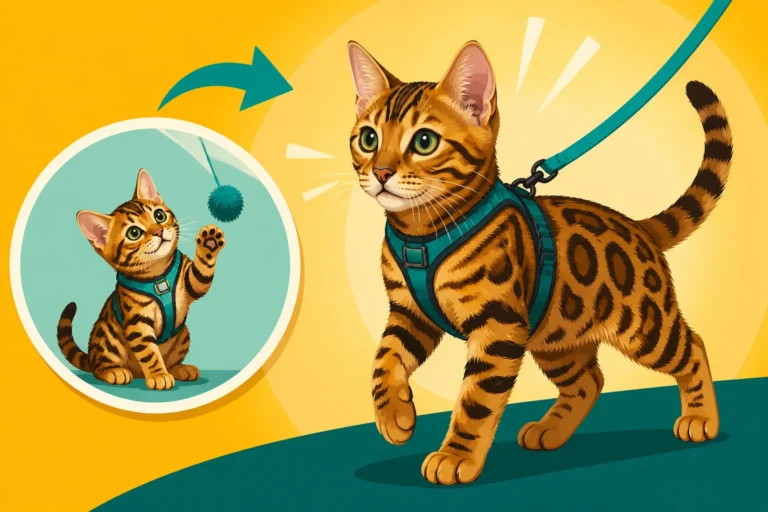
The biggest risk factor for any pet theft, especially for a desirable breed like a Bengal, is unsupervised outdoor access. While many Bengal owners love to harness train their cats or provide secure outdoor spaces, letting them free roam, even in seemingly safe neighborhoods, is an open invitation for trouble. A Bengal's adventurous spirit, curiosity, and often fearless nature mean they might wander further than other cats, increasing their visibility and making them easier targets.
A cat allowed to roam freely could be picked up by someone who simply "finds" them and decides to keep them, or worse, someone actively looking to steal a high-value cat. They might lure your cat with food, or simply scoop them up if they're friendly and approachable. Even a brief moment alone in a front yard or porch can be enough. This is why many advocates strongly recommend that Bengal cats remain Whether a Bengal Cat Can Be an Indoor Only Cat or confined to highly secure outdoor enclosures.
Targeted Break-ins and Scams
While less common than opportunistic theft, organized pet theft rings do exist, and purebred, high-value animals are often their targets. These groups might "case" homes they believe house valuable pets. This could involve someone posing as a delivery driver, a utility worker, or even a friendly neighbor, all to gather information about your home security, your cat's routine, and whether you have a Bengal. Social media posts showcasing your beautiful cat in your home can inadvertently provide valuable intelligence to these criminals.
Another insidious method involves scams related to rehoming. If you ever find yourself in the difficult position of needing to rehome your Bengal, be incredibly cautious. Scammers might respond to "free to good home" ads or offers of rehoming fees, only to take the cat and immediately resell it for a much higher price. Always vet potential new owners thoroughly, ask for references, and never hand over your cat to someone you haven't fully vetted in person. Some breeders include clauses in their contracts about notifying them if you need to rehome, precisely to prevent their cats from ending up in the wrong hands, which is a good thing to consider when looking at What a Bengal Cat Contract Restricts.
Online Advertising and Social Media Risks
In our digital age, sharing photos and stories of our pets on platforms like Instagram, Facebook, and local community groups is second nature. However, this online presence, while lovely for sharing joy, also carries risks. Posting pictures of your Bengal cat, especially if they reveal details about your home's exterior, your daily routine (e.g., "my cat always plays in the yard at 3 PM"), or even your general location, can provide valuable information to potential thieves. Think about it: a detailed photo of your cat with a unique garden feature or house number in the background gives a lot away.
Similarly, if you ever post an ad to sell kittens or an adult Bengal online, be extremely vigilant about who you're communicating with. Verify identities, arrange meetings in public places (if practical for viewing or pickup), and be wary of anyone who seems overly eager, offers to pay sight-unseen, or asks unusual questions about your home rather than the cat itself. The internet is a powerful tool for connection, but it also provides a cloak of anonymity for those with ill intent.
Proactive Measures to Prevent Bengal Cat Theft
Feeling overwhelmed? Don't be. There are many practical steps you can take to significantly reduce the risk of your Bengal cat being stolen. It's all about being vigilant and creating a secure environment.
Enhancing Home Security
Your home is your first line of defense. Start by ensuring all windows and doors are securely locked, even if you're just stepping out for a moment. For ground-floor windows that might be left open for fresh air, consider installing security screens or bars. If you have a yard, make sure gates are locked and fences are high and secure enough to prevent someone from easily reaching over or climbing in.
Investing in a home security system or outdoor cameras can be a significant deterrent. Even a simple doorbell camera, easily found on platforms like Amazon, can provide valuable footage and alert you to suspicious activity. For your Bengal's outdoor enrichment, a Why a Catio Is the Answer to a Bengal Cat is invaluable. A well-constructed catio, fully enclosed and securely attached to your home, allows your cat to enjoy fresh air and sunshine without being exposed to external threats. These should be built with security in mind, using sturdy materials and robust locks.
Permanent Identification Methods
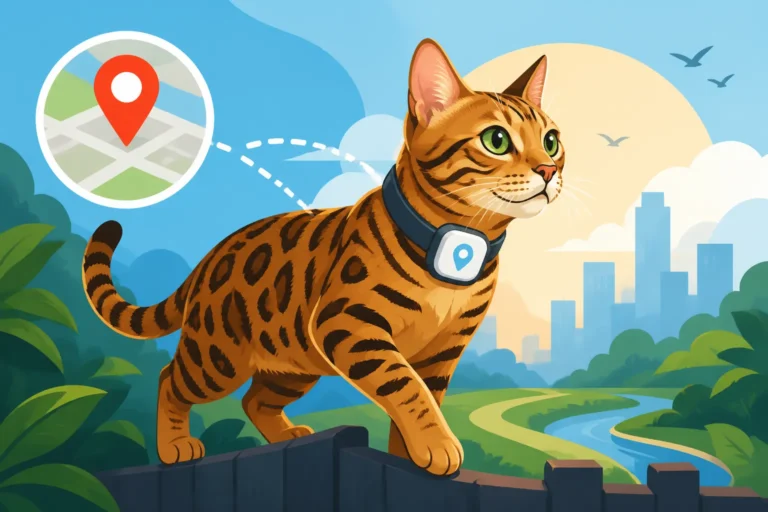
One of the most crucial steps you can take is ensuring your Bengal cat has permanent identification. Microchipping is non-negotiable for any pet, but especially for a valuable breed like a Bengal. A microchip is a tiny device, no bigger than a grain of rice, implanted painlessly under your cat's skin. It carries a unique ID number that can be scanned by any vet, shelter, or rescue organization. This number links to your contact information in a national database. The absolute key here is to register the microchip and keep your contact details updated, especially if you move or change phone numbers. It's literally the most important tool for reunification if your cat is lost or stolen. Consider Why a Bengal Cat Should Be Microchipped for more in-depth information.
While collars with ID tags can fall off or be removed, they offer immediate visual identification. If you choose to use one, opt for a breakaway collar to prevent accidental strangulation if your cat gets caught on something. Always include your phone number and your cat's name on the tag. It's a simple, low-tech solution that can sometimes be enough to deter an opportunistic thief or help a good Samaritan return your cat.
Online and Community Vigilance
Be thoughtful about what you share about your Bengal cat online. While it's natural to want to show off your beautiful feline, consider the implications of posting pictures that reveal your home's interior or exterior, or that share specific details about your cat's routine. Think about setting privacy settings on your social media accounts and avoid broadcasting your location when you're out with your cat. If you're going on vacation, definitely don't advertise that your home (and cat) will be unsupervised.
Connecting with your local community can also build a network of support. Join neighborhood watch groups or local lost-and-found pet pages. The more eyes and ears there are in your area, the better. Share information about pet theft risks with your neighbors. If everyone is aware and vigilant, it creates a less appealing environment for thieves. A united front in the community can make a real difference in keeping pets safe.
| Prevention Strategy | Description | Key Benefit |
|---|---|---|
| Secure Home Environment | Lock doors/windows, install robust screens, use alarm systems, consider security cameras. | Deters opportunistic and targeted theft by creating physical barriers. |
| Catio or Secure Enclosure | Provide a fully enclosed, escape-proof outdoor space for safe enrichment. | Allows outdoor access without exposure to theft risks. |
| Microchipping | Implant a tiny chip with a unique ID, registered with up-to-date contact info. | Primary method for proving ownership and facilitating return if recovered. |
| ID Tags & Breakaway Collars | Visible identification with contact details; breakaway feature prevents injury. | Immediate visual identification; secondary recovery method. |
| Online Privacy | Limit sharing identifying details about your home/location/routines when posting pictures of your cat online. | Prevents criminals from "casing" your home or cat remotely. |
| Community Awareness | Engage with local pet watch groups, inform neighbors, stay alert to suspicious activity. | Creates a collective deterrent and support network. |
What to Do If Your Bengal Cat Is Stolen
Despite all preventative measures, the unthinkable can still happen. If your Bengal cat goes missing and you suspect theft rather than a simple escape (though treating it as both is wise), immediate and decisive action is critical. The first hours and days are crucial for recovery.
Immediate Action Steps
The very first thing you need to do is report the theft to your local police department. This isn't just about filing a report; it's about creating a documented crime report that can be essential for any future recovery or legal action. Provide them with a detailed description of your cat, any distinguishing features, their microchip number, and photos. Even if the police can't actively investigate, having a report on file is vital. At the same time, notify your microchip registry that your cat has been stolen and ensure all your contact information is current.
Next, cast a wide net with local animal services, shelters, and veterinary clinics within a reasonable radius. Send them photos and descriptions. Thieves might dump a cat they realize is too much trouble, or try to sell it to someone who might take it to a vet. Some Bengal cats, when stressed or rehomed multiple times, might end up in a shelter. It's also worth contacting Where to Find a Bengal Cat Rescue in your region, as they often have networks and resources to help identify and recover lost or stolen Bengals. Remember that a lost cat, especially a timid one, can travel a surprising distance, so be sure to check far and wide. For instance, How Far a Bengal Cat Goes If It Escapes might give you an idea of the ground to cover.
Utilizing Online Resources and Networks
The internet, while a potential source of risk, can also be your most powerful ally in finding a stolen pet. Immediately post detailed "Lost Cat" alerts on all local social media groups (Facebook, Nextdoor, etc.). Include clear, recent photos of your Bengal, their microchip number, and a contact phone number. Ask friends and family to share widely. There are also national and regional lost pet databases where you can register your cat's details and photos. These platforms often cross-reference lost and found reports, increasing the chances of a match.
However, a word of caution: be extremely wary of scams that pop up during this vulnerable time. Some individuals might contact you claiming to have your cat but demanding money or personal information before returning them. Never pay a "ransom" without concrete proof that they actually have your cat, and always arrange a safe, public meeting place. Be specific in your posters about your cat's unique traits but hold back one or two distinguishing features so you can verify anyone who claims to have found your cat. Unfortunately, in cases where a Bengal is recovered from an illegal situation, there can sometimes be a process for What Happens to a Confiscated Bengal Cat, which can involve authorities.
Dealing with the Emotional Toll
The theft of a beloved pet is a traumatic experience, often compared to losing a child. It's okay to feel overwhelmed, angry, sad, and frustrated. Allow yourself to grieve and process these emotions. This isn't just about a "pet"; it's about a cherished family member who has been taken from you. Don't let anyone minimize your feelings.
Lean on your support system—friends, family, or even online pet owner communities who understand what you're going through. Many regions have pet loss support groups that can provide a safe space to share your feelings. While the search for your Bengal cat must be persistent, it's also important to pace yourself and take breaks to maintain your mental well-being. Holding onto hope is important, but so is preparing yourself for different outcomes. Remember that you did everything you could to prevent it, and you're doing everything you can to find them.
Disclaimer
This article is for general informational purposes only and does not constitute professional advice. Laws, prices and regulations vary by location and change over time. Consult a qualified professional for guidance on your specific situation.