Which Brush a Bengal Cat Will Tolerate
If you're a Bengal cat parent, you know that getting your energetic, intelligent companion to sit still for anything can be a monumental task. And when it comes to grooming, the idea of wrestling your sleek, active leopard-mimic into submission with a bristly brush can feel utterly daunting, if not downright impossible. Many owners find their Bengals tolerate traditional grooming tools about as well as a splash of water (unless it's on their terms, of course!). This guide is here to shed some light on why certain brushes just don't cut it for our wild at heart felines and, more importantly, which grooming tools your Bengal might actually deem acceptable – or dare we say, even enjoyable.
Understanding Your Bengal Cat's Unique Coat
Before we even think about picking up a brush, it's crucial to appreciate what makes a Bengal cat's coat so distinct. It’s not just visually striking; its texture and composition are quite different from your average domestic cat, and this plays a huge role in how they respond to grooming. Many owners are surprised by how different their Bengal feels compared to other breeds.
The "Pelted" Texture and Minimal Undercoat
One of the most defining characteristics of a Bengal's coat is its luxurious, "pelted" feel. Unlike many domestic shorthairs that have a fluffy, often thick undercoat, Bengal cats boast a wonderfully soft, almost silken texture that lies incredibly close to their bodies. This is a direct inheritance from their wild ancestor, the Asian Leopard Cat. The individual hairs are often shorter and more sparse, creating a sleek, almost velvety surface rather than a dense, furry one. This unique structure means they have a much finer and less voluminous undercoat, or sometimes practically none at all.
This lack of a dense undercoat is fantastic news for shedding, as Bengals are often considered low-shedders compared to many other breeds. You won't find tumbleweeds of Bengal hair floating around your home quite as readily as you might with a Maine Coon or even a Persian. However, what it also means is that traditional brushes designed for detangling thick fur or raking out dense undercoats are often overkill and uncomfortable for a Bengal. Imagine trying to comb through fine silk with a rake – it just doesn't work, and it can be irritating to their sensitive skin. This is why understanding A Bengal Cat's Coat Is a Pelt, Not Fur is so important.
The Glitter Gene and Its Impact on Grooming Needs
Beyond the pelt-like texture, many Bengal cats possess another truly magical trait: the "glitter" gene. This isn't actual glitter that sprinkles off them, but rather a unique characteristic where the tips of their guard hairs are hollow and translucent, allowing light to reflect off them. This creates a shimmering, iridescent effect that makes their coat look like it's been dusted with golden or pearly sparkles, especially in good lighting. It’s absolutely captivating and one of the breed's signature features.
The glitter gene contributes to the sleekness and low-maintenance nature of their coat. Because the hairs are structured this way, they tend to be less prone to tangling and matting than coats with denser, softer undercoats. This means that a Bengal cat's grooming routine really is quite minimal. You won't typically need to worry about serious mats or knots. The emphasis, therefore, shifts from heavy-duty detangling to simply removing loose hairs, stimulating the skin, and making the grooming experience enjoyable for your cat. Understanding The Glitter Gene and What It Does to a Bengal Cat's Coat can help you appreciate why their coat is so special.
Why Traditional Brushes Often Fail with Bengal Cats
It's common for new Bengal owners to try using the same brushes they might have for a previous domestic cat, only to be met with resistance, escape attempts, or even outright hostility. This isn't just your Bengal being difficult; there are very real reasons why many standard grooming tools just aren't suited to their unique physiology and temperament.
The Discomfort of Standard Bristles
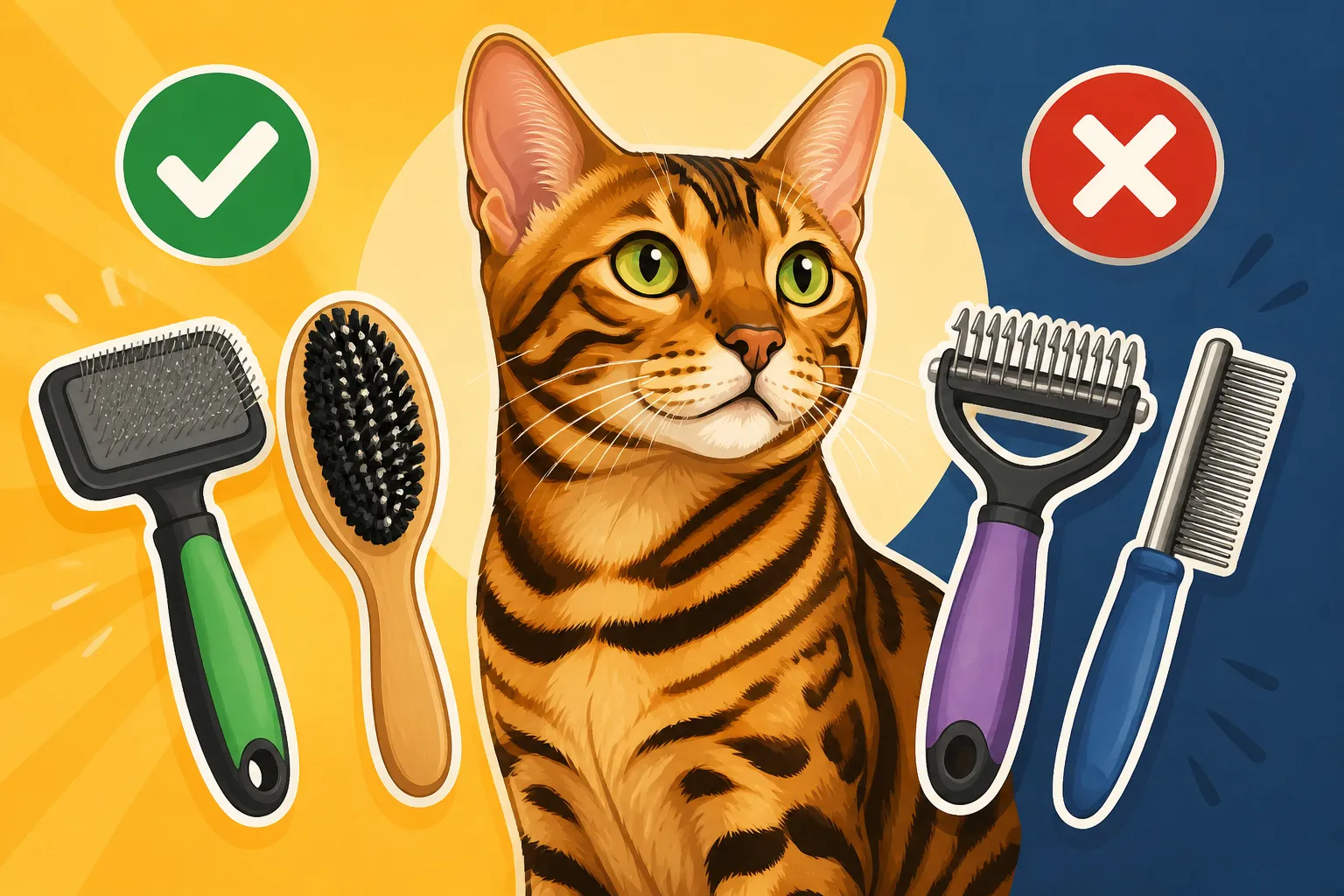
Think about the brushes often found in pet stores: slicker brushes with their fine, wire pins, or conventional bristle brushes with stiff plastic or natural bristles. These tools are designed with a purpose – slicker brushes excel at removing dead undercoat and detangling long hair, while bristle brushes can smooth and shine denser, shorter coats. However, for a Bengal's pelt-like coat, these can be far too harsh. The fine, stiff pins of a slicker brush can easily scratch or irritate their skin, which is not protected by a thick layer of undercoat. Bengals, being descendants of a wild cat, tend to have quite sensitive skin, and any discomfort will immediately be met with a desire to escape the situation.
Furthermore, these brushes often fail to effectively pick up the fine, loose hairs from a Bengal's coat. Instead of collecting shed fur, they might just glide over it or push it around, making the grooming session feel unproductive for you and unpleasant for your cat. The goal isn't to force grooming; it's to make it a bonding experience that gently removes any shedding hair. This is why many owners wonder Why a Bengal Cat Barely Needs Brushing at All, and the answer lies in their coat structure.
Over-Brushing and Skin Irritation
Because a Bengal's coat is so sleek and has such little undercoat, it's actually quite easy to over-brush them, especially if you're using an aggressive tool. Continuous, firm strokes with an inappropriate brush can lead to skin redness, tenderness, or even small abrasions. A Bengal cat's skin, while resilient in the wild, is still delicate, and repeated friction from stiff bristles can cause discomfort. This discomfort is quickly associated with the grooming tool and the act itself, making future sessions even harder.
Moreover, the act of grooming for a Bengal isn't necessarily about needing extensive hair removal like it would be for a heavily shedding breed. They are meticulous self-groomers, thanks to their short, easy-to-manage coats. The primary benefit of owner-led brushing for a Bengal often lies in the massage and bonding aspects, rather than a deep de-shedding. If the tool chosen causes irritation, it completely defeats this purpose, turning what could be a positive interaction into a stressful ordeal. You want to make grooming an enjoyable, gentle experience that reinforces your bond, not a battle of wills that results in a stressed cat and potentially irritated skin.
Top Brush Types a Bengal Cat Might Actually Enjoy
Given their unique coat and active temperament, the key to successful grooming with a Bengal cat is selecting tools that are gentle, effective, and ideally, feel good. Think less about "brushing" and more about "massaging" or "petting" with a purpose.
The Gentle Power of Rubber Curry Brushes
If there's one grooming tool that consistently gets a seal of approval from Bengal cats and their owners, it's the rubber curry brush, sometimes referred to as a grooming glove with rubber nubs. These brushes are a game-changer because they address all the Bengal's unique needs: they're soft on the skin, effective at grabbing loose fur, and provide a pleasant massage. The soft rubber nubs gently stimulate the skin, promoting circulation without any harsh scratching or pulling. It feels more like a vigorous petting session than a formal grooming ritual, which is precisely why many Bengals tolerate, and even solicit, this kind of attention.
The design of a rubber curry brush allows it to attract and gather loose hair like a magnet, even with the Bengal's short, fine coat. As you stroke your cat, the rubber creates a static charge and gently pulls the shed hairs from their coat, holding them until you can easily peel them off the brush. They're also incredibly easy to clean – just rinse them under water. You can find excellent options from various brands on major online retailers like Amazon or Chewy. This type of brush helps you achieve effective grooming while maintaining a positive interaction. This is often the type of tool mentioned when discussing The Grooming a Bengal Cat Will Actually Sit Still For.
Silicone Grooming Mitts for a Hands-On Approach
Taking the concept of a rubber curry brush even further, silicone grooming mitts are another fantastic option for Bengal cats, especially those who are a bit wary of traditional brushes. These mitts fit over your hand, transforming your normal petting motions into a grooming session. The palm side of the mitt is covered with soft silicone nubs, similar to the curry brush, but the mitt format makes it feel even more natural to your cat. It's essentially an extension of your hand.
Bengals are often very affectionate and enjoy being petted. A grooming mitt capitalizes on this natural inclination. You can gently stroke your Bengal, reaching areas that might be harder with a standalone brush, such as around their head, legs, or tummy, all while collecting loose fur. The tactile experience is very soothing for many cats, turning what could be a stressful event into a bonding moment. It’s particularly great for cats who are still learning to tolerate grooming or for quick, daily tidy-ups. You might be surprised how much loose hair these seemingly simple mitts can collect! These are widely available, and you can pick up a reliable one from sites like Chewy.
Fine-Toothed Combs for Specific Needs
While the primary tools for a Bengal's regular grooming will likely be rubber or silicone-based, a fine-toothed comb can still have a place in your grooming kit for very specific situations. These aren't for general coat maintenance or de-shedding, but rather for targeted purposes. For instance, if your Bengal has been outdoors in an enclosed catio or has come into contact with something that might harbor fleas, a flea comb is invaluable. Its incredibly dense teeth are designed to catch fleas, flea dirt, and other small debris that might be hiding in their sleek coat.
Similarly, a very fine-toothed metal comb can be used to gently remove any tiny tangles or burrs that might get caught in their short fur, though this is rare given their coat type. The key here is gentle and occasional use. This is not a daily grooming tool for a Bengal. When using a fine-toothed comb, always be extra cautious around sensitive areas like the face and ears, and ensure your cat is relaxed. If they show any signs of discomfort, stop immediately. The goal is always to make grooming a positive experience, even when tackling specific issues.
Making Grooming a Positive Experience for Your Bengal
Successfully grooming a Bengal cat isn't just about the right tool; it's heavily reliant on your approach. These intelligent, sensitive creatures respond best to consistency, patience, and positive reinforcement. They need to feel safe and that they have some agency in the process.
Starting Early and Positive Reinforcement
The earlier you introduce grooming tools and routines to your Bengal kitten, the better. Kittens are generally more adaptable and curious, making them more receptive to new experiences. Start with very short sessions, even just a few strokes with a gentle rubber brush or grooming mitt. Immediately follow with a high-value treat, verbal praise, and a favorite toy. The idea is to create a strong, positive association: "Brush comes out, yummy treat appears!" This makes the grooming tool a predictor of good things, not a source of annoyance.
Avoid forcing the issue. If your Bengal resists or tries to escape, don't hold them down. Instead, calmly end the session and try again later. Forcing them will only create negative associations and make future attempts much harder. Patience is truly a virtue here. Building trust and a positive emotional response to grooming will pay dividends throughout their life. Remember that a stressed cat won't yield to your wishes, so a gentle approach from the start is paramount.
Short, Frequent Sessions Over Long, Infrequent Ones
Given the Bengal's high energy levels and generally short attention span for stationary activities, short, frequent grooming sessions are far more effective than trying to do one long, arduous session. Instead of aiming for a marathon brush-out once a week, try incorporating a quick 2-5 minute session daily or every other day. This keeps the amount of loose hair manageable and, more importantly, keeps the experience positive and brief enough that your Bengal doesn't get bored or restless.
These mini-sessions can become a natural part of your daily routine, perhaps during a quiet moment of petting on the couch, or before a meal. They maintain the positive association you've worked to build and prevent any buildup of loose hair that might require a longer, less-tolerated session later on. It's a consistent, gentle approach that respects your Bengal's nature and contributes to their overall well-being. This is also how you keep their coat healthy, even though they have Why a Bengal Cat's Pelt Cannot Mat.
Creating a Calm and Safe Grooming Environment
The environment in which you attempt grooming can significantly impact your Bengal's willingness to participate. A noisy, chaotic, or unfamiliar setting is a recipe for disaster. Instead, choose a quiet, familiar space where your cat feels secure. This could be a favorite sunny spot on the floor, on your lap while you're relaxing, or even on a stable surface like a counter (if your cat is comfortable there and it’s safe).
Ensure there are no sudden loud noises or other pets to distract or startle them. Have all your tools ready beforehand so you don't have to interrupt the session to search for something. A comfortable surface, perhaps a soft blanket or towel, can also make the experience more inviting. The goal is to create an atmosphere of calm and predictability, where your Bengal feels at ease and understands what's expected of them, knowing they can trust you.
Beyond the Brush: Other Grooming Considerations
While finding the right brush is a big step, comprehensive Bengal cat care extends beyond just coat maintenance. These lively cats have other grooming needs that, while perhaps not daily, are crucial for their long-term health and comfort.
Minimal Shedding, But Still Needs Attention
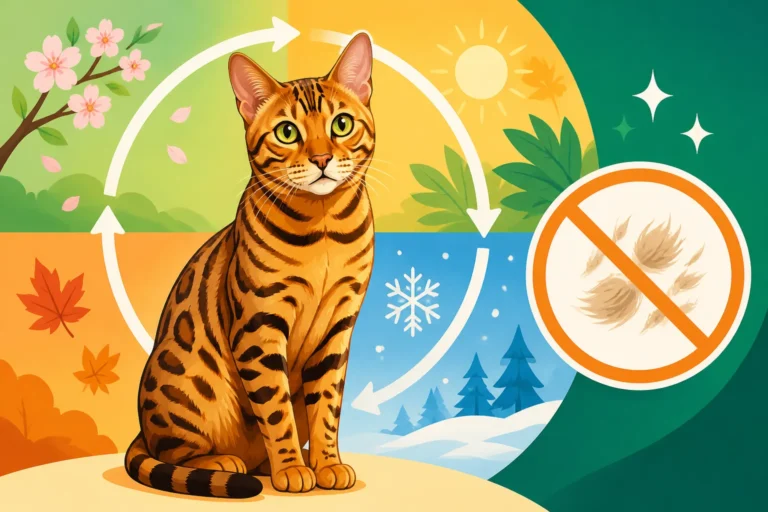
It's true that Bengal cats are known for their minimal shedding, thanks to their single, sleek coat and lack of a dense undercoat. This often leads people to believe they are truly hypoallergenic, though no cat is 100% allergen-free. However, "minimal shedding" doesn't mean "no shedding." Like all cats, Bengals do shed, especially during seasonal changes, though it might be less noticeable than with other breeds. Regular, gentle brushing with the appropriate tool helps to remove these loose hairs before they end up on your furniture or are ingested by your cat during self-grooming. This in turn reduces the likelihood of hairballs.
Even with low shedding, a healthy coat is a sign of a healthy cat. Regular grooming sessions, even brief ones, allow you to inspect their skin for any abnormalities, check for fleas or ticks (especially if they have catio access), and monitor their overall condition. It's a valuable health check-in disguised as a petting session. This attention to detail is part of A Bengal Cat Needs Almost No Grooming, but it doesn't mean no grooming.
Nail Trimming and Dental Care
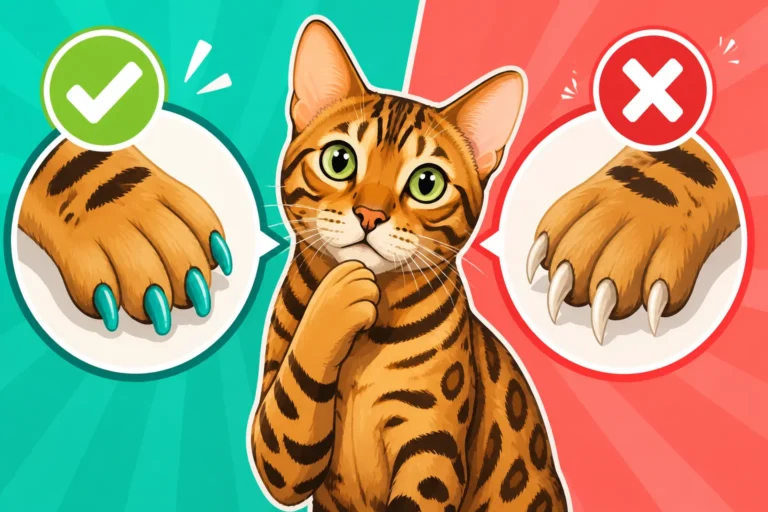
Beyond their beautiful coats, Bengal cats need attention paid to their claws and teeth. Bengal cats are naturally active and agile, and their claws grow quickly. Untrimmed claws can snag on carpets, furniture, or even injure you during playful interactions. Regular nail trimming, ideally every 2-4 weeks, is essential. Like brushing, introduce nail trimming early and make it a positive experience with treats and praise. Focus on just trimming the very tip, avoiding the quick, a sensitive part of the nail that bleeds if cut. If you’re unsure, your vet or a professional groomer can demonstrate the correct technique. This helps prevent Why a Bengal Cat's Claws Outrun the Clippers.
Dental care is another often-overlooked aspect of feline grooming. Like humans, cats can suffer from dental disease, which can lead to pain, infection, and other health issues. Ideally, you should aim to brush your Bengal's teeth regularly with a vet-approved feline toothbrush and toothpaste. This can be a challenging endeavor with an energetic Bengal, but again, starting early and using positive reinforcement makes a huge difference. If direct brushing isn't feasible, dental treats, water additives, and professional dental cleanings by your veterinarian can also contribute to good oral hygiene. For more information, you might look into How to Brush a Bengal Cat's Teeth Without a Fight.
By combining the right tools with a patient, positive approach, you can turn grooming from a dreaded chore into another wonderful way to bond with your extraordinary Bengal cat.
| Brush Type | Description | Pros for Bengals | Cons for Bengals | Best Use |
|---|---|---|---|---|
| Rubber Curry Brush | Handheld brush with soft rubber nubs or bristles. | Gentle, massaging, effective at collecting loose hair, easy to clean. | May not remove deeply embedded debris as well as other types. | Regular light shedding, daily massage. |
| Silicone Grooming Mitt | Glove with silicone nubs on the palm. | Mimics petting, hands-on feel, great for bonding, reaches all body parts. | Less effective for heavy shedding (though rare for Bengals). | Daily light grooming, bonding, sensitive cats. |
| Fine-Toothed Comb | Metal or plastic comb with very closely spaced teeth. | Excellent for flea detection, removing small debris/burrs. | Can be harsh if used improperly, not for general detangling. | Specific issues like fleas, occasional checks. |
| Slicker Brush | Brush with fine, wire pins. | Good for detangling and removing undercoat in other breeds. | Too harsh for Bengal's skin, ineffective on their coat type. | Not recommended for Bengals. |
| Bristle Brush | Brush with stiff natural or synthetic bristles. | Can add shine to some coat types. | Too stiff for Bengal's sensitive skin, less effective on their coat. | Not recommended for Bengals. |
Disclaimer
This article is for general informational purposes only and does not constitute professional advice. Laws, prices and regulations vary by location and change over time. Consult a qualified professional for guidance on your specific situation.