Why a Bengal Cat Barely Needs Brushing at All
It’s a common thing for new Bengal cat parents to stare at their magnificent, spotted companion and wonder, "Okay, so when do I really need to brush this glorious creature?" Many of us come from a background of owning other cat breeds, maybe long-haired beauties or even just your average domestic shorthairs who leave a trail of fur wherever they go. So, when you bring a Bengal home, it can be a bit surprising, and honestly, a relief, to discover that their grooming needs are remarkably low. This guide is here to unravel the mystery of the Bengal cat's coat, explaining precisely why they require so little brushing and how you can best support their natural, pristine appearance without overdoing it.
Understanding the Bengal Cat's Unique Coat Structure
The very first thing you'll notice about a Bengal cat, beyond those captivating spots, is their coat. It's not just "fur" in the way you might think of it for most cats. It's something truly special, a genetic marvel that sets them apart and directly influences their minimal grooming requirements.
The Signature Pelt-Like Texture and Minimal Undercoat
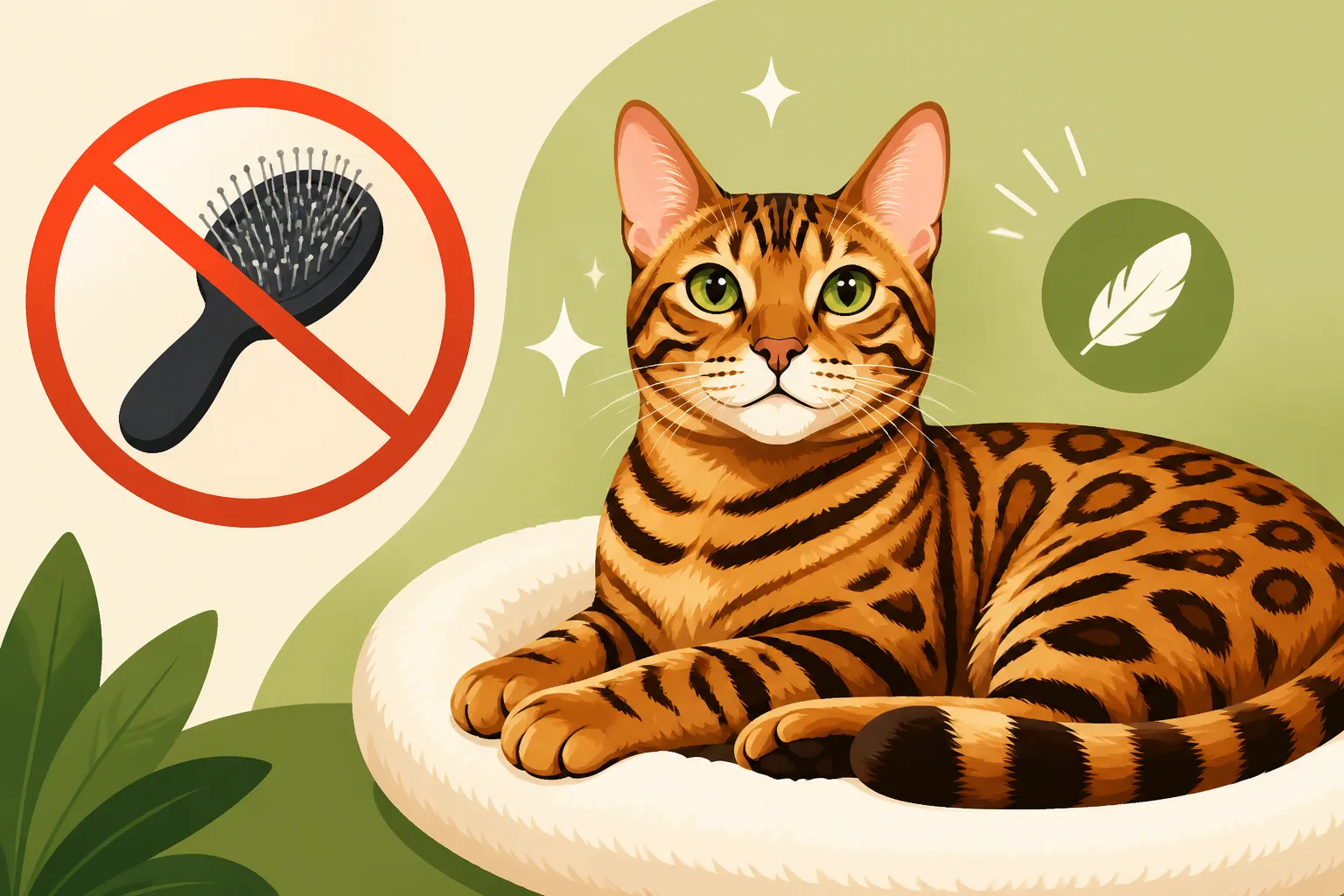
When you run your hand over a Bengal cat's coat, it feels distinctively different. We often describe it as "pelt-like" or silken, incredibly soft and smooth, lying flat against their body. This unique texture isn't just for show; it's a practical adaptation. Unlike many domestic cats, especially those with thicker winter coats, Bengals typically have a very minimal undercoat. This undercoat is what often contributes to shedding and matting in other breeds, trapping loose hairs and dander. Because a Bengal lacks this dense layer, their coat tends to shed far less and is naturally resistant to tangles and knots.
Think about it: a less dense undercoat means less dead hair to contend with. Their guard hairs, which form the stunning patterns, are also incredibly fine and soft. This combination means there's simply not as much hair to shed, nor is it prone to clumping together. It's truly one of the most remarkable features of the breed, contributing to the often-heard (though sometimes misunderstood) claim of them being "hypoallergenic." For a deeper dive, you might find A Bengal Cat's Coat Is a Pelt, Not Fur illuminating, as it truly explains this unique characteristic.
Tracing the Wild Ancestry: How the Asian Leopard Cat Influences the Bengal's Coat
To truly understand the Bengal's coat, we have to look back at their wild ancestor: the Asian Leopard Cat (ALC). The ALC, a small wild feline native to Southeast Asia, is genetically responsible for many of the Bengal's defining traits, including that gorgeous spotted pattern and, yes, their unique coat texture. In the wild, an ALC's coat needs to be sleek, water-resistant, and efficient for navigating varied environments. A heavy, prone-to-matting coat would be a hindrance.
The minimal undercoat and smooth, pelt-like texture are direct inheritances from the ALC. This evolutionary design allows them to dry quickly if they get wet (which they often love to do!), and it reduces the amount of debris that can get caught in their fur. This natural efficiency means that much of the heavy lifting for coat maintenance is already handled by their genetics. It's a testament to how successful the Bengal breeding program has been in maintaining the striking physical characteristics of their wild ancestors while developing a domestic temperament.
The "Glitter" Effect: A Bengal Exclusive
Another enchanting feature of the Bengal coat is something called "glitter." This isn't literal glitter, of course, but a genetic trait where the individual hair shafts are translucent, catching and reflecting light in a way that makes the coat appear dusted with gold or iridescent. It's a truly magical effect, especially noticeable in natural light, and it’s completely unique to the Bengal breed.
The presence of glitter further enhances the sleekness of the coat. These translucent hairs lie flat and smooth, contributing to the overall soft, silken feel. It’s not just beautiful; it's another factor that makes the coat less prone to static and tangles, further reducing the need for extensive brushing. If you're curious about this dazzling trait, explore The Glitter Gene and What It Does to a Bengal Cat's Coat for more information. This unique shimmer also highlights why a Bengal's coat feels like nothing else you've ever touched, as discussed in Why a Bengal Cat's Coat Feels Like Silk.
Why Your Bengal Cat Doesn't Need Daily Brushing (and Why That's Good!)
Once you understand the genetic makeup of a Bengal's coat, it becomes clear why daily brushing, or even frequent brushing, isn't just unnecessary – it can sometimes be counterproductive. Bengals are wonderfully low-maintenance in this regard, freeing up your time for play and cuddles instead!
The Low-Shedding Phenomenon Explained
One of the biggest struggles for many cat owners is dealing with shedding. Hair on clothes, on furniture, floating through the air – it's a constant battle. With a Bengal cat, this is often significantly reduced. Due to their minimal undercoat, there's simply less loose hair to fall out. Their short, dense hairs are more firmly rooted and, when they do shed, they often don't cling to surfaces or become airborne in the same way as finer, longer cat hairs.
This doesn't mean Bengals never shed, of course. All cats shed to some degree. But it's usually far less noticeable than with many other breeds. You might find a few hairs here and there, but you won't typically see dense tumbleweeds of fur rolling across your floor or a thick layer on your favorite armchair. This characteristic is a huge relief for many owners and is thoroughly explained in How Little a Bengal Cat Sheds for a Shorthair. It's also why many owners report that Why Bengal Cat Hair Does Not Show on Furniture is often true for them.
Self-Grooming Prowess: Nature's Own Brush
Cats are fastidiously clean animals, and Bengals are no exception. In fact, their sleek, short coats make them incredibly efficient self-groomers. Their tongues, covered in tiny, backward-facing spines (papillae), act like natural combs, easily removing any loose hairs, dirt, or debris from their coat. Because their coat is so low-maintenance to begin with, this natural grooming process is usually more than sufficient to keep them looking pristine.
Over-brushing a Bengal can sometimes interfere with this natural process, or even irritate their sensitive skin if done too vigorously or with the wrong tools. They generally prefer to take care of their own coat, and for the most part, they do an excellent job. Observing your Bengal meticulously cleaning themselves after a meal or a play session will quickly confirm just how dedicated they are to their personal hygiene.
The Art of Minimal Grooming: When and How to Brush a Bengal
While daily brushing isn't needed, there are certainly times and ways to gently groom your Bengal that can be beneficial. It's about being observant and understanding what their coat actually needs, rather than following a generic grooming schedule.
Choosing the Right Tools for a Delicate Job
Since the goal isn't to de-shed copious amounts of fur, the tools you choose for your Bengal's occasional grooming are crucial. Forget the heavy-duty de-shedding rakes or slicker brushes designed for cats with thick undercoats – these can be too harsh for a Bengal's delicate skin and short hair.
Instead, opt for softer, gentler options:
- Rubber Curry Brush or Grooming Mitt: These are fantastic for Bengals. The soft rubber nubs gently massage the skin, stimulate circulation, and effectively pick up any loose hairs without pulling or scratching. Many Bengals actually enjoy the sensation, viewing it as a massage. You can find excellent options on sites like Chewy or Amazon.
- Fine-toothed Comb (occasional use): A very fine comb can be useful for getting out any tiny bits of debris that might get caught in their fur, especially if they've been exploring a dusty area or enjoying some outdoor time in a catio. Use this sparingly and very gently.
- Soft Bristle Brush: Similar to the rubber brush, a soft bristle brush can help distribute natural oils, leaving their coat looking even glossier. This is more for aesthetic enhancement and bonding than for practical de-shedding.
| Grooming Tool | Best Use for Bengals | Frequency | Notes |
|---|---|---|---|
| Rubber Curry Brush/Mitt | Loosening minimal shed hair, gentle massage, distributing oils | Weekly/Bi-weekly | Most enjoyable for Bengals, less irritating |
| Fine-toothed Comb | Removing debris, checking for fleas/ticks (rarely needed) | As needed, gently | Avoid pulling, use for specific issues |
| Soft Bristle Brush | Polishing coat, light massage, bonding | Weekly/Bi-weekly | Great for shine, minimal hair removal |
| De-shedding Rake/Slicker | NOT RECOMMENDED | Never | Too harsh for Bengal's minimal undercoat, can cause irritation |
Remember, the emphasis is on gentle and minimal. A few minutes once a week or every other week is usually more than enough. You certainly don't need to be asking How Often a Bengal Cat Should Be Brushed in the same way you would for a Persian!
Situations Where a Gentle Brush Is Helpful
While not a regular chore, there are specific times when a little human assistance with grooming can be beneficial for your Bengal:
- Seasonal "Blows" (Minor): Even with their minimal shedding, some Bengals might experience a very slight increase in shedding during seasonal changes, especially if they spend time in a temperature-fluctuating environment. A gentle brush-down can help move those few extra hairs along.
- After Outdoor Adventures: If your Bengal enjoys supervised outdoor time in a catio or on a leash, they might pick up a bit of dust, pollen, or small plant matter. A quick brush can help remove these foreign elements before they track them indoors or ingest them during self-grooming.
- Bonding Time: Many cats enjoy the tactile sensation of being petted and gently brushed, especially if introduced positively. It can be a wonderful way to reinforce your bond and give them some extra attention. Just keep it short and sweet, ending before they get restless.
- During "Fuzzy" Kitten Stage: Bengal kittens often go through a "fuzzie" stage where their coat looks a bit duller and fluffier as their adult pattern develops. A very soft brush can help keep their growing coat tidy during this phase. You can learn more about this in What Fuzzies Are on a Bengal Cat Kitten.
In these scenarios, think of the brush as an extension of your petting hand – gentle, purposeful, and focused on comfort and cleanliness rather than aggressive de-shedding.
Beyond the Brush: Holistic Approaches to a Healthy Bengal Coat
A truly magnificent Bengal coat isn't just about what you do (or don't do) with a brush. It's a reflection of their overall health, and maintaining that luster involves looking at several other key factors.
The Critical Role of Diet in Coat Health
Just like with humans, what your Bengal eats has a profound impact on their skin and coat. A shiny, soft, healthy coat is often a direct indicator of a balanced, nutritious diet. Bengals, being active and muscular, thrive on a high-quality diet rich in animal protein.
Look for foods that list meat (chicken, turkey, fish, etc.) as the first few ingredients, avoiding excessive fillers like corn or soy. Essential fatty acids, particularly Omega-3 and Omega-6, are vital for skin health and coat luster. Many premium cat foods incorporate these. You might also consider supplements if recommended by your vet, especially if your Bengal has any dryness or dullness issues.
Feeding a diet appropriate for their unique needs, such as discussed in Which Protein Percentage Suits a Bengal Cat and What a Raw Diet Involves for a Bengal Cat, will do more for their coat than any amount of brushing. Poor nutrition can lead to a dull, dry, flaky coat, regardless of how much you try to brush it. Adequate hydration, ensuring your Bengal drinks enough water, as covered in How Much Water a Bengal Cat Drinks a Day, also plays a huge role in skin and coat elasticity and health.
Environmental Management and Skin Care
Your Bengal's environment can also affect their coat health. Things like dry indoor air, especially in winter, can lead to dry skin and a less lustrous coat. Using a humidifier can sometimes help alleviate this. Regularly cleaning their living spaces, particularly their bedding and favorite lounging spots, can also reduce the accumulation of dust and allergens that might irritate their skin.
Furthermore, ensure they have access to clean, fresh water at all times. Bengals are often fascinated by running water, so a pet water fountain can encourage them to drink more, which is excellent for their overall health and, by extension, their coat.
Regular parasite control is also paramount. Fleas, ticks, and mites can cause intense itching, leading to scratching, biting, and dull, patchy fur. Work with your veterinarian to establish a consistent preventative plan. A healthy, happy Bengal with good What a Healthy Bengal Cat Weighs and a clean environment will naturally maintain a stunning coat.
Addressing Specific Coat Concerns: Shedding and Dullness
While Bengals are low-shedders, if you notice an unusual increase in shedding or a significant dullness to their coat, it's a signal to investigate further. This isn't usually solved by more brushing, but by addressing an underlying issue.
- Increased Shedding: While minor seasonal shedding is normal, excessive shedding can indicate stress, dietary deficiencies, allergies, or even an underlying health condition.
- Dull or Dry Coat: A lack of shine, flakiness, or a rough texture can point to nutritional imbalances, dehydration, skin infections, or internal health problems.
- Patchy Hair Loss: This is always a red flag and could be caused by parasites, fungal infections (like ringworm), allergies, or hormonal imbalances.
In any of these cases, the first step should always be a visit to your veterinarian. They can help diagnose the root cause and recommend the appropriate treatment or dietary adjustments. Remember, their coat is often a window into their internal well-being.
Debunking Grooming Myths: What You Really Need to Know
There are a lot of misconceptions out there when it comes to cat grooming, and Bengals are no exception. Let's set the record straight on a couple of common ones that directly relate to their unique coat.
The "Hypoallergenic" Question and Grooming Implications
This is a big one. Many people are drawn to Bengals because they've heard they are "hypoallergenic." It's important to understand that no cat is truly 100% hypoallergenic. The term refers to producing less allergens, not none at all. The primary allergen in cats is a protein called Fel d 1, found in their saliva, skin oils (sebaceous glands), and dander.
Bengals are often considered more tolerable for some allergy sufferers for a few reasons:
- Less Shedding: Because they shed less, there's less dander (skin flakes coated in saliva) released into the environment.
- Unique Coat Texture: Their pelt-like coat and minimal undercoat may trap fewer allergens.
- Grooming Habits: Their efficient self-grooming means less reliance on you to remove allergens, and when they do self-groom, their low-shedding nature means fewer allergen-laden hairs are dispersed.
However, thinking a Bengal is hypoallergenic doesn't mean you need to groom them more to somehow "remove" allergens. In fact, aggressive brushing can sometimes stir up dander and make allergy symptoms worse for sensitive individuals. For those with allergies, regular vacuuming, air purifiers, and wiping down surfaces with a damp cloth are often more effective strategies than over-grooming the cat itself. This topic is explored in more detail in Whether the Bengal Cat Hypoallergenic Claim Holds Up.
Seasonal and Age-Related Coat Changes
Cats, including Bengals, can experience subtle changes in their coat throughout their lives.
- Seasonal Changes: While Bengals don't have a dramatic seasonal "blow-out" like some breeds, you might notice a very slight increase in shedding in spring and fall as their body adjusts to temperature changes. This is usually minimal and still manageable with a quick once-over with a rubber brush.
- Kitten "Fuzzies": As mentioned earlier, Bengal kittens often go through a fuzzy stage, sometimes called "camouflage fuzzies," where their coat appears less distinct and a bit softer. This is a natural stage where their spots and patterns are not yet fully defined. This typically clears up between 4-8 months of age, revealing their brilliant adult pattern. There's no special grooming needed during this time, just patience!
- Aging: As Bengals enter their senior years, their coat might subtly change. It might become a little less dense, or the glitter might appear slightly less pronounced. This is a normal part of aging, just like human hair changes. At this stage, continued gentle handling and ensuring comfort during any light grooming become even more important. Their overall health and diet remain the most critical factors for maintaining coat quality in their golden years. You might observe how How Glitter Looks on a Brown Bengal Cat can change subtly over time.
In conclusion, the Bengal cat's coat is a marvel of natural engineering, designed for efficiency and beauty. It's a fantastic example of a cat breed that largely takes care of its own grooming needs, allowing you to enjoy their stunning appearance without the daily chore of extensive brushing. Embrace their natural elegance, provide excellent nutrition, and offer gentle care when needed, and your Bengal's coat will remain a source of pride and joy.
Disclaimer
This article is for general informational purposes only and does not constitute professional advice. Laws, prices and regulations vary by location and change over time. Consult a qualified professional for guidance on your specific situation.