How an Old Bengal Cat’s Pattern Changes
Aging Bengal cats experience natural coat pattern softening due to biology, genetics, and environmental exposure over time.
The daily stuff, done right.
Feeding amounts by life stage, coat and skin routines, dental and nail care, exercise needs, and what changes as they age.
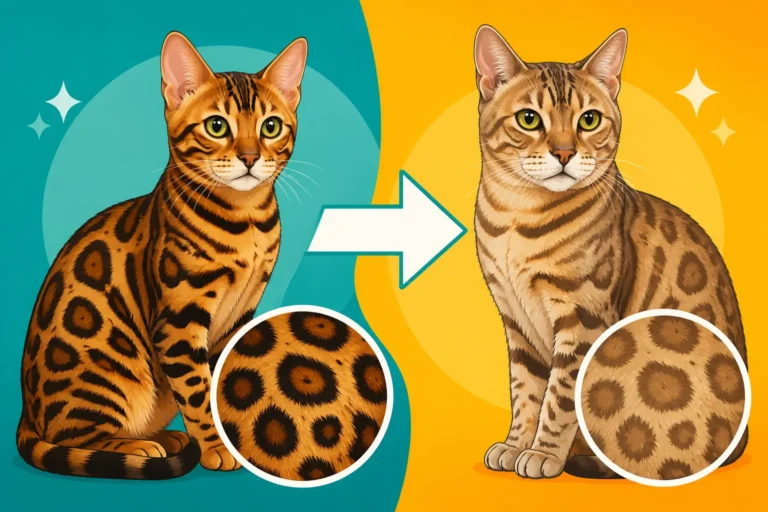
Aging Bengal cats experience natural coat pattern softening due to biology, genetics, and environmental exposure over time.
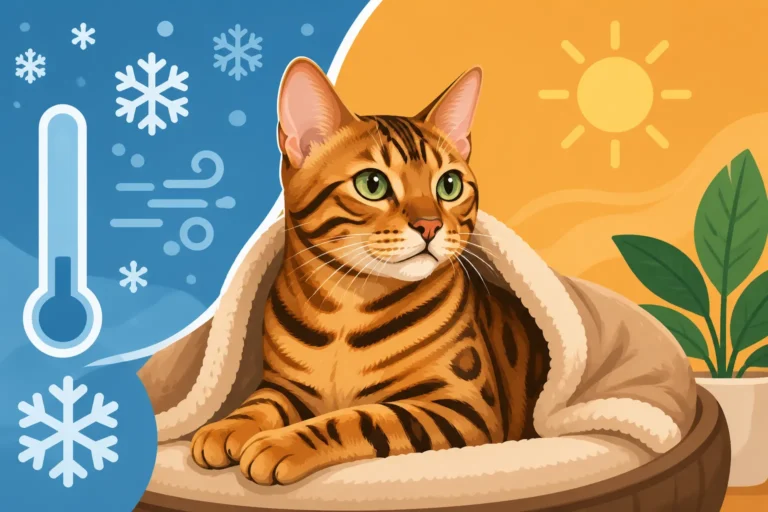
Bengal cats handle cold weather poorly because their pelted coats lack a dense undercoat inherited from Asian Leopard Cats.
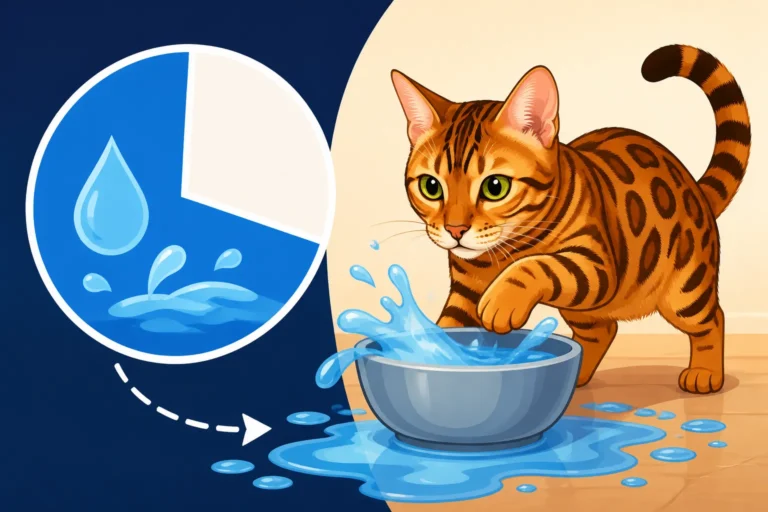
Bengal cat water splashing stems from Asian Leopard Cat heritage and high intelligence, turning simple bowls into messy puddles.
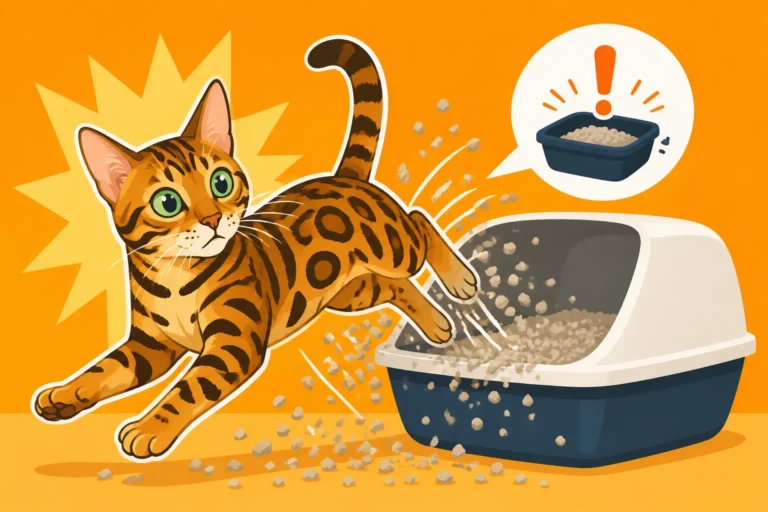
Wild feline instincts and high energy levels explain why Bengal cats scatter litter across rooms during intense digging.
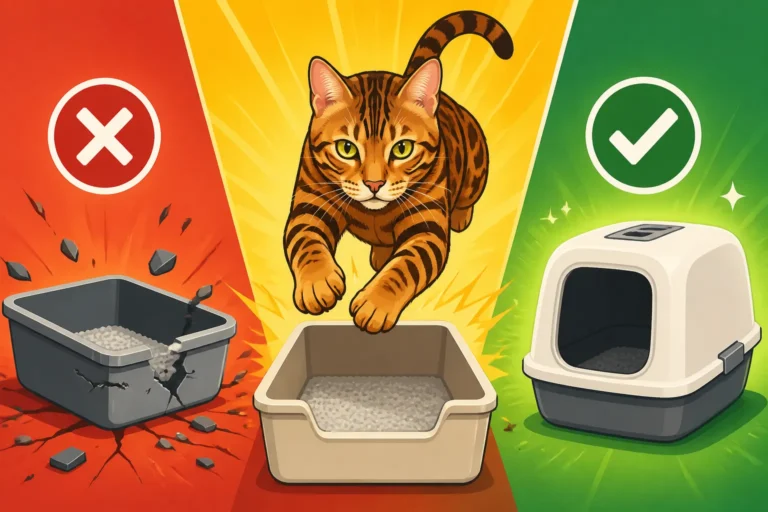
Bengal cat litter box management requires large, clean containers with high walls to handle wild digging habits and strong instincts.
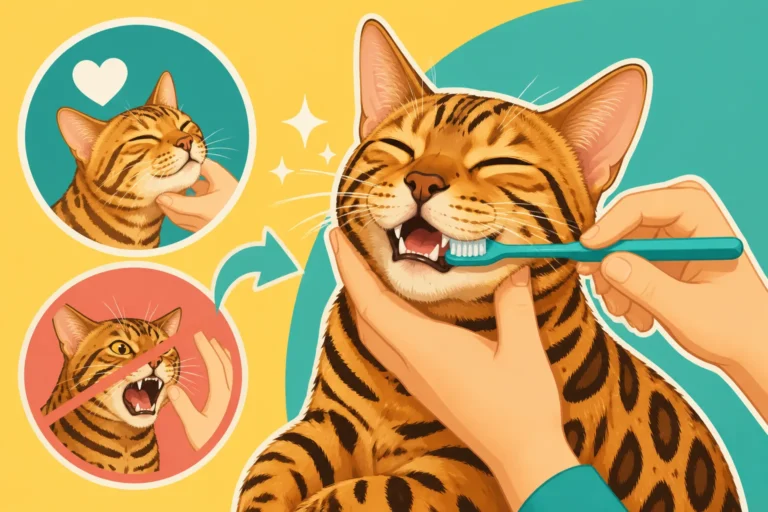
Bengal cat dental hygiene prevents painful periodontal disease and plaque buildup, protecting vital organs and ensuring lifelong health.
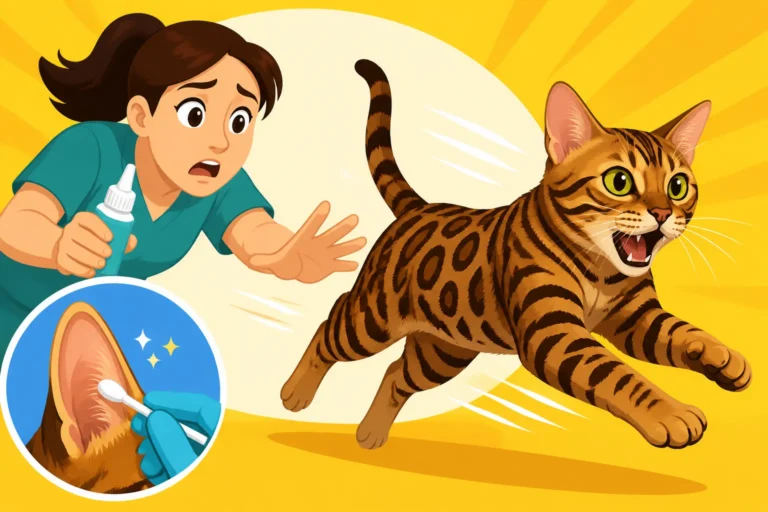
Practical ear cleaning methods for wiggly Bengal cats help maintain ear health without causing stress during routine grooming sessions.
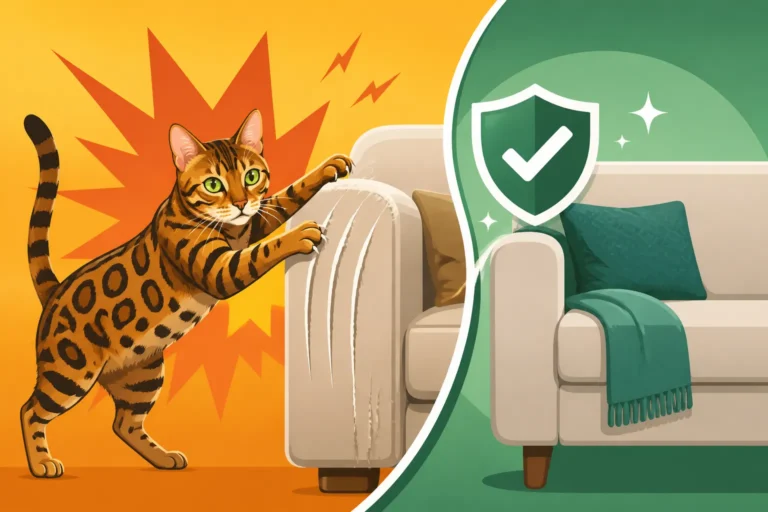
Bengal cat scratching behaviors and instincts explain vertical and horizontal damage, detailing how to protect your sofa.
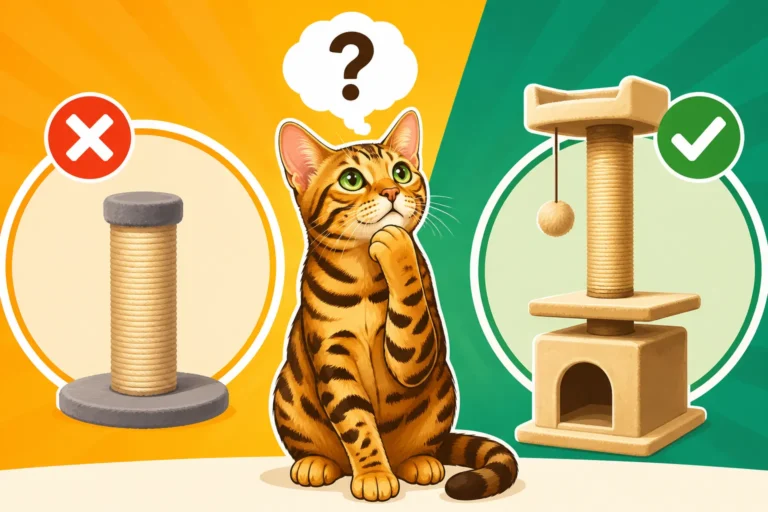
Bengal cats need tall, stable scratching posts for full-body stretches, claw maintenance, and territorial scent marking.
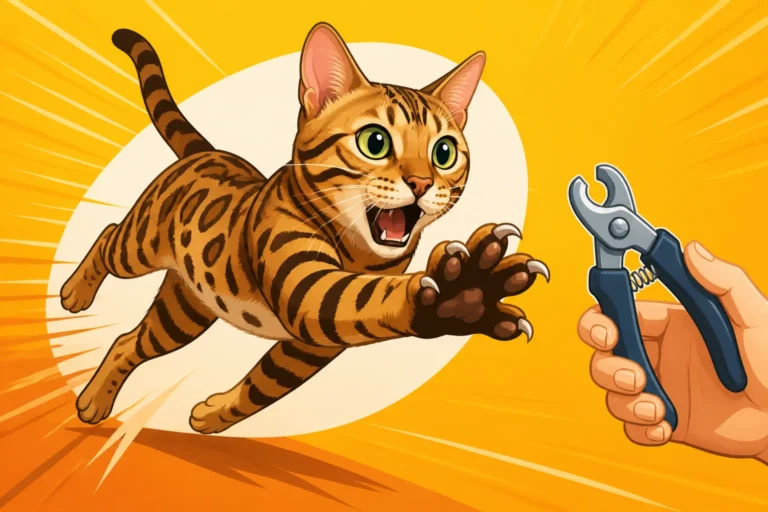
Bengal cat claw growth stems from wild Asian Leopard Cat ancestry and high energy activity levels requiring constant maintenance.