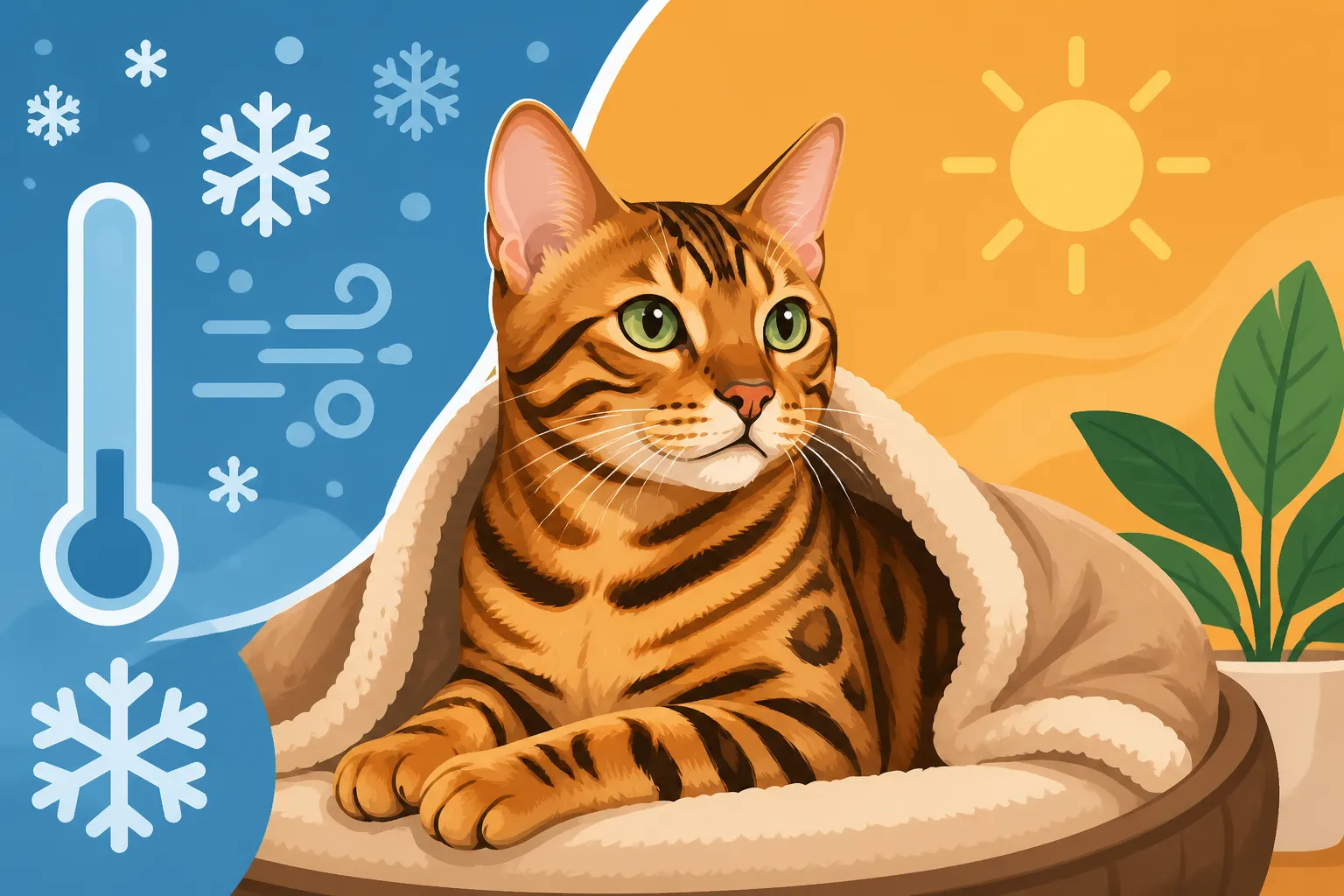
How Well a Bengal Cat Handles Cold
It’s a common worry for us Bengal cat parents, isn't it? You look at that sleek, short coat, that muscular, lean body, and you can’t help but wonder: "Is my beautiful wild-looking companion really cut out for chilly weather?" Many of us have felt that pang of concern, especially as the temperatures drop, fearing our energetic friend might be more sensitive to the cold than a fluffier, more traditionally "cat-like" feline. This guide is here to put your mind at ease and equip you with everything you need to know about how well a Bengal cat handles the cold, and more importantly, how to keep them perfectly snug and healthy when the mercury dips.
Understanding the Bengal Cat's Unique Coat for Cold Weather
When we talk about a Bengal cat and cold, the first thing that often comes to mind is their incredible coat. It’s one of their most striking features, but it's also the primary reason many owners worry about their Bengal's ability to withstand lower temperatures. Let's delve into what makes their coat so special and why it might not be the insulating powerhouse you'd expect from a regular housecat.
The Pelted Coat: Less Fur, More Smoothness
Unlike many domestic cats that boast thick, plush fur designed for warmth, a Bengal cat's coat is often described as a "pelt." If you've ever had the pleasure of stroking a Bengal, you know exactly what I mean – it feels incredibly soft, almost like silk or velvet, with a distinct smooth, sleek texture that lies close to their body. This isn't just a fancy way of saying "short hair"; it's indicative of a genetic difference that stems from their wild ancestry. Why a Bengal Cat's Coat Feels Like Nothing Else goes into more detail about this fascinating characteristic.
This pelted quality means the individual hairs are typically shorter and finer than those of a standard domestic shorthair. While this contributes to their luxurious feel and stunning appearance, it also means there's less material to trap insulating air close to their skin. Imagine wrapping yourself in a lightweight silk scarf versus a thick wool blanket; the silk might feel lovely, but it won't keep you as warm. Your Bengal's coat, while beautiful, functions more like that silk scarf than a winter-ready garment.
Lack of a Dense Undercoat and Its Implications
Here's another crucial factor: most Bengal cats, especially the later generations, typically lack the dense, woolly undercoat that many domestic cats rely on for insulation. Think of a Siberian or a Maine Coon, or even just a regular tabby – they often have a thick layer of soft, downy hair beneath their coarser outer guard hairs. This undercoat acts like a built-in thermal layer, trapping air and providing a barrier against cold temperatures. Why a Bengal Cat Has Almost No Undercoat fully explains this unique feature.
Without this significant undercoat, a Bengal cat has far less natural insulation. This is a direct inheritance from their wild ancestors, the Asian Leopard Cats, who hail from climates that, while sometimes cold, aren't typically as harsh as the northern regions where many domestic cats thrive. For a Bengal, this means that while they might feel comfortable indoors in a sweater-weather home, an unexpected draft or a prolonged period in a truly cold environment can quickly lead to discomfort and even hypothermia.
The Role of the Asian Leopard Cat Ancestry
The genetic blueprint for the Bengal cat's unique coat, and indeed much of their physiology, traces back to their wild ancestor, the Asian Leopard Cat (ALC). These small wild felines are native to a wide range of habitats across Asia, from tropical rainforests to temperate forests, but generally, their coats are adapted for stealth and camouflage rather than extreme cold. Why a Bengal Cat's Coat Came From the Asian Leopard Cat explains how these traits were passed down.
While ALCs can be found in areas that experience winter, they are adept at finding shelter and avoiding prolonged exposure. Their sleek coats, while providing protection from rain and some chilling, aren't designed for sustained periods in freezing temperatures or deep snow. This ancestral trait is why your modern Bengal retains a coat that offers less thermal protection compared to a cat whose lineage evolved in colder climates. It’s simply not what they were bred for, genetically speaking, even if generations of domestication have made them wonderful house companions.
Behavioral Adaptations to Cold: What You'll See
Even though their coats aren't built for extreme cold, Bengal cats are still cats, and they possess many instinctive behaviors that help them cope with temperature changes. As an owner, observing these behaviors is your first line of defense in understanding if your Bengal is feeling the chill. They might not be able to tell you in words, but their actions will speak volumes.
Seeking Warmth and Snuggling Behaviors
One of the most immediate and noticeable signs that your Bengal cat is feeling cold is an increased tendency to seek out warmth. You might find them nestled in the sunniest spot in the house, even if it’s just a narrow beam of light on the floor. They’ll gravitate towards heat sources – curling up near radiators, fireplaces (at a safe distance, of course!), or even on top of electronic devices that generate a little warmth. This isn't just about comfort; it's a survival instinct.
Beyond inanimate heat sources, many Bengals become incredibly snuggly when they're cold. This might manifest as them burrowing under blankets, trying to get under your clothes, or demanding extra cuddle time on your lap. They're using your body heat, and the warmth provided by soft bedding, to regulate their own temperature. If your usually independent Bengal is suddenly glued to your side, especially in cooler weather, it's a pretty strong indicator they're feeling a bit nippy. This is a perfect opportunity to offer them a warm bed (When a Bengal Cat Needs a Warm Bed).
Changes in Activity Levels in Colder Environments
Bengal cats are renowned for their boundless energy. They are The Bengal Cat Is the Most Active Cat You Can Own, often described as perpetual motion machines, constantly running, jumping, and exploring. However, when faced with sustained cold, you might notice a subtle, or not-so-subtle, dip in their usual frantic pace. This isn't laziness; it's a natural physiological response. Their bodies instinctively try to conserve energy that would otherwise be used to generate heat.
If your Bengal is usually tearing through the house, chasing toys, and scaling cat trees, but suddenly seems less interested in play and more inclined to nap, especially in a warm spot, it could be a sign they're battling the cold. While they won't necessarily become completely lethargic unless they are dangerously cold, a noticeable shift from their typical high-octane behavior to a more subdued state warrants checking the ambient temperature and providing additional warmth. This conserving of energy is crucial for them to maintain their core body temperature.
The Bengal Cat's Instinctive Avoidance of Prolonged Cold
Just like their wild ancestors, Bengal cats possess an innate understanding that prolonged exposure to cold is detrimental. They aren't likely to linger outdoors in freezing temperatures unless they are trapped or severely disoriented. If your Bengal has outdoor access (which many owners carefully manage, or provide through safe spaces like catios), you'll likely observe them making very quick excursions during colder weather, if at all. Whether a Bengal Cat Can Live Outdoors is a topic many struggle with in all weather conditions, not just cold.
Indoors, this avoidance behavior might mean they steer clear of drafty windows or cold tile floors, opting instead for carpeted areas, soft beds, or elevated perches. They know where the cold spots are and will instinctively try to stay away from them. This intelligent self-preservation instinct is a good thing, but it also highlights their vulnerability. It tells us that while they might tolerate a brief chill, they are not equipped for extended periods in genuinely cold conditions without external help.
Practical Steps for Keeping Your Bengal Cat Warm
Knowing that your Bengal might not be a natural polar explorer doesn't mean you have to bundle them in tiny sweaters every time the thermometer drops. There are plenty of practical, sensible steps you can take to ensure your Bengal remains comfortable, healthy, and happy throughout the colder months. It’s all about creating an environment that caters to their unique needs.
Indoor Environmental Control: Thermostats and Cozy Spots
Maintaining a consistent and comfortable indoor temperature is paramount for a Bengal cat. While you might be tempted to save on heating costs, remember your sleek companion lacks the natural insulation of many other breeds. Aim to keep your home's thermostat set to a temperature that's comfortable for you in light clothing – typically somewhere in the range of 68-75°F (20-24°C). Fluctuations, especially drops in temperature overnight, can be particularly uncomfortable for them.
Beyond the overall ambient temperature, identifying and eliminating drafts is crucial. Check windows and doors for cold air seeping in and consider draft stoppers. Furthermore, create specific "warm zones" within your home. These could be sunny window sills, high shelves near warm air vents, or even just quiet corners with extra bedding. Bengals love to survey their domain from elevated positions, so making these spots cozy means they can stay warm while indulging their natural instincts.
Providing Warm Beds and Blankets
This might seem obvious, but the type and placement of your Bengal's bedding can make a huge difference. Forget thin mats on cold floors. Invest in soft, plush beds, ideally with raised sides that allow them to curl up and retain body heat. Self-warming beds, which often use reflective materials to bounce your cat's own body heat back to them, can be a fantastic option without needing electricity. You can find excellent choices on Amazon or specialized pet retailers.
Don't underestimate the power of a simple blanket, either. Many Bengals adore burrowing, so providing a few soft fleece or faux-fur blankets in their favorite sleeping spots or even in a basket gives them the option to create their own warm den. Observe where your Bengal likes to nap – if it's always on your softest throws, it's a clear signal they appreciate the extra warmth. Multiple warm spots throughout the house ensure they can always find comfort, no matter which room they choose for their next catnap.
Nutrition and Hydration for Cold Weather
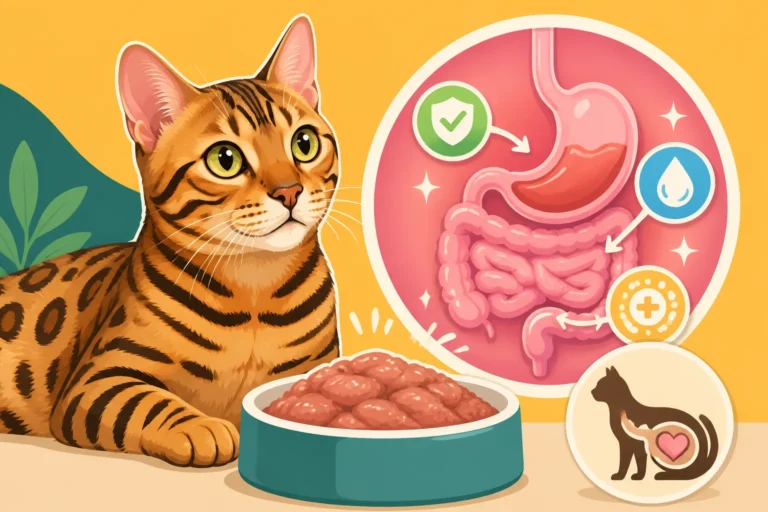
An active cat like a Bengal burns a lot of calories just existing, and in colder weather, their body might need even more energy to maintain core temperature. This means paying extra attention to their diet. Ensure they are receiving high-quality, protein-rich food that provides ample energy. How Much a Bengal Cat Eats to Fuel That Activity discusses their caloric needs, which can be even higher in winter.
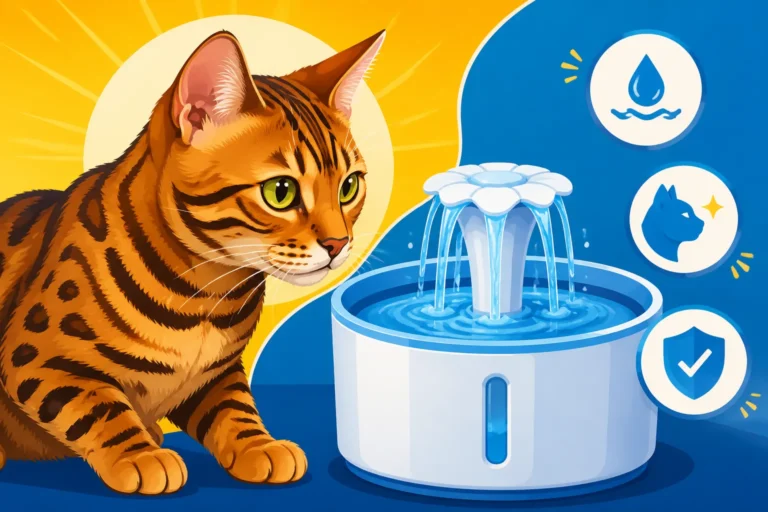
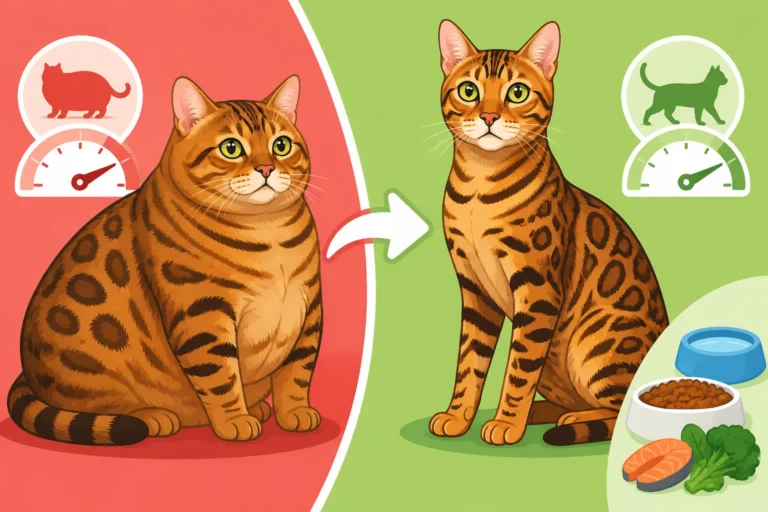
Some owners consider slightly increasing their food portions during the coldest months, but always consult your vet to avoid overfeeding and unhealthy weight gain. High-quality wet food is often recommended as it provides essential moisture, contributing to overall health and helping with their metabolism. Many premium cat foods, including high-protein and fresh food options, might be beneficial. Just as important as food is hydration. Ensure fresh water is always available, and consider a cat fountain to encourage drinking, as proper hydration is vital for all bodily functions, including temperature regulation. How Much Water a Bengal Cat Drinks a Day is important year-round.
Safe Outdoor Access in Cooler Climates
For those Bengal owners who provide supervised outdoor access or have a catio, cooler weather presents a new set of considerations. While your Bengal might still enjoy a short supervised romp in crisp autumn air, anything approaching freezing temperatures or significant wind chill is generally too much for their thin coats. Even a well-constructed catio, which offers safety, doesn't necessarily offer sufficient warmth for extended periods in cold weather.
If you live in a climate with truly cold winters, consider limiting outdoor access during the coldest months to brief, supervised outings on warmer days, or closing off the catio entirely until spring. If your catio is an essential part of their enrichment, you might need to invest in enclosed, insulated shelters within the catio, or even temporary heaters (with extreme caution and safety measures in place) for truly mild, quick visits. The goal is to provide mental and physical stimulation without compromising their health or comfort due to the cold.
Recognizing Signs of Cold Stress in Your Bengal
Bengal cats are incredibly resilient, but they are not immune to the effects of cold. Being able to recognize the signs that your cat is too cold, or even experiencing hypothermia, is critical for their well-being. Early detection means you can intervene quickly and prevent more serious health issues.
Physical Indicators of Being Too Cold
The most obvious physical sign of cold stress is shivering. Just like humans, cats shiver to generate internal heat when they're cold. If you see your Bengal trembling, even subtly, it's a clear signal they need to warm up immediately. Another indicator is their extremities. Gently feel their paw pads, ear tips, and tail. If they feel noticeably colder than their main body, or are icy to the touch, your cat is losing heat.
Their posture can also tell you a lot. A cat that is cold will often curl into a tight ball, tucking their paws and tail close to their body, trying to minimize heat loss. Their fur might also appear "puffed up" as they try to trap air for insulation – though with a Bengal's sleek coat, this might be less pronounced than in a fluffier breed. If their gums or paw pads appear pale or bluish, this is a very serious sign of hypothermia and requires immediate veterinary attention.
Behavioral Changes That Signal Discomfort
Beyond physical signs, observe changes in their typical behavior. A Bengal cat that is feeling too cold might become withdrawn or lethargic, as mentioned earlier, conserving energy rather than expending it in play. They might seek out isolated, confined spaces to try and keep warm, sometimes even hiding if they are severely uncomfortable. This is a contrast to their usual bold and interactive nature.
You might also notice them trying to burrow aggressively under blankets or demanding to be held more persistently than usual. They might vocalize more, with plaintive meows or chirps, expressing their discomfort. While Bengals are typically very vocal, an unusual tone or frequency, especially when combined with other signs, should prompt you to assess their environment. A cat that is clearly unsettled and unable to get warm on their own is in distress.
When to Seek Veterinary Advice
If you suspect your Bengal cat is severely cold or showing signs of hypothermia, do not hesitate to contact your veterinarian immediately. Symptoms like prolonged shivering, extreme lethargy, unresponsive behavior, pale or bluish gums, shallow breathing, or a very low body temperature (which you can check with a rectal thermometer if you know how, but be careful) are emergencies. Wrapping them in warm blankets and trying to warm them gently is a good first step, but professional medical attention may be necessary to prevent organ damage.
It's always better to err on the side of caution. Even if your Bengal just seems "off" and you can't quite pinpoint why, but the weather is cold, a quick call to your vet can provide peace of mind or crucial early intervention. For older Bengals, or those with underlying health conditions, cold stress can be more dangerous. Caring for a Bengal Cat Past Ten emphasizes the increased vulnerabilities of senior cats, and their ability to regulate body temperature can decline. What a Bengal Cat's Yearly Bloodwork Should Cover can sometimes reveal conditions that make them more susceptible to cold.
Comparing Bengal Cats to Other Breeds in Cold Tolerance
Understanding how Bengal cats handle cold is often clearer when we compare them to other feline companions. Their unique ancestry and physical traits place them in a distinct category when it comes to battling the chill.
Comparing to Domestic Shorthairs and Longhairs
Most standard domestic shorthair cats, despite their average appearance, often possess a more robust undercoat than a Bengal. This provides them with a better baseline for insulation against cold. Domestic longhairs, with their luxuriant double coats, are typically the best equipped to handle significant drops in temperature, often thriving in cooler climates where a Bengal would shiver.
| Feature | Bengal Cat | Domestic Shorthair (Average) | Domestic Longhair (e.g., Maine Coon) |
|---|---|---|---|
| Coat Texture | Sleek, pelt-like, soft | Variable, often plush or coarse | Long, thick, flowing |
| Undercoat | Minimal to non-existent | Present, provides insulation | Dense, abundant, highly insulating |
| Insulation Level | Low | Moderate | High |
| Cold Tolerance | Poor to moderate | Moderate to good | Excellent |
| Ancestry | Asian Leopard Cat hybrid | Diverse, localized adaptation | Breeds from cold climates |
| Heat Seeking | Pronounced | Moderate | Less pronounced, can tolerate cooler temps |
This table clearly illustrates the physiological differences. While a domestic shorthair might still appreciate a warm bed, they generally have a wider comfort range in cooler temperatures than a Bengal. A longhair, on the other hand, might even prefer cooler rooms, especially if their fur is particularly thick. Your Bengal's need for warmth is not just a preference; it's often a biological imperative due to their specialized coat structure.
Comparing to Other Hybrid Breeds
When looking at other hybrid breeds, the comparison becomes more nuanced. For example, a Savannah cat, which is a hybrid of a domestic cat and a Serval, also typically has a short, sleek coat. However, Servals originate from Africa, a predominantly warm continent, making Savannahs generally even less tolerant of cold than Bengals. The underlying principle remains: the genetic lineage from a wild ancestor adapted to warmer climates translates into less natural protection against cold.
Conversely, a Chausie, a hybrid of a domestic cat and a Jungle Cat, might have a slightly better cold tolerance than a Bengal, as Jungle Cats originate from areas that can experience more seasonal temperature variations. The key takeaway is that for any hybrid breed, understanding the native climate and physical adaptations of their wild ancestor is crucial for predicting their tolerance to cold. It’s not just about the "wild look," but the underlying genetics that dictate their practical needs.
Considerations for Older or Health-Compromised Bengals
As Bengal cats age, their ability to regulate their body temperature can diminish. Just like older humans, senior cats may have a harder time staying warm due to a slower metabolism, reduced muscle mass, and potentially less active thyroid function. The Age a Bengal Cat Is Considered Senior marks a point where these physiological changes become more common. An aging Bengal, even one that was hardy in their youth, will need extra care and consideration when it comes to cold weather. Why an Old Bengal Cat Loses Muscle First further compounds this issue, as muscle helps generate heat.
Furthermore, Bengals with chronic health conditions, such as heart disease, kidney disease, or even severe arthritis, may be more susceptible to cold stress. Their bodies are already working harder to manage their ailments, leaving fewer resources for temperature regulation. Always discuss cold weather precautions with your vet if your Bengal has any ongoing health issues. They might recommend specific dietary changes, supplements, or even suggest monitoring strategies to ensure your beloved companion stays warm and healthy through the chillier seasons. This added vulnerability means we must be extra vigilant in providing them with a consistently warm and draft-free environment.
Disclaimer
This article is for general informational purposes only and does not constitute professional advice. Laws, prices and regulations vary by location and change over time. Consult a qualified professional for guidance on your specific situation.