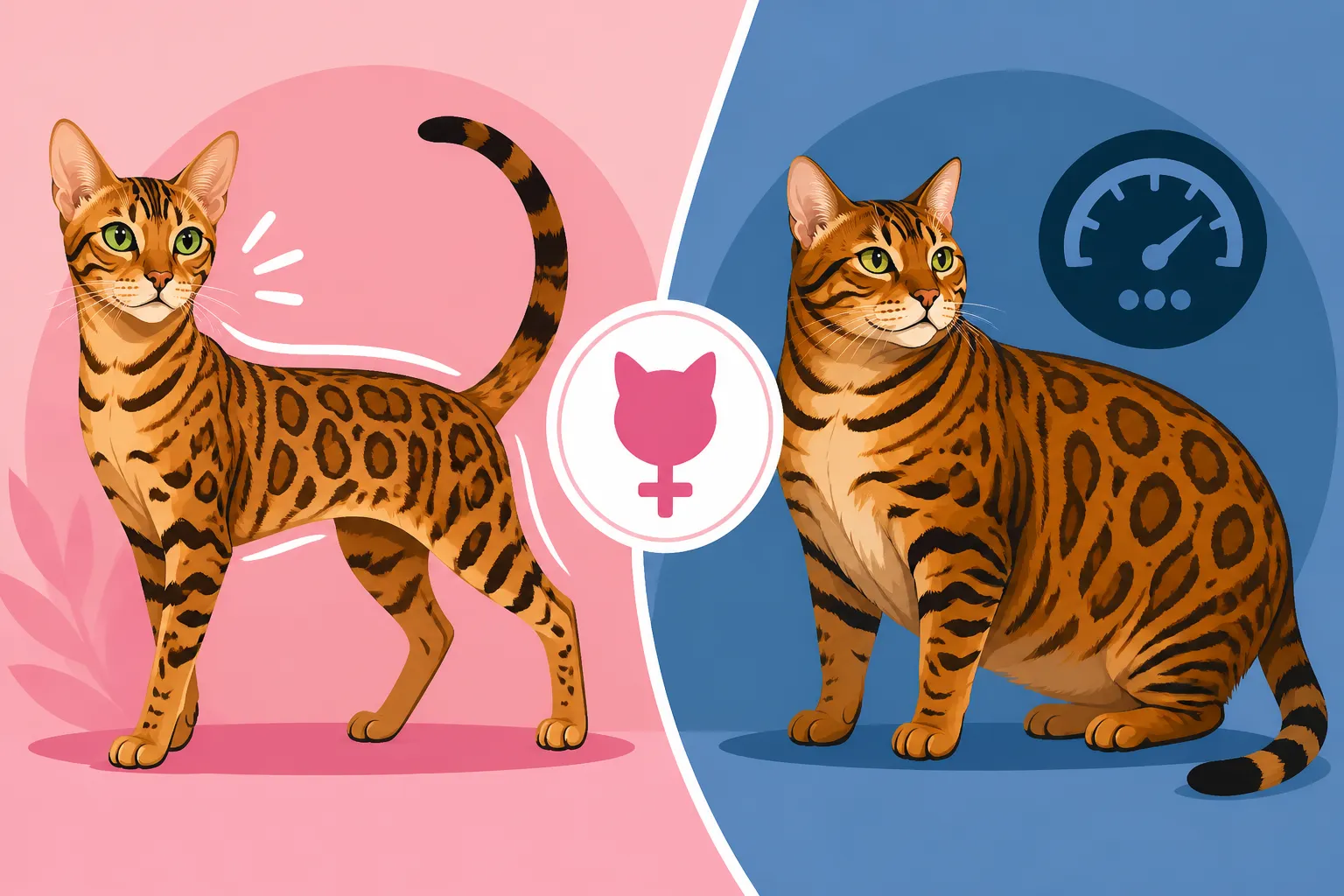
Why a Female Bengal Cat Stays Leaner
It's a common observation that female Bengal cats often carry a naturally slender, almost willowy elegance, appearing noticeably leaner than their male counterparts or even many other domestic cat breeds. While all Bengals are celebrated for their athletic prowess and toned physique, there's something distinct about the females that catches the eye. This guide will delve into the fascinating reasons behind why a female Bengal cat tends to maintain such a lean profile, exploring everything from their genetics and hormones to their unique metabolism and activity levels.
The Bengal Cat's Athletic Build
When you first lay eyes on a Bengal cat, regardless of sex, their wild ancestry is immediately apparent in their striking appearance and incredibly athletic build. They are a far cry from your average lounging housecat, and this inherent physicality plays a huge role in their overall lean presentation.
A Legacy of Lean Muscularity
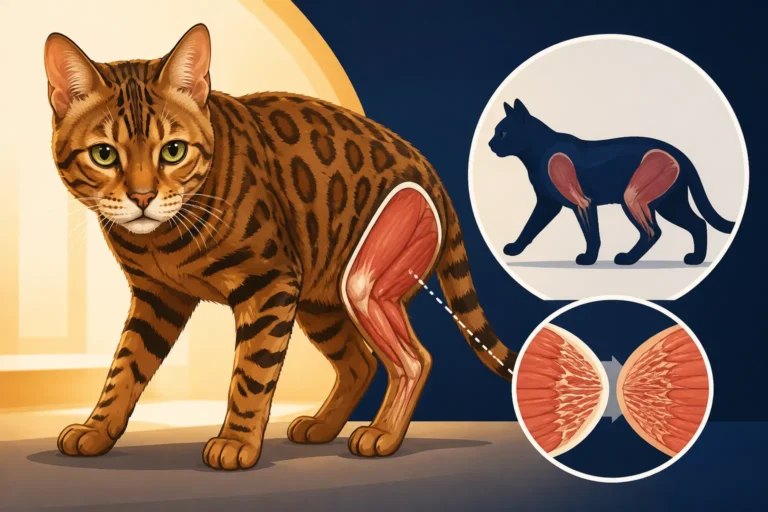
Every Bengal cat carries the genes of the Asian Leopard Cat, a small wild feline known for its powerful, agile, and incredibly lean body. This genetic inheritance means that Bengals are built for speed, agility, and climbing, rather than for storing excess fat. Their bodies are dense with muscle, giving them a sleek, toned look even at a healthy weight. This isn't just about being thin; it's about being robustly muscular. They have a naturally low body fat percentage, which is a hallmark of their breed standard. Even a well-fed Bengal will typically showcase this lean physique, a testament to their heritage. This inherent muscularity is why you'll often see them effortlessly scaling furniture or performing impressive aerial feats, all while maintaining that svelte silhouette. It's a key part of What a Muscular Bengal Cat Should Weigh.
High Metabolism and Energy Output
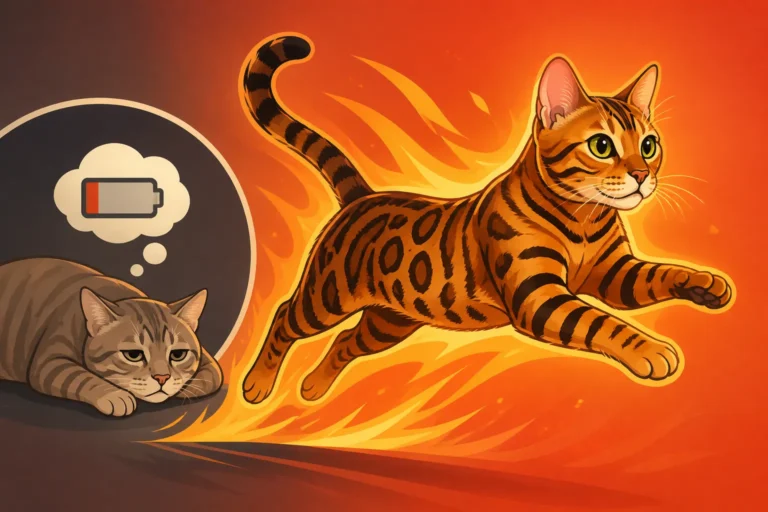
One of the most defining characteristics of the Bengal cat, both male and female, is their boundless energy. These cats are perpetual motion machines, constantly exploring, playing, and interacting with their environment. This ceaseless activity translates directly into a very high metabolism. Think of it this way: a Bengal cat is like a finely tuned sports car, burning fuel (calories) at a much higher rate than a standard sedan. They spend hours jumping, climbing, running, and engaging in intense play sessions. This constant expenditure of energy makes it inherently difficult for them to pack on extra pounds. Even during apparent downtime, a Bengal might be silently stalking a dust bunny or mentally mapping out its next climbing route. This active lifestyle is why understanding How Many Calories a Cat as Active as a Bengal Burns is so crucial for their owners, as their caloric needs are often higher than you might expect for their size. This incredible energy output contributes significantly to the overall lean build seen in the breed, and particularly shines through in the females.
Hormonal Influences on Body Composition
Beyond the general breed characteristics, specific hormonal differences between male and female cats play a significant role in shaping their individual physiques. These biological distinctions help explain why female Bengal cats often maintain an even leaner appearance.
Estrogen's Role in Female Physique
Estrogen, the primary female sex hormone, plays a complex role in metabolism and fat distribution. In many animal species, including cats, estrogen tends to favor a leaner body composition and can influence where fat is stored. While testosterone in males often promotes bulkier muscle mass and sometimes a thicker frame, estrogen can contribute to a more svelte, agile build. It's not about being weaker, but about a different kind of strength—one focused on flexibility and quickness rather than sheer power. This hormonal influence subtly guides the development of a female Bengal's body, encouraging a lower fat-to-muscle ratio and a naturally more refined skeletal structure. This contributes to that graceful, elongated look that many female Bengals possess, setting them apart even from their equally active male siblings.
Spaying and its Impact on Leanness
It’s a common worry among cat owners that spaying their female cat will inevitably lead to weight gain. While it's true that removing the ovaries (and thus the primary source of estrogen) can lead to a slight decrease in metabolic rate and an increase in appetite for some cats, the Bengal's inherent genetics and high activity levels often mitigate this effect. A spayed female Bengal might potentially be more prone to weight gain than an intact one if her diet isn't managed carefully, but her fundamental drive for activity and her naturally revved-up metabolism provide a strong buffer.
The key is to remain vigilant with portion control and to continue providing ample opportunities for exercise and enrichment. A spayed Bengal who still engages in active play, runs on a cat wheel, and explores her environment vigorously is far less likely to become overweight than a sedentary domestic cat. In fact, many spayed female Bengals maintain their lean figures well into their senior years, provided their owners support their active lifestyle. Owners should still monitor their cat's weight regularly and adjust food intake as needed. You can find excellent food options for all life stages, including those for spayed cats.
Behavioral Differences and Activity Levels
While both male and female Bengals are incredibly active, there can be subtle behavioral distinctions that contribute to the female's often leaner profile. These aren't hard and fast rules, as every cat is an individual, but they represent general tendencies observed in the breed.
The Female's Prowess: Agility and Exploration
Female Bengals often display a pronounced emphasis on agility, precision, and relentless exploration. While males are certainly active, females sometimes seem to possess an almost obsessive drive to investigate every nook and cranny, scale the highest points, and engage in intricate hunting games. They might be the ones spending more time on the top shelves of your cat tree, demonstrating incredible balance and grace. This constant, high-level engagement with their environment, often involving more intricate movements and acrobatics, burns a significant number of calories. They are natural climbers and jumpers, often seeming to defy gravity with their lithe bodies. This isn't just playing; it's a fundamental expression of their wild instincts, constantly honing their physical capabilities. If you've ever watched a female Bengal navigate a complex obstacle course of furniture or track a rogue fly with laser focus, you'll understand how this continuous, demanding physical activity contributes to her enduring lean physique. Providing adequate vertical space and interactive toys is essential to satisfy this drive, which in turn helps maintain their weight.
Competition and Resource Management
In multi-cat households, or even as single pets, female Bengals can exhibit different behaviors around food and resources compared to males. While male cats, especially if unfixed or dominant, might be more prone to gorging or guarding food, females can sometimes be more measured in their eating habits. They might take smaller, more frequent meals, or be less likely to overeat out of a desire for dominance.
Furthermore, their independent and often highly intelligent nature means they might be more inclined to seek out "earned" food through puzzle feeders or engage in complex hunting games for treats, rather than simply cleaning out a bowl. This mental and physical effort involved in acquiring food further contributes to their calorie expenditure. Ensuring they have a variety of challenging toys and enrichment can leverage this natural inclination. Brands on Amazon offer a wide array of puzzle feeders that can turn mealtime into an engaging, calorie-burning activity for your female Bengal. This strategic approach to food, combined with their inherent drive, reinforces their lean body type.
Nutritional Considerations for Maintaining a Healthy Weight
Even with their genetic predisposition for leanness and high activity levels, nutrition plays a paramount role in maintaining a female Bengal cat's ideal weight and health. Providing the right fuel is critical to supporting their muscular physique without leading to unwanted fat accumulation.
Tailored Diets for Active Females
Given their high metabolism and muscular build, female Bengal cats thrive on a diet that is rich in high-quality animal protein. This protein is essential for maintaining and repairing their dense muscle tissue, supporting their energy levels, and keeping them feeling full and satisfied. Look for foods where animal protein sources (like chicken, turkey, or fish) are the very first ingredients. Avoid foods high in unnecessary fillers like corn, wheat, or soy, which can contribute to caloric excess without providing the essential nutrients a Bengal needs. Many Bengal owners find success with wet food diets, as they offer higher moisture content and often a better protein-to-carb ratio than dry kibble, which is beneficial for hydration and kidney health, and can help prevent overeating.
While raw diets are a topic of much debate among Bengal breeders and owners, the core principle of a high-protein, low-carb diet remains consistent across most recommendations. The precise protein percentage can vary slightly depending on the cat's age and activity level, but generally, something around 35-45% crude protein is a good starting point. This kind of diet provides the necessary building blocks for their athletic bodies. Why a Bengal Cat Needs High Protein Food is a great resource if you want to dive deeper into this topic.
Portion Control and Regular Exercise
Despite their lean tendencies, no cat is immune to weight gain if consistently overfed, especially after spaying when metabolism might slightly dip. Strict portion control is therefore essential. Don't free-feed your Bengal; instead, measure out their daily food allowance and divide it into two or three meals. This helps regulate their intake and matches their natural hunting pattern of smaller, more frequent meals. Always follow the guidelines on the food packaging as a starting point, but adjust based on your individual cat's activity level, age, and actual body condition score.
Complementing a proper diet with regular, vigorous exercise is the other half of the equation. This means dedicated play sessions with wand toys that mimic prey, encouraging climbing on tall cat trees, and making full use of cat wheels if you have one. Providing opportunities for your Bengal to engage in their natural behaviors—hunting, climbing, and running—is not just about preventing weight gain; it's about enriching their lives. For more on this, check out How Much Exercise a Bengal Cat Needs a Day. By diligently managing both their diet and activity, you can ensure your female Bengal cat maintains her beautiful, naturally lean and athletic physique throughout her life.
| Feature | Male Bengal Cat (Typical) | Female Bengal Cat (Typical) |
|---|---|---|
| Overall Build | Generally larger, more robust | Smaller, more delicate, often more lithe |
| Muscle Mass | Heavier muscling, broader shoulders | Leaner muscle definition, more agile |
| Weight | Tends to be heavier (e.g., 10-15 lbs) | Tends to be lighter (e.g., 7-10 lbs) |
| Energy Level | Very high, powerful bursts of activity | Very high, sustained agility, endless curiosity |
| Fat Distribution | Can carry slightly more overall body mass | Typically lower body fat percentage |
| Appearance | Often described as "stocky" or "powerful" | Often described as "elegant" or "graceful" |
Disclaimer
This article is for general informational purposes only and does not constitute professional advice. Laws, prices and regulations vary by location and change over time. Consult a qualified professional for guidance on your specific situation.