Which Protein Percentage Suits a Bengal Cat
It's incredibly common for Bengal cat owners to feel a bit lost when it comes to nutrition, especially when you consider their wild ancestry and boundless energy. We're often told they need "high protein," but what does that actually mean, and how do you ensure your beautiful, active companion is getting exactly what they need? This guide will dive deep into the specific protein percentages that suit a Bengal cat, helping you decode food labels and make informed decisions for their health and vitality.
Why Your Bengal Cat's Ancestry Dictates Their Dietary Needs
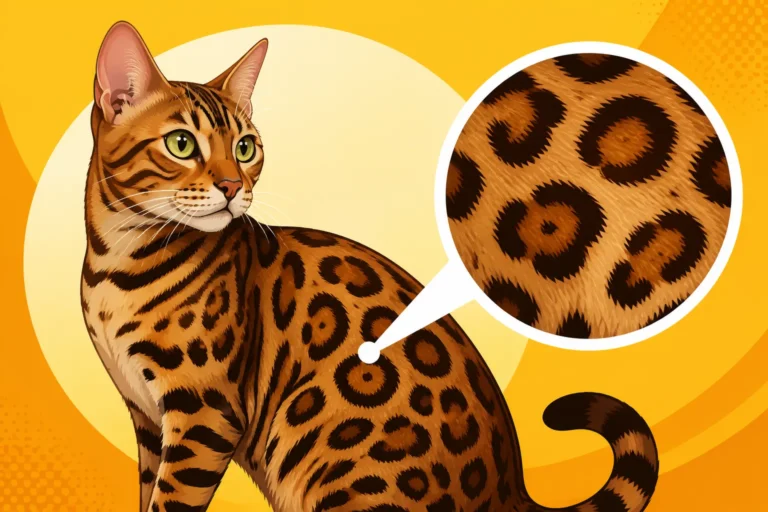
The striking appearance and boundless energy of your Bengal aren't just for show; they're direct links to their wild ancestor, the Asian Leopard Cat (ALC). This isn't just a fun fact; it's crucial for understanding their nutritional requirements. Unlike many domestic breeds that have been far removed from their predatory roots over centuries, Bengals, especially those in the earlier generations, still carry a significant amount of their wild lineage. This means their digestive systems are optimally designed for a diet that reflects what an ALC would naturally eat.
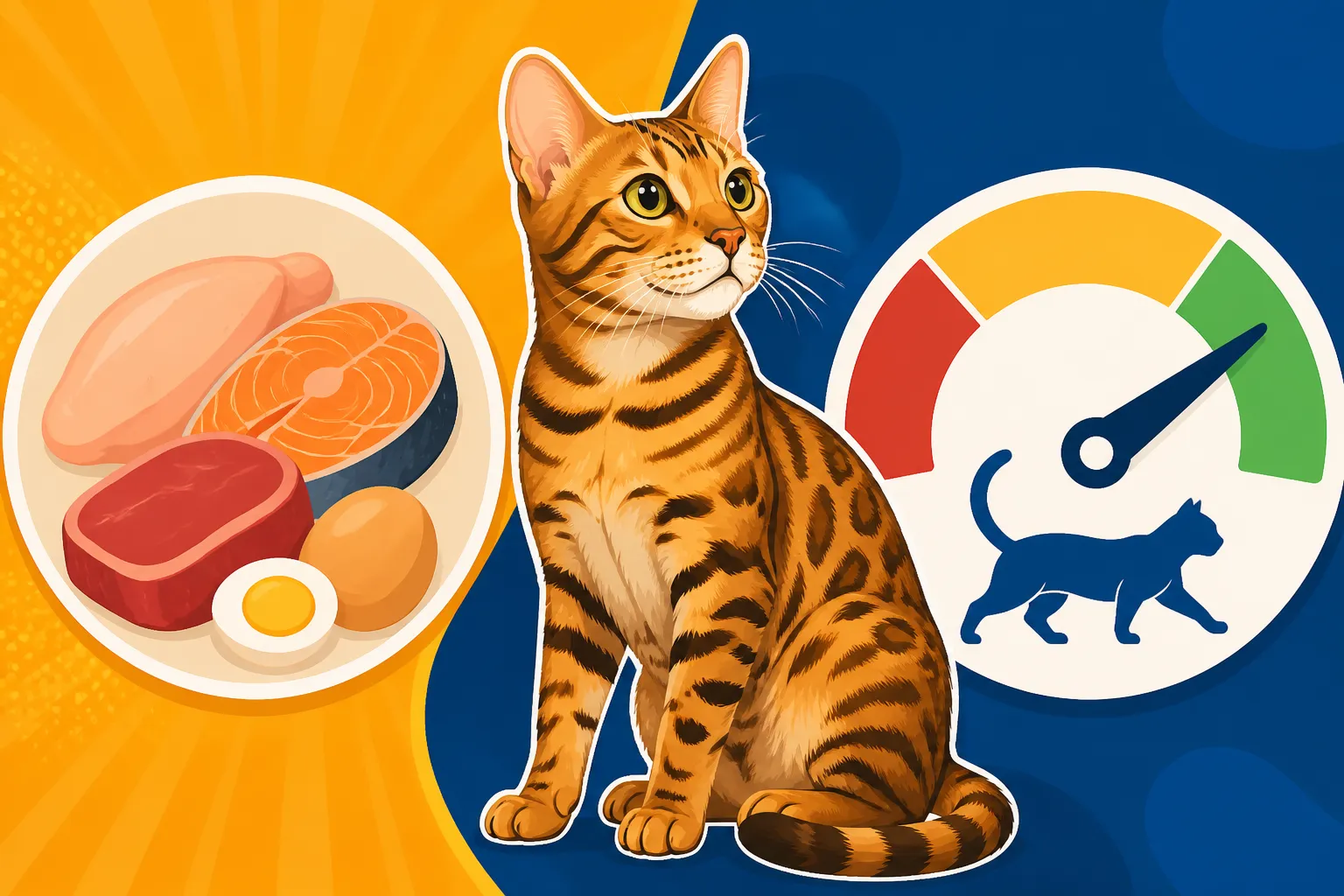
Imagine an Asian Leopard Cat in its natural habitat – what's on the menu? Small mammals, birds, insects, and reptiles. All of these are rich in animal-based protein and fats, with very minimal carbohydrates. They're obligate carnivores, meaning they must eat meat to thrive. Their bodies are not designed to efficiently process large amounts of plant matter or complex carbohydrates. For us as owners, this translates directly to the need for a diet high in animal protein for our Bengals. It's not just about energy; it's about providing the essential amino acids they can only get from meat, which are vital for everything from muscle maintenance to immune function. Understanding this fundamental biological truth is the first step in ensuring your Bengal cat gets the nutrition they deserve. For more on their heritage, you might want to read What an Asian Leopard Cat Is Behind Every Bengal Cat.
The Obligate Carnivore Reality for Bengals
Our domestic cats are obligate carnivores, full stop. But with a Bengal, this truth is often amplified due to their recent wild roots. This isn't some quirky preference; it's a physiological imperative. Their bodies require specific nutrients found almost exclusively in animal tissue. For instance, taurine, an essential amino acid, is critical for heart health and vision, and it's abundant in meat but largely absent in plants. Without enough taurine, a Bengal cat can develop serious health issues.
Think about it: your Bengal's impressive musculature and constant movement require fuel. Their powerful jumps, their endless games of chase, their general "zoomies" – all demand high-quality protein to build and repair muscle tissue. Without adequate protein, they can lose muscle mass, become lethargic, and generally not thrive. This is why simply feeding any generic cat food, even if it claims to be "high quality," might not cut it for a Bengal. We're looking for foods that prioritize animal protein, not fillers or excessive plant-based ingredients.
The Impact of Activity Levels on Protein Needs
Anyone who lives with a Bengal cat knows they are not your average couch potato. They are incredibly active, playful, and often seem to have an inexhaustible supply of energy. This isn't just endearing; it has real implications for their dietary needs. A sedentary cat might get by on a lower protein diet, but a Bengal, constantly exploring, climbing, and pouncing, burns through calories and protein at a much higher rate. It's like comparing the dietary needs of a marathon runner to someone who prefers gentle strolls.
Their high metabolic rate and muscular build demand a constant supply of protein for energy and tissue repair. If they don't get enough high-quality protein, their bodies will start breaking down muscle tissue to compensate, leading to a host of problems. This is why fueling them correctly isn't just about preventing hunger; it's about supporting their entire physiological system, from their strong bones to their glossy coat. You'll find that many Bengals need multiple play sessions a day just to burn off some of their energy, which further underscores their caloric and protein requirements. How Much Exercise a Bengal Cat Needs a Day explores this in more detail.
Understanding the Ideal Protein Percentage for Your Bengal
When you look at a bag or can of cat food, you'll see a "Guaranteed Analysis" that lists protein, fat, fiber, and moisture. This is your starting point, but it's crucial to understand how to interpret these numbers, especially when comparing different types of food (dry vs. wet). The percentage listed is typically "as fed," meaning it includes the moisture content. To get an accurate picture of the actual protein content, you need to calculate the "dry matter basis" (DMB).
For a Bengal cat, an ideal protein percentage on a dry matter basis generally falls in the range of 35% to 50% or even higher. This isn't a hard and fast rule, as individual needs can vary, but it's a solid guideline. Within this range, you're ensuring they're getting ample animal-based protein to support their lean muscle mass, high energy levels, and overall health. Anything significantly below 35% DMB for an adult Bengal is often insufficient for their active lifestyle.
Calculating Dry Matter Basis
Calculating dry matter basis might sound complicated, but it's actually quite simple. Here’s how you do it:
- Find the moisture content: This is listed in the guaranteed analysis. Let's say it's 10% for kibble or 78% for wet food.
- Calculate the dry matter percentage: 100% – moisture percentage = dry matter percentage.
- For kibble (10% moisture): 100 – 10 = 90% dry matter
- For wet food (78% moisture): 100 – 78 = 22% dry matter
- Divide the protein percentage by the dry matter percentage, then multiply by 100: This gives you the protein percentage on a dry matter basis.
- For kibble (30% protein, 90% dry matter): (30 / 90) * 100 = 33.3% DMB protein
- For wet food (10% protein, 22% dry matter): (10 / 22) * 100 = 45.4% DMB protein
As you can see from the example, a wet food with a seemingly low "as fed" protein percentage (10%) can actually have a much higher dry matter protein content than a kibble with a higher "as fed" percentage (30%), simply because of the moisture difference. This is why comparing "as fed" percentages directly between wet and dry food can be misleading.
Here’s a quick table to illustrate the concept with common examples:
| Food Type | Crude Protein (As Fed) | Moisture (As Fed) | Dry Matter Percentage | Protein (Dry Matter Basis) |
|---|---|---|---|---|
| Dry Kibble | 30% | 10% | 90% | (30 / 90) * 100 = 33.3% |
| Wet Pate | 10% | 78% | 22% | (10 / 22) * 100 = 45.4% |
| Raw Diet | 16% | 70% | 30% | (16 / 30) * 100 = 53.3% |
This table clearly shows why just looking at the crude protein percentage on the label isn't enough. The wet pate, despite a lower stated protein percentage, actually offers significantly more protein on a dry matter basis than the kibble. This is often why Why Wet Food Suits a Bengal Cat's Gut is such an important topic.
Protein Needs Across Life Stages
Just like humans, a Bengal cat's protein needs can shift throughout their life. A growing kitten, an active adult, and a senior cat all have slightly different requirements, although the general principle of high animal protein remains.
Growing Kittens
Bengal kittens are little bundles of energy, growing at an astonishing rate. They need a substantial amount of protein to support their rapid development, muscle growth, and energetic play. For kittens, you're often looking for even higher percentages, typically 40-55% DMB or more. Kitten-specific foods are formulated with this in mind, often containing higher protein and fat levels. They need a steady supply of nutrients to build that strong, lean body, which is vital for their future health.
Active Adults
For most adult Bengal cats, the 35-50% DMB range we discussed earlier is a good target. However, extremely active individuals, those with a very high metabolism, or those who are regularly leash-walked or run on a cat wheel might benefit from the higher end of that spectrum. Pay attention to your cat's body condition – are they maintaining a healthy weight? Do they seem energetic and strong? Their appearance and behavior are excellent indicators of whether their diet is meeting their needs. What a Muscular Bengal Cat Should Weigh can offer more insights into maintaining ideal body condition.
Senior Bengals
As Bengals age, their activity levels might naturally decrease, and their metabolism can slow down. However, senior cats still need good quality protein. In fact, some studies suggest senior cats may require more protein to prevent muscle wasting (sarcopenia), which can be a common issue as they get older. The key here is digestible protein. While the percentage might remain high (35-45% DMB), the quality becomes even more paramount. Older Bengals also might develop conditions like kidney disease, which can sometimes necessitate a modified protein intake, but this should always be discussed with your veterinarian. Caring for a Bengal Cat Past Ten touches on some of these considerations.
Practical Tips for Feeding Your Bengal Cat
Navigating the pet food aisle can be overwhelming, with countless brands and formulations vying for your attention. For your Bengal, the focus should always be on quality animal protein sources, minimal fillers, and appropriate moisture content. Don't be swayed by clever marketing; become a label detective!
One of the biggest frustrations for Bengal owners is finding food that truly supports their cat's active lifestyle and sometimes sensitive stomach. Many brands claim "high protein" but then list corn, wheat, or soy as primary ingredients. These aren't ideal for an obligate carnivore like a Bengal, and can contribute to digestive upset, a common complaint for this breed. This is where understanding ingredients, not just percentages, becomes crucial.
Reading Food Labels Beyond the Guaranteed Analysis
Beyond the dry matter protein percentage, the ingredient list is your next best friend. Look for animal-based protein sources as the first few ingredients. This means things like "chicken meal," "deboned salmon," "turkey," "beef heart," or "lamb." Phrases like "meat by-products" aren't necessarily bad if they are specifically defined (e.g., "chicken by-product meal" from identifiable sources can be nutritious), but vague terms should raise a red flag.
Avoid foods where plant proteins like corn gluten meal, pea protein, or potato protein are high up on the ingredient list. While cats can derive some amino acids from these, they are not complete sources for an obligate carnivore, and their presence often means less room for the animal protein your Bengal truly needs. Furthermore, for a breed known for Why a Bengal Cat's Gut Is So Sensitive, avoiding excessive grains and fillers can be a game-changer for digestive health.
When shopping online, reputable retailers like Chewy or Amazon offer extensive filtering options that can help you narrow down choices by protein percentage, ingredient type, and brand. This makes it easier to compare and find foods that align with your Bengal's needs without physically sifting through dozens of bags.
Choosing Between Dry, Wet, and Raw Diets
Each type of diet comes with its own set of pros and cons regarding protein delivery.
Dry Kibble
While convenient and often more affordable, many kibbles struggle to meet the ideal protein percentages on a DMB, especially when they include significant amounts of plant-based fillers. If you choose kibble, look for formulas that are explicitly high in animal protein and low in carbohydrates. Remember that even the "best" kibble often has significantly less moisture than wet or raw food, so ensuring your Bengal drinks enough water is paramount. Some owners find that even with a good kibble, their Bengal might still suffer from Chronic Diarrhea Is the Bengal Cat Complaint Nobody Warns About, often due to the lower moisture and higher carbohydrate content.
Wet Food
Wet food is generally an excellent choice for Bengals because of its high moisture content, which is vital for feline kidney and urinary tract health. As shown in our DMB calculation, wet food often delivers a higher protein percentage on a dry matter basis, even with lower "as fed" numbers. When selecting wet food, again, prioritize those with named meat sources as the first ingredients and minimal binders or unnecessary fillers. Many owners have seen a significant improvement in their Bengal's stool consistency and energy levels after switching to a predominantly wet food diet. Some higher-end wet food brands, easily found on Chewy, focus specifically on high animal protein and limited ingredients.
Raw or Fresh Diets
For owners committed to mimicking a wild diet, raw or fresh food diets are often considered. Fresh, human-grade foods can be very high in animal protein and moisture. A properly balanced raw diet can provide excellent protein levels and digestibility, as it's closest to what an Asian Leopard Cat would consume. However, raw feeding requires careful research and preparation to ensure it's nutritionally complete and safe from pathogens. It's not a decision to take lightly, and consultation with a veterinary nutritionist is highly recommended. For more on this, see What a Raw Diet Involves for a Bengal Cat.
Monitoring Your Bengal's Response
No matter what food you choose, the ultimate test is your Bengal's health and happiness. Monitor their:
- Energy levels: Are they still the energetic, playful cat you know?
- Coat condition: Is it shiny, soft, and healthy? A Bengal Cat's Coat Is a Pelt, Not Fur is a good read.
- Stool quality: Are their stools firm and consistent? Loose stools or diarrhea can indicate a dietary issue.
- Body condition: Are they maintaining a healthy weight and lean muscle mass? You should be able to feel their ribs easily without seeing them, and they should have a discernible waist.
- Appetite: Are they eager to eat, or are they picky? Sometimes pickiness can signal a lack of satisfaction with their current food.
If you notice any concerning changes, it's always best to consult your veterinarian. They can help you assess your Bengal's individual needs and rule out any underlying health issues. Which Food Firms Up a Bengal Cat's Stool can offer some initial guidance if digestive upset is a concern.
Common Pitfalls to Avoid in Bengal Cat Nutrition
Even with the best intentions, it's easy to fall into common traps when feeding such a unique breed. Bengalis are not just "fancy housecats"; their specific biological needs mean that what works for a typical domestic shorthair might not be optimal for them. Avoiding these pitfalls can save you a lot of heartache (and vet bills!) in the long run.
One of the biggest frustrations I hear from new Bengal owners is how hard it is to keep them from counter-surfing or getting into things they shouldn't. This drive is often amplified by their strong prey drive and keen sense of smell, sometimes leading them to seek out additional food if they feel their regular diet isn't satisfying their needs. Ensuring their primary diet is nutrient-dense and fulfilling can sometimes mitigate these behaviors.
Relying Solely on "Boutique" or Marketing Claims
The pet food market is flooded with trendy diets, grain-free options, and "natural" claims. While some of these can be good, simply relying on marketing without scrutinizing the ingredients and guaranteed analysis is a mistake. A food might boast "human-grade ingredients" or a "grain-free" label, but still be packed with plant proteins or unsuitable fillers.
For example, many grain-free foods substitute grains with potatoes, peas, or lentils. While these are not grains, they are still high in carbohydrates and plant proteins, which are not ideal for a Bengal cat's digestive system. Always remember to check that the primary protein sources are animal-based and that the overall protein percentage on a dry matter basis aligns with the 35-50% range. Don't let clever packaging distract you from the actual nutritional content.
Underestimating the Importance of Hydration
Cats, by nature, are not big drinkers. Their wild ancestors got most of their moisture from their prey. This means domestic cats, especially those on a dry kibble diet, can easily become chronically dehydrated, which can lead to serious kidney and urinary tract issues down the line. For an active Bengal, hydration is even more crucial.
If your Bengal is primarily on kibble, consider supplementing with wet food, offering a cat water fountain (many Bengals love running water and will drink more from a fountain), or even adding a little water or low-sodium broth to their food. Dehydration can exacerbate digestive problems and put strain on their internal organs. Ensure they have access to fresh water at all times, in multiple locations if possible. How Much Water a Bengal Cat Drinks a Day offers more insights into this critical aspect of their care.
Overlooking Calorie Needs for Highly Active Bengals
While focusing on protein, don't forget the overall calorie count. Bengals burn a remarkable amount of energy. If you're feeding a high-protein, low-calorie diet, your Bengal might not be getting enough fuel for their activity levels, potentially leading to weight loss or compensatory overeating. Conversely, even a high-protein food can lead to weight gain if you're overfeeding, especially if their activity temporarily dips.
It’s a fine balance. You need enough calories to support their energy, but not so many that they become overweight. Use the feeding guidelines on the food packaging as a starting point, but always adjust based on your individual cat's age, activity level, and body condition. Regularly weighing your Bengal and assessing their body shape will help you fine-tune their portions. For guidance on how much to feed them, you can check out How Much to Put Down for a Bengal Cat at Each Meal. If your Bengal never seems to tire, you may also want to read Why a Bengal Cat Never Seems to Tire.
Ignoring Individual Sensitivities or Health Conditions
Even with the best general advice, every Bengal is an individual. Some Bengals have notoriously sensitive stomachs and can react poorly to certain ingredients, even if those ingredients are generally considered healthy. Others might develop allergies or health conditions like inflammatory bowel disease (IBD) or kidney issues that require specific dietary modifications.
If your Bengal is experiencing persistent digestive upset, changes in appetite, or other health concerns, a visit to your veterinarian is paramount. They might recommend specific diagnostic tests or a therapeutic diet. Don't try to guess or self-diagnose; a professional opinion is invaluable. Sometimes, a limited ingredient diet or a novel protein source might be necessary to identify and manage sensitivities. Be prepared to work closely with your vet to find the perfect nutritional plan for your unique Bengal.
Disclaimer
This article is for general informational purposes only and does not constitute professional advice. Laws, prices and regulations vary by location and change over time. Consult a qualified professional for guidance on your specific situation.