Whether a Bengal Cat Is Legal in Your State
The dream of bringing home a stunning Bengal cat can quickly turn into a nightmare if you haven't done your homework on local laws. It's incredibly frustrating to fall in love with a breed only to discover that your state, or even your specific city, has regulations that make ownership difficult, expensive, or even outright illegal. This guide aims to demystify the complex legal landscape surrounding Bengal cats, helping you understand what to look for and how to ensure your striped companion is a welcome, legal member of your household.
The Complex Web of Bengal Cat Legality
Bringing a Bengal cat into your life is an exciting prospect, but it's not always as straightforward as simply picking out a kitten. Unlike many other domestic breeds, Bengal cats occupy a unique space in the legal system due to their fascinating origins. This hybrid status often means they are subject to specific regulations that can vary wildly from one jurisdiction to another. It’s not just about what cat food they prefer from Chewy or what toys they’ll destroy; it’s about their very presence in your home.
Why Bengal Cats Face Legal Scrutiny
The main reason Bengal cats are often viewed differently by the law is their wild ancestry. Every Bengal cat, no matter how many generations removed, has an Asian Leopard Cat (ALC) in their family tree. The ALC is a small wild feline, and this genetic link means that some authorities classify early-generation Bengal cats as "wild animals" or "hybrid wild cats" rather than purely domestic pets. This classification triggers a whole host of regulations, often designed for truly wild animals, that can impact everything from necessary permits to housing requirements. The intent behind these laws is typically public safety and the prevention of introducing non-native species, or even disease, into domestic populations. While your adorable, purring Bengal might seem far removed from its wild ancestor, the law often looks at the lineage, not just the behavior of an individual animal.
For many potential owners, this distinction can feel unfair or arbitrary, especially when they've spent time with well-socialized, loving Bengals. However, these laws aren't always about the individual temperament of your pet, but rather about a broader classification based on genetic makeup. Early generation Bengal cats, particularly F1s, can exhibit more wild traits and behaviors, which further fuels legislative caution.
Understanding Filial Generations F1 to SBT
The key to understanding Bengal cat legality often lies in their "filial generation" or "F-number." This number tells you how many generations removed a particular cat is from its wild Asian Leopard Cat ancestor. It's a critical piece of information that dictates how many states classify and regulate these cats.
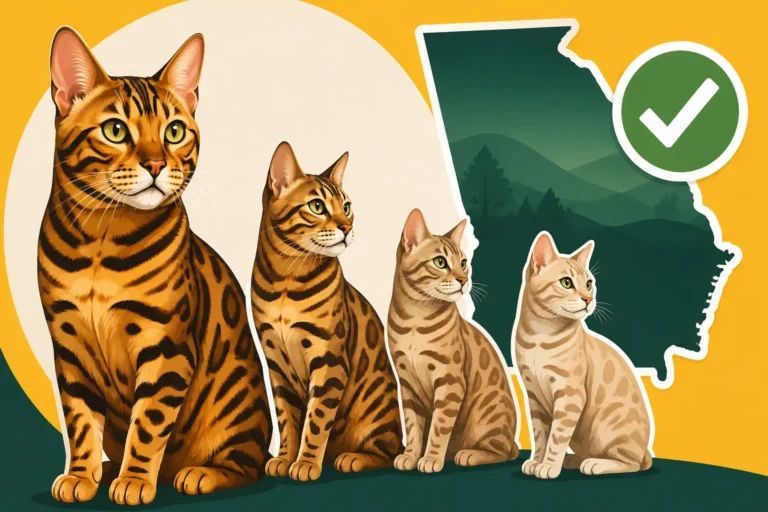
- F1 (First Filial Generation): This is a direct cross between a domestic cat and an Asian Leopard Cat. F1 Bengals are 50% ALC and are considered the "wildest" in terms of genetics and often temperament. They are extremely rare as pets and are subject to the strictest regulations, if not outright bans, in most places.
- F2 (Second Filial Generation): An F2 Bengal has an F1 parent and a domestic cat parent. They are 25% ALC. While a step removed, they still carry a significant wild genetic component and are often subject to similar, though sometimes slightly less stringent, rules as F1s.
- F3 (Third Filial Generation): An F3 Bengal has an F2 parent and a domestic cat parent, making them 12.5% ALC. At this stage, many of the wild traits begin to recede, but they can still be subject to specific regulations in some areas.
- F4 (Fourth Filial Generation) and Beyond (SBT): This is where most domestic pet Bengals fall. An F4 Bengal has an F3 parent and a domestic cat parent, bringing their ALC percentage down to 6.25%. Cats from the fourth generation onwards are typically referred to as "SBT" (Stud Book Traditional), meaning they are considered fully domestic by most cat registries like TICA (The International Cat Association). An SBT Bengal (What SBT Means in a Bengal Cat) is the goal for most breeders aiming for truly domesticated lines. Most state and city laws that permit Bengal cats usually draw the line at F4 or SBT, considering them domestic enough to be owned without special permits, though this is not universally true. Understanding What an F Number on a Bengal Cat Means Legally is crucial for any prospective owner.
The generation number profoundly influences not only the physical traits and temperament of the Bengal but also its legal standing. The further removed from the ALC, the more likely the cat is to be treated as a regular domestic pet.
State-by-State Restrictions: A Patchwork of Laws
The legal status of Bengal cats is anything but uniform across the United States. It's not a blanket federal law; instead, it's a complicated patchwork of state and local ordinances. This means that a Bengal cat legal in one town might be illegal just a few miles down the road in a different municipality or state. This variation can be incredibly confusing for potential owners.
States with Outright Bans
Some states have taken a firm stance, banning all Bengal cats regardless of their generation. These states typically classify all Bengal cats as "wild animals" or "hybrid wild cats" that are not permissible for private ownership. Hawaii Bans Every Bengal Cat, Whatever the Generation is a prime example of a state with an outright ban, driven by concerns about invasive species and ecosystem protection. If you live in a state with an outright ban, owning a Bengal cat is simply not an option, and attempting to do so could lead to confiscation and severe penalties. It's vital to research your state's laws thoroughly before you even begin looking for a breeder. These bans often apply to any animal with even a small percentage of wild blood, reflecting a conservative approach to wildlife regulation.
Even if you purchased your Bengal legally in another state, moving to a state with an outright ban means you would be in violation of the law. This is a difficult reality many owners face, emphasizing the need for advanced research if a relocation is even a remote possibility.
States with Generation-Specific Restrictions
Many states opt for a more nuanced approach, allowing Bengal cats but imposing restrictions based on their filial generation. This is the most common scenario you'll encounter. Typically, these states will prohibit F1, F2, and sometimes F3 Bengals, while allowing F4 and later (SBT) generations. The rationale is that by the fourth generation, the cats are considered sufficiently domesticated. Why the Generation Number Decides Whether You Can Own a Bengal Cat often boils down to this perceived level of wildness.
For example, some states might require permits for F1-F3 Bengals, similar to exotic animal permits, which can involve fees, inspections, and specific enclosure requirements. For F4 and SBT Bengals, they might be treated no differently than a domestic shorthair. It's crucial to understand these distinctions, as obtaining a restricted generation Bengal without the proper permits could lead to legal trouble. This is why when you approach a reputable breeder, they will always inquire about your location and local laws before proceeding with a sale. They often want to ensure their kittens are going to legal, safe homes.
States Where Local Laws Dominate
To add another layer of complexity, some states defer the regulation of Bengal cats to individual counties or cities. This means that even if your state law allows F4 or SBT Bengal cats, your city might have a stricter ordinance that bans them entirely or requires specific permits. Where Bengal Cat Law Is Set, the State or the City is a critical question to answer. A classic example is New York: New York State generally permits Bengal cats of all generations, but New York City Bans the Bengal Cat the State Allows. This disparity means that relying solely on state-level information can be misleading and lead to legal issues.
In these situations, you might find yourself navigating city council websites, contacting animal control, or even consulting with a local legal professional to understand the precise regulations. It's a testament to the varying perspectives on hybrid animals that such localized differences exist. Always check both state and local laws thoroughly, leaving no stone unturned.
Navigating the Legal Landscape as an Owner
So, you're committed to the idea of a Bengal cat, and you understand the generational differences. The next step is to ensure you navigate the legal maze successfully. This means thorough research, proper documentation, and understanding the potential consequences if you don't comply. It’s not just about finding a beautiful kitten; it’s about being a responsible, law-abiding pet parent.
How to Research Your State and Local Laws
This is the most critical step. Do not assume anything. Start by looking up your state's animal control or wildlife department website. Search specifically for "hybrid cats," "wild animal ownership," or "Bengal cat regulations." Many states will have clear guidelines outlined. If the state law isn't explicitly clear on Bengal cats, it's often a good sign that they're treated as domestic cats, but this isn't a guarantee. The absence of a ban doesn't automatically mean permission.
Once you have a handle on state laws, you must investigate your local municipal codes. Check your city or county government website. Look under "animal ordinances," "exotic animals," or "restricted breeds." If you're still unsure after exhaustive online research, make a call. Contact your local animal control office or county clerk. Be specific: ask about "Bengal cats, specifically F1, F2, F3, and SBT generations." Their direct guidance can save you a lot of heartache. It can be a bit like piecing together a puzzle, but it's essential.
The Importance of Documentation and Proof
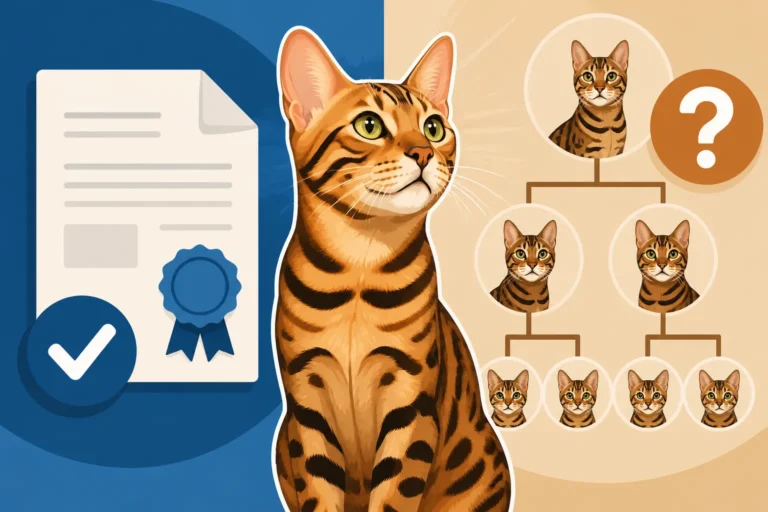
If you decide to bring home a Bengal cat, especially if you're in a state with generation-specific restrictions, proper documentation is paramount. Your breeder should provide you with official registration papers from an organization like TICA, clearly stating the cat's full name, date of birth, and, most importantly, its filial generation. How to Prove Your Bengal Cat's Generation starts with these papers. This paperwork is your official proof that your cat meets the legal requirements of your area.
Keep these documents in a safe, accessible place. Imagine a scenario where a neighbor complains or an animal control officer has questions. Having immediate proof of your cat's generation can prevent unnecessary stress, investigations, or even confiscation. Some localities might even require you to register your Bengal cat as part of a permitting process, even for later generations. This often involves annual fees, which can sometimes be covered by a general pet insurance policy, such as those offered by Healthy Paws, which might cover accident and illness, but generally not specific permit fees.
What Happens If Your Bengal Cat Is Illegal
Ignoring local laws can lead to severe consequences. The penalties for owning an illegal Bengal cat vary but can include significant fines, confiscation of your pet, and even criminal charges. What Happens to a Confiscated Bengal Cat is a heartbreaking thought for any pet owner. Confiscated animals may be relocated to sanctuaries, zoos, or, in the worst cases, euthanized, depending on the severity of the offense and the specific regulations.
Beyond the immediate legal repercussions, owning an illegal Bengal cat can also complicate other aspects of your life. For instance, obtaining pet insurance might be difficult if the animal is not legally recognized in your area. Landlords might also have stricter policies against illegally owned animals, and if your cat causes any damage or incident, your liability could be significantly higher without legal standing. Furthermore, if you plan to move, What Happens If You Move With an Illegal Bengal Cat can become a major logistical and legal headache. It's simply not worth the risk, both for your peace of mind and the well-being of your beloved cat.
Responsible Ownership and Advocacy
Being a Bengal cat owner isn't just about enjoying their stunning looks and playful antics; it's also about advocating for the breed and ensuring responsible practices. Legal compliance is a cornerstone of this, setting a good example and contributing to the overall positive perception of Bengal cats. Just like providing premium food, ensuring their legal standing is a non-negotiable part of their care.
Ethical Breeding and Legal Compliance
Reputable Bengal cat breeders are an invaluable resource in navigating the legal landscape. They typically understand the laws in their region and often have experience with the regulations in areas where their kittens are placed. An ethical breeder will not knowingly sell an F1 or F2 Bengal to someone in a state where such generations are prohibited without ensuring all permits are in place. They will also provide all necessary paperwork to verify your cat's generation and health history. These breeders understand the importance of matching the right cat to the right owner in the right legal environment.
If a breeder seems unconcerned about your location or the legalities of Bengal ownership, it should raise a red flag. Always choose a breeder who prioritizes the well-being and legal placement of their kittens. Their guidance and documentation can be crucial for your peace of mind and legal safety.
Insurance and Other Considerations
Beyond the initial legal hurdles, consider the broader implications for long-term ownership. Even if your Bengal cat is legal, some pet insurance providers might have specific policies or higher premiums for hybrid breeds. It’s worth investigating companies like Healthy Paws directly to understand their stance on Bengal cats and how generation numbers might affect coverage for unexpected illnesses or accidents. Knowing this upfront can help you budget for the Fifteen Years of a Bengal Cat, Priced Out and ensure you're prepared for any eventuality.
Furthermore, being a responsible owner means ensuring your Bengal is microchipped and properly identified, regardless of legal requirements. This helps in case of accidental escapes, which, given their intelligence and adventurous spirit, are not uncommon. Also, be mindful of how your Bengal interacts with the community. A well-socialized, contained Bengal helps to reinforce the idea that these cats, especially the later generations, are wonderful, manageable pets. Ultimately, the question of Whether a Bengal Cat Is Worth the Money isn't just about the purchase price, but the entire commitment to their health, happiness, and legal security.
It’s important to remember that these laws are subject to change. What is legal today might have new restrictions tomorrow, or vice versa. Staying informed and connected with Bengal cat owner groups or breed associations can provide valuable updates on legislative changes.
State Legal Approaches to Bengal Cat Ownership
To help simplify the varied landscape, here's a general overview of common approaches states take regarding Bengal cat legality. Remember, this is a simplification, and you must verify laws in your specific state and city.
| Legal Approach | Description | Examples (General) |
|---|---|---|
| Outright Ban | All Bengal cats, regardless of generation, are prohibited. These states classify them as wild animals. Owning one is illegal and can result in confiscation and fines. | Hawaii, New York City (city level ban) |
| Generation-Specific Restriction | Early generations (F1-F3) are either banned or require special permits and enclosures, while later generations (F4/SBT) are typically allowed without special restrictions, treated as domestic cats. | Georgia, Connecticut, Massachusetts, Delaware |
| Permit Required for All Generations | Less common, but some jurisdictions might require a permit for any Bengal cat, regardless of generation, due to their hybrid status. | (Varies heavily by specific local ordinance, consult local animal control) |
| No Specific State Regulation (Local Control) | The state has no specific law banning or regulating Bengal cats, leaving the decision to individual counties or cities. This necessitates checking local ordinances. | Texas, Florida (though always check current local rules) |
| Treated as Domestic Cats | Bengal cats (usually F4/SBT) are generally treated the same as any other domestic cat, with no specific bans or permit requirements beyond standard pet registration. | Many states, but local laws can still apply |
This table serves as a quick reference, but the nuances are often in the details of the local code. A state might "allow" them, but a permit may still be required at the county level, and the requirements for that permit might be quite extensive, impacting things like What an Early Generation Bengal Cat Permit Costs.
Disclaimer
This article is for general informational purposes only and does not constitute professional advice. Laws, prices and regulations vary by location and change over time. Consult a qualified professional for guidance on your specific situation.