Whether a Bengal Cat Kitten Comes Neutered
Bringing a new Bengal cat kitten home is an incredibly exciting time, full of anticipation for playful pounces and purrs. But amidst all the joy, many prospective owners find themselves wrestling with a very practical, and sometimes surprising, question: will your energetic little spotted bundle arrive already spayed or neutered? It’s a common point of confusion, and frankly, a source of frustration for those new to responsible cat breeding practices. This guide will help demystify the process, explain breeder expectations, and prepare you for what to anticipate when bringing your new Bengal home.
The Standard Practice for Bengal Cat Kittens and Spay/Neuter
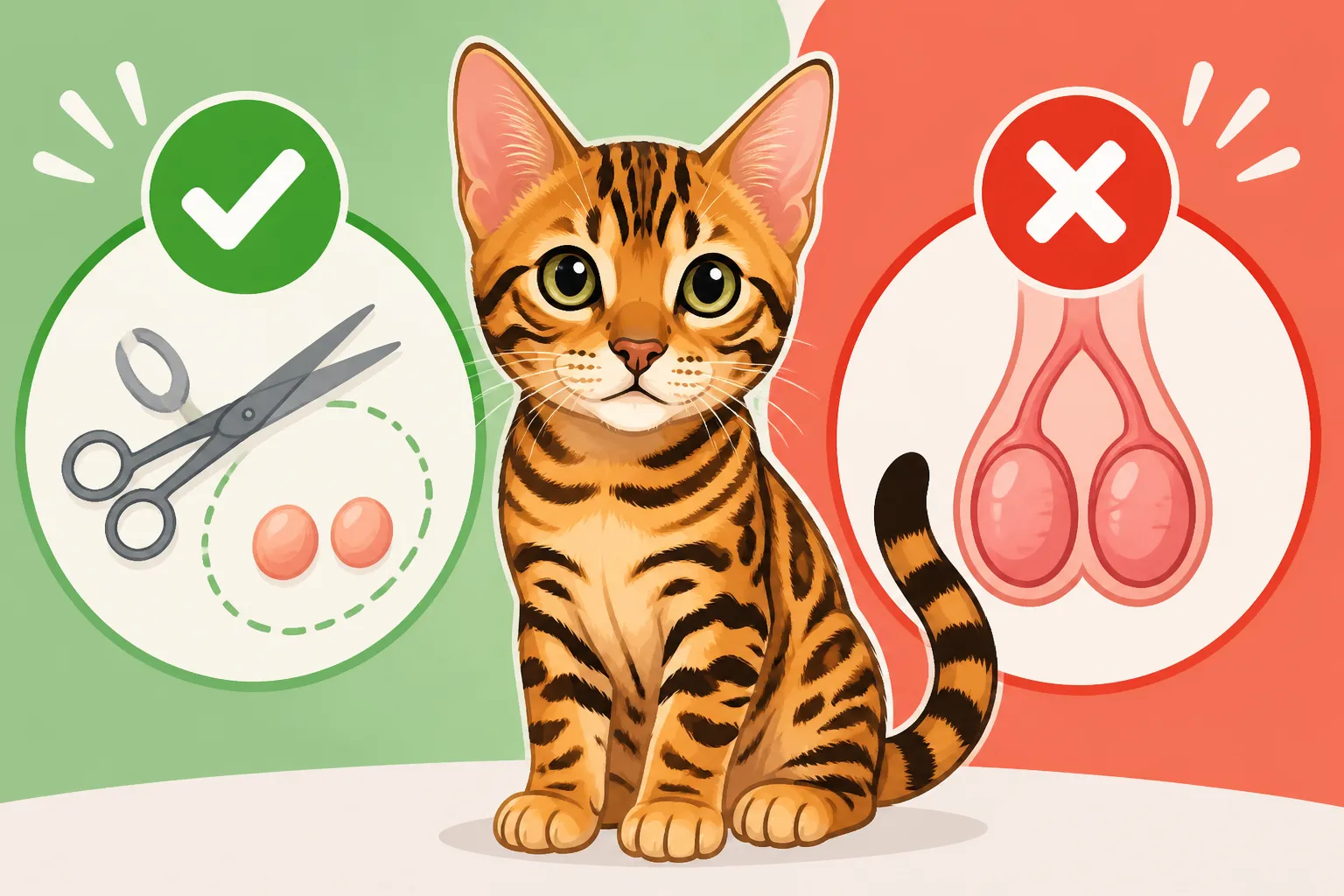
When you’re looking forward to welcoming a new Bengal kitten into your home, you might imagine picking them up around 8-10 weeks old, a tiny, adorable fluffball. But what often surprises new owners is that many reputable Bengal breeders will have already taken care of the spay or neuter procedure long before the kitten ever leaves their care. This isn't just a convenience for you; it's a cornerstone of ethical breeding and safeguarding the future of the Bengal breed.
Why Breeders Spay/Neuter Before Placement
Responsible breeders don't just produce kittens; they dedicate themselves to improving the breed, ensuring health, temperament, and adherence to the Bengal standard. A huge part of this responsibility involves controlling breeding lines and preventing indiscriminate breeding that can lead to unhealthy or poorly socialized cats. Imagine the chaos and potential health issues if every Bengal kitten sold as a pet ended up producing litters without proper health screening or understanding of genetics. That's where early spay/neuter comes in.
Firstly, it ensures that kittens sold as "pets only" remain pets, preventing backyard breeders from acquiring breeding stock without the breeder's full knowledge and approval. This protects the integrity of the lines the breeder has worked so hard to establish. It also prevents accidental pregnancies, which can happen surprisingly quickly if a female goes into heat before being altered.
Secondly, it's often seen as a health benefit for the individual cat. Early spaying eliminates the risk of uterine infections (pyometra) and greatly reduces the risk of mammary tumors later in life. For males, neutering prevents testicular cancer and can significantly reduce hormone-driven behaviors like spraying and aggression, leading to a calmer, more settled household companion. Responsible breeders are thinking about the lifelong welfare of their kittens, and these health protections are a big part of that. Many experienced breeders partner with their veterinarians to ensure these procedures are done safely and efficiently, minimizing stress on the kitten.
Age and Timing of Early Spay/Neuter
The idea of a kitten as young as 8-12 weeks undergoing surgery can make any new owner anxious. We've all been told to wait until they're older, right? However, modern veterinary science has largely embraced early-age spay/neuter for kittens, often referred to as pediatric or juvenile spay/neuter. Vets have found that kittens actually tend to bounce back quicker from surgery than older cats, with fewer complications and a faster recovery time. Their bodies are small, but they heal remarkably efficiently.
Typically, reputable Bengal breeders will have their kittens spayed or neutered between 8 and 12 weeks of age, before they are ready to go to their new homes. This timing is chosen for several reasons: the kittens are old enough to handle the anesthesia and surgery well, but young enough that the procedure is less invasive, and recovery is swift. They're usually back to their playful selves within a day or two.
There are many myths floating around about early spay/neuter affecting growth or behavior. However, extensive studies have shown that kittens altered at this young age grow up perfectly healthy and develop normally. They aren't "stunted" or "emotionally damaged" by the process. In fact, many experts argue that it's better for them to undergo the procedure before they ever experience hormone surges that can trigger undesirable behaviors or put a strain on their tiny bodies. It's a testament to the advancements in veterinary care that what once might have seemed risky is now a widely accepted and beneficial practice.
Breeder Contracts and What to Expect
When you decide to bring a Bengal cat into your life, especially from a reputable breeder, you'll find that the process involves more than just picking out a cute kitten. There's usually a contract involved, and this document is key to understanding the expectations around spay/neuter. Don't gloss over it – it's there to protect you, the breeder, and most importantly, the kitten.
Reading the Fine Print: Spay/Neuter Clauses
Any good Bengal breeder will have a comprehensive contract that outlines everything from the kitten's health guarantees to what happens if you can no longer care for the cat. Crucially, it will almost certainly include a clause regarding spay or neuter. If the kitten isn't already altered when you pick them up (which is less common with reputable breeders for pet-only sales, but can happen if the kitten is going to a registered breeding program), the contract will state that you, as the new owner, are legally obligated to have the procedure done by a certain age, often 6-8 months.
How do they enforce this? Breeders often use a few methods. One common practice is to register the kitten with an organization like TICA (The International Cat Association) but hold back the official registration papers until proof of spay/neuter is provided by your veterinarian. This means you can't register your cat as a purebred Bengal or participate in cat shows until you've fulfilled your end of the agreement. Some contracts even include a financial penalty if the clause is violated, or state that ownership reverts to the breeder.
It might feel a little restrictive, but these clauses are designed to ensure responsible pet ownership and protect the breed. Think of it as a quality control measure. A reputable breeder has invested a lot of time, money, and emotional energy into their breeding program, including extensive What a Bengal Cat Breeder Should Have Tested and careful genetic pairing. They want to ensure their kittens go to homes where they will be loved as pets, not exploited for profit or contribute to an overpopulation problem. Never assume you can just ignore this part of the contract; it's a binding agreement.
The Rationale Behind "Pet Only" Contracts
The concept of a "pet only" contract is fundamental to ethical Bengal breeding. When you purchase a Bengal kitten, you're usually buying it as a companion animal, not as a future breeding cat. This distinction is vital, and it dictates the price, the health checks, and, yes, the spay/neuter requirements.
Breeding quality Bengal cats, which are sold with "breeding rights," are significantly more expensive than pet-quality Bengals. They are chosen for specific traits, health clearances, and genetic lines that contribute positively to the breed standard. The cost reflects the breeder's investment in top-tier breeding stock, ongoing health testing, show entries, and the inherent value of an animal capable of producing future generations. You can read more about What a Bengal Cat Costs to Buy in 2026 and What a Breeder Quality Bengal Cat Costs More to understand these differences.
A "pet only" contract, therefore, states clearly that the kitten is not intended for breeding. This prevents individuals from buying a pet-priced kitten and then attempting to breed it, often without the necessary knowledge of feline genetics, health testing protocols, or proper husbandry. Unplanned breeding can lead to kittens with genetic health issues, poor temperaments, or simply contributes to the vast number of cats needing homes. Reputable breeders are passionate about the welfare of all cats, not just their own, and pet-only contracts with mandatory spay/neuter are a key tool in this commitment. It's about protecting the breed, the cat, and future generations.
Benefits and Considerations of Early Spay/Neuter for Your Bengal
While the primary driver for early spay/neuter often comes from the breeder's side, there are significant and undeniable benefits for you and your new Bengal kitten. It's not just about meeting a contractual obligation; it's about setting your cat up for a healthier, happier life as a beloved family member.
Health Advantages for Your Bengal Kitten
The health benefits of spaying or neutering your Bengal cat are substantial and well-documented. For female Bengals, spaying eliminates the risk of ovarian and uterine cancers, as well as pyometra, a life-threatening uterine infection common in unspayed females. It also completely removes the stress and mess of heat cycles, which can be frequent and intense in Bengals. Imagine your female Bengal yowling constantly, trying to escape, and attracting intact males to your doorstep several times a year. Spaying prevents all of that.
For male Bengals, neutering removes the risk of testicular cancer and significantly reduces the likelihood of prostate problems later in life. Perhaps even more impactful are the behavioral benefits. Intact male Bengals are much more prone to spraying urine to mark their territory, a habit that is notoriously difficult to eradicate once established. They are also more likely to roam in search of mates, increasing their risk of getting into fights, traffic accidents, or contracting diseases from other cats. Neutering reduces these strong hormonal drives, leading to a calmer, more home-oriented cat. You'll thank yourself for avoiding those pungent marking incidents, believe me! Pet insurance providers like Healthy Paws often highlight preventive care as crucial, and spaying/neutering definitely falls into that category, potentially saving you from costly medical interventions down the line.
Addressing Common Concerns from Prospective Owners
It's natural to have questions and even anxieties about your tiny kitten undergoing surgery. I've heard every concern under the sun, from fears about stunted growth to worries about personality changes. Let's tackle some of the most common ones.
- "Will it affect their growth?": This is a persistent myth. Modern veterinary studies have consistently shown that early spay/neuter does not stunt growth. In fact, some studies suggest a slight delay in growth plate closure, which could theoretically lead to slightly longer bones, but this has no practical negative impact on the cat's health or athleticism. Your Bengal will still grow into that magnificent, muscular cat you expect.
- "Will their personality change?": Kittens' personalities are still developing, and while hormones play a role, neutering doesn't fundamentally alter their core temperament. If anything, it helps prevent the negative behavioral traits associated with intact cats, like excessive roaming, aggression (especially in males), or relentless vocalization during heat cycles. They'll still be your playful, curious, and affectionate Bengal, just without the hormonal urges that can make life difficult for everyone.
- "Isn't it too risky for a kitten?": As mentioned earlier, pediatric spay/neuter is considered very safe by veterinary professionals. Kittens recover quickly, often with less pain and fewer complications than adult cats. An experienced vet will use appropriate anesthesia and monitoring tailored for kittens. They bounce back with incredible resilience!
- "What about recovery?": Recovery for kittens is typically quick. They might be a little groggy for the first 24 hours, but most are eager to eat and play again very soon. Your vet will provide clear post-operative instructions, including monitoring the incision site and limiting strenuous activity for a few days. You might want to stock up on some tempting, high-quality soft food to make those first few meals extra appealing.
What to Do If Your Bengal Cat Kitten Isn't Already Spayed/Neutered
While many reputable breeders do pre-alter their pet-quality kittens, it's possible that your specific kitten might not be. This could be due to a number of reasons, perhaps the breeder's vet prefers a slightly older age, or you've adopted a slightly older kitten through other means. Whatever the reason, if your Bengal arrives intact, it becomes your immediate and crucial responsibility to ensure the procedure is done.
Understanding Your Responsibilities
If your Bengal kitten isn't already spayed or neutered, you need to prioritize getting it scheduled with your veterinarian. Most contracts will specify a timeframe, typically before six or eight months of age. Don't procrastinate! Allowing your Bengal to reach sexual maturity before alteration can lead to the very behavioral issues (like spraying, heat cycles, or roaming) that early spay/neuter aims to prevent. Once these behaviors are ingrained, they can be much harder to manage, even after the surgery.
Your first step should be to call your veterinarian and discuss the best time for the procedure. They will want to do a pre-surgical exam to ensure your kitten is healthy enough. This often includes some pre-surgery bloodwork to check organ function and blood clotting abilities, which is a really important step. You can read more about Whether a Bengal Cat Needs a Pre Surgery Workup to understand what to expect. Ensure you communicate openly with your vet about your Bengal's activity level and any concerns you might have. Post-operative care will involve monitoring the incision site, ensuring pain medication is given as prescribed, and restricting activity for a few days. Keeping an Elizabethan collar (cone of shame!) on your cat might be necessary to prevent them from licking the incision.
Seeking a Breeder Who Prioritizes Early Alteration
When you're searching for a Bengal breeder, the practice of early spay/neuter for pet kittens is a significant indicator of a reputable and responsible operation. It speaks volumes about their commitment to the welfare of their cats and the integrity of the breed.
Don't be shy about asking direct questions during your breeder interviews. You should clearly ask: "Will my pet Bengal kitten be spayed or neutered before coming home?" If the answer is no, ask why not and what their expectations are for you, including any contract clauses or deadlines. A transparent breeder will be happy to explain their protocols and provide references from their veterinarian regarding their early spay/neuter practices.
Here's a quick comparison of what to expect:
| Feature | Breeder Pre-Alters Kittens (Common Practice) | Owner Responsible for Alteration (Less Common for Pets) |
|---|---|---|
| Kitten Age at Pick-up | Typically 12-16 weeks, already recovered. | Varies, often 8-12 weeks, intact. |
| Cost Implications | Included in purchase price, breeder covers vet fees. | Owner pays for surgery and any associated vet visits post-purchase. |
| Health & Behavior | Lower risk of marking/heat behavior, reduced cancer risk from start. | Potential for unwanted behaviors if not done promptly, higher health risks for intact cats. |
| Contractual Obligation | Often less stringent post-purchase, as procedure is done. | Strict clause requiring owner to complete procedure by set age, papers withheld. |
| Recovery | Kitten recovers with breeder's experienced care. | Owner manages post-op recovery in a new home environment. |
Ultimately, finding a breeder who practices early alteration for their pet kittens simplifies the transition for you and provides a healthier start for your new Bengal. It's one of the many important questions to ask a breeder when you're looking for your perfect companion. These breeders demonstrate a deep understanding of feline health and responsible breeding.
Disclaimer
This article is for general informational purposes only and does not constitute professional advice. Laws, prices and regulations vary by location and change over time. Consult a qualified professional for guidance on your specific situation.