Whether a Bengal Cat Reacts Badly to Anesthesia
The thought of your energetic Bengal cat needing anesthesia for any procedure, whether it’s a routine dental cleaning or something more serious, can send a shiver down any pet parent's spine. It's perfectly natural to worry about how your unique, spirited feline companion will react. This comprehensive guide is here to put your mind at ease by breaking down everything you need to know about anesthesia and Bengal cats, addressing common concerns, and outlining the crucial steps for a safe experience.
Understanding Anesthesia in Bengal Cats: Dispelling Myths and Addressing Concerns
It's easy to get caught up in the stories or misconceptions surrounding anesthesia for our beloved pets, especially for a breed as distinctive as the Bengal cat. Let's tackle these worries head-on.
The General Safety of Anesthesia for Cats
First and foremost, it’s important to understand that modern veterinary anesthesia is incredibly safe. Over the years, advancements in anesthetic drugs, monitoring equipment, and veterinary protocols have dramatically reduced the risks involved. While no medical procedure is ever entirely risk-free—and any veterinarian worth their salt will tell you that—the chances of a healthy cat experiencing a severe anesthetic complication are remarkably low. Think of it like flying: there are inherent risks, but the safety measures in place make it one of the safest ways to travel.
Veterinarians today use a combination of medications designed to provide effective pain control, muscle relaxation, and unconsciousness with minimal side effects. The goal is always to tailor the anesthetic plan to the individual patient, taking into account their age, health status, and the specific procedure.
Why Bengal Cat Owners Might Worry More
Many Bengal cat owners find themselves a little more anxious about medical procedures, and that’s entirely understandable. Bengal cats are known for their vibrant personalities, their boundless energy, and their striking appearance, which harks back to their wild Asian Leopard Cat ancestors. This "wild side" can sometimes make us feel like they are inherently different, perhaps more fragile or unpredictable, when it comes to medical interventions. We might wonder if their high metabolism or their more "primitive" genes make them more susceptible to anesthetic issues than a typical domestic shorthair.
It’s a common and valid concern, especially since you want the best for your unique companion. However, it's crucial to distinguish between their energetic personality and their physiological responses to medication. While they are indeed a unique breed, their core physiology is still very much that of a domestic cat.
Specific Considerations for the Bengal Cat Breed
From a purely physiological standpoint, Bengal cats are not inherently more sensitive to anesthetic drugs than other cat breeds. There isn't a widely recognized breed-specific sensitivity to common anesthetic agents documented in veterinary literature for Bengals. However, their active and often intense nature does mean a few things warrant extra vigilance.
For instance, their high energy levels might mean they are more prone to stress in a clinical environment, which can sometimes impact their heart rate or blood pressure readings before and during a procedure. A good veterinary team will recognize this and take steps to minimize stress. Moreover, while not unique to Bengals, certain inherited conditions that can occur in the breed, such as hypertrophic cardiomyopathy (HCM), could influence anesthetic choices. A thorough pre-anesthetic workup helps uncover these potential issues, allowing the vet to adjust the plan accordingly. For more on this, you might find our article on What HCM Does to a Bengal Cat's Heart particularly helpful.
Preparing Your Bengal Cat for Anesthesia: Crucial Steps for a Smoother Experience
Preparation is truly key when it comes to any anesthetic procedure. Taking the right steps beforehand significantly reduces risks and sets your Bengal cat up for the smoothest possible experience.
The Importance of a Pre-Anesthetic Workup
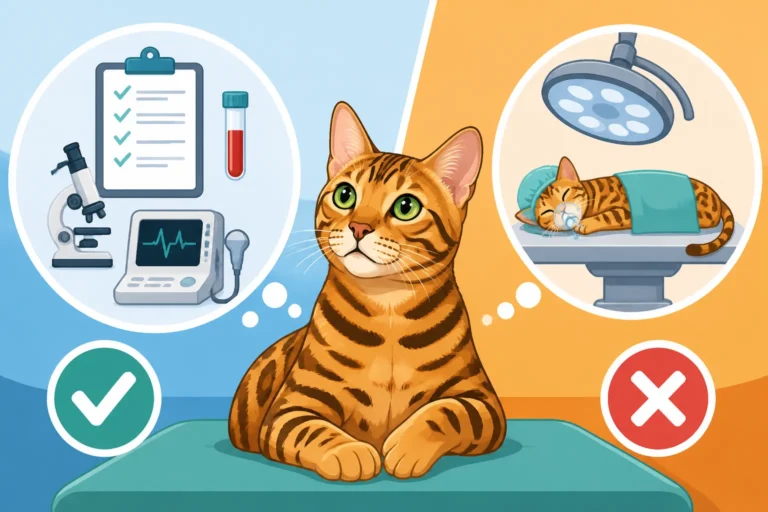
Before your Bengal cat ever receives anesthetic drugs, your veterinarian will recommend a comprehensive pre-anesthetic workup. This isn't just a formality; it's a vital step in ensuring their safety. This workup typically includes:
- A thorough physical examination: Your vet will listen to your cat's heart and lungs, check their hydration status, feel their abdomen, and generally assess their overall health. They're looking for any subtle signs that might indicate an underlying issue that could complicate anesthesia.
- Blood tests: These usually involve a complete blood count (CBC) to check for anemia, infection, or other blood cell abnormalities, and a chemistry panel to assess organ function (kidneys, liver) and electrolyte balance. These tests are incredibly important because they can reveal hidden problems that aren't apparent during a physical exam. For instance, if kidney function is compromised, certain anesthetic drugs might be metabolized differently, requiring your vet to choose alternatives or adjust dosages.
- Urinalysis: Sometimes, a urinalysis is recommended to provide further insight into kidney function and rule out urinary tract infections.
- Additional diagnostics: For older Bengal cats or those with suspected underlying conditions, your vet might suggest an electrocardiogram (ECG) to check heart rhythm or even a chest X-ray. If you're wondering Whether a Bengal Cat Needs a Pre Surgery Workup, the answer is almost always a resounding yes. These tests give your vet the clearest picture of your cat's internal health, allowing them to tailor the safest possible anesthetic protocol. Many pet insurance plans, like those offered by Healthy Paws, can help cover the costs of these crucial diagnostic tests, making it easier to ensure your pet gets the best care.
Communicating with Your Veterinarian
Open and honest communication with your veterinary team is paramount. Don't hesitate to share any concerns you have, no matter how small they seem. Tell your vet about your Bengal cat's history, any past illnesses, medications they are currently taking (even supplements), and their general temperament. If your Bengal tends to be particularly stressed at the clinic, let them know.
Ask questions about the anesthetic protocol they plan to use:
- Which specific drugs will be administered?
- What kind of monitoring will be in place?
- Who will be monitoring your cat throughout the procedure?
- What are the potential risks, and how are they managed?
A good vet will be happy to walk you through the entire process, explaining their choices and addressing your anxieties. This collaborative approach ensures you feel informed and confident in the care your Bengal cat is receiving.
Fasting and Pre-Procedure Instructions
You’ll typically receive instructions to fast your Bengal cat for a certain period before the procedure, usually overnight. This is incredibly important for several reasons. When a cat is anesthetized, their normal reflexes are suppressed. If there is food in their stomach, they could regurgitate it, and that regurgitated material could then be aspirated into their lungs, leading to a serious and potentially life-threatening condition called aspiration pneumonia.
Always follow your vet's fasting instructions precisely. Typically, this means no food after a certain time the night before, but often water is allowed until the morning of the procedure. If you accidentally give your cat food, it's crucial to inform the veterinary staff immediately, as they may need to postpone the procedure for your cat's safety.
During and After Anesthesia: Monitoring and Recovery
The care your Bengal cat receives during and after anesthesia is just as important as the pre-procedure preparations. This continuous attention helps ensure a smooth recovery.
Monitoring During the Procedure
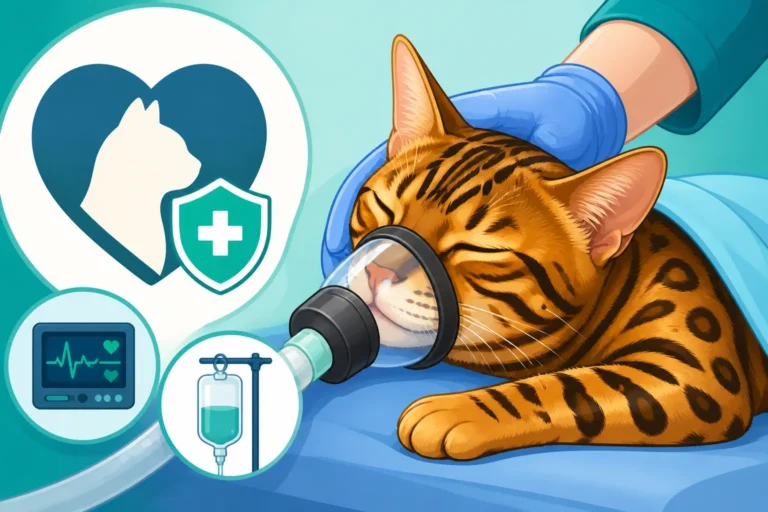
While your Bengal cat is under anesthesia, they will be continuously and closely monitored by dedicated veterinary nurses or technicians. This isn't just someone casually glancing at them; it's a vigilant observation of several vital signs using sophisticated equipment. Key parameters include:
- Heart Rate and Rhythm: Monitored with an ECG, ensuring the heart is beating steadily and at an appropriate rate.
- Respiratory Rate and Quality: Checking how many breaths per minute your cat is taking and if they are deep and consistent.
- Blood Pressure: Essential for ensuring adequate blood flow to vital organs.
- Oxygen Saturation: Measured with a pulse oximeter, this indicates how well oxygen is being carried in the blood. Cats are often given supplemental oxygen during anesthesia.
- Body Temperature: Cats can lose body heat under anesthesia, so measures like warming blankets or circulating warm water pads are often used to maintain a stable core temperature.
- Capnography: Measures the carbon dioxide levels in exhaled breath, providing valuable information about ventilation.
This constant stream of data allows the veterinary team to make immediate adjustments to anesthetic depth, fluid rates, or warming measures, ensuring your Bengal cat remains as stable and safe as possible throughout the entire procedure.
Post-Anesthetic Care and What to Expect
Once the procedure is complete, your Bengal cat will be moved to a recovery area where monitoring continues as they slowly wake up. They might seem a bit groggy, disoriented, or even grumpy, which is entirely normal. Other common post-anesthetic side effects can include:
- Mild Nausea: Some cats might vomit or seem reluctant to eat immediately after anesthesia.
- Altered Appetite: They might not want to eat their usual amount right away. Offer small, appealing meals.
- Lethargy: It’s normal for them to be more subdued for 24-48 hours.
- Vocalizing: Some cats, especially talkative Bengals, might vocalize more as they come out of anesthesia.
When you bring your Bengal home, create a quiet, warm, and comfortable space for them to rest. Keep them separated from other pets or children initially. Follow all discharge instructions, including medication schedules (pain relief, antibiotics), dietary recommendations, and activity restrictions. It's important to remember that Bengal cats are excellent at hiding pain, so observe them closely for any subtle changes in behavior. Our article How a Bengal Cat Hides Pain offers some great tips for recognizing discomfort.
Recognizing Potential Complications
While rare, it's good to be aware of signs that might indicate a complication, so you know when to call your vet. These include:
- Excessive Vomiting or Diarrhea: More than just a minor upset.
- Difficulty Breathing: Labored breathing, gasping, or bluish gums.
- Pale Gums: Could indicate anemia or poor circulation.
- Extreme Lethargy or Weakness: Unable to stand or completely unresponsive.
- Swelling or Redness at the Incision Site: Beyond normal mild irritation.
- Refusal to Eat or Drink for more than 24 hours.
If you notice any of these more serious signs, contact your veterinary clinic immediately. It’s always better to be overly cautious than to delay seeking help.
Mitigating Risks and Ensuring Well-being
While anesthesia is generally safe, proactive measures can further minimize risks and ensure your Bengal cat's well-being.
Choosing an Experienced Veterinary Team
This might seem obvious, but it's incredibly important to choose a veterinary clinic and team that you trust and who have ample experience with feline anesthesia. Don't be afraid to ask about their protocols, the type of monitoring equipment they use, and their staff-to-patient ratio during procedures. A clinic with dedicated veterinary nurses who focus solely on monitoring anesthetized patients can make a significant difference. If your Bengal has complex needs, consider seeking a practice with board-certified veterinary anesthesiologists, though this is usually reserved for highly specialized cases.
An experienced team will understand the nuances of working with different breeds, including the spirited Bengal, and will know how to manage their stress and physiological responses effectively. They should be able to clearly articulate their safety measures and answer all your questions comprehensively.
Addressing Underlying Health Concerns
As mentioned earlier, a healthy cat generally handles anesthesia well. The biggest risks often come from undiagnosed underlying health conditions. For Bengal cats, this includes screening for genetic conditions like What PK Deficiency Does to a Bengal Cat and especially cardiac issues like HCM. Regular wellness exams are crucial for catching these issues early. Our piece on How Often a Bengal Cat Needs a Wellness Exam dives into this in more detail.
If your Bengal cat has a pre-existing condition, such as a heart murmur or kidney disease, your veterinarian will factor this into their anesthetic plan. They might choose specific drugs that are safer for their condition, adjust dosages, or increase the intensity of monitoring. For example, a Bengal with known heart disease might receive specific cardiac medications before anesthesia or have more intensive cardiac monitoring throughout the procedure. Insurance providers like Healthy Paws can be a lifesaver when dealing with ongoing health conditions that require regular check-ups and potentially specialized care, including pre-anesthetic testing. Knowing The Bengal Cat Health Panel Covers can give you a clearer picture of what to discuss with your vet.
Considering Age and Overall Health
The age of your Bengal cat also plays a role in anesthetic considerations. Very young kittens and senior Bengal cats (generally those past the age of ten) often require more delicate handling and adjusted protocols.
- Kittens: Young kittens have less developed organ systems and can be more prone to hypothermia and hypoglycemia (low blood sugar) under anesthesia. Their anesthetic protocols are usually very carefully managed with shorter procedures and strict temperature control.
- Senior Cats: As cats age, organ function can decline, and they may have underlying conditions that make anesthesia riskier. For our article Caring for a Bengal Cat Past Ten, we highlight the importance of thorough senior wellness exams, which often include more extensive bloodwork and potentially cardiac evaluations before any anesthetic procedure.
Regardless of age, a Bengal cat in good overall health, with a thorough pre-anesthetic workup, an experienced veterinary team, and careful monitoring, has an excellent prognosis for a safe anesthetic experience.
Pre-Anesthetic Check-up Guide
To help you remember the crucial steps your vet takes, here's a quick overview of a typical pre-anesthetic check-up:
| Component | Purpose | Why it's Important for Anesthesia |
|---|---|---|
| Physical Exam | Assess overall health, heart/lung sounds, hydration, body condition. | Identifies overt issues, helps determine initial drug dosages. |
| Complete Blood Count (CBC) | Checks red blood cells (anemia), white blood cells (infection/inflammation), platelets (clotting ability). | Anemia affects oxygen delivery; infection complicates recovery; clotting issues are dangerous. |
| Chemistry Panel | Evaluates organ function (kidneys, liver), blood sugar, electrolytes. | Ensures organs can process anesthetic drugs; reveals metabolic imbalances. |
| Urinalysis (optional) | Provides deeper insight into kidney function, checks for urinary tract issues. | Further assessment of kidney health, which is crucial for drug elimination. |
| ECG (optional, for specific cases) | Assesses heart rhythm and electrical activity. | Detects arrhythmias or other cardiac abnormalities that could be problematic. |
| Chest X-ray (optional) | Visualizes lungs and heart size/shape, looking for disease. | Checks for lung disease or severe heart enlargement, influencing drug choice. |
Disclaimer
This article is intended for informational purposes only and does not constitute veterinary advice. Always consult with a qualified veterinarian for any health concerns or before making any decisions about your Bengal cat's care.