Whether a Pool Is Dangerous for a Bengal Cat
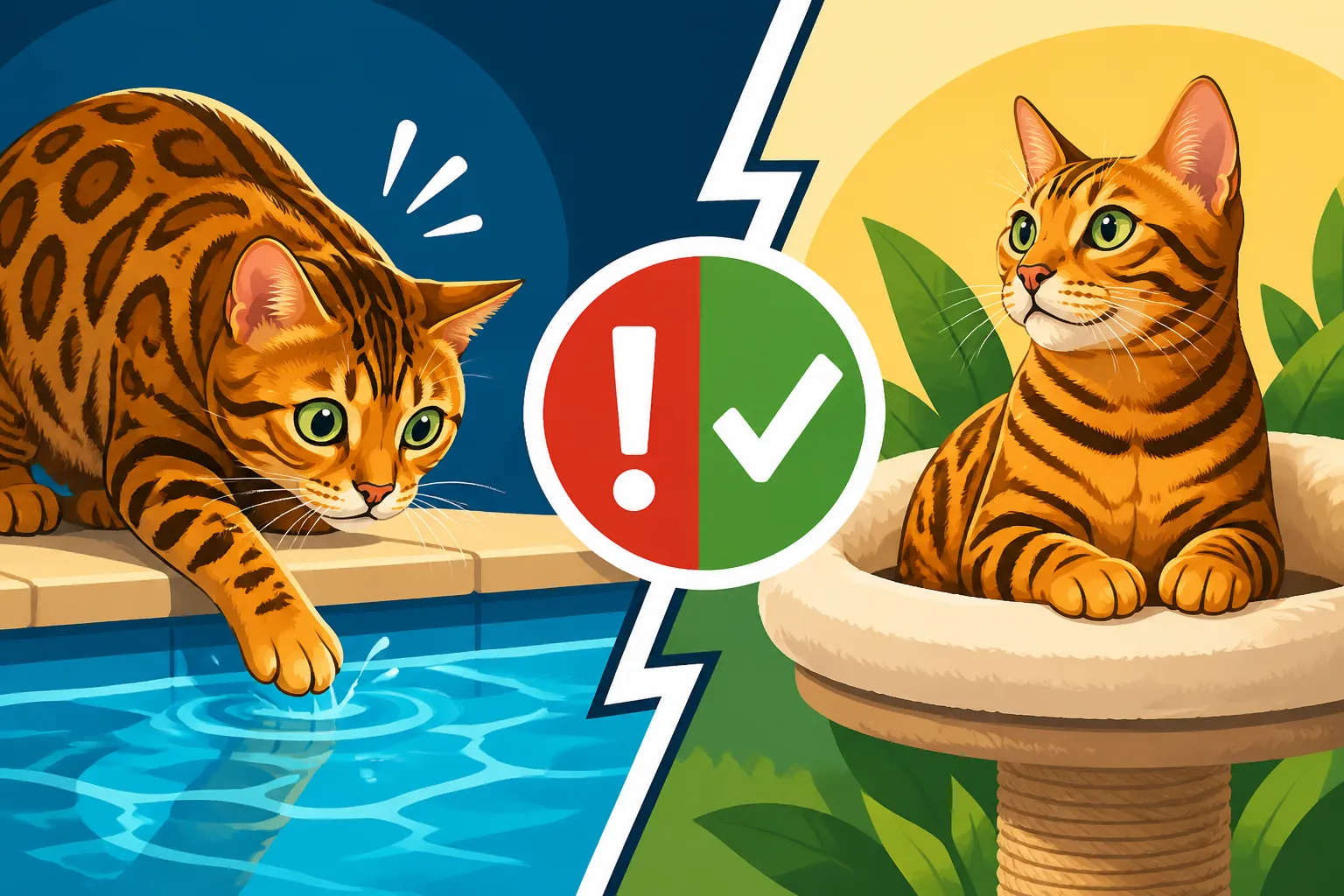
It’s a common misconception that all cats hate water. Most domestic shorthairs will give a bathtub or a sprinkler a wide berth, and rightly so! But if you’re a proud Bengal cat owner, you know your furry friend marches to the beat of a different drum, especially when it comes to H2O. Their fascination with water is legendary, often leading them to play in sinks, drink from running faucets, or even try to join you in the shower. This unique trait can be utterly endearing, but it also sparks a very real concern for many owners: what about pools? Is a swimming pool, that inviting expanse of shimmering water, a dangerous temptation for a Bengal cat? The short answer is yes, absolutely, and it’s crucial to understand why and how to mitigate those risks to keep your adventurous companion safe.
The Bengal Cat's Unique Water Affinity: More Than Just a Splash
Your Bengal cat's love for water isn't just a quirky habit; it's deeply ingrained in their genetics, a direct link back to their wild ancestor, the Asian Leopard Cat. Unlike many domestic breeds, these felines are often observed playing in shallow streams and ponds in their native habitats. This historical connection means that while your average housecat might react to a pool like it's a venomous snake, your Bengal might see it as an exciting, gigantic water bowl or a giant, interactive toy. This predisposition makes pool safety a far more pressing concern for Bengal owners than for those with other breeds.
Tracing the Genes: The Asian Leopard Cat Connection
The Bengal cat is a hybrid breed, a magnificent blend of a domestic cat and the wild Asian Leopard Cat (ALC). It's this wild heritage that imbues them with so many of their distinctive traits, from their striking rosetted coats to their boundless energy and, yes, their uncharacteristic love for water. In the wild, ALCs are known to be adept swimmers and enjoy fishing in shallow waters. They aren't afraid of getting wet, often using water sources for hunting, cooling down, and even as a means of escape from predators.
When this DNA was blended with domestic cat genes to create the Bengal breed, many of these instincts remained. Your Bengal cat might not be hunting fish in your backyard pond, but they still carry that intrinsic curiosity and comfort around water. This isn't just a playful whim; it's an ancestral echo. So, when you see your Bengal batting at the running tap or peering inquisitively at your swimming pool, remember it's a natural behavior for them. It’s important to nurture this trait in a safe, controlled environment, rather than allowing their natural curiosity to lead them into peril.
The Fine Line Between Playful Curiosity and Serious Danger
There's a world of difference between a Bengal cat playing with a dripping faucet or splashing in a shallow bath, and one falling unsupervised into a full-sized swimming pool. While their enthusiasm for water is undeniable and can even be a source of fun, the inherent dangers of a pool are significant and often underestimated.
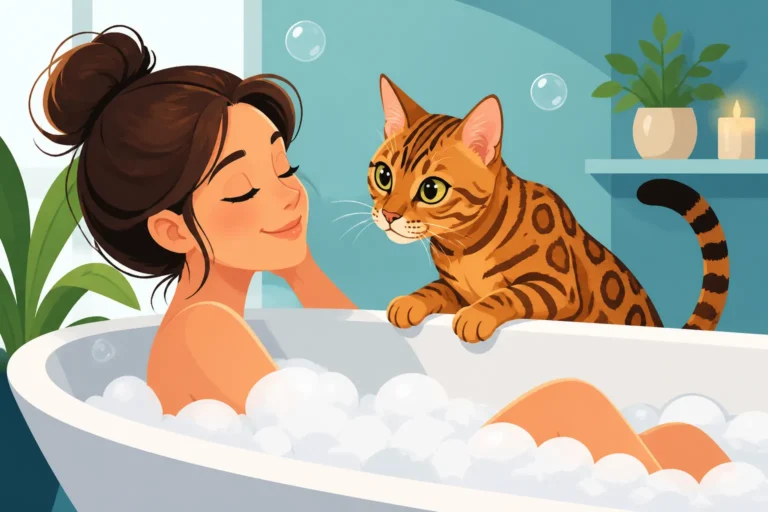
For example, a small amount of water in a sink or a shower is manageable. Your cat can easily step in and out, or simply walk away if they've had enough. The depth is minimal, and the risk of accidental ingestion of harmful chemicals is low. They might even enjoy Why a Bengal Cat Joins You in the Bath, perhaps batting at the bubbles or trying to "catch" the water stream. But a swimming pool presents an entirely different challenge. The sheer volume of water, coupled with the chemicals used to keep it clean, creates a hazardous environment that even the most confident swimming Bengal cat can struggle with. Their playful nature, which is usually a joy, can become a serious liability when faced with the irresistible allure of a large body of water.
Understanding the Specific Dangers of Pools for Bengal Cats
Even though Bengal cats are known to be strong swimmers, a swimming pool poses numerous risks that aren't immediately obvious. It's not just about whether they can swim; it's about whether they can swim safely and get out without assistance. The domestic environment of a backyard pool is vastly different from a natural stream, and these differences can be deadly.
The Challenge of Entry and, More Critically, Exit
One of the biggest, yet often overlooked, dangers of a swimming pool for any animal, including a water-loving Bengal cat, is the difficulty of getting out. While many breeds would simply avoid the water altogether, a curious Bengal might try to "investigate" the pool's edge, perhaps misjudging a jump or slipping on a wet deck. Once in, the smooth, vertical sides of most pools, especially inground ones, offer no purchase for tiny claws. Cats are not designed to climb out of such structures.
Imagine your Bengal, full of energy and eagerness, taking a tumble. They'll instinctively paddle, and they might even be quite good at it. You might have seen How Well a Bengal Cat Swims in a controlled setting. But after a few minutes, even the strongest swimmer will start to tire. If there are no shallow steps, ramps, or textured edges they can grip, they'll become exhausted trying to pull themselves out. This is particularly true for above-ground pools, which often have no internal steps for a cat to use, just a sheer drop to the water. The panic that sets in as they realize they're trapped can quickly lead to exhaustion and, tragically, drowning.
Chemical Exposure and Ingestion: The Hidden Threat
Swimming pools are typically treated with a cocktail of chemicals, primarily chlorine, to keep the water clean and free from bacteria and algae. While these chemicals are generally safe for humans in regulated doses, they can be highly irritating and even toxic to cats. Your Bengal, being a fastidious groomer, will inevitably try to clean themselves after a dip, ingesting pool water residue in the process.
Ingesting chlorinated water can lead to gastrointestinal upset, vomiting, and diarrhea. In higher concentrations or with prolonged exposure, it can cause more serious internal damage. Beyond ingestion, the chemicals can irritate their delicate skin, eyes, and mucous membranes, leading to discomfort, redness, and even chemical burns in severe cases. Furthermore, other pool chemicals like algaecides or pH balancers can be even more dangerous. Leaving open containers of pool chemicals within reach of a curious Bengal is a serious hazard that many owners don't consider. A Bengal cat is notoriously clever and will investigate anything new in their environment, so securing these chemicals is paramount.
Hypothermia and Exhaustion: Even Good Swimmers Get Tired
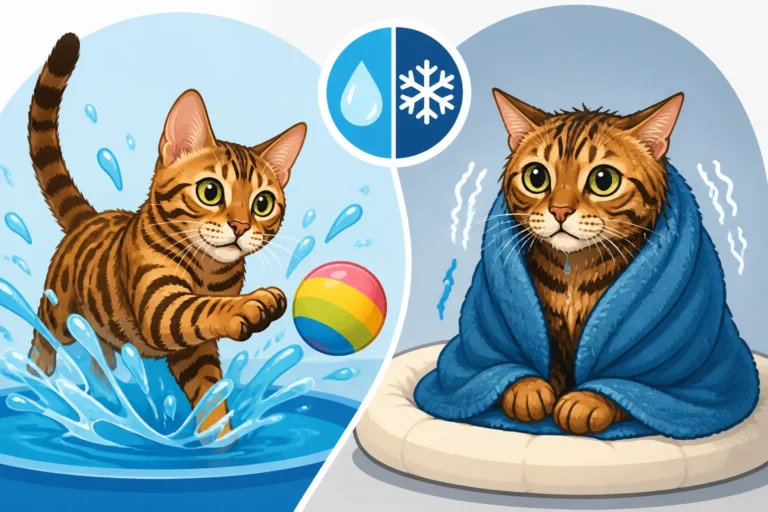
While your Bengal might be a natural in the water, their small body size and relatively thin coat (remember, A Bengal Cat's Coat Is a Pelt, Not Fur compared to a thick, insulating undercoat) make them susceptible to hypothermia, especially in cooler weather or if they remain in the water for an extended period. Even on a warm day, prolonged exposure can lead to a dangerous drop in body temperature.
Combine this with the exertion of swimming, and you have a recipe for exhaustion. Cats, even active Bengals, are not built for endurance swimming. The constant paddling in a large pool, especially if they are frantically trying to find an exit, quickly depletes their energy reserves. A tired, cold cat is a vulnerable cat, and their ability to stay afloat or even call for help diminishes rapidly. This is particularly true for kittens or older Bengals, who may not have the same stamina as a young adult. Understanding How a Bengal Cat Copes With Cold is vital here, as their natural resilience can be easily overwhelmed in a large body of water.
The Ultimate Risk: Drowning, Even for Water Lovers
Ultimately, the most severe danger a pool presents to a Bengal cat is drowning. Despite their affinity for water and their swimming ability, accidents happen. A moment of distraction, a misstep, a sudden panic, or simply exhaustion can lead to tragic consequences. A cat's natural instinct to paddle can only last so long. If they can't find an exit, or if they ingest too much water, they will drown.
This risk is amplified if your Bengal cat falls into the pool when no one is around, perhaps late at night when What a Bengal Cat Does at Four in the Morning might involve unsupervised exploration. Even a quick dip in the pool can turn fatal if you're not there to supervise or assist. It's a sobering thought, but one that every Bengal owner with a pool needs to confront head-on. Their love for water does not grant them immunity from its dangers; in fact, it often increases their exposure to risk.
Practical Steps to Ensure Your Bengal Cat's Pool Safety
Knowing the risks is the first step; taking concrete action is the next. Protecting your adventurous Bengal from the dangers of a swimming pool requires a multi-faceted approach, combining physical barriers, diligent supervision, and even some training. Think of it as creating a comprehensive safety net for your agile, water-loving feline.
Securing the Pool Area: Barriers, Covers, and Alarms
The most effective way to prevent a Bengal cat from falling into a pool is to create robust physical barriers. This means securing the entire pool area so your cat simply cannot access the water without your direct intervention.
- Fencing: A sturdy fence around the pool is paramount. This isn't just for children; it's equally important for pets. The fence should be tall enough that your Bengal, an expert climber and jumper, cannot scale it. We're talking about a cat that can How High a Bengal Cat Can Jump with astonishing ease, so a simple low fence won't cut it. Ensure there are no gaps or footholds that they can exploit. Self-latching gates are a must, and consider adding child safety locks, widely available on Amazon, for an extra layer of security.
- Pool Covers: A rigid or mesh pool cover can offer protection when the pool is not in use. A solid cover, when properly installed and taut, can prevent your cat from falling into the water. However, be cautious with flimsy or sagging covers, as a cat could still become trapped underneath if they walk onto it and it gives way. A sturdy safety cover is an investment but one that truly pays off in peace of mind.
- Alarms: Motion-sensing alarms around the perimeter of the pool or even floating alarms within the water can alert you if something breaks the surface. These devices, which you can find on Amazon, won't prevent your cat from falling in, but they will give you precious moments to react and potentially save their life. This is especially helpful if your Bengal is an escape artist and manages to bypass other barriers.
Training and Supervision: Teaching Them the Ropes (and Exits)
While physical barriers are crucial, they aren't foolproof. This is where training and constant vigilance come into play. Your Bengal cat is incredibly intelligent and capable of learning, so take advantage of that! How Intelligent a Bengal Cat Is allows for training beyond basic commands.
- Supervision: Never, ever leave your Bengal cat unsupervised around an accessible pool. Even for a moment. Accidents happen in a blink of an eye. If you're using the pool, keep a close watch on your cat. If you're not using it, ensure all safety measures (fences, covers) are in place.
- Teaching Exit Points: If your pool has steps, you can try to teach your Bengal where the exit points are. This requires patience and positive reinforcement. Gently guide them to the steps, encouraging them to use them. Never force them; the goal is to create a positive association. You can use clicker training for this, as a Bengal cat is highly receptive to learning tricks. This kind of interaction also strengthens your bond and helps them understand boundaries.
- Leash Training: Leash training your Bengal cat is not only a fantastic way to give them safe outdoor enrichment but also a valuable tool for pool safety. If your cat is accustomed to a harness and leash, you can supervise their exploration of the pool area more closely. A good quality harness from Amazon, designed for cats, is essential for this. How to Leash Train a Bengal Cat can provide valuable insights into starting this process effectively and safely.
- "No" Command for the Pool: Consistent use of a firm "no" and redirecting their attention away from the pool can help. Bengals are smart and they do learn from watching you and your reactions, so consistency is key.
Emergency Preparedness: What to Do If They Fall In
Even with the best precautions, accidents can still happen. Being prepared for an emergency can make all the difference.
- Practice Retrieval: Know exactly how you would get your cat out of the pool quickly and safely. This might involve having a long pool skimmer pole to gently guide them, or identifying the easiest point for you to safely enter and retrieve them.
- First Aid Kit: Have a pet first aid kit readily available. This should include towels to dry them off quickly to prevent hypothermia, and any immediate supplies your vet might recommend for chemical exposure.
- Emergency Vet Contact: Always have your veterinarian's emergency contact information readily accessible. If your cat has ingested pool water or shows any signs of distress after falling in, contact them immediately, even if they seem fine initially. The effects of chemical ingestion can sometimes be delayed.
- Floating Devices: For very high-risk situations, or if you're taking your Bengal to a pool away from home, you could consider a pet-specific life vest. While not typically needed for home pools, it’s an option for some scenarios.
Alternatives to Open Pools for Water-Loving Bengals
Given the inherent risks of a full-sized swimming pool, many Bengal owners opt for safer, controlled ways to satisfy their cat's love for water. There are plenty of enriching and fun alternatives that allow your feline friend to splash and play without the dangers of deep water or harsh chemicals.
Dedicated Water Play Areas: Kiddie Pools, Bathtubs, and Faucets
Instead of a large, deep swimming pool, create a designated safe water play zone for your Bengal. This allows them to indulge their instincts in a controlled environment where you can ensure their safety and enjoyment.
- Kiddie Pools: A shallow, sturdy plastic kiddie pool, easily found on Amazon, can be a fantastic option. Fill it with just a few inches of fresh, untreated water. You can throw in some floating cat toys or even a few ice cubes for extra enrichment. The low sides make it easy for your Bengal to climb in and out, eliminating the risk of being trapped. This provides all the splashing fun without the deep water danger.
- Bathtubs and Sinks: Your Bengal might already love playing in the bathroom. Running a shallow bath (again, just a few inches) or simply letting a faucet drip can provide endless entertainment. Ensure the water temperature is comfortable and that no harsh cleaning chemicals are lingering in the tub. Many Bengals are perfectly happy just batting at the stream of a running tap in the sink. Why a Bengal Cat Plays in the Sink is a common observation among owners, highlighting their natural draw to running water.
- Water Fountains: A circulating pet water fountain is a great investment for any cat, but especially a Bengal. They love running water, and a fountain provides a constant, fresh source that encourages hydration and satisfies their playful instincts. Just make sure it's sturdy enough to withstand their energetic explorations! Which Water Fountain Survives a Bengal Cat often involves something heavy and difficult to tip.
Supervised Leash Walks Near Natural Water Sources
If your Bengal is leash trained (and many are!), supervised excursions to natural, shallow water sources can be another way to let them explore their aquatic side. This requires even more vigilance than a backyard kiddie pool, but it offers a different kind of enrichment.
- Shallow Ponds or Streams: If you have access to a clean, shallow pond or stream in a safe, controlled area (away from roads, wildlife, and other people/dogs), you can take your Bengal for a supervised adventure. Keep them on their leash and harness at all times. Look for areas with a gentle slope and very shallow water where they can wade and explore without risk of being swept away or getting into deep water. This is an extension of Whether a Bengal Cat Can Still Be Leash Walked for a blind cat; the principle of supervised exploration is the same.
- Bird Baths or Puddles: Even simpler, a large, stable bird bath filled with fresh water or a clean puddle after a rain shower can offer moments of supervised splashing and batting. These are small, manageable sources of water that allow them to engage their natural curiosity without significant risk.
Ultimately, the goal is to provide safe and stimulating environments that cater to your Bengal cat's unique love for water, without ever compromising their safety. With careful planning and consistent effort, you can ensure your adventurous feline enjoys their aquatic side responsibly.
Essential Pool Safety Gear for Bengal Cat Owners
When you have a water-loving Bengal cat and a swimming pool, ensuring their safety often means investing in the right gear. It's not about stifling their natural instincts but about channeling them into safe experiences. Here's a quick look at some key items that can help.
| Safety Category | Item | Purpose | Considerations |
|---|---|---|---|
| Pool Access Control | Tall, Sturdy Pool Fence | Prevents unauthorized access to the pool area | Must be unscalable for cats; self-latching gate with child safety locks. |
| Rigid Pool Safety Cover | Covers the pool when not in use, preventing falls | Must be strong enough to support a cat's weight without sagging; professional installation recommended. | |
| Door/Gate Alarms | Alerts you if a gate to the pool area is opened | Battery-operated, easy to install, ensures you know if your cat breaches a barrier. | |
| Floating Pool Alarms | Detects movement/entry into the water | Provides immediate alert if your cat does fall in, giving you precious time to react. | |
| In-Water Assistance | Pet Safety Ramp (Skamper-Ramp style) | Provides an easy exit point for pets who fall into the pool | Attaches to the pool edge; essential if your pool lacks gradual steps; train your cat to use it. |
| Long-Handled Rescue Hook/Pole | Helps guide or retrieve a struggling cat from the water from a distance | Should be readily accessible near the pool; practice using it for quick retrieval. | |
| Supervised Play | Pet Life Vest | Offers buoyancy during supervised swimming or near natural waters | Ensures better visibility and less fatigue; choose a comfortable, well-fitting vest with a handle for retrieval. |
| Cat Harness & Leash | For supervised exploration of pool area or natural water sources | Opt for an H-style or vest harness for security; practice leash training in a calm environment first. | |
| Safe Water Fun | Shallow Kiddie Pool | Provides a safe, contained area for water play | Easy to fill/empty; use fresh, untreated water; great for warm weather fun. |
| Floating Cat Toys | Encourages playful interaction with water in a safe setting | Durable, non-toxic, and engaging for your Bengal cat; many options available on Amazon. |
This table isn't exhaustive, but it highlights the kinds of tools that can turn a potentially dangerous pool environment into one where safety is prioritized, and your Bengal's natural water instincts can be managed responsibly.
Disclaimer
This article is for general informational purposes only and does not constitute professional advice. Laws, prices and regulations vary by location and change over time. Consult a qualified professional for guidance on your specific situation.