Whether a Bengal Cat Swims in a Pool
The idea of your sleek, spotted Bengal cat gracefully diving into a shimmering pool might seem like a natural extension of their well-known love for water, but it's a topic that brings up a lot of questions and sometimes, a little anxiety for us Bengal owners. While these incredible felines are famously drawn to water, taking a dip in a chlorinated backyard pool isn't quite the same as batting at a dripping faucet or splashing in a shallow stream. This guide will walk you through everything you need to know about whether a Bengal cat can swim in a pool, the potential risks, and how to keep them safe if they do decide to take the plunge.
The Bengal Cat's Innate Connection to Water
It’s no secret that Bengal cats are utterly fascinated by water. Unlike most domestic felines who treat even a drop of H2O with suspicion, a Bengal often views it as a source of endless entertainment. This isn't just a quirky personality trait; it's deeply rooted in their genetics.
Why Bengals Love Water More Than Other Cats
Our beloved Bengal cats carry the wild legacy of their ancestor, the Asian Leopard Cat (ALC). These wild felines are native to Southeast Asia and thrive in environments rich with rivers, lakes, and streams. They are adept hunters, and a significant part of their diet can come from fish and other aquatic prey. This means they are not only comfortable in water but are also efficient swimmers, using it as a tool for survival and hunting.
When you bring a Bengal cat into your home, you're not just getting a beautiful companion; you're inviting a creature with an instinctual connection to water. This lineage explains their love of water (Whether a Bengal Cat's Water Love Comes From the Wild). You’ll often find them trying to “help” you in the shower, playing in the sink, or even attempting to fish toys out of their water bowl. It’s an adorable, albeit sometimes messy, part of their charm. This natural curiosity and comfort around water make them unique among domestic breeds, and it's why the thought of them swimming in a pool isn't as far-fetched as it would be for, say, a Persian.
Distinguishing Puddle Splashing from Active Swimming
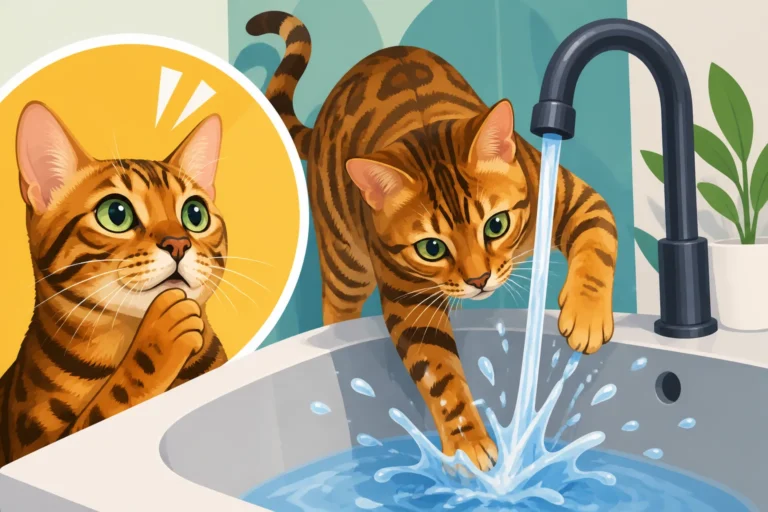
While most Bengals love water, there's a spectrum of enthusiasm. Some will happily bat at a running faucet for hours, creating a mini-flood in your kitchen, or delicately dip a paw into a full bathtub. They might even try to climb into the shower with you, seeking out the warm spray. This kind of interaction is more about play and exploration.
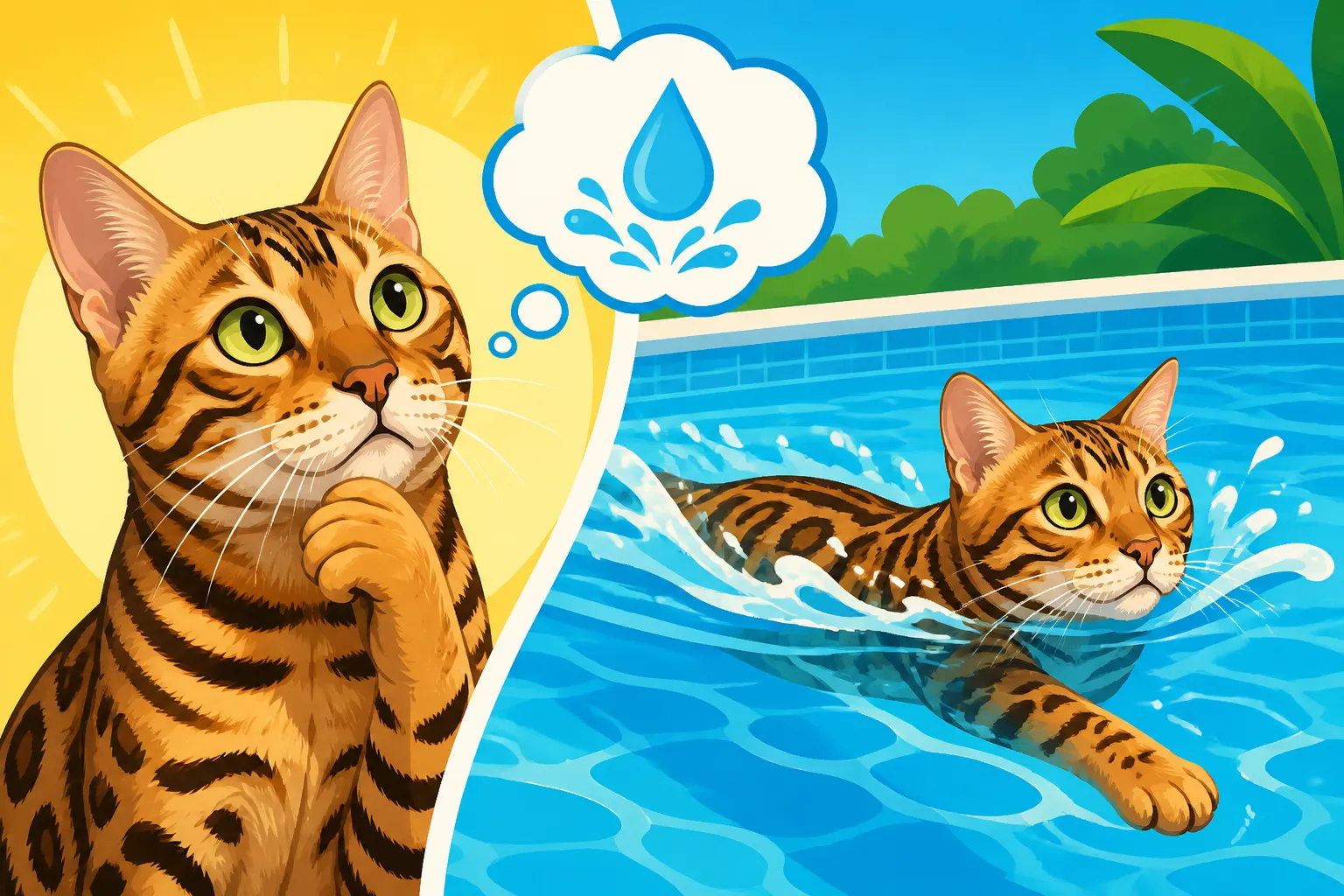
However, true swimming in a larger body of water like a pool is a different ballgame. Some Bengals will take to it like a duck to water, paddling confidently and moving through the water with purpose. Others, despite their general water affinity, might find a large, deep pool intimidating or simply prefer their water activities to be more shallow and contained. It really boils down to the individual cat's personality and comfort level. You might have one Bengal who attempts to join you every time you get into the pool, while another will only watch from the sidelines, occasionally dipping a paw in the very shallowest part. It’s important never to force a Bengal (or any cat) into water if they show signs of fear or distress. Their love for water is natural, but their personal preference for how they engage with it is unique to them.
Assessing the Risks of Pool Swimming for a Bengal Cat
While the image of your Bengal cat gracefully swimming laps in your pool might seem appealing, it’s crucial to understand that a human swimming pool presents a different set of challenges and potential dangers compared to a natural body of water. Chlorine, slippery edges, and steep sides are all factors that can turn a fun splash into a serious hazard.
Chemical Exposure and Skin Irritation
The biggest concern with swimming pools is, of course, the chemicals. Most pools are treated with chlorine, along with various algaecides and pH balancers, to keep the water clean and safe for humans. However, these chemicals are not designed for feline skin, fur, or internal systems.
When your Bengal cat swims in chlorinated water, these chemicals can:
- Irritate skin: Chlorine can dry out and irritate their sensitive skin, leading to itchiness, redness, or even rashes. Bengals have a unique, pelt-like coat, and while it doesn't mat easily, chemical exposure can still strip natural oils and cause discomfort.
- Irritate eyes and nose: Just like in humans, chlorine can cause burning and irritation in a cat's eyes and nasal passages. They might develop red, watery eyes or sneeze excessively after a swim.
- Ingestion risks: Cats are meticulous groomers. After a swim, your Bengal will immediately start licking their fur to clean themselves. This means they will inevitably ingest some of the pool chemicals. While a small amount might not be immediately toxic, repeated ingestion can lead to digestive upset, nausea, vomiting, or, in more severe cases, internal irritation. It's a silent danger that many owners don't fully consider.
The takeaway here is that if your Bengal does swim in a chlorinated pool, immediate and thorough rinsing is absolutely essential to minimize these risks.
Drowning Hazards and Escape Routes
Despite their natural swimming ability, a domestic swimming pool can be a serious drowning hazard for a cat. Unlike a natural pond or riverbank that often has gradual slopes and easy exit points, pools typically have steep, smooth sides that are nearly impossible for a cat to climb out of, especially if they are tired or disoriented. This is a critical factor in Whether a Pool Is Dangerous for a Bengal Cat.
Consider these drowning risks:
- Slippery edges: The coping around a pool can be very slippery when wet, making it hard for a cat to get a grip to pull themselves out.
- Lack of easy exits: Many pools only have ladders for human use, which a cat cannot navigate. Steps might be present, but if they are too deep or the cat doesn't realize they are there, they won't help.
- Fatigue and panic: Even strong swimmers can become exhausted if they can't find an exit. Panic can set in, leading to them swallowing water or struggling until they are too tired to stay afloat.
- Covered pools: A pool cover, especially a thin tarp-like one, can be an invisible death trap. A cat walking on it might fall through into the water underneath and become trapped, unable to surface. Always ensure pool covers are sturdy, taut, and safe, or keep your cat away from them entirely.
If you have a pool and a water-loving Bengal, ensuring accessible escape routes is paramount. A pet-friendly ramp, like those designed for dogs, or a series of gradual steps that are clearly visible and easy for them to use, can be a lifesaver. Never assume your Bengal will simply "figure it out." Constant, vigilant supervision is the only true way to prevent a tragic accident.
Making Pool Time Safe and Enjoyable for Your Bengal
If your Bengal cat shows a keen interest in the pool and you're determined to let them indulge their aquatic instincts, safety must be your absolute top priority. It's not about prohibiting their natural curiosity, but about channeling it into safe, supervised experiences.
Supervised Introduction to the Pool
The key word here is "supervised." Never, ever leave your Bengal cat unattended near a pool, especially during their first introductions. A gradual, positive approach is crucial to ensure they have a good experience and learn how to navigate the water safely.
Here’s how you can introduce your Bengal to the pool:
- Start shallow: Begin by letting them explore the shallowest end of the pool or a set of wide, shallow steps. You can place a favorite waterproof toy just within reach to encourage them.
- No forcing: Never throw your cat into the water or push them in. This will only create fear and a negative association, potentially making them terrified of water forever. Let them approach at their own pace.
- Positive reinforcement: Use treats and praise lavishly when they show any positive interaction with the water, even if it's just dipping a paw.
- Consider a life vest: For initial swims, or if your pool has no easy exits, a cat-specific life vest can provide extra buoyancy and peace of mind. These are readily available on platforms like Amazon and can be invaluable. It gives them confidence and buys you precious seconds if they struggle.
- Show them the exit: Gently guide them to the exit ramp or steps repeatedly so they understand how to get out. You can even place a treat on the steps to lure them out. This is a crucial step that can prevent panic if they accidentally fall in.
Remember, a Bengal's natural athleticism and intelligence mean they can swim well, but a pool is an artificial environment. Their first few encounters should be calm, reassuring, and always under your watchful eye. How Well a Bengal Cat Swims can be quite impressive, but they still need to learn the boundaries of a pool environment.
Post-Swim Care and Health Considerations
The fun doesn't end when your Bengal climbs out of the pool. What happens after the swim is just as important for their health and well-being.
- Immediate rinsing: As soon as they are out of the pool, give them a thorough rinse with clean, fresh water. This is vital to wash off any chlorine and other pool chemicals that could irritate their skin or be ingested during grooming. Think of it like taking a quick shower yourself after a dip.
- Thorough drying: After rinsing, dry your Bengal as thoroughly as possible. Use a soft towel to pat them down, and for longer-haired Bengals (though less common, some have slightly longer coats), you might even use a low-heat hairdryer if they tolerate it. Pay special attention to their ears and paws.
- Ear care: Moisture trapped in the ears can lead to uncomfortable and sometimes persistent ear infections. Gently clean their outer ears and dry them. If your cat is prone to ear issues, consider using an ear-drying solution recommended by your vet.
- Temperature regulation: Bengals have a relatively thin coat compared to many domestic breeds, which can make them susceptible to getting cold quickly, especially if it’s windy or the air temperature isn’t warm. Ensure they have a warm, dry spot to relax and fully dry off. This is a key consideration, especially if you're wondering Whether a Bengal Cat Gets Cold After Water Play.
- Monitor for irritation: Keep an eye on their skin for any signs of redness, itching, or flaking in the days following a swim. Check their eyes for irritation or excessive tearing. If you notice anything concerning, consult your veterinarian.
- Hydration: Always ensure fresh drinking water is readily available, especially after any physical activity like swimming. They might be tempted to drink pool water, but this is best avoided due to chemicals.
By following these post-swim care steps, you can help mitigate the risks associated with pool chemicals and ensure that any pool adventures remain a positive and healthy experience for your adventurous Bengal.
Alternatives to Pool Swimming for Water-Loving Bengals
Not everyone has a pool, and even if you do, the concerns about chemicals and safety might mean you prefer other options for your water-loving Bengal. Luckily, there are plenty of safe and fun ways to satisfy their aquatic urges without the risks of a chlorinated pool.
Controlled Water Play Indoors
Your home offers many opportunities for your Bengal to indulge their water obsession in a safe, controlled environment. These activities minimize exposure to chemicals and ensure easy supervision.
- Running Faucets & Sinks: This is a classic Bengal favorite! Many Bengals are mesmerized by a gently running faucet. You can let a small stream run in a clean sink, and they'll happily bat at it, drink from it, and even try to "catch" the water. Just be mindful of potential flooding if they get too enthusiastic; some Bengals are known to try and turn faucets on themselves! You might want to explore tips on How to Stop a Bengal Cat Flooding the Bathroom.
- Shallow Bathtubs or Laundry Tubs: Fill a clean bathtub with just an inch or two of warm water and toss in some floating toys, like ping-pong balls or special Which Water Toy Suits a Bengal Cat. This provides a contained, safe splash zone. Many Bengals will join you in the bath (Why a Bengal Cat Joins You in the Bath) or happily share one (How Much a Bengal Cat Enjoys a Bath), but a dedicated shallow tub can be great for solo play.
- Water Bowls with a Twist: Instead of a regular bowl, consider a large, heavy ceramic or stainless steel bowl that's harder to tip over. Add some floating catnip toys or small ice cubes for them to "fish" out.
- Pet Water Fountains: These are fantastic for Bengals. The circulating water is appealing, encourages hydration, and many Bengals love to play with the stream. Look for durable models on Amazon that are designed to be stable and easy to clean, as your Bengal might try to dismantle it! Finding Which Water Fountain Survives a Bengal Cat is key.
- Wet Play Mats: Some pet stores sell waterproof play mats or snuffle mats that can be dampened and used for scent work and play, combining their hunting instincts with a bit of moisture.
These indoor options offer plenty of engagement and mental stimulation without the worries of harsh chemicals or deep water hazards.
Outdoor Water Features and Kiddy Pools
If your Bengal enjoys the great outdoors, or you have a catio, you can incorporate water play in a way that’s safer than a full-sized swimming pool.
- Small Kiddy Pools: A shallow plastic kiddy pool is an excellent choice. Fill it with just a few inches of fresh, untreated water. Add floating toys, or even some safe, cat-friendly plants for them to investigate. Ensure the pool is placed on a stable, level surface and that your Bengal can easily get in and out. Always supervise these play sessions.
- Garden Water Features (Bird Baths/Ponds): If you have a small, shallow bird bath or a very shallow, safe pond, your Bengal might enjoy batting at the water or watching the reflections. However, be cautious with deeper ponds and ensure they have easy escape routes. Avoid any water features that use harsh chemical treatments.
- Sprinklers/Hoses: On a warm day, a gentle stream from a garden hose or a low-pressure sprinkler can provide immense fun. Many Bengals love to chase and pounce on the moving water. Again, supervision is key to ensure they don't ingest too much tap water (which can sometimes have additives not ideal for cat digestion) and don't get overly cold.
The advantage of these outdoor alternatives is that they use fresh, untreated water, eliminating the chemical concerns of a traditional swimming pool. They provide stimulating and safe ways for your Bengal to engage with water, satisfying their wild instincts in a domesticated setting.
Here's a quick comparison of safe vs. risky pool practices for your Bengal:
| Feature/Practice | Safe Approach | Risky Approach |
|---|---|---|
| Supervision | Constant, direct observation | Leaving cat unsupervised or for "a quick dip" |
| Pool Chemicals | Thorough rinsing immediately after exiting | Not rinsing, allowing self-grooming with chemicals |
| Entry/Exit | Pet-friendly ramps, shallow steps, clear escape routes | Steep, slippery edges; only human ladders/steps |
| Introduction | Gradual, positive reinforcement, never forced | Throwing cat in, forcing interaction, scaring the cat |
| Safety Gear | Using a cat life vest for nervous swimmers or new environments | Relying solely on natural swimming ability |
| Post-Swim Care | Thorough drying, ear checks, warm resting spot | Leaving wet, ignoring potential ear/skin issues |
| Water Source Preference | Fresh, untreated water from kiddy pools or indoor taps | Directly drinking chlorinated pool water |
Disclaimer
This article is for general informational purposes only and does not constitute professional advice. Laws, prices and regulations vary by location and change over time. Consult a qualified professional for guidance on your specific situation.