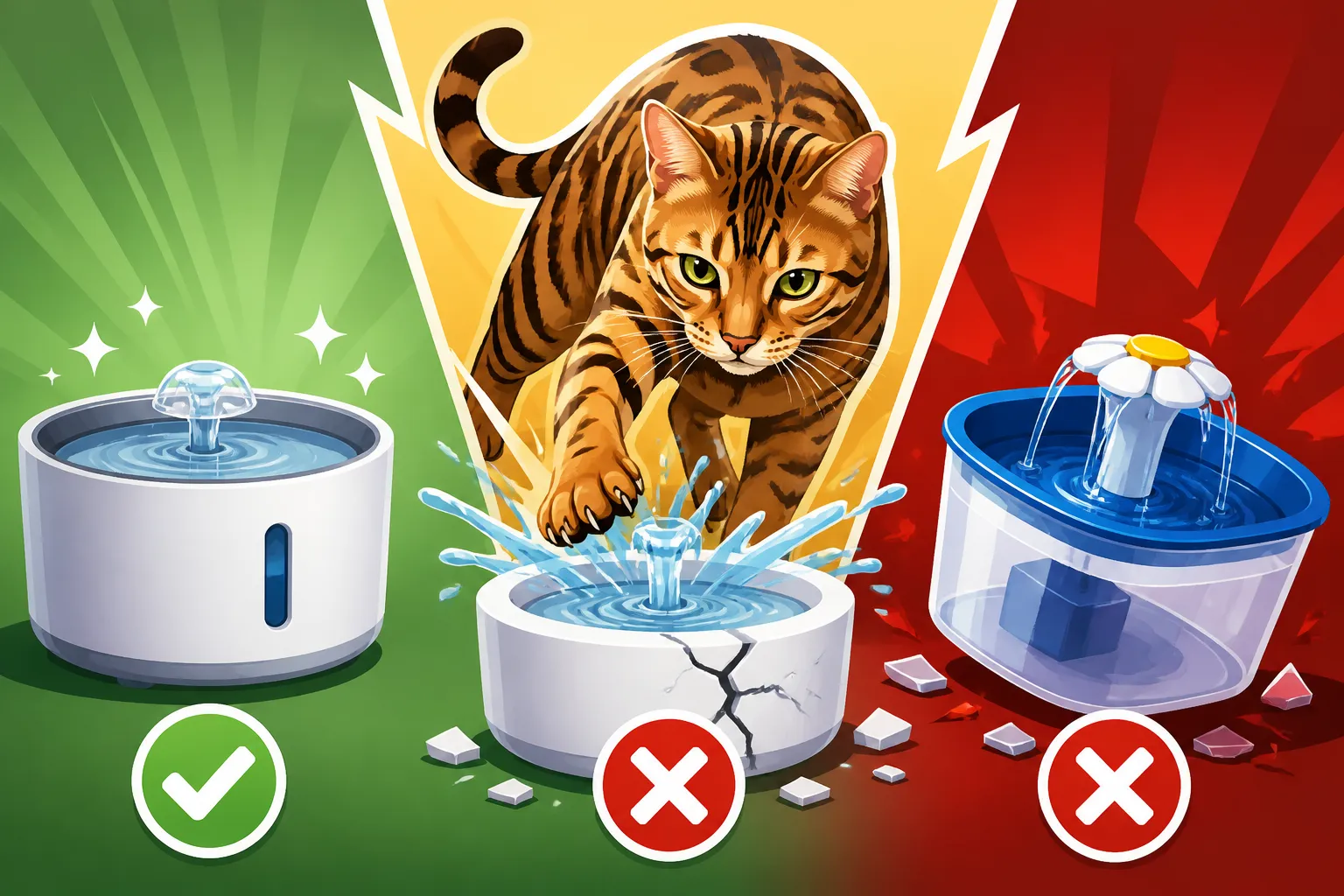
Which Water Fountain Survives a Bengal Cat
If you're living with a Bengal cat, you know their passion for water runs deep – perhaps a little too deep for your average pet fountain! Many owners find themselves replacing flimsy plastic bowls or cleaning up elaborate puddles after their clever felines decide the water source is also a toy. This guide is dedicated to helping you navigate the world of pet hydration, uncovering which water fountains truly stand a chance against your Bengal's wild instincts, keeping them happily hydrated without turning your home into a splash zone.
Why a Bengal Cat Needs a Water Fountain (and Why They Destroy Them)
Let's be real, a Bengal cat isn't just any housecat. Their connection to water isn't just a quirk; it's practically coded into their DNA, a throwback to their wild Asian Leopard Cat ancestors who were quite comfortable fishing in streams. This innate fascination means they don't just drink water; they interact with it, often with an enthusiasm that can be… challenging for standard pet accessories.
The Bengal's Obsession with Water
Your Bengal's wild heritage plays a huge role in their water-loving antics. Unlike many domestic cats who might view standing water with suspicion, Bengal cats often see it as a source of endless entertainment and a natural part of their environment. You might notice them pawing at their water bowl, dipping their heads in, or even trying to "fish" out imaginary prey. It’s not just playful; it's instinct. This deep-seated desire for moving water is why still water in a bowl often gets ignored, leading many Bengals to seek out alternative sources, like dripping faucets or even the toilet. If you've ever wondered Why a Bengal Cat Loves Water, it really comes down to this instinctual connection.
This isn't just about fun; it's about health, too. Cats, in general, aren't naturally inclined to drink enough water, often leading to kidney and urinary tract issues down the line. Moving water, like that in a fountain, is far more enticing than stagnant water, encouraging your Bengal to drink more frequently. This increased hydration is crucial for their overall well-being and can help prevent common feline health problems. Ensuring they have access to appealing fresh water is one of the best things you can do for them.
The allure of fresh, flowing water is irresistible to them. Think about it from their perspective: a constantly circulating stream looks and tastes fresher than water that's been sitting in a bowl all day. The sound of the trickling water can also be a significant draw, activating their natural curiosity and making the act of drinking a more engaging experience. This is particularly important for such an active and intelligent breed that needs constant mental and physical stimulation.
The "Play" Factor
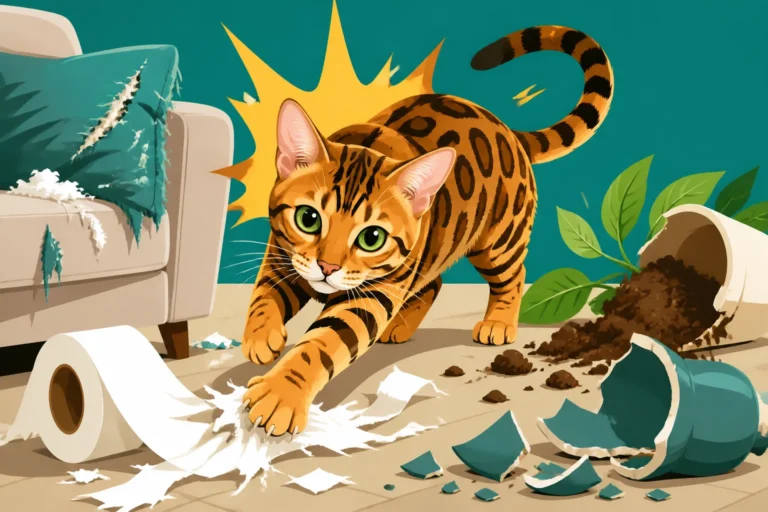
The problem arises when your Bengal cat's love for water merges with their incredibly intelligent and playful nature. A typical lightweight plastic fountain isn't just a drinking device; it's a new toy waiting to be explored, disassembled, or simply tipped over. They might bat at the stream, try to dig in the reservoir, or even attempt to pull it apart to figure out how it works. Why a Bengal Cat Plays in Its Water Bowl is closely related to this exploratory behavior, and a fountain just takes it to the next level.
This playful exploration often results in a flooded floor, a fountain full of toy mice, or a completely empty reservoir. It's frustrating, of course, but it's important to remember they're not doing it to be naughty. They're just being Bengals! Their curiosity and energy levels mean they interact with their environment in a much more hands-on way than many other breeds. What looks like destructive behavior to us is simply enriched play to them, and finding solutions that accommodate this is key to a happy household.
Their clever paws and determined nature mean that any loose component, unlatched lid, or easily nudged base is an open invitation for an engineering project. I've heard stories of Bengals figuring out how to turn on a faucet for a drink – imagine what they can do to a simple water fountain! This makes selecting a fountain a strategic decision, not just a matter of aesthetics or price. You need something that can withstand a small, spotted tornado of curiosity and energy.
Common Fountain Fails
So, what typically goes wrong with most fountains when a Bengal gets involved? It usually starts with tipping. A lightweight plastic fountain, no matter how cute, stands no chance against a determined Bengal who decides it's in the way or wants to see what's underneath. Next up are the unsecured lids. Many fountains have lids that simply rest on top, and a Bengal will quickly discover they can be popped off, allowing full access to the pump and the glorious, gushing water beneath. The result? Water everywhere.
Another common issue is the material itself. While plastic is affordable, it's often not durable enough. Bengals can chew on plastic components, scratch the surface, or even simply degrade it faster through constant interaction. Plus, plastic can harbor bacteria more easily if not cleaned meticulously, which is a concern for any cat, but especially one constantly dunking their paws in it. Beyond that, the pumps themselves can become targets. A Bengal, trying to understand the source of the flow, might dislodge the pump or chew through cords if they can get to them.
Finally, the noise and vibration can be an issue. Some cats, especially sensitive ones, are put off by the hum of a cheap pump. While a Bengal might ignore it if the water is fun enough, a quiet fountain is generally preferable for both cat and owner. The ideal fountain needs to be a fortress of hydration, designed to withstand the enthusiastic attention of a highly intelligent and active feline.
Key Features for a Bengal-Proof Water Fountain
When you're facing a Bengal cat who views their water fountain as an elaborate puzzle or a personal swimming pool, you need to think differently. Forget the flimsy, forget the basic. We're looking for fortresses of hydration here! The key is to find materials and designs that can withstand a relentless barrage of curious paws, determined nudges, and even the occasional full-body dunk.
Material Matters
This is perhaps the most critical factor. For a Bengal cat, the material of the fountain determines its survival rate.
- Stainless Steel: If there's one material to bet on, it's stainless steel. It's incredibly durable, resistant to scratches, bites, and tipping. It’s also hygienic, as stainless steel is non-porous and less likely to harbor bacteria than plastic. This means fewer odors and a cleaner drinking surface for your cat. Many robust options can be found on sites like Amazon, specifically designed for multi-cat households or larger breeds. While they might be a bit pricier upfront, the longevity and peace of mind they offer are often worth the investment.
- Ceramic: Ceramic fountains are another excellent choice for durability and weight. They are significantly heavier than plastic, making them much harder for a Bengal to tip over. Ceramic is also non-porous and easy to clean, contributing to better hygiene. The downside is that ceramic can chip or break if dropped, so they might not be ideal if your Bengal is prone to knocking things off shelves (which, let's be honest, many are!). However, for sheer stability, they are hard to beat and can be very aesthetically pleasing.
- Plastic: While many fountains are made of plastic, it's generally not the best choice for a Bengal. They can be lightweight and easily tipped, scratched, or even chewed. Over time, plastic can develop micro-scratches where bacteria can hide, making it harder to keep truly clean. If you absolutely must go with plastic, look for heavy-duty, BPA-free options with a wide, stable base and a very secure lid, but prepare for the possibility of it being outsmarted or out-pummeled by your clever cat.
Stability and Weight
A lightweight fountain is simply an invitation for disaster with a Bengal. You need something substantial. Look for fountains with a wide base that makes them inherently stable. The heavier, the better. This goes hand-in-hand with material – ceramic and stainless steel naturally provide more heft than plastic. Consider the overall footprint of the fountain; a broader base provides better resistance to tipping.
Some fountains feature rubberized feet or non-slip pads on the bottom. While these are helpful, don't rely solely on them if the fountain itself is light. A determined Bengal can still slide or push a light fountain, especially if they're trying to investigate the area behind it. The goal is to make it as difficult as possible for them to move, which means the combination of a heavy material and a stable design is paramount. Imagine your cat putting their full weight into a push or a head-butt – the fountain needs to stand firm.
Another aspect of stability is how the different parts fit together. If the reservoir and drinking basin are separate pieces that just stack, your Bengal might figure out how to disconnect them. Look for designs where components lock securely into place, or where the entire unit feels like one cohesive, sturdy structure. You want minimal wiggling, rattling, or easy separation of parts, as this will inevitably be exploited by an intelligent feline.
Design for Durability
Beyond material and weight, the overall design plays a huge role in a fountain's resilience.
- Enclosed Reservoirs: This is crucial. If your Bengal can easily access the main water reservoir or the pump area, they will. Look for fountains where the water is contained within a solid, sealed unit, with only the drinking surface and a controlled flow accessible. This prevents them from "fishing" out the pump or contaminating the stored water.
- Secure Lids: If a fountain has a lid, it needs to be secure. We're talking twist-locks, sturdy clips, or heavy, interlocking designs, not just a lid that rests on top. A simple lid is a challenge your Bengal will happily accept and conquer, often leaving you with a wet mess.
- Minimal Splash Points: While some Bengals love to splash, reducing the opportunities for excessive water play can save your floors. Look for fountains with deeper drinking basins or designs that minimize wide, open surfaces where water can be easily batted out. A multi-tiered design with a smaller, contained stream might be more effective than a wide, open pooling area.
- Hidden Cords: Any visible cord is a potential chew toy for a curious cat. Choose fountains with integrated cord channels or design features that keep the power cord tucked away and out of sight. Safety first! This also applies to any exposed wiring around the pump; ideally, all electrical components should be safely encased and out of reach.
Filtration and Maintenance
While not directly about durability against your Bengal's antics, good filtration and ease of maintenance are vital for keeping the fountain clean and functional, especially when your cat is actively playing in it. A Bengal's enthusiastic interaction can introduce more debris, dust, and even tiny toys into the water, making robust filtration even more important.
Fountains should come with a good quality activated carbon filter to remove odors, tastes, and impurities, and a foam filter to catch hair and debris. Having easy access to these filters for regular replacement is key. If changing filters is a complicated ordeal, you're less likely to do it as often as needed, which can lead to a dirty fountain and even pump failure. Some filters are quite robust and can withstand a bit of extra cat hair and playful debris.
Ease of cleaning the entire unit is also paramount. Fountains need to be disassembled and thoroughly cleaned at least once a week to prevent biofilm buildup. Look for designs with minimal nooks and crannies where slime can accumulate, and parts that are dishwasher safe (for non-electrical components) can be a real time-saver. A fountain that's a nightmare to clean will eventually become a forgotten, dirty corner, no matter how Bengal-proof its exterior. Remember, What a Bengal Cat's Gut Is So Sensitive means clean water is extra important for them.
Top Contenders: Water Fountains That Can Handle a Bengal
When it comes to selecting a water fountain that can truly stand up to the robust enthusiasm of a Bengal cat, you'll quickly realize that the typical pet store offerings often fall short. We're looking for champions, the gladiators of hydration, built to last and designed to resist the most determined feline engineering efforts.
Stainless Steel Champions
Stainless steel fountains are often your best bet for a Bengal. Their inherent weight and material strength make them incredibly difficult to tip, scratch, or chew. When you're browsing for these, especially on platforms like Amazon, you'll notice several key design trends that make them superior.
Firstly, look for models that have a seamless construction or very tightly fitting parts. This minimizes potential weak points where your Bengal might try to pry things apart. Many stainless steel fountains come with a secure, heavy lid that either twists into place or is weighty enough to deter most attempts at removal. The larger capacity models tend to be heavier and therefore more stable, which is a bonus for a cat that drinks a lot and perhaps enjoys a little splash-and-dash.
Secondly, consider the pump housing. The best stainless steel fountains will have the pump completely enclosed within the unit, making it inaccessible to curious paws. This not only protects the pump from damage but also prevents your Bengal from dislodging it and turning the fountain into a non-functional decoration. While some metallic sounds might be present, many modern stainless steel fountains are designed with very quiet pumps, ensuring they don't add unwanted background noise to your home. How Much a Bengal Cat Drinks a Day can be significant, so a reliable, high-capacity stainless steel fountain is often ideal.
Heavy Ceramic Options
For those who prefer a more aesthetic or natural look, heavy ceramic fountains can be an excellent alternative to stainless steel. Their primary advantage is their substantial weight, which makes them incredibly stable and virtually impossible for a Bengal to tip over during a playful outburst. The non-porous nature of ceramic also makes them easy to clean and less prone to bacterial growth, similar to stainless steel, ensuring fresh water for your feline friend.
When choosing a ceramic fountain, pay close attention to the design of the drinking basin and how the water flows. Some ceramic fountains have broad, shallow basins that might still invite a fair amount of splashing from a playful Bengal. Opt for designs with deeper bowls or those that direct the water flow more vertically, minimizing large surface areas for batting. Also, ensure any lid or top piece is heavy and fits snugly, preventing easy removal. While ceramic can chip if dropped, its heft provides inherent stability against the lateral pushes and nudges your Bengal might attempt.
However, a key consideration with ceramic is the cleaning process. While easy to wipe down, disassembling and moving a heavy, water-filled ceramic fountain for a deep clean can be cumbersome. If you choose ceramic, make sure you're comfortable with its weight and understand how to handle it to avoid accidental drops. Despite this, for many, the combination of stability, hygiene, and visual appeal makes heavy ceramic a strong contender for a Bengal-proof watering solution.
Smart Features to Consider
Beyond the basic materials, modern water fountains offer a range of smart features that can enhance the user experience for both you and your Bengal.
- Motion Sensors: Some fountains are equipped with motion sensors that activate the water flow only when your cat approaches. This can conserve energy, extend the life of the pump, and reduce continuous noise. For a Bengal, this might also add an element of intrigue, making the fountain even more appealing as a dynamic source of water. However, consider if a constant flow is more enticing for maximum hydration.
- Multiple Flow Settings: Fountains with adjustable flow rates allow you to customize the stream to your Bengal's preference. Some cats prefer a gentle bubble, while others are drawn to a strong, cascading stream. Experimenting with different settings can help you find what encourages your Bengal to drink the most without inviting excessive splashing.
- Water Level Indicators: While not strictly "smart," a clear water level indicator or a transparent reservoir (if plastic) can be incredibly helpful. This allows you to quickly see when the fountain needs refilling, preventing the pump from running dry and burning out, or your Bengal from being left without water. For larger stainless steel units, a clear window is a useful addition.
- UV Sterilization: A few high-end fountains now incorporate UV-C sterilization to kill bacteria and viruses in the water. While not common, for a cat that actively plays in its water, this could be an added layer of hygiene. However, ensure such features are robustly integrated and not easily tampered with by a curious Bengal.
| Fountain Material | Pros for Bengal Cats | Cons for Bengal Cats | Maintenance Considerations |
|---|---|---|---|
| Stainless Steel | Highly durable, scratch-resistant, heavy (hard to tip), hygienic, sleek look. Often has secure lids. | Can be more expensive, some cats dislike metallic taste/sound, can be noisy if pump is low quality. | Easy to clean, often dishwasher safe (components), non-porous. Regular filter changes. |
| Heavy Ceramic | Very heavy and stable (virtually untippable), aesthetically pleasing, hygienic (non-porous), quiet operation. | Can chip or break if dropped, heavier to disassemble and clean, generally more expensive. | Easy to wipe, requires careful handling for deep cleaning, non-porous. Regular filter changes. |
| High-Quality Plastic | More affordable, wide range of designs/colors, typically lighter (easier to clean/refill). | Can be tipped by determined Bengals, prone to scratches/chewing, can harbor bacteria over time, less durable. | Often dishwasher safe, lightweight for cleaning, requires vigilant cleaning to prevent biofilm. |
Making Your Chosen Fountain Bengal-Proof
Even with the most robust fountain, a Bengal cat's ingenuity can sometimes surprise you. It's not just about the fountain itself, but how you integrate it into your home and how you encourage your cat to use it appropriately. You're aiming for a setup that discourages mischief while maximizing hydration. Think of it as creating a "water zone" that satisfies their instincts in a controlled way.
Placement is Key
Where you put the fountain makes a world of difference. Don't just tuck it away in a corner where it might get knocked or ignored.
- Choose a Low-Traffic, Stable Location: Avoid placing the fountain in high-traffic areas where it might be accidentally bumped by humans or other pets. A quiet, stable spot against a wall in the kitchen or a utility room is often ideal. Ensure it's on a hard, level surface – never on a rug or carpet, as these can dampen quickly and harbor odors if splashes occur.
- Away From Food Bowls: Cats instinctively prefer to drink away from their food sources, a trait thought to originate from their wild ancestors avoiding contaminating their water with prey remnants. Placing the fountain in a separate area from their food bowl, even if it's just a few feet away, can encourage more drinking.
- On a Protective Mat: Despite your best efforts, some splashing is inevitable with a Bengal. Place the fountain on a large, non-slip mat specifically designed for pet food and water bowls. These mats typically have raised edges to contain spills and are easy to wipe clean. This saves your floors and reduces potential clean-up headaches. Even the most "splash-proof" fountain can't account for a Bengal who decides to dig in the water with their paws for fun!
- Consider a Designated "Water Station": If you have the space, creating a small, dedicated "water station" with a wall behind it and a good mat can be beneficial. This makes it clear to your Bengal that this is their special drinking area, and the solid wall can help contain any stray droplets that fly during vigorous drinking or pawing. How Much of a Bengal Cat's Water Ends Up on the Floor often depends on how well you prepare the area around it.
Training and Redirection
While Bengal cats are notoriously independent, positive reinforcement can still go a long way in shaping their interaction with the fountain. It's about teaching them how to use it in a way that works for everyone.
- Initial Introduction: When you first introduce the fountain, let your Bengal explore it on their own terms. You can try putting a few of their favorite treats near it to create positive associations. Never force them to drink from it. The sound of the flowing water might be new to them, and they need time to adjust.
- Redirect Playful Behavior: If you see your Bengal starting to bat excessively at the water or trying to tip the fountain, gently redirect their attention to an appropriate toy. Offer them a wand toy or a puzzle feeder that engages their hunting instincts in a non-destructive way. Consistency is key here. Every time they start to "play" inappropriately with the water, redirect them. This is part of How Clever a Bengal Cat Is – they learn from your responses.
- Multiple Water Sources: Even with a great fountain, it’s wise to offer other water sources. This might include a heavy ceramic bowl in another room, or even simply leaving a tap dripping slightly (if you're comfortable with the water waste, as How a Bengal Cat Turns on a Faucet shows they might do it themselves!). Having options ensures they always have access to water, even if they temporarily lose interest in or are "punished" for playing with the fountain.
- Reinforce Proper Drinking: When you see your Bengal drinking politely from the fountain, offer quiet praise or a small, healthy treat. This positive reinforcement helps them associate calm drinking with good outcomes. It’s a subtle way of encouraging the behavior you want.
Regular Cleaning
A clean fountain isn't just about hygiene; it's also about continued appeal. A dirty fountain, even a durable one, will be less enticing and could lead to health issues or your Bengal seeking water elsewhere.
- Daily Rinsing and Refilling: At a minimum, the fountain's reservoir should be rinsed and refilled with fresh water daily. This prevents the water from becoming stagnant and keeps it tasting fresh. A quick wipe of the drinking surface can also remove any loose debris or cat hair.
- Weekly Deep Clean: Once a week, fully disassemble the fountain and clean all components thoroughly. Use warm, soapy water and a bottle brush or small cleaning brush to get into all the nooks and crannies, especially around the pump. Rinse everything thoroughly to remove any soap residue. This is vital to prevent biofilm (that slimy pink or black residue) from building up. If possible, run non-electrical parts through the dishwasher.
- Filter Replacement: Follow the manufacturer's recommendations for filter replacement, typically every 2-4 weeks. If your Bengal is particularly messy or you have multiple cats, you might need to change them more frequently. Keep a supply of replacement filters on hand, which you can easily order from places like Amazon. A fresh filter ensures the water remains clean and free of odors and impurities.
- Pump Maintenance: Don't forget the pump! Over time, hair and debris can clog the pump, reducing water flow and potentially burning out the motor. During your weekly deep clean, disassemble the pump (most are designed to be taken apart easily for cleaning) and remove any hair or debris from the impeller. This routine maintenance will significantly extend the life of your fountain, making that initial investment worthwhile.
Backup Plans
Even with the best planning, a Bengal can sometimes be unpredictable. Having a backup plan ensures your cat is never without water.
- A Simple, Heavy Bowl: Always keep a backup water bowl available, preferably a heavy ceramic or stainless steel one that's hard to tip. This is critical if the fountain malfunctions, you're away for a weekend, or your Bengal simply decides they're "over" the fountain for a bit.
- Consider a Second Fountain: If you have a particularly persistent or multi-cat household, a second, equally sturdy fountain in a different location might be a good idea. This provides options and redundancy, ensuring constant access to appealing, flowing water. How Much Enrichment a Bengal Cat Actually Needs sometimes means having multiple engaging resources.
- Monitor and Adapt: Pay attention to how your Bengal interacts with the fountain. Are they drinking more? Less? Are they still trying to tip it? Adapt your strategy as needed. Sometimes a change in fountain placement or even the type of water flow can rekindle their interest or deter unwanted behavior. Owning a Bengal is a journey of constant learning and adaptation!
Disclaimer
This article is for general informational purposes only and does not constitute professional advice. Laws, prices and regulations vary by location and change over time. Consult a qualified professional for guidance on your specific situation.