Whether a Bengal Cat Was Ever the World’s Most Expensive Cat
A Bengal cat’s striking coat and limited availability can make one seem like a contender for the world’s most expensive cat, but “most expensive” depends on what was actually sold and how the record was verified. This guide separates Bengal prices from headline-grabbing claims about other cats, explains why those claims are hard to compare, and shows what a high purchase price does—and does not—tell you.
Has a Bengal cat held the world’s most expensive cat record
The short answer depends on what counts as a record
There is no widely accepted, independently verified record establishing that a Bengal cat was definitively the world’s most expensive cat. That does not mean Bengals have never sold for substantial sums. A sought-after kitten from a carefully planned breeding program can cost far more than an ordinary pet cat, especially when buyers are looking for a particular pedigree, pattern, or show potential. But a high sale price for one Bengal does not, by itself, make the breed the most expensive in the world.
The difficulty is that “most expensive cat” can mean several different things. It might refer to the highest documented amount paid for a cat, the asking price advertised by a seller, the cost of acquiring a rare breeding animal, or even a publicized estimate rather than a completed sale. Those figures are not interchangeable. A seller can advertise an extraordinary price without finding a buyer willing to pay it.
There is also a difference between a record for an individual cat and a claim about a breed. Even if a Bengal cat were sold for an unusually high amount, that would not prove Bengal cats generally cost more than every other breed. A headline about one exceptional transaction can make a breed sound like the overall record-holder when the underlying evidence supports only a much narrower claim.
For readers asking whether a Bengal was ever the world’s most expensive cat, the most accurate answer is: there are reports and marketing claims about expensive cats, but no clear, broadly recognized record that establishes a Bengal as the definitive winner. If an article or seller makes the claim, look for a named cat, a confirmed sale rather than an asking price, and independent documentation of the transaction.
Why the Ashera claim often enters the conversation
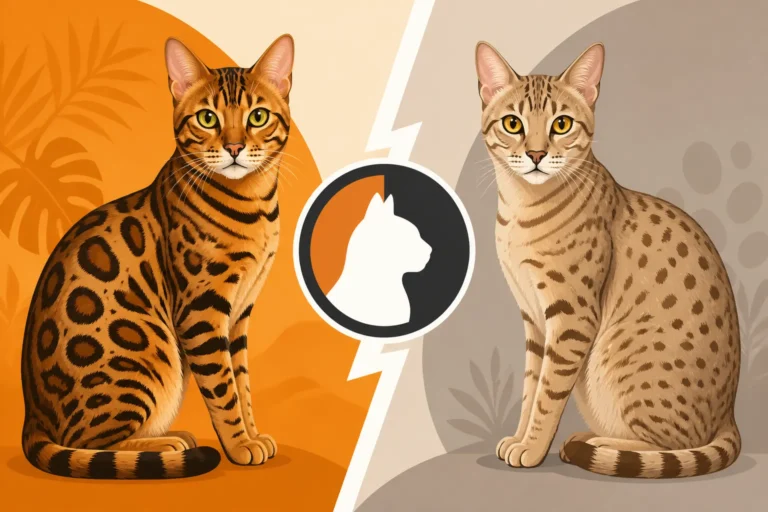
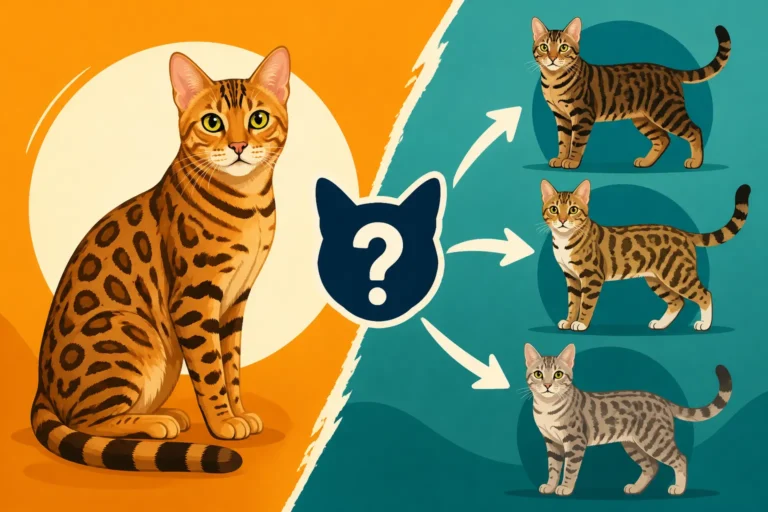
The Bengal is frequently brought up alongside the Ashera, a name used in marketing for a purportedly rare, expensive cat. Publicity around the Ashera has included very high advertised prices and claims about its unusual ancestry. Those claims have been disputed, including questions about whether cats sold under the Ashera name were actually Savannah cats or other hybrid cats.
That controversy matters because an advertised price can become a “record” in retellings even when the cat’s identity, pedigree, or completed sale is not firmly established. The Ashera is not a breed recognized by major cat registries in the same way the Bengal is. So comparing a Bengal’s breeder sale with a headline price attached to an Ashera advertisement may not be a fair, like-for-like comparison.
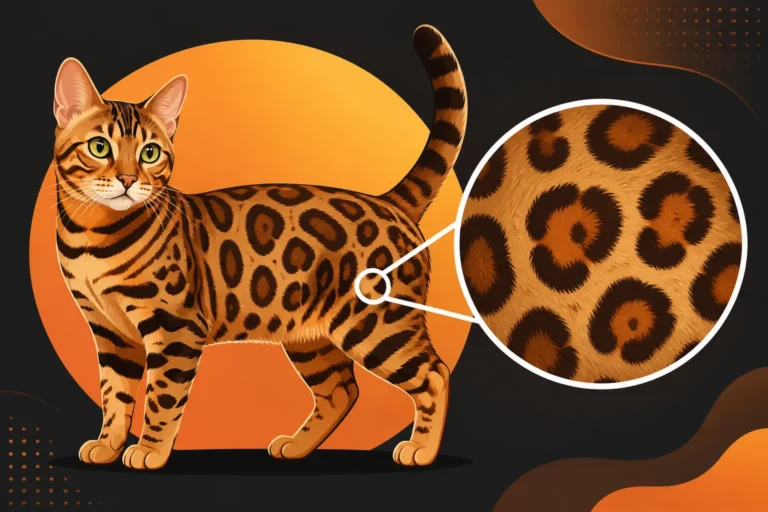
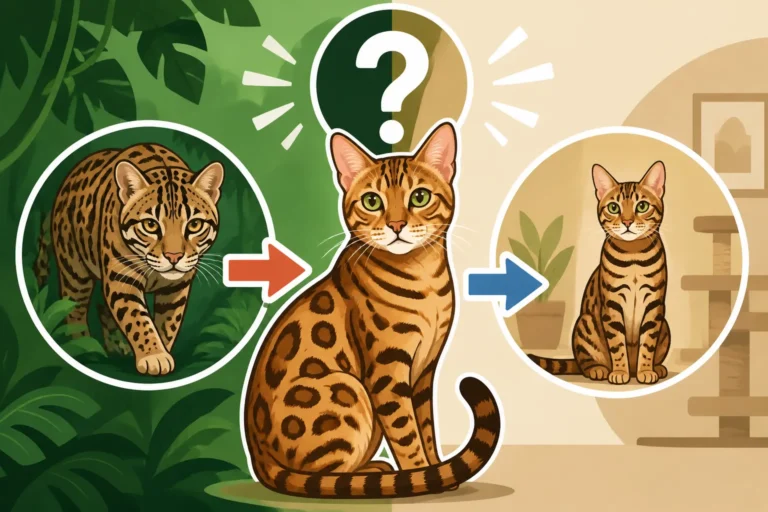
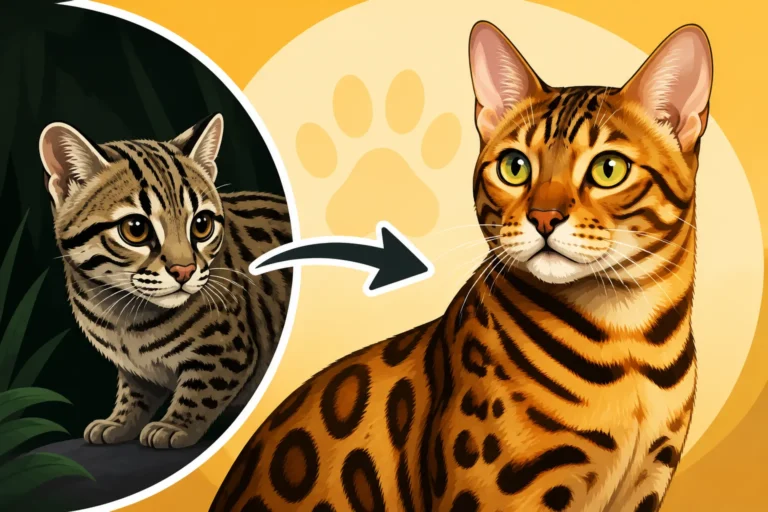
It is also easy to confuse “wild-looking” with “rare breed.” Bengal cats have a domestic breed standard and an established history as a recognized breed. A particular cat’s appearance may be dramatic, but coat markings alone do not prove unusual ancestry, special status, or record-breaking value. For more on how the breed developed, see Where the Bengal Cat Comes From and F1 to SBT: How a Bengal Cat's Generation Is Counted.
A careful reader should treat “world’s most expensive” as a claim to investigate, not a fact to repeat automatically. Ask whether the claim concerns a Bengal, a hybrid advertised under another name, or a cat whose sale was never documented. The distinction can be the difference between an interesting story and a misleading comparison.
Why Bengal cats can command a high price
Pedigree, breeding, and documentation affect value
Bengal kitten prices vary because buyers are not paying for coat pattern alone. A responsible breeder invests time in selecting breeding cats, caring for litters, arranging veterinary care, socializing kittens, and providing records to new owners. A kitten with documented parentage and health information may cost more than a cat whose background is uncertain, although paperwork should always be reviewed rather than treated as proof by itself.
The generation listed in a Bengal’s pedigree can also shape the conversation. Early-generation cats and later-generation Bengals are not interchangeable in terms of ancestry, temperament expectations, or local rules. A seller who uses terms like “rare,” “wild,” or “exclusive” should be able to explain exactly what the pedigree says and what those terms mean. What F1 Means in a Bengal Cat and What SBT Means in a Bengal Cat explain why those labels matter.
Pattern and color can influence buyer interest, too. Rosettes, contrast, and particular color combinations may attract more attention, but popularity is not the same as objective quality. If a seller claims a marking makes a kitten exceptionally valuable, ask what standard or evidence supports that claim. Rosetted Against Marbled: The Two Bengal Cat Patterns and Every Bengal Cat Color the Registries Accept offer helpful context for understanding what you are actually seeing.
A higher asking price is not automatically evidence of better care. A buyer should still ask for clear health records, a written contract, information about the kitten’s parents, and an opportunity to discuss the breeder’s practices. The guide Which Health Results a Bengal Cat Breeder Must Show can help organize those questions before a deposit is paid.
Price is shaped by supply and demand, not just rarity
Bengals are visually distinctive, and social media has made their coats familiar to people who might never have encountered the breed in person. That visibility can increase demand for kittens with especially dramatic markings. When more people want a specific look than there are suitable kittens available, prices may rise. But demand can fluctuate, and one breeder’s pricing does not set a universal value for the breed.
Availability also varies by region. A prospective owner may have to travel, join a waitlist, or consider a breeder farther away. Transport, timing, and the breeder’s placement process can affect the overall expense. These factors can make one kitten seem more costly than another even when the cats have similar pedigrees.
A price comparison is more useful when it is based on what is included. Does the breeder provide registration paperwork, veterinary records, a contract, early socialization, or guidance after the kitten goes home? Are transportation arrangements separate? Does the stated amount apply to a pet placement or a breeding prospect? Those details can change the total cost and make two advertised prices difficult to compare directly.
For a wider look at what causes variation, read Why Bengal Cat Prices Range So Widely and What Separates a Pet From a Show Bengal Cat. These distinctions help explain why the phrase “Bengal price” does not describe one fixed amount—and why a high price tag should prompt questions rather than admiration alone.
| Claim or comparison | What it actually tells you | What it does not prove |
|---|---|---|
| A Bengal kitten has a high asking price | A seller believes a buyer may pay that amount | That the kitten was sold for that amount |
| A kitten has rare-looking markings | The pattern may be less common or especially appealing | That the cat is healthier or has a record-setting pedigree |
| A seller advertises a “world’s most expensive” cat | The claim is part of the seller’s marketing or publicity | That an independent body verified a completed sale |
| A Bengal costs more than a typical pet cat | Demand, breeding, and documentation may affect its price | That Bengals are the most expensive breed overall |
How to assess a record-breaking price claim
Check what was sold and whether the sale happened
Start by looking for the basic details: the cat’s name, breed or claimed type, seller, date of sale, and the amount actually paid. A news story repeating a seller’s advertised price is not the same as evidence of a completed transaction. If the story does not say whether a buyer paid the amount, treat it as an asking-price claim.
Next, examine how the cat is identified. A Bengal should have credible pedigree information if it is being sold as a registered purebred. A photograph of a rosetted cat cannot establish breed on its own; many domestic cats have spotted or marbled coats. The post Whether a Spotted Domestic Shorthair Is a Bengal Cat explains why appearance alone is not reliable proof.
Then consider who verified the transaction. A breeder, seller, or publicity campaign may have a reason to emphasize a record price. Independent documentation, consistent reporting, and transparent details make a claim more credible. If key information is missing, it is reasonable to describe the story as a reported claim rather than a settled record.
Finally, look at what “world’s most expensive” means in the source. Does it compare cats sold at auction, private breeder placements, or advertisements? Does it compare domestic breeds with hybrid cats? Without consistent criteria, a single ranking can be more promotional than meaningful.
Separate purchase price from the real cost of ownership
Even a genuinely expensive kitten is only the first part of the financial commitment. Food, litter, veterinary care, preventive care, enrichment, and suitable equipment continue for years. A Bengal may also need more structured play and a safe way to climb and explore than an owner expects. A large purchase price does not guarantee an easy or inexpensive life afterward.
It helps to list the recurring and occasional expenses before bringing a cat home. Consider regular food and litter purchases, routine checkups, emergency savings, travel arrangements, and replacement toys or scratching surfaces. A retailer such as Chewy may be one place to compare everyday food and litter options, but the important point is to choose products that suit the individual cat and fit a realistic household budget.
For example, an owner might find a food that agrees with a kitten’s stomach and then need to buy it consistently, rather than switching repeatedly in search of a cheaper option. Chewy can be useful for checking whether familiar supplies are available for repeat orders, but availability and product suitability should be considered separately from a Bengal’s purchase price. Owners should also budget for enrichment items that withstand active play, rather than assuming the least expensive option will last.
It is worth pricing the whole commitment before deciding that a Bengal is affordable. A low purchase price can come with unknown health history or limited support, while a higher price does not guarantee that a breeder’s practices are sound. The relevant question is not simply “What did the kitten cost?” but “Can I provide stable care for this cat throughout its life?” For a fuller budgeting framework, see What a Bengal Cat Costs Over Its Lifetime.
What prospective Bengal owners should take away
Be cautious of price claims that rely on hype
A seller who repeatedly emphasizes a record price, “rare” status, or investment potential may be focusing attention on marketing instead of the cat’s welfare and suitability. Cats are companions, not financial assets. Their future health, behavior, and needs cannot be guaranteed by a dramatic sales pitch.
Ask specific questions and take time to read the answers. Request the kitten’s pedigree details, relevant health records, contract terms, and information about how the breeder raises and places kittens. Pay attention to whether the breeder asks about your household and expectations, too. A thoughtful placement process should involve more than choosing a coat pattern and sending payment.
Do not let urgency push you into paying a deposit before you understand what it reserves, whether it is refundable, and what happens if the kitten’s placement changes. If a seller will not provide basic information or pressures you to act immediately, pause. A kitten’s striking appearance can make it tempting to overlook uncertainty, but slowing down protects both the buyer and the cat.
If you are comparing sellers, use the same checklist for each one. Compare documentation, care practices, communication, and what is included—not only the number on the advertisement. A more expensive kitten is not automatically the better choice, and a cheaper kitten is not automatically a bargain.
Choose the right cat, not the record
Bengals can be energetic, intelligent, and demanding of attention. Their appeal is real, but so are the daily responsibilities. Before choosing one, consider whether your home and routine can support interactive play, vertical space, safe exploration, and consistent companionship. If your main motivation is the idea of owning the “most expensive” or most unusual cat, it is worth reflecting on whether the breed’s everyday needs are a good fit.
A rescue or adult Bengal may be a better match for some households than a kitten. An adult’s known temperament can help you understand what daily life may look like, and a rescue organization can often share information about the cat’s preferences and history. The article Where to Find a Bengal Cat Rescue is a useful starting point if you are open to adoption.
Ultimately, the Bengal has a reputation for being valuable because of its distinctive appearance, breeding demand, and careful pedigree work—not because a verified global record clearly establishes it as the world’s most expensive cat. Treat extreme price claims with healthy skepticism, verify the details, and make your decision around responsible care and long-term fit. A well-matched cat is a better outcome than winning an argument about a record.
Disclaimer
This article is for general informational purposes only and does not constitute professional advice. Laws, prices and regulations vary by location and change over time. Consult a qualified professional for guidance on your specific situation.