How a Bengal Cat Differs From an Ocicat
Deciding between a Bengal cat and an Ocicat can feel like you're caught between two amazing, energetic worlds, both with their own unique charm and challenges. Many prospective cat parents find themselves drawn to these spotted beauties, only to realize that beneath the similar patterns lie vastly different personalities and care requirements. This comprehensive guide will walk you through the distinct origins, physical traits, temperaments, and daily needs of both the Bengal and the Ocicat, helping you understand which of these captivating felines might be the perfect fit for your home and lifestyle.
Unpacking Their Wild and Domestic Roots
When you first see a Bengal cat and an Ocicat side-by-side, their striking spotted coats might lead you to believe they share a common ancestor or breeding background. However, nothing could be further from the truth. Their origins tell a fascinating story of deliberate breeding, one reaching into the wild and the other staying firmly within the domestic sphere. Understanding these foundational differences is crucial to appreciating the unique characteristics each breed brings to the table.
The Asian Leopard Cat's Influence on the Bengal
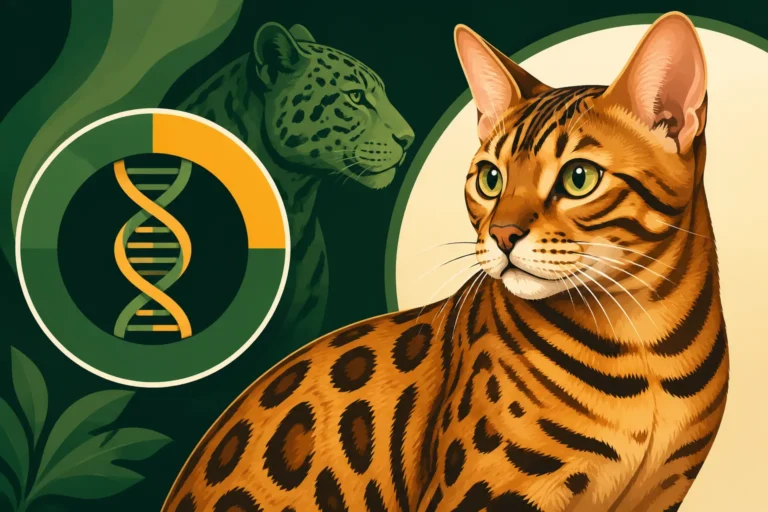
The Bengal cat is truly unique because it's a hybrid, born from a deliberate cross between a domestic cat and a small wild feline called the Asian Leopard Cat (ALC). This isn't just a fun fact; it's the very core of what makes a Bengal a Bengal. The initial breeding programs, famously pioneered by Jean Mill, aimed to create a domestic cat with the exotic beauty and markings of its wild ancestor, but with the gentle temperament of a housecat. This wild heritage is deeply ingrained, especially in the earlier generations (F1, F2, F3) of Bengal cats, which are closer to their ALC roots. Even many generations removed, the influence of the Asian Leopard Cat can be seen in their physicality, their intense energy, and their sometimes unconventional behaviors. A Leopard Cat and a Housecat Made the First Bengal Cat is a great resource if you want to dive deeper into this fascinating history.
This deliberate infusion of wild blood means that Bengal cats carry a piece of the wild in their genes. While modern Bengals (typically SBT, or "Stud Book Tradition" generations, which are four or more generations removed from the ALC) are considered fully domestic, their lineage shapes everything from their muscular build to their unique vocalizations. They are a testament to selective breeding, aiming to maintain that captivating wild aesthetic without the wild nature itself. What an Asian Leopard Cat Is Behind Every Bengal Cat provides even more context on this foundational ancestor. It’s a delicate balance, and breeders work hard to ensure that while the looks are wild, the personality is suitable for a loving home.
The Ocicat's Purely Domestic Lineage
In stark contrast to the Bengal, the Ocicat is 100% domestic, a creation entirely within the realm of established domestic cat breeds. There's no wild blood here, no exotic jungle cat in its family tree. The Ocicat came about in the 1960s, somewhat serendipitously, when a breeder aimed to develop an Abyssinian-pointed Siamese. The unexpected result was a kitten with beautiful golden spots on an ivory background – a little "ocelot-like" cat, hence the name "Ocicat." This initial cross then involved American Shorthairs to bring in robust bone structure and a wider range of colors and patterns. The breed was accepted by TICA (The International Cat Association) much later than the Bengal, but its journey was entirely different.
What this domestic lineage means for the Ocicat is a truly predictable and well-established temperament. They don't have the "wild card" genetics that can sometimes peek through in Bengals. Instead, Ocicats inherited the intelligence, sociability, and playful nature of their founding breeds. Their development was about combining the best traits of existing domestic cats to produce a new breed with an exotic look, but without any of the challenges that can come with a wild hybrid background. This makes them a fantastic choice for families seeking an active, engaging companion without the primal instincts that can sometimes surface in hybrid breeds.
A Tale of Two Spotted Coats: Appearance Distinctions
While both Bengals and Ocicats are celebrated for their striking spotted coats, a closer look reveals significant differences in their markings, coat texture, body type, and overall appearance. These distinctions are not just superficial; they are intrinsically linked to their genetic heritage and contribute to their unique charm.
The Bengal's Signature Rosettes and Glittering Pelt
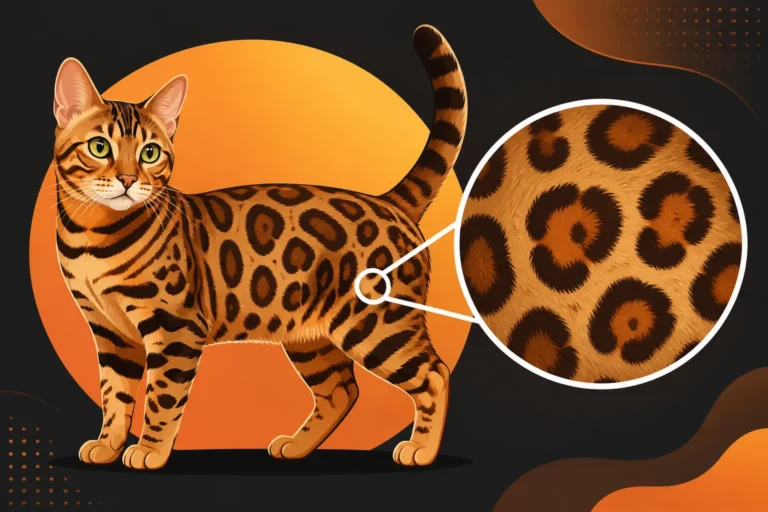
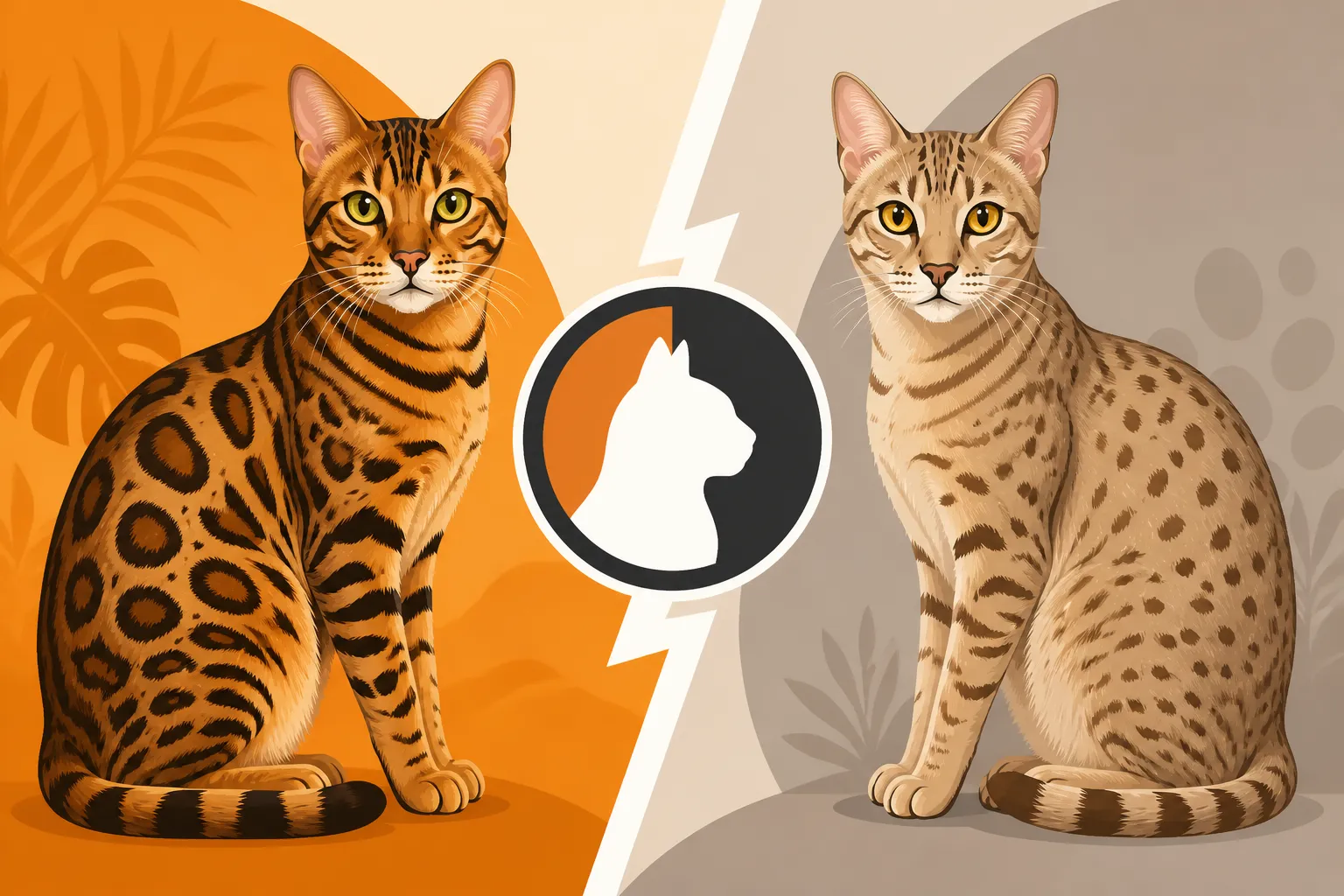
The Bengal cat's coat is arguably its most famous feature, and for good reason. It's often described as a "pelt" rather than fur, possessing an incredibly soft, silky texture that feels unlike any other domestic cat's coat. This unique texture comes directly from their Asian Leopard Cat ancestors. Beyond the feel, the markings themselves are what truly set Bengals apart. While some Bengals have classic spots, the most sought-after pattern is the rosette – spots that are outlined in a darker color, creating a more complex, multi-toned pattern that resembles the markings of jaguars or leopards. These rosettes can take various forms, such as arrowhead, paw-print, or donut shapes, each adding to the wild appeal. Rosetted Against Marbled: The Two Bengal Cat Patterns delves into these distinctions.
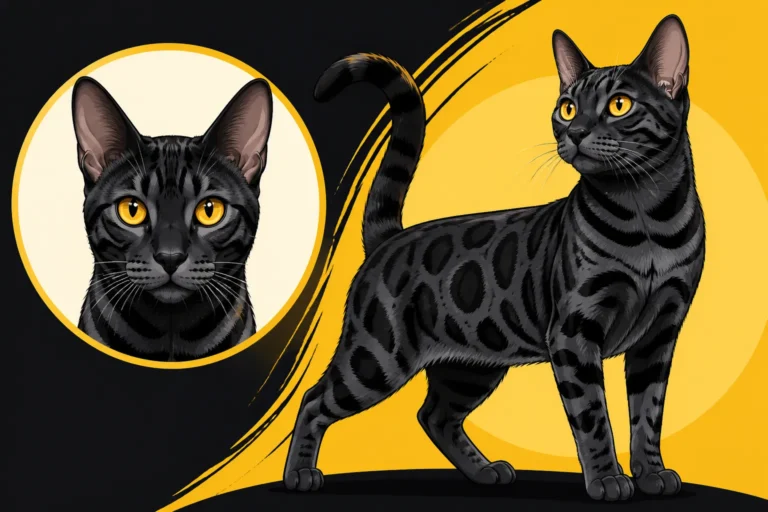
Another defining characteristic of many Bengal coats is "glitter." This isn't actual glitter, of course, but a unique optical illusion where the tips of their guard hairs are translucent, catching the light and giving the coat a shimmering, iridescent effect. It's truly breathtaking and contributes to their exotic allure. The colors can vary widely, from various shades of brown and snow (seal lynx, mink, sepia) to silver and charcoal, each with varying degrees of contrast. What a Bengal Cat Looks Like by the Standard provides a detailed description of these accepted appearances. Their eyes often come in shades of green or gold, though blue eyes are characteristic of the Seal Lynx Point (Snow) Bengals.
The Ocicat's Classic Spots and Athletic Build
The Ocicat, too, boasts a beautiful spotted coat, but its appearance is distinct from the Bengal's. The Ocicat's spots are clear, well-defined, and randomly distributed across its body, typically darker than the ground color. Unlike the Bengal's rosettes, Ocicat spots are solid, not outlined, and form a striking contrast with their lighter background. The breed standard calls for an athletic, muscular body, similar to a wild cat, but achieved through selective domestic breeding. Their coats feel smooth and satiny, lacking the "pelted" feel or glitter of a Bengal. Ocicats come in a remarkably wide array of colors – twelve in total, including tawny (black spotted), chocolate, cinnamon, blue, lavender, fawn, and their silver counterparts.
The Ocicat's head is a modified wedge, with slightly almond-shaped eyes that can be any color except blue, contrasting with their coat. They have strong, agile bodies built for play and climbing, showcasing their domestic heritage from breeds known for their athleticism. While they might mimic the appearance of a wild cat, their spots are a unique pattern developed entirely within the domestic gene pool. They are truly an embodiment of an exotic look achieved through generations of careful, purely domestic breeding, without the direct genetic link to a wild ancestor that defines the Bengal.
Size and Structure: A Comparative Look
When you look at the overall size and structure, both breeds are medium to large domestic cats, but there are subtle differences in their build that reflect their origins. Bengals tend to be lean, muscular, and athletic, often described as having a "wild look" due to their slightly longer hind legs, powerful build, and confident stride. Males can be significantly larger than females, often weighing more and carrying a more pronounced muscular frame. They have a sleek, elongated body, almost like a miniature wild cat.
Ocicats also have an athletic and muscular build, but perhaps with a slightly less "extreme" wild appearance compared to the Bengal. They are generally well-boned and solid, with a graceful yet powerful physique. Their bodies are moderately long, and their legs are sturdy and well-muscled. While they are strong and agile, their overall appearance tends to be more in line with a powerfully built domestic cat rather than evoking the direct visual link to a small wild cat that the Bengal often does. Both breeds are built for action and agility, but the Bengal often has an undeniable raw, wild edge to its physical presence that the Ocicat, for all its beauty, does not.
Personalities in Contrast: Temperament and Behavioral Traits
Beyond their looks, the temperament and behavior of Bengal cats and Ocicats are where their divergent origins truly shine through. While both are intelligent, active, and engaging, their personalities manifest in distinct ways that can significantly impact their suitability for different households.
The Bengal's Energetic and Vocal Nature
Bengal cats are famous for their boundless energy and inquisitive minds. If you're considering a Bengal, be prepared for a cat that is often described as "dog-like" in its personality – demanding attention, eager to play fetch, and capable of learning tricks. They thrive on interaction and can become quite destructive if bored or left without sufficient mental and physical stimulation. They possess a fierce curiosity that often leads them to explore every nook and cranny of your home, open cabinets, and even play in water. The Bengal Cat Is the Most Active Cat You Can Own is not an exaggeration; these cats need serious playtime.
Their vocalizations are also quite distinctive. Bengals are known for a wide range of sounds, from chirps and trills to demanding meows and even growls during play. They are not shy about communicating their needs and desires, often engaging in lengthy "conversations" with their owners. The Bengal Cat Voice Is a Demand, Not a Greeting accurately captures their communicative style. This wild ancestry also contributes to their high prey drive, making them excellent hunters, which can be a consideration if you have small pets like hamsters or birds. They require a dedicated owner who understands their needs for constant engagement and enrichment.
The Ocicat's Playful and People-Oriented Demeanor
Ocicats are equally energetic and playful, but their demeanor is typically more overtly people-oriented and less intense than a Bengal's. They crave companionship and are often described as "velcro cats" who want to be involved in whatever their humans are doing. Ocicats are known for their intelligence and can also be taught tricks, walk on a leash, and play fetch, much like a Bengal. However, their motivation often stems from a deep desire to be with and please their people, rather than a primal urge to explore and conquer.
They are sociable creatures, generally doing well with children, other cats, and even cat-friendly dogs. While vocal, their sounds are more typically domestic meows, chirps, and purrs, though they can be quite chatty. They adapt well to routines and enjoy interactive play, puzzle toys, and climbing opportunities. Their energy is high, but it's often directed towards their family members. An Ocicat will happily follow you from room to room, supervising your activities, and offering purrs and head-butts of affection. They are truly a breed that thrives on social connection and can be a wonderful, engaging addition to an active family.
Trainability and Adaptability
Both Bengals and Ocicats are highly intelligent and trainable, a testament to their sharp minds. Bengals, with their innate curiosity and problem-solving skills, can learn an impressive array of tricks and commands. They respond well to positive reinforcement and clicker training, often enjoying the challenge of learning new things. Their intelligence also means they can learn to open doors, cabinets, and solve complex puzzle feeders, which can be both impressive and a little mischievous. How a Bengal Cat Opens a Door is a perfect example of their cleverness. However, their strong-willed nature means they need consistent training and boundaries from a young age. Without proper direction, that intelligence can lead to them training you!
Ocicats are also incredibly intelligent and eager to please, making them highly trainable. They excel at learning tricks, leash walking, and responding to commands. Their desire for human interaction often makes them more receptive to training, as they view it as another form of engagement with their beloved owners. Ocicats are generally more adaptable to changes in routine and environment, as their domestic heritage means they don't carry the same underlying wild instincts that can make Bengals sometimes more sensitive to environmental shifts. Both breeds require mental stimulation to prevent boredom, but the Ocicat's inherent sociability often makes their trainability a slightly smoother path for owners looking for a highly interactive companion.
Navigating Daily Life: Care, Health, and Enrichment Needs
Owning either a Bengal or an Ocicat means committing to providing an environment that caters to their specific needs. While both breeds are robust and active, there are distinctions in their care requirements, particularly regarding grooming, diet, and potential health considerations.
Grooming and Coat Maintenance
When it comes to grooming, both Bengals and Ocicats are relatively low-maintenance, which is a big plus for busy owners. The Bengal's unique "pelted" coat, with its lack of a dense undercoat and fine, soft texture, sheds minimally. A quick weekly brush with a soft brush or grooming mitt is usually sufficient to keep their coat in top condition and distribute natural oils. Many Bengal owners will tell you A Bengal Cat Needs Almost No Grooming. In fact, some Bengals even enjoy bathing, a trait thought to come from their wild ancestors who often enjoyed water.
The Ocicat's short, smooth, and satiny coat is also very easy to care for. Like the Bengal, they don't have a thick undercoat, so shedding is moderate. A weekly brushing is typically all that's needed to remove loose hairs and keep their coat looking shiny. Neither breed requires professional grooming, and their self-grooming habits are usually excellent. The main difference lies in the unique texture and "glitter" of the Bengal's coat, which is a defining characteristic not found in the Ocicat.
Dietary Considerations for Active Breeds
Given their high energy levels, both Bengals and Ocicats require a high-quality diet that supports their active lifestyles. However, there are some nuances that often come up in discussions among owners and breeders. Bengal cats, due to their wild ancestry, are often recommended to have a diet very high in animal protein, mimicking what their wild ancestors might eat. Many breeders and owners advocate for a raw or very high-meat content wet food diet to support their muscular build and sensitive digestive systems. Feeding a Bengal Cat Four Generations From a Wild Ancestor often guides these dietary choices. Owners frequently report that low-quality fillers or certain grains can lead to digestive upset in Bengals, emphasizing the need for carefully chosen nutrition.
Ocicats also thrive on a high-quality, protein-rich diet to fuel their athleticism. While they don't have the same wild digestive system considerations as Bengals, a diet rich in meat and low in unnecessary fillers is still ideal for their overall health and energy. Both breeds benefit from multiple smaller meals throughout the day rather than one large one, which can help manage their energy levels and digestion. When choosing food, consider brands known for high protein content and quality ingredients. Many owners find excellent options for both breeds through retailers like Chewy, ensuring they get the necessary nutrients for their active lives. Ultimately, a balanced diet is crucial for both breeds to maintain their health and vitality, and consulting with your vet or breeder for specific recommendations is always a good idea.
Health Concerns and Lifespan Differences
Both Bengal cats and Ocicats are generally healthy breeds with average lifespans similar to many other domestic cats, typically ranging from 12 to 16 years. However, like all purebreds, they can be prone to certain genetic health conditions that prospective owners should be aware of.
For Bengal cats, some notable health concerns include:
- Hypertrophic Cardiomyopathy (HCM): A common heart condition in many cat breeds. Regular cardiac screenings (echocardiograms) are recommended for breeding Bengals.
- Pyruvate Kinase Deficiency (PKD): A genetic blood disorder that can lead to anemia. There is a DNA test available.
- Progressive Retinal Atrophy (PRA-b): A genetic eye disease that causes blindness. A DNA test is available for this as well.
- Chronic Diarrhea: Some Bengals can have sensitive stomachs, making them prone to chronic gastrointestinal issues, sometimes linked to parasites like Tritrichomonas foetus. Whether the Bengal Cat Is a Healthy Breed further explores these health aspects.
Ocicats, being purely domestic, share some general feline health concerns but also have specific predispositions:
- Hypertrophic Cardiomyopathy (HCM): Like Bengals and many other breeds, Ocicats can be affected by HCM.
- Renal Amyloidosis: A kidney disease that can affect some Ocicat lines, though it's not as prevalent as in certain other breeds.
- Progressive Retinal Atrophy (PRA): While different genetic mutations than the Bengal's PRA-b, some Ocicat lines can also be predisposed to PRA.
- Dental Disease: As with many cats, good dental hygiene is important to prevent issues as they age.
Reputable breeders for both Bengals and Ocicats will perform health screenings on their breeding cats for known genetic conditions. Always ask to see health certificates for the parents when looking for a kitten. This due diligence is crucial for bringing a healthy, happy companion into your home and can save a lot of heartache and expense down the line.
| Feature | Bengal Cat | Ocicat |
|---|---|---|
| Ancestry | Hybrid: Domestic Cat x Asian Leopard Cat | Purely Domestic: Abyssinian, Siamese, American Shorthair |
| Coat Pattern | Rosettes (donut, paw-print, arrowhead), Spotted | Clear, well-defined, solid spots |
| Coat Texture | "Pelted," incredibly soft, silky, often with "glitter" | Smooth, satiny, fine |
| Body Type | Lean, muscular, athletic, wild-looking, longer hind legs | Athletic, muscular, well-boned, graceful |
| Energy Level | Extremely high, boundless, requires significant stimulation | High, playful, enjoys interactive play |
| Vocalization | Wide range: chirps, trills, demanding meows, growls | Moderate: typical domestic meows, chirps, purrs |
| Water Affinity | Often loves water, may play in sinks/showers | Generally tolerant, but less consistent love for water |
| Social Needs | Highly interactive, can be "dog-like," strong bond with owner | Highly sociable, people-oriented, good with families |
| Known Health | HCM, PK Deficiency, PRA-b, GI sensitivities | HCM, Renal Amyloidosis, PRA, dental issues |
Bringing One Home: Ownership Considerations
The decision to welcome a Bengal or an Ocicat into your life is a significant one, requiring careful consideration beyond just their stunning looks. Understanding the commitment involved, from finding a reputable breeder to managing their daily needs, is paramount for a successful and happy companionship.
Finding a Reputable Breeder
Regardless of whether you choose a Bengal or an Ocicat, finding a reputable breeder is the most critical step. A good breeder prioritizes the health and temperament of their kittens above all else. For Bengals, this means understanding their unique genetic heritage and ensuring that early generations are properly socialized. A reputable Bengal breeder will be transparent about their cats' lineage, specifically their filial generation (F1, F2, SBT), and provide documentation of health screenings for common Bengal issues like HCM, PRA-b, and PK deficiency. They should also be able to explain What the DNA Panel a Bengal Cat Breeder Runs Costs and provide copies of their cats' results. They'll ask you a lot of questions to ensure you understand the commitment involved, particularly for such an active and intelligent breed.
For Ocicats, a reputable breeder will similarly focus on health screening for conditions like HCM and PRA, providing clear health records for the parents. They will be enthusiastic about their breed, willing to answer all your questions, and encourage you to visit their cattery (if feasible) to see the living conditions and interact with the cats. Both types of breeders will typically have a waiting list, a clear contract, and a robust support system for new owners. Be wary of anyone who pressures you, has multiple litters constantly available, or cannot provide health clearances for their breeding cats. Websites like Chewy can also offer valuable resources and supplies recommended by reputable breeders once you bring your kitten home.
Understanding the Commitment
Bringing either a Bengal or an Ocicat into your home is a long-term commitment, often spanning more than a decade. These are not "set it and forget it" pets. Both breeds demand significant amounts of attention, playtime, and mental stimulation. They thrive in environments where they are actively engaged and considered part of the family. If you lead a very quiet lifestyle or are away from home for long periods daily, you might find either breed becomes frustrated, which can manifest in unwanted behaviors like scratching furniture or excessive vocalization.
Consider the time you can dedicate to daily play sessions, training, and enrichment. A large cat tree, puzzle feeders, interactive toys, and even a cat wheel can be essential for both breeds. For Bengals, especially, an enclosed outdoor "catio" can be a fantastic way to safely satisfy their exploratory instincts. Why a Catio Is the Answer to a Bengal Cat highlights the importance of safe outdoor access for these adventurous felines. Think about future changes in your life – will you have the capacity to continue meeting their needs? These cats are family members, and their well-being depends entirely on your consistent care and engagement.
Disclaimer
This article is for general informational purposes only and does not constitute professional advice. Laws, prices and regulations vary by location and change over time. Consult a qualified professional for guidance on your specific situation.