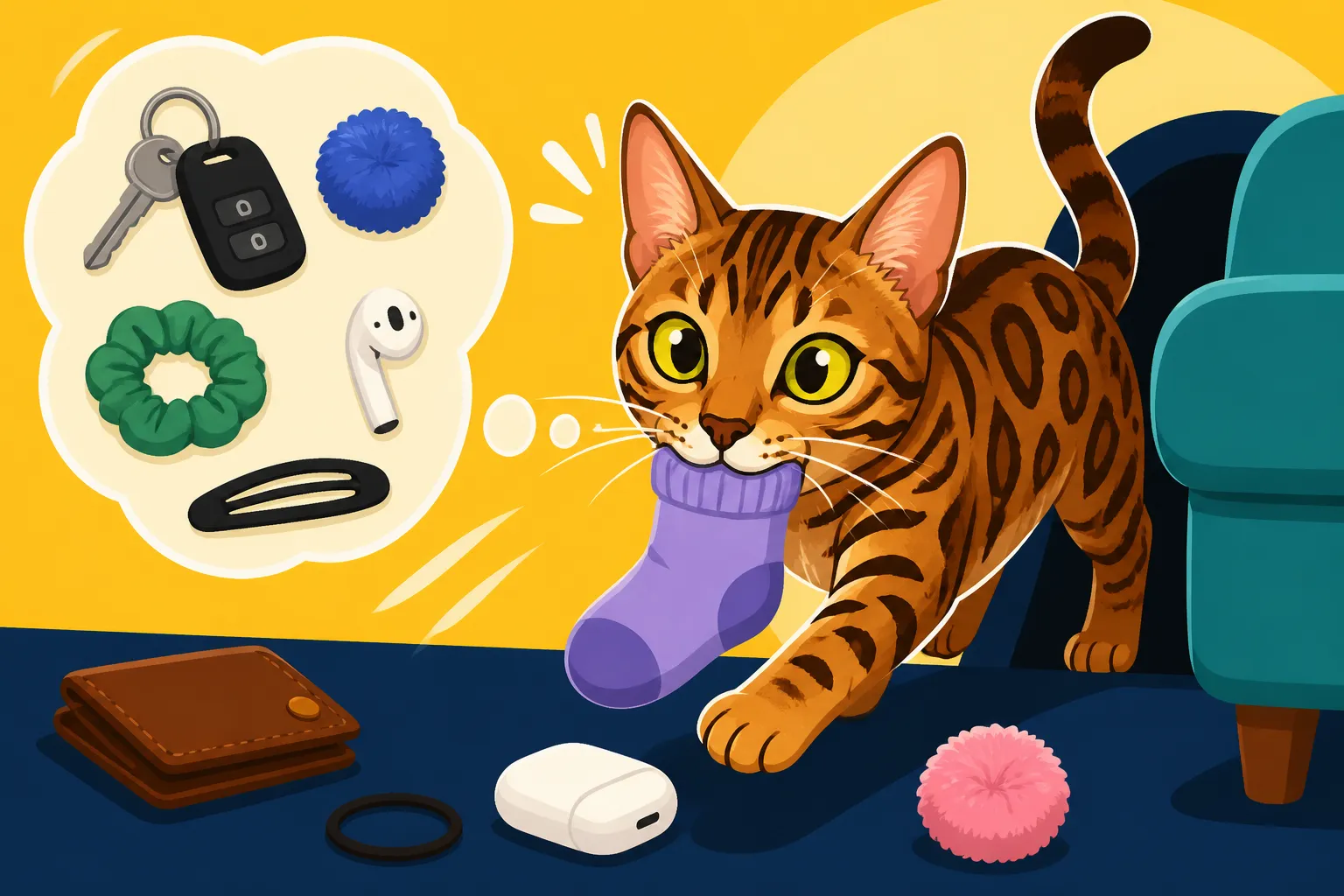
What a Bengal Cat Steals Most Often
If you've ever found your car keys in the litter box, or your favorite hair tie mysteriously vanished only to reappear under the sofa days later, you're probably living with a Bengal cat. These magnificent, intelligent felines are notorious for their sticky paws and their uncanny ability to "acquire" items that catch their fancy. This guide will delve into why your Bengal is such a master thief and what common household items frequently disappear into their secret stashes, offering insights into managing this endearing, yet sometimes frustrating, behavior.
The Kleptomaniac Tendencies of a Bengal Cat: More Than Just Naughtiness
Let's be honest: when you first witness your Bengal cat deftly swiping a small object off a table and disappearing with it, it's hard not to chuckle. But after the tenth time your favorite pen vanishes, or you're late for work because your watch has been rehomed under the fridge, the charm can wear a little thin. It's important to understand that this isn't just your Bengal being "naughty" in a human sense; it's deeply rooted in their unique instincts and formidable intelligence.
Why They Steal: Instinct and Intelligence Combined
Bengal cats are a hybrid breed, stemming from the Asian Leopard Cat, and this wild ancestry isn't just about their stunning looks. It manifests in their behavior, too. In the wild, their ancestors are opportunistic hunters and scavengers. They explore, they manipulate objects, and they learn through trial and error. Your domestic Bengal carries a diluted version of these same drives. They're incredibly curious, and anything new, shiny, or easily moved becomes a puzzle to solve or a "prey" item to capture.
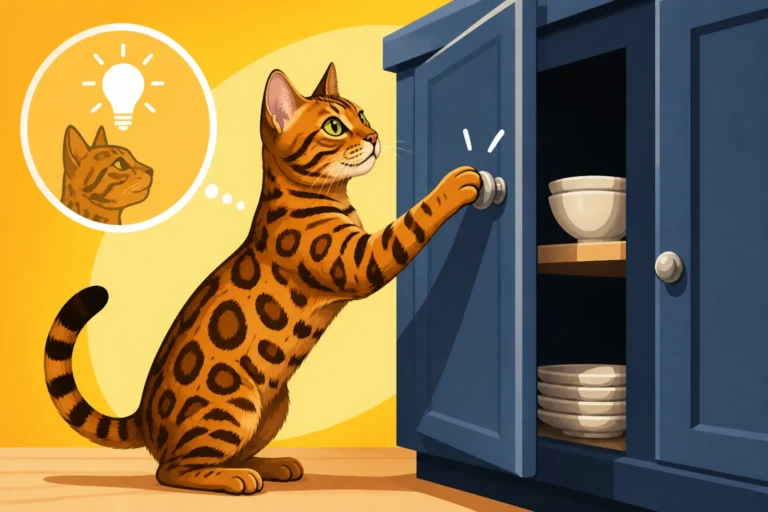
Their high intelligence also plays a huge role. Bengals are problem-solvers. They learn quickly how to open cabinets, drawers, and even doors. How a Bengal Cat Opens a Door is often the first step in their grand larceny schemes. If something is put away, it just means they need to figure out how to get to it. They also have an incredible memory for where things are stored and where they've stashed their treasures. It's not just about getting the item; it's about the challenge, the process of the "hunt."
The "Trophy Hunter" Mentality
Think of your Bengal as a tiny, furry trophy hunter. When they "steal" something, especially something small and easily carried, they might not immediately play with it. Instead, they might carry it to a secret lair – under a bed, inside a closet, behind a curtain – and add it to their collection. This behavior mimics how wild felines might secure a prized possession or food item away from competitors. For your Bengal, your belongings become their trophies, symbols of their successful "hunt" or cleverness.
This isn't always about aggression or possessiveness. Often, it's simply a display of their prowess. They've identified something interesting, they've successfully taken it, and now they've hidden it. The thrill might be in the chase and the acquisition, rather than prolonged interaction with the item itself. Sometimes, they'll just sit and observe their bounty, content in their ownership. This "trophy" collection is often a sign of a highly stimulated and intelligent cat, even if it means you're constantly searching for your missing socks.
Commonly "Acquired" Items by Your Bengal
If you own a Bengal, you've likely already experienced the frustration of items vanishing into thin air. It’s almost as if they have a checklist of prime targets. While every Bengal is an individual with their own quirks, there are definitely common themes in what goes missing. It often comes down to what is small, engaging, or carries a strong scent.
Small, Shiny, or Intriguing Objects
These are the absolute gold standard for Bengal cat thievery. Think about anything that glints, rattles, or has an interesting texture. These items immediately grab their attention and appeal to their predatory instincts.
- Jewelry and Hair Ties: Bracelets, rings, earrings, and especially hair ties are irresistible. The way they reflect light, the jingle they make, or the elasticity of a hair tie makes them perfect playthings. Many owners have discovered an entire collection of hair ties meticulously placed under the sofa cushion or in their cat's favorite hiding spot. They love to bat them around, carry them in their mouths, and then, inevitably, hide them.
- Pens, Pencils, and Small Office Supplies: Your desk is a treasure trove of tiny, throwable items. Pens, erasers, paper clips, and even sticky notes can become targets. The click of a pen or the way a pencil rolls makes it an instant toy. They might bat them off the desk, then chase them, and before you know it, they're gone. Sometimes, you'll find a whole array of them gathered in their bed, a testament to their daily "work."
- Small Toys and Knick-knacks: If it's small enough to pick up and carry, it's fair game. Figurines, refrigerator magnets, bottle caps, or even loose change can be taken. They're often drawn to items that make a sound when dropped or rolled, providing instant gratification for their hunting instincts. This is where their natural intelligence and hunting drive truly shine. What a Bengal Cat Steals Most Often can often be anything that fits this description.
- Coins: There's something about the metallic glint and the way a coin clinks when batted that really grabs a Bengal's attention. A dish of loose change on a dresser or nightstand is practically an open invitation. They love the sound, the texture, and the sheer challenge of getting them into their secret stash.
Food and Other Consumables
While the primary focus of this article is on non-food items, Bengals are also incredibly food-motivated. Any unattended snack or an easily accessible pantry item is at risk. Their sharp senses mean they'll sniff out anything remotely edible, and their dexterity allows them to get to it.
- Bread and Baked Goods: Bengals are notoriously drawn to doughy items. A forgotten slice of toast, a croissant left on the counter, or even a sealed bag of bread can become a target. They might not eat the whole thing, but they will certainly investigate, tear, and perhaps hide it.
- Small Portions of Meat or Cheese: If you leave a plate unattended for even a moment, a Bengal might seize the opportunity. Their wild ancestry makes them highly appreciative of protein, and they'll quickly snatch a piece of chicken or a sliver of cheese. They're incredibly quick and stealthy when it comes to food raids.
- Plastic Bags and Packaging: While not food itself, Bengals are often fascinated by the crinkle of plastic packaging, especially if it once contained something tasty. They'll "steal" it, bat it around, and sometimes even try to chew on it, perhaps enjoying the lingering scent of whatever treat was inside.
Items with Your Scent
This category is often overlooked but is a significant motivator for a Bengal's thieving ways. Your scent is comforting and familiar, and carrying or hiding items that smell like you can be a way for them to feel secure or closer to you.
- Socks and Underwear: Oh, yes. Many a Bengal owner has found their clean (or not-so-clean) laundry items relocated to a private stash. The soft fabric, the distinct human scent, and the ease with which they can be carried make them irresistible. It's a rather intimate form of bonding, if you think about it!
- T-shirts and Small Clothing Items: A discarded shirt on the floor or a scarf hanging low might disappear. These items are often carried to a sleeping spot or a secluded corner, where the Bengal can cuddle with them, enjoying the comforting smell of their favorite human.
- Gloves and Hats: Any accessory left within reach is a potential target. A glove dropped by the door, a hat on a chair – if it smells like you and is easy to grab, your Bengal might just decide it needs to be added to their collection of treasures. This is a common way for a Bengal to express their affection and connection, even if it leaves you wondering where your things have gone.
Strategies to Manage Your Bengal's Thieving Ways
Living with a Bengal cat is an adventure, and their "borrowing" habits are certainly part of the fun – mostly. However, when it interferes with your daily life or becomes a safety hazard, it’s time to implement some management strategies. The key isn't to punish them for their natural instincts, but to redirect and secure.
Environmental Enrichment as a Deterrent
A bored Bengal is a destructive Bengal, and a thieving Bengal. These cats have boundless energy and incredible minds that need constant stimulation. If they're not adequately enriched, they will find their own "entertainment," often at the expense of your belongings. What a Bored Bengal Cat Destroys often starts with curiosity and escalates to something more intense if their needs aren't met.
- Puzzle Feeders and Interactive Toys: Instead of just putting food in a bowl, make your Bengal "work" for it. Puzzle feeders, especially those that require manipulation to release treats, can keep their minds engaged. You can find many options on Amazon that cater to different difficulty levels. Rotating a variety of these toys helps maintain their interest. Which Puzzle Feeder Beats a Bengal Cat can be a real challenge for them, but it's a good mental workout.
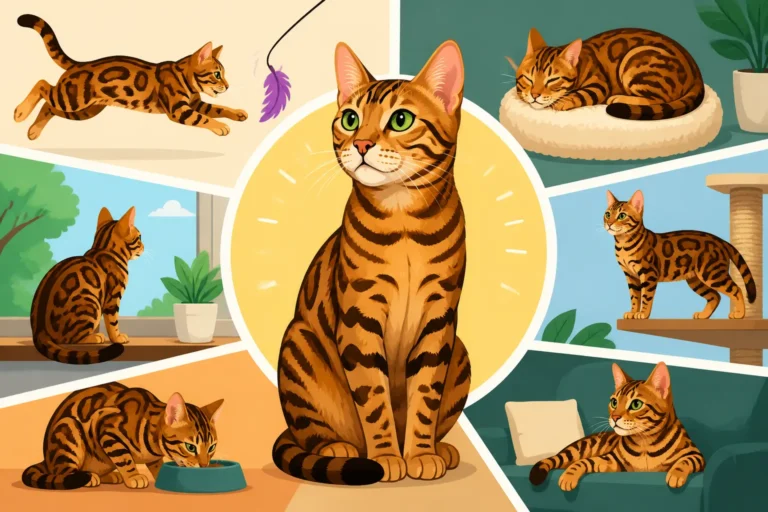
- Vertical Space and Climbing Opportunities: Bengals love to climb and observe their domain from high vantage points. Investing in tall cat trees, wall-mounted shelves, or even a catio can provide crucial outlets for their energy. How Much Vertical Space a Bengal Cat Needs is often more than you think! If they're busy exploring their vertical kingdom, they might be less inclined to raid your drawers.
- Dedicated Play Sessions: These cats thrive on interaction. Schedule at least two to three vigorous play sessions a day using wand toys or feather teasers. These sessions tap into their predatory instincts and allow them to "hunt" appropriate targets. Don't underestimate How Many Play Sessions a Bengal Cat Needs to truly burn off that energy and mental excess.
Secure Storage Solutions
This is probably the most straightforward way to prevent your Bengal from making off with your valuables: make them inaccessible. It sounds simple, but it requires a conscious effort to change your habits.
- Locking Cabinets and Drawers: For items you absolutely cannot afford to lose (or have them get into), child-proof locks or magnetic cabinet locks are your best friend. Bengals are incredibly adept at opening unlatched doors and drawers. Which Locks Stop a Bengal Cat often includes those designed for human toddlers, which proves just how clever they are.
- Containment Boxes and Bins: Keep small items like jewelry, keys, pens, and hair ties in lidded containers. A decorative box on a high shelf or a drawer organizer can make a big difference. Avoid leaving tempting items on open surfaces like nightstands, coffee tables, or bathroom counters.
- Designated "Bengal-Proof" Zones: Identify areas in your home where you absolutely cannot have your Bengal "shopping." Perhaps your office or a craft room. While it might be challenging, consider keeping these doors closed or adding baby gates if your Bengal is particularly persistent.
Training and Redirection
While you can't completely train away a Bengal's natural instincts, you can certainly guide their behavior and redirect their attention.
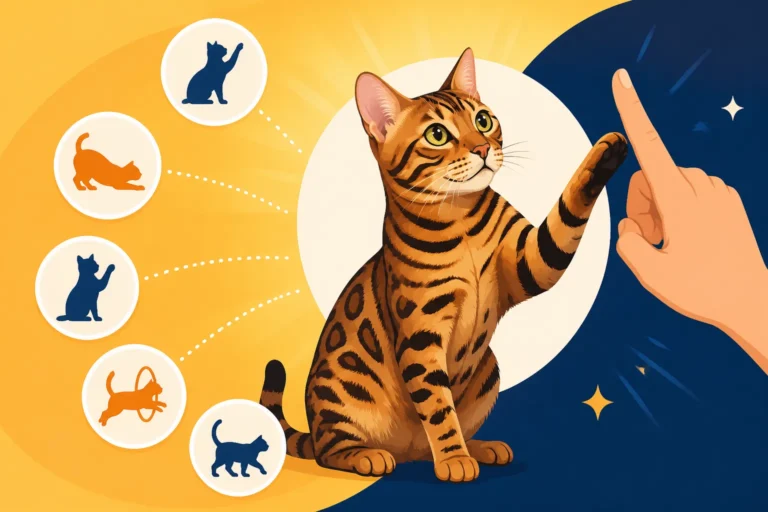
- Clicker Training: Bengals are highly intelligent and respond well to positive reinforcement. Clicker training can be used to teach them commands like "leave it" or to retrieve specific toys instead of your belongings. How to Clicker Train a Bengal Cat can be a rewarding experience for both of you. You can even teach them to fetch certain items, turning their "stealing" into a game you control.
- Provide Appropriate Alternatives: If your Bengal is obsessed with hair ties, offer them similar small, elastic toys. If they love pens, get them catnip-filled pencil-shaped toys. The idea is to satisfy the underlying urge with an acceptable substitute. Many toy sets specifically designed for active cats are available on Amazon.
- Supervised Play with "Stolen" Items: Sometimes, the thrill for them is that you want the item. Occasionally, let them "steal" something harmless, like a soft toy, and then engage in a brief play session with them, allowing them to feel successful. Then, gently take the item back and put it away. This teaches them that playing with these items is okay, but they ultimately belong elsewhere.
Accepting the Quirks and Enjoying the Bengal Charm
Ultimately, living with a Bengal means accepting their unique personality and instincts. Their thieving tendencies, while sometimes annoying, are a manifestation of their incredible intelligence, curiosity, and vitality. They are The Bengal Cat Is the Most Active Cat You Can Own and their minds are just as active as their bodies. Rather than fighting against it constantly, learn to appreciate the cleverness behind it.
Ensure your home is as cat-proofed as possible, especially concerning hazardous items. For everything else, a sense of humor and a good search routine will serve you well. Many Bengal owners recount tales of finding their car keys in the bathtub or their wallet under a pile of discarded toys with a fond shake of the head. It's just part of the joy and challenge of having one of these extraordinary felines in your life. Embrace the chaos, provide plenty of appropriate outlets for their energy, and you'll find that their little acts of larceny simply add to their charm.
| Type of Item Stolen | Why a Bengal Cat Steals It | Management Strategy |
|---|---|---|
| Small, Shiny Objects | Intrigue, reflectiveness, mimicry of small prey | Secure in lidded boxes, child-proof locks |
| Items with Your Scent | Comfort, sense of bonding, security | Keep laundry/personal items in hampers or drawers |
| Pens, Office Supplies | Rollability, sound, manipulability, puzzle-solving | Desk organizers, locking drawers |
| Food/Consumables | Scent, taste, wild foraging instinct | Counter-surf proofing, secure pantry storage, timed feeders (available on Amazon) |
| Random Household Bits | Curiosity, texture, noise when batted | Tidy up small items, provide engaging cat toys (Amazon has many options) |
How Intelligent a Bengal Cat Is is truly remarkable, and their "stealing" is often a testament to this. Make sure they have enough How Much Enrichment a Bengal Cat Actually Needs to keep their brilliant minds occupied, and you might find fewer of your belongings making their way to secret stashes. Remember, a well-stimulated Bengal is a happier Bengal, and a slightly less thieving one!
Disclaimer
This article is for general informational purposes only and does not constitute professional advice. Laws, prices and regulations vary by location and change over time. Consult a qualified professional for guidance on your specific situation.