Whether a Bengal Cat Uses a Self Cleaning Box
The daily ritual of scooping the litter box is often the least glamorous part of sharing your life with a feline friend, and if you own a Bengal cat, you know this task can come with extra challenges. Their boundless energy, powerful digging instincts, and sheer curiosity can turn a simple litter box into a chaotic construction site. So, when the idea of a self-cleaning litter box surfaces, it sounds like a dream come true – but is it truly a viable solution for your spirited Bengal?
Why Bengal Cats and Litter Boxes are a "Thing"
Let's be real, owning a Bengal cat is an adventure. They're not your average sedentary lap cat. These magnificent felines are bundles of energy, intelligence, and often, pure mischief. This vibrant personality extends to every aspect of their lives, including their bathroom habits, making the traditional litter box a frequent battleground for many owners.
Their Instinctive Digging Behavior
One of the most defining traits of a Bengal cat is their strong, almost wild, instinctual behaviors, and digging is high on that list. Unlike some housecats that might delicately cover their waste, a Bengal often attacks the litter box with an impressive vigor. They will dig deep, sometimes to the very bottom of the tray, searching for that perfect spot, and then furiously kick litter everywhere in their attempt to bury their treasures. It's not uncommon to find a good portion of the litter outside the box, scattered across the floor like a desert storm has just passed through. This isn't out of malice, it's just who they are, a remnant of their wild ancestry needing to thoroughly obscure their presence. We've all seen them, paws flying, often kicking clean litter right out of the box in their enthusiasm. If you've ever wondered Why a Bengal Cat Digs to the Bottom of the Box, you know exactly what I mean.
The Sheer Volume of Output (and Mess)
Bengals are active, muscular cats, and they tend to eat and drink with gusto to fuel their energetic lifestyles. This, naturally, leads to a significant amount of waste. A single Bengal can fill a litter box surprisingly quickly, and if not scooped diligently, it can become quite unpleasant for both you and your cat. A dirty litter box isn't just an inconvenience; it can lead to inappropriate elimination, which is a headache nobody wants. Beyond the waste itself, their vigorous digging and playful nature often mean that a lot of litter gets tracked out of the box, sticking to their paws and shedding off as they race through the house. How Much Litter a Bengal Cat Gets Through in a week can be astonishing, highlighting just how much interaction they have with their litter boxes.
Water Play and Litter Tracking
Ah, the Bengal's notorious love affair with water! This can add another layer of complexity to the litter box situation. Some Bengals, in their unending curiosity, might even try to "fish" in their water bowl before heading to the litter box, or track wet paws into the litter. Others might play with the water in their fountain, then track wet paws directly into the litter, creating a clumpy, muddy mess that's even harder to clean. This unique trait means that tracking isn't just dry dust; it can be wet, sticky granules that adhere even more stubbornly to floors and carpets. Trying to keep the area around the litter box pristine can feel like a losing battle, especially when you consider that it plays in its water bowl (Why a Bengal Cat Plays in Its Water Bowl) with such enthusiasm.
How Self-Cleaning Boxes Work and Their Appeal
The promise of a perpetually clean litter box without the daily chore of scooping is incredibly enticing, especially for Bengal owners who often face extra challenges. Self-cleaning litter boxes leverage technology to automate the waste removal process, offering different mechanisms to achieve this goal.
Different Mechanisms: Raking vs. Rotating
When you start looking into self-cleaning litter boxes, you'll generally find two main types of mechanisms: raking systems and rotating systems.
Raking systems are perhaps the most common. These boxes typically have a motorized rake that slowly sweeps through the litter after your cat has used the box. The rake pushes solid waste into a sealed compartment or bag, leaving the remaining litter clean. This process usually activates on a timer or a weight sensor after the cat exits the box. The beauty of these systems is their simplicity and the fact that they often resemble traditional litter boxes, which can make the transition easier for some cats. However, the raking mechanism can sometimes struggle with very soft stools, which might get smeared rather than scooped, or it can get bogged down if a Bengal has really dug in and displaced a lot of litter.
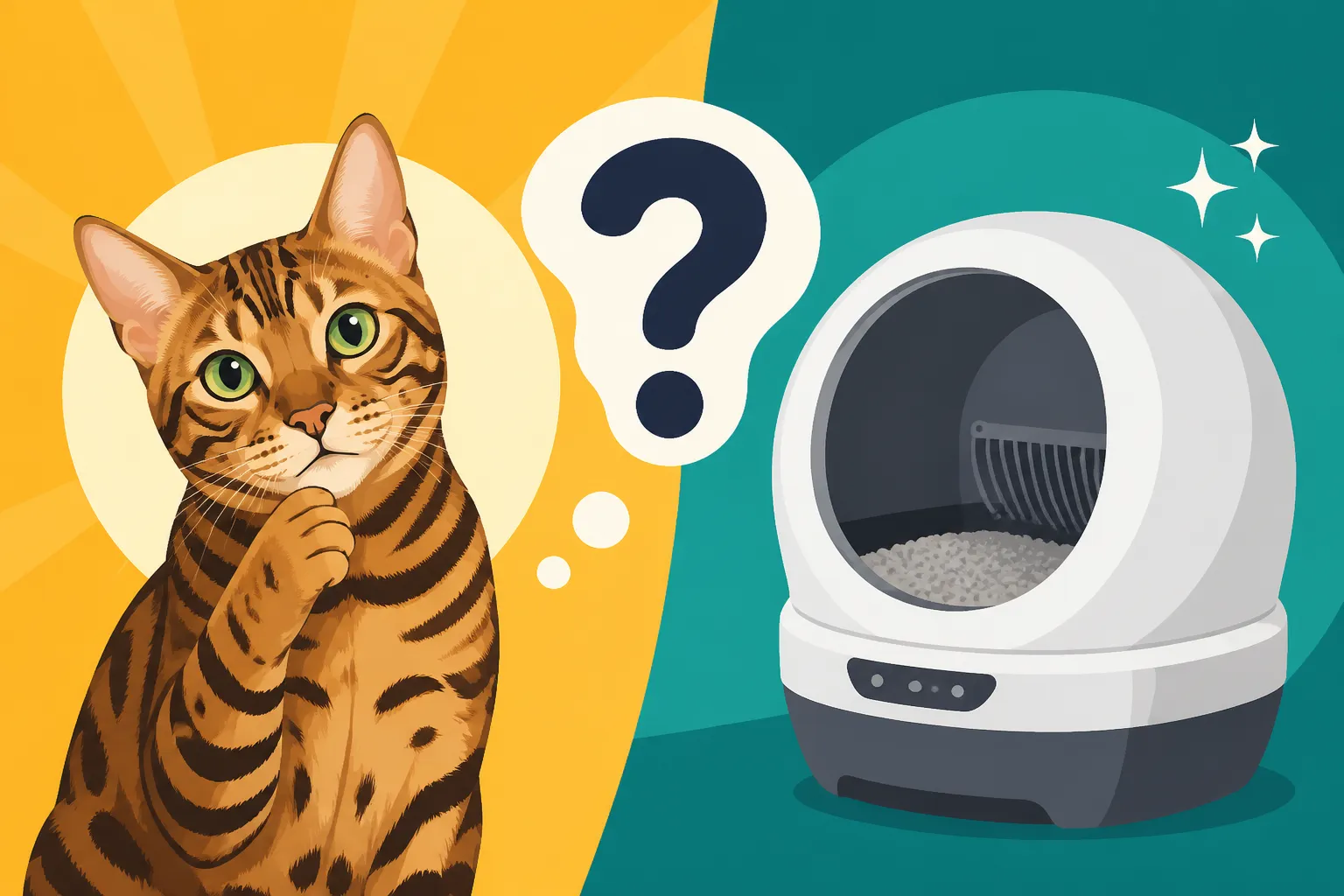
Rotating systems, on the other hand, often involve a large, spherical or barrel-shaped drum that rotates. After a set period or when the sensor detects the cat has left, the drum slowly tumbles, sifting the clean litter through a screen and depositing the clumps and waste into a separate, often drawer-style, waste receptacle. These systems tend to be more effective at dealing with different types of waste and are generally considered more thorough in their cleaning action. The enclosed nature also tends to be better for odor control and containing kicked-out litter. However, their larger size and unique appearance might be more intimidating for some felines, and their moving parts are certainly more pronounced.
The Promise of Less Scooping
The main draw of a self-cleaning litter box, regardless of its mechanism, is the reduction or elimination of manual scooping. For busy households, or those with multiple cats, this can be a game-changer. Imagine coming home to a fresh litter box every day, without having to bend down and sift through soiled litter. This hands-off approach also means you're exposed to less dust and odor, which is a significant health benefit for many owners, especially those with sensitivities. While you still need to empty the waste receptacle and replenish the litter, the daily chore is largely automated, freeing up valuable time and mental energy. This convenience is particularly appealing when dealing with an active breed like the Bengal, where multiple daily scooping sessions can feel like a full-time job.
Odor Control Claims
Many self-cleaning litter boxes boast superior odor control, and for good reason. By immediately removing waste and often sealing it away in a compartment, they prevent odors from lingering and permeating your home. Some models even include carbon filters, UV lights, or other air purification features to further neutralize smells. For Bengal owners, whose cats can produce quite pungent waste (especially if they have any underlying gut sensitivities like Chronic Diarrhea Is the Bengal Cat Complaint Nobody Warns About), effective odor control is a major plus. A perpetually fresh box isn't just nicer for humans; it can also encourage your Bengal to continue using the box, preventing those frustrating "accidents" outside the designated area. This is a huge benefit, as few things are more off-putting than a smelly litter box that your discerning Bengal might decide to boycott.
The Pros and Cons for a Bengal Cat
While the allure of a self-cleaning litter box is strong, particularly for those of us living with these dynamic felines, it's crucial to weigh the specific advantages and disadvantages tailored to the Bengal cat's unique personality and needs.
Potential Benefits: Time-Saving and Hygiene
The primary benefit, without a doubt, is the gift of time. No longer will you be tied to the litter box multiple times a day, scooping away after your energetic companion. This reclaimed time can be spent playing with your Bengal, teaching them new tricks, or simply enjoying their company without the impending chore hanging over your head. Think about the joy of an extra fifteen minutes of How Many Play Sessions a Bengal Cat Needs without the guilt of an unscooped box.
From a hygiene perspective, these boxes offer a cleaner environment for your Bengal. A constantly clean surface means less bacteria buildup and a reduced risk of your cat stepping in old waste, which they then track through your home. This can be especially important for Bengals, who can be prone to certain digestive issues, making a pristine toilet area beneficial. The sealed waste compartments also mean less odor, keeping your home fresher, which is a win for everyone. Moreover, if you use a high-quality clumping litter, like many available on Chewy, the self-cleaning mechanism can really shine, efficiently separating waste from clean granules.
Specific Challenges: Size, Noise, and Curiosity
Now, for the potential hurdles. One significant consideration is size. Bengals are often larger and more muscular than average domestic cats. Many self-cleaning boxes, especially the enclosed rotating types, can feel a bit cramped for a fully grown Bengal, particularly if you have a larger male. A cat needs enough space to comfortably turn around, dig, and eliminate. If the box is too small, they might feel confined, leading to them avoiding it entirely. This is why Why a Bengal Cat Needs the Biggest Box You Can Find is so often stressed by experienced owners.
Then there's the noise. Self-cleaning boxes, by nature, have moving parts and motors. While some are quieter than others, any new mechanical sound can be startling to a Bengal, especially if they are particularly sensitive or nervous. A loud rake or a whirring rotation might scare them away from using the box, or, conversely, pique their curiosity to the point of interfering with the mechanism.
And that brings us to curiosity. Bengals are incredibly intelligent and curious creatures. How Clever a Bengal Cat Is means they might view a self-cleaning box not as a toilet, but as a fascinating new toy or a puzzle to be solved. They might try to investigate the moving parts, paw at the rake, or even jump in while it's in motion. This isn't just disruptive; it can be dangerous, potentially causing injury or damaging the unit. You might find yourself needing to block access during cleaning cycles or even supervising their initial interactions.
The "Acceptance" Factor
Ultimately, the biggest 'pro' or 'con' of a self-cleaning litter box for a Bengal comes down to whether your individual cat accepts it. Some Bengals are adaptable and will take to a new high-tech box without a second thought. Others, especially those with more ingrained routines or sensitive personalities, might be wary. A cat's refusal to use the box can lead to expensive accidents on carpets or furniture, negating any time-saving benefits and creating a whole new set of problems.
Consider your Bengal's temperament. Are they fearless and always investigating new gadgets, or are they easily spooked by changes in their environment? Their reaction to the self-cleaning box will heavily influence its success in your home. It's an investment, so understanding your cat's likely "acceptance factor" is paramount.
| Feature | Traditional Litter Box | Self-Cleaning Litter Box | Bengal Cat Suitability Considerations |
|---|---|---|---|
| Scooping Frequency | Daily, multiple times | Automated, waste bin emptied weekly | Reduces daily chore, freeing up time for play with active Bengals. |
| Odor Control | Dependent on scooping/litter | Excellent, waste sealed quickly | Helps manage strong odors common with active Bengals. |
| Litter Tracking | High, especially with digging | Variable, some models better | Enclosed rotating models can reduce tracking from enthusiastic digging. |
| Size | Many large options available | Can be restrictive for large Bengals | Ensure ample space for comfortable movement, turning, and digging. |
| Noise | Silent | Motorized sounds, can be startling | Sensitive Bengals may be spooked; curious ones may investigate moving parts. |
| Cost | Low initial, ongoing litter | High initial, ongoing supplies | Significant upfront investment, weigh against potential rejection. |
| Power Requirement | None | Electrical outlet needed | Requires proximity to power; consider placement carefully. |
| Maintenance | Scooping, full wash periodically | Emptying waste, cleaning mechanism | Requires cleaning internal mechanisms, which can be less straightforward. |
Making the Transition or Deciding Against It
So, you're considering taking the plunge, or perhaps you've realized a self-cleaning box might not be the holy grail you hoped for. Either way, making an informed decision and handling any transition with care is key to maintaining a happy, healthy litter routine for your Bengal.
Introducing a New Box Gently
If you decide to try a self-cleaning litter box, the golden rule is always a slow and gentle introduction. Bengals, for all their adventurous spirit, can sometimes be sensitive to changes in their core routines. Don't just swap out their old box for the new one. Instead, place the self-cleaning box next to their current, familiar litter box. For the first few days, keep the new box turned off and maybe even put a small amount of their old, soiled litter into it to make it smell familiar. This allows them to explore it on their own terms without the added surprise of sudden movement or noise.
Once they've shown some interest, you can plug it in but keep the automatic cleaning function disabled, manually scooping if the model allows. Only when your Bengal is consistently using the self-cleaning box without issue should you activate the automatic function. Even then, observe their reaction closely. If they seem startled or refuse to use it after it cleans, you might need to revert to manual mode for a while longer. Patience is absolutely crucial. Remember, your goal is acceptance, not forcing the issue. If your Bengal is one of those who What a Bengal Cat Does at Four in the Morning by tearing around the house, they might be equally likely to react strongly to a new, noisy object.
Alternative Strategies for Messy Bengals
What if, after all this, you decide a self-cleaning box isn't the right fit for your Bengal? Or perhaps you try one, and your cat simply refuses to use it. Don't despair! There are plenty of effective alternative strategies to manage the mess and maintain a clean environment for your wild-at-heart companion.
First, invest in larger, high-sided litter boxes. Why a Bengal Cat Needs the Biggest Box You Can Find cannot be stressed enough. These provide ample space for digging and help contain kicked-out litter. Some owners even modify storage bins into mega-litter boxes. Second, explore different litter types. Some litters, like heavier clay litters or pellet-style litters (wood or paper), tend to track less. You might find that Which Litter a Bengal Cat Throws Least makes a big difference. Third, use litter mats. Large, deep-grooved mats placed directly outside the litter box can capture a surprising amount of tracked litter from those energetic paws. You can find excellent options on Amazon or Chewy.
Consider a dedicated "litter zone" in your home. This might be a laundry room or a bathroom where you can more easily sweep or vacuum any escaped litter. Some owners even build custom enclosures or "catios" (cat patios) that include a protected, easily cleaned litter area. This might sound extreme, but for an active breed that enjoys both indoor and outdoor enrichment, it could be a fantastic solution. For some Bengals, even adding a second, equally large litter box can reduce the perceived pressure on one single box, making them less prone to digging excessively or having accidents.
When a Self-Cleaning Box Isn't the Answer
There are certainly scenarios where a self-cleaning litter box is simply not the best solution for a Bengal cat, or even for any cat.
If your Bengal is highly sensitive to noise or sudden movements, the mechanical operation of these boxes could cause significant stress and lead to litter aversion. This is particularly true for older cats or those with anxiety. If you have a Bengal that is particularly large or heavy (and What a Bengal Cat Weighs can be quite substantial!), some models might not be sturdy enough or have sensors that struggle to differentiate between the cat and actual waste, leading to false starts or missed cleanings.
Moreover, if you have a cat with health issues, especially those involving their stool consistency like the aforementioned chronic diarrhea, a self-cleaning box might not be able to effectively clean up the mess. Soft stools can smear, making the box even dirtier and requiring manual intervention anyway. In such cases, a regular, easily cleaned litter box that you can monitor daily is often a better choice for keeping tabs on their health. Finally, the financial investment is considerable, and if your Bengal simply refuses to use it, that money is effectively wasted. Sometimes, the best solution is the tried-and-true method, coupled with smart management strategies, to ensure your Bengal cat's comfort and your peace of mind.
Disclaimer
This article is for general informational purposes only and does not constitute professional advice. Laws, prices and regulations vary by location and change over time. Consult a qualified professional for guidance on your specific situation.