Why Dry Food Alone Underfeeds an Active Bengal Cat
It’s a common scenario for Bengal cat owners: you’re trying your best, offering what seems like a perfectly decent bowl of dry kibble, only to find your energetic companion still seems insatiably hungry, or perhaps just not thriving with that signature Bengal spark. The truth is, many well-meaning owners struggle with understanding the unique dietary needs of these active, athletic felines, and relying solely on dry food can often leave a Bengal cat undernourished, even if their bowl seems full. This guide will walk you through why dry kibble alone often falls short for your dynamic Bengal and how to ensure they're getting the complete nutrition they truly need to flourish.
The Bengal Cat's Energy Needs: A Hunter's Appetite
If you live with a Bengal cat, you know they aren't your average couch potato. These magnificent creatures are a whirlwind of energy, constantly exploring, climbing, and playing. Their wild ancestry isn't just a pattern on their coat; it's deeply ingrained in their physiology and behavior, driving an activity level that demands significant fuel.
Why Your Bengal Cat Never Seems to Stop Moving
Bengals are incredibly active animals, more so than many other domestic breeds. They have a boundless curiosity and a powerful drive to engage with their environment, whether it's scaling your tallest cat tree, pouncing on imaginary prey, or engaging in intense play sessions with their favorite wand toy. This isn't just occasional bursts of activity; it's a consistent, high-octane lifestyle that burns through calories at an astonishing rate. They can often outplay and outrun other cats in the household, maintaining a lean, muscular physique that hints at their constant energy expenditure. You might notice them zooming through the house multiple times a day, initiating games, and even seeking out water play, all of which contribute to their substantial energy output. It’s no wonder they need a robust diet to keep up. You can learn more about their daily demands in How Much Exercise a Bengal Cat Needs a Day.
The Hidden Calories of Constant Motion
Every jump, every chase, every inquisitive sniff and climb adds up. Think about how much a human athlete eats compared to someone with a sedentary lifestyle; the same principle applies to your Bengal. Their metabolic rate is often higher, reflecting their inherent need for intense physical activity. This isn't just about maintaining weight; it's about providing the necessary energy for healthy organ function, strong muscles, a vibrant coat, and that unmistakable Bengal zest for life. A diet that might be sufficient for a less active housecat simply won't cut it for a Bengal, who could be burning through hundreds of calories more in a single day. Without adequate caloric intake from appropriate sources, their bodies start to feel the strain, even if it’s not immediately visible as drastic weight loss. It's a cumulative effect of constantly running on a deficit.
The Nutritional Gaps in Many Dry Foods
While convenient, many dry kibbles are simply not formulated to meet the specific, demanding nutritional profile of an active Bengal cat. Their composition often leads to deficiencies in critical areas, particularly moisture and quality protein, while over-supplying less beneficial ingredients like carbohydrates.
Moisture Matters: Why Dry Kibble Falls Short
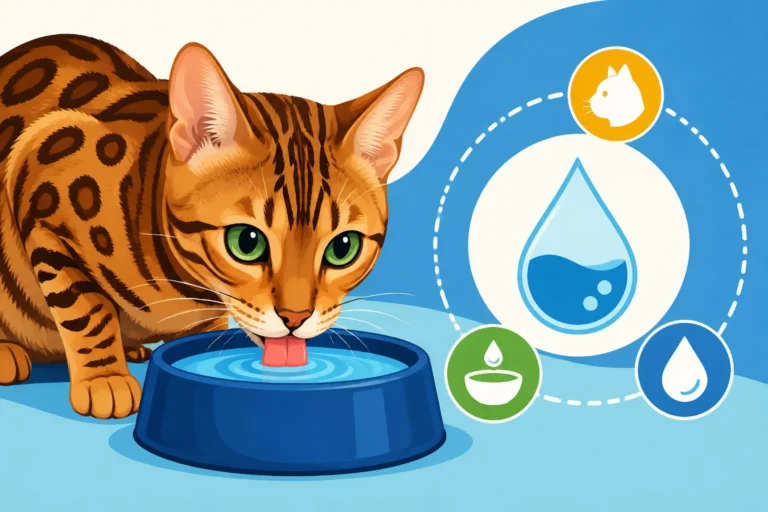
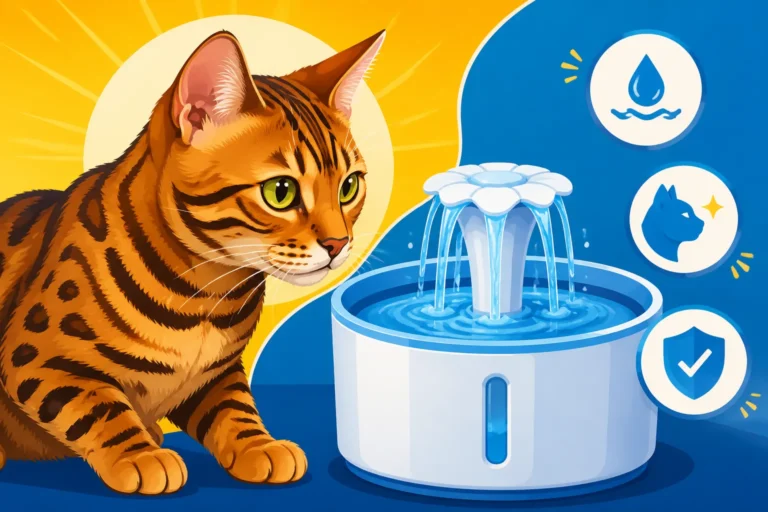
One of the most significant drawbacks of an exclusive dry food diet for any cat, especially a Bengal, is the lack of moisture. Cats, by nature, evolved to get most of their hydration from their prey. Their thirst drive is relatively low compared to many other animals, meaning they often don't drink enough water to compensate for a completely dry diet. This can lead to chronic, low-level dehydration. Over time, this chronic dehydration can put a strain on their kidneys and urinary tract, making them more susceptible to issues. Even if your Bengal drinks from a water bowl or fountain, it's often not enough to make up the difference. A simple way to understand this is to consider that a mouse, a natural feline prey, is about 70-80% water. Dry kibble, on the other hand, is typically only 5-10% water. That's a huge disparity that their bodies are constantly trying to reconcile. This is why you often see Bengals drawn to running water, like a faucet or a pet fountain, trying to instinctively increase their water intake. Exploring Why a Bengal Cat Needs a Water Fountain can provide more insights into their unique relationship with water.
Protein Power: Meeting the Bengal's Carnivore Requirements
Bengal cats, like all felines, are obligate carnivores. This means their bodies are designed to derive essential nutrients primarily from animal-based protein. They need a high percentage of protein in their diet to support their muscular build, maintain energy levels, and provide the building blocks for healthy tissues. Many commercial dry foods, however, rely heavily on plant-based proteins or lower-quality animal by-products to cut costs. While these can contribute to the protein percentage listed on the bag, they aren't always as bioavailable or complete for a cat's specific needs. A Bengal cat's powerful physique and constant activity demand superior quality protein for muscle maintenance and repair. If their diet consists mainly of dry food with insufficient high-quality animal protein, they may struggle to build and maintain the lean muscle mass characteristic of the breed, potentially leading to muscle wastage over time, even if they appear active. Understanding Which Protein Percentage Suits a Bengal Cat is crucial for their long-term health.
Carbohydrates: A Filler, Not a Fuel for Felines
Another common issue with dry kibble is its relatively high carbohydrate content. While some carbohydrates are not inherently harmful, a cat's digestive system is not optimally designed to process large amounts of them. In the wild, a cat's diet contains very little in the way of carbohydrates. Many dry kibbles use grains, potatoes, or other plant-based ingredients as binders and cheap fillers, which boost the calorie count but offer little nutritional value that a cat can efficiently utilize. For an active Bengal, these excess carbohydrates can lead to issues. Instead of providing sustained energy, they can contribute to blood sugar spikes and crashes, or worse, be stored as fat, potentially leading to weight gain despite high activity levels. They can also contribute to gastrointestinal upset, as their sensitive digestive systems struggle with the processing. While a Bengal needs calories, they need the right kind of calories, primarily from protein and fat, not from unnecessary carbohydrates.
Supplementing and Enhancing Your Bengal's Diet
Moving beyond a dry-food-only diet doesn't have to be complicated. Incorporating other food types and making informed choices about what goes into your Bengal's bowl can make a world of difference in their health and vitality.
The Benefits of Wet Food and Fresh Options
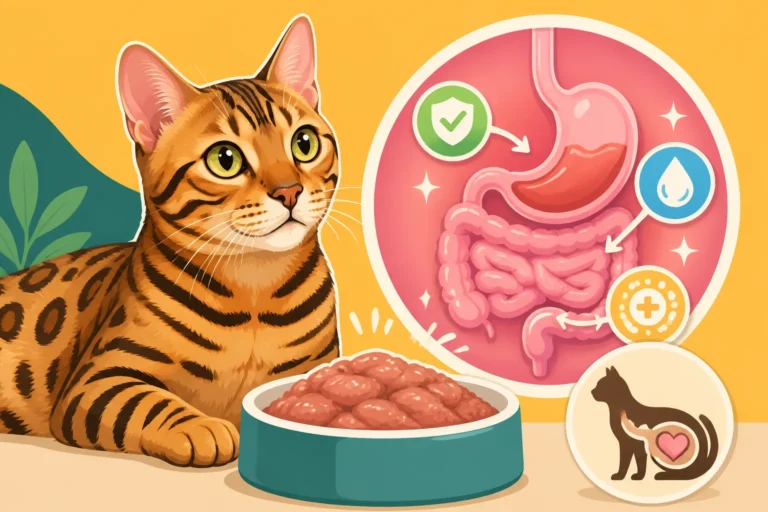
The simplest and most impactful way to enhance a Bengal cat's diet is by introducing high-quality wet food. Wet food provides the much-needed moisture that dry kibble lacks, supporting hydration and urinary tract health. It also typically has a higher animal protein content and fewer carbohydrates, aligning more closely with a cat's natural dietary requirements. Look for wet foods that list meat as the first ingredient and avoid those with excessive fillers or by-products.
Many owners find that feeding a mix of wet and dry food works well, offering the benefits of both while maintaining some convenience. For those looking to go a step further, carefully prepared fresh or raw food diets can be incredibly beneficial, mirroring the nutritional profile of a wild feline's diet even more closely. However, it's vital that raw diets are balanced and prepared correctly to avoid nutritional deficiencies or bacterial risks. Why Wet Food Suits a Bengal Cat's Gut can offer more reasons to make the switch.
Incorporating Dietary Variety for Optimal Health
Just like humans, cats can benefit from a varied diet. Rotating different brands, flavors, and protein sources (chicken, turkey, fish, beef) in their wet food or fresh food components can help ensure a broader spectrum of nutrients. It also keeps mealtime interesting, which can be a plus for picky eaters. For your dry food component, if you choose to keep it, consider a high-quality, grain-free option that's rich in animal protein.
When introducing new foods, do so gradually over several days to avoid upsetting your Bengal's sensitive stomach. Start with a small amount mixed with their current food and slowly increase the proportion. This gradual transition allows their digestive system to adjust smoothly. Think of it as building a more resilient and nutritionally complete dietary foundation for their energetic lifestyle.
What to Look for in High-Quality Bengal Cat Food
When you're standing in the pet food aisle, or browsing online at retailers like Chewy or Amazon, it can feel overwhelming to choose the "best" food. For your Bengal, focus on a few key indicators of quality. The first ingredient should always be a named meat source (e.g., "chicken," "turkey meal," "salmon"), not a vague "meat by-product" or a plant-based ingredient like "corn." Avoid artificial colors, flavors, and excessive fillers.
Key Nutritional Considerations for Bengal Cats:
| Nutrient Category | Ideal for Bengal Cats | Common Issue in Dry Kibble |
|---|---|---|
| Protein | High (40%+) from animal sources | Lower quality, more plant-based |
| Fat | Moderate to high (20%+) for energy and coat health | Variable, sometimes from less ideal sources |
| Carbohydrates | Low (under 10-15%) | High (30%+) for binding and fillers |
| Moisture | High (70%+) through wet/fresh food | Low (5-10%) in dry kibble |
| Taurine | Essential amino acid, animal-derived | Can be synthetic or insufficient in low-meat diets |
Always check the guaranteed analysis on the food label. While percentages can be tricky to compare between wet and dry food (due to moisture content), a higher crude protein and fat percentage, coupled with a low crude fiber and carbohydrate content (often not listed but can be estimated by subtracting other percentages from 100%), is generally a good sign. If you're considering a raw diet, be sure to thoroughly research and understand What a Raw Diet Involves for a Bengal Cat and consult with your veterinarian or a feline nutritionist to ensure it's nutritionally complete and safe.
Recognizing the Signs of Under-Nourishment or Suboptimal Diet
Even with the best intentions, it's possible for a Bengal cat to be under-nourished if their diet isn't quite right. Knowing what to look for, both physically and behaviorally, can help you intervene early and adjust their nutrition.
Physical Indicators of Nutritional Deficiency
Your Bengal cat's coat is often a good barometer of their internal health. A healthy Bengal should have a short, dense, glossy coat that feels like silk, often with that distinctive "glitter" gene. If you notice their coat becoming dull, dry, brittle, or excessive shedding beyond their typical minimal loss, it could be a sign of nutritional deficiency, particularly a lack of essential fatty acids or protein. While Bengal cats typically maintain a lean, muscular build, unexplained weight loss or a failure to thrive and put on appropriate muscle mass (especially in younger cats) can be a red flag. Their activity levels are so high that they need a steady supply of energy; if they're not getting enough, their body might start to use muscle for fuel. Keep an eye on their stool quality too; persistent loose stools or diarrhea can indicate a gut struggling to process their food effectively, or an imbalance in their diet. You might also notice a lack of the "whited tummy" or strong rosetting if their coat condition deteriorates. It's helpful to know What a Muscular Bengal Cat Should Weigh to have a baseline for your cat's health.
Behavioral Clues Your Bengal Needs More
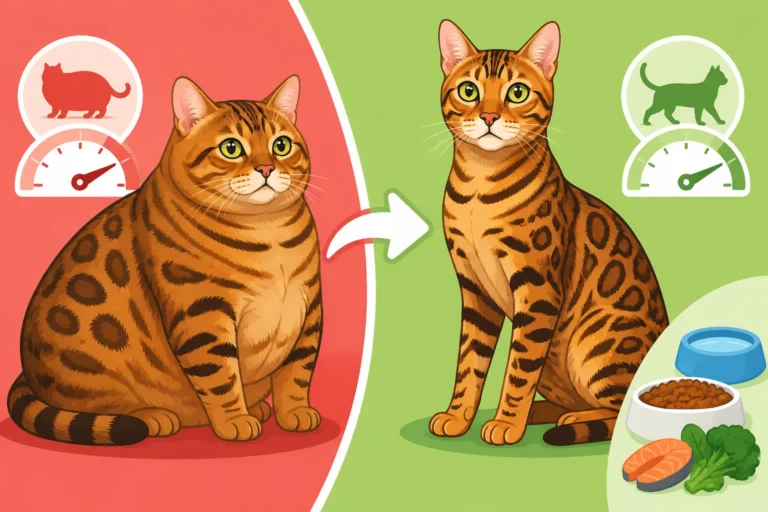
Beyond physical signs, your Bengal's behavior can offer clues. An active Bengal who suddenly seems less playful, more lethargic, or less interested in their usual climbing and exploring might be experiencing a dip in energy due to inadequate nutrition. They might sleep more, or simply not engage with you or their toys with their usual enthusiasm. Increased begging for food, even after eating what seems like a full meal, could indicate they're not feeling satiated or are lacking essential nutrients in their current diet. Some Bengals might even become more destructive out of frustration or a restless need to expend energy they're not getting from their food. Always remember that Bengals are incredibly clever animals; if their needs aren't being met, they'll find ways to communicate it, sometimes through less desirable behaviors. Conversely, if your Bengal starts gaining weight, especially around their belly, despite being active, it could indicate too many carbohydrates or low-quality ingredients, rather than a lack of food. This is important to distinguish from under-nourishment, though both point to a suboptimal diet.
Consulting Your Vet for Dietary Guidance
If you're concerned about your Bengal's diet or notice any of these physical or behavioral changes, the best course of action is always to consult with your veterinarian. They can perform a thorough examination, including blood work or fecal tests, to rule out any underlying health issues. They can also offer tailored dietary recommendations based on your Bengal's age, activity level, and specific health needs. A vet can help you interpret food labels, guide you on appropriate portion sizes, and advise on safe methods for transitioning to a new diet. They might suggest specific therapeutic diets or supplements if there are identified deficiencies. Remember, an annual How Often a Bengal Cat Needs a Wellness Exam is crucial for catching potential issues early. Getting professional guidance ensures that you're making the most informed decisions for your unique and magnificent Bengal cat's long-term health and happiness.
Disclaimer
This article is for general informational purposes only and does not constitute professional advice. Laws, prices and regulations vary by location and change over time. Consult a qualified professional for guidance on your specific situation.