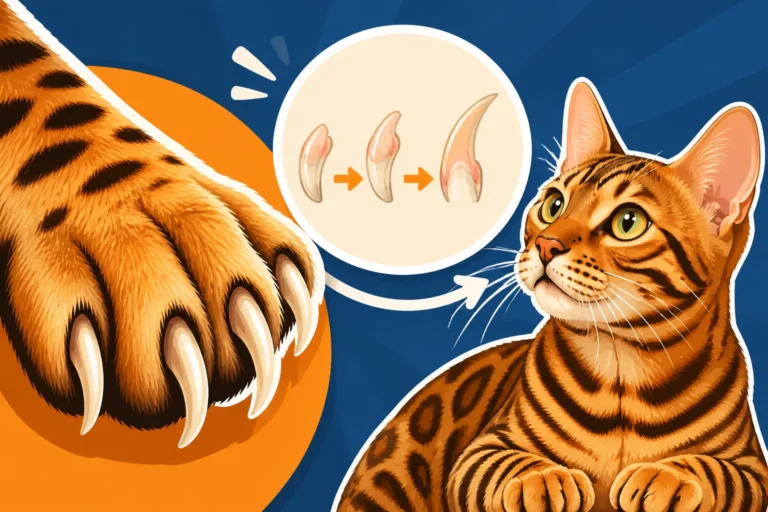
Why a Bengal Cat Kitten Stays on Kitten Food Longer
It's a common moment for Bengal cat parents: you’re at the pet store, looking at kitten food bags, and then you see the "adult cat" aisle. You start to wonder, when exactly is your wildly energetic, sleek little leopard-lookalike going to be considered "adult" enough for that food? Many of us assume all kittens transition around the same age, but Bengal kittens often have unique needs that keep them on specialized kitten formulas for longer. This guide will walk you through why your Bengal kitten might need that extra time with kitten food and what it means for their long-term health.
The Unique Growth Trajectory of a Bengal Kitten
Bengal cats aren't your average domestic shorthairs; they carry a lineage that's closer to their wild Asian Leopard Cat ancestors, which influences everything from their high energy levels to their distinctive growth patterns. This isn't just about size; it's about the very way their bodies develop.
Why Bengal Kittens Aren't Your Average Housecat Fuzzballs
Think about a typical domestic kitten. They grow quickly, putting on bulk and reaching adult size by about 9-12 months. Bengal kittens, however, have a different timeline. While they might hit a certain weight quickly, their physical development, particularly in terms of muscle mass and bone density, continues for a longer period. They are lean, athletic creatures, not prone to getting "chunky" in the way some other breeds might. This extended development means their bodies are actively building and repairing for a longer duration, demanding a sustained level of nutritional support that standard adult cat food simply isn't designed to provide. You might be surprised to learn that a seemingly large Bengal kitten is still very much in a growth phase.
The "Lean Machine" Metabolism
One of the most defining characteristics of a Bengal cat, even as a kitten, is their incredible energy. These are not couch potatoes; they are tiny, muscular athletes constantly on the go. This high activity level isn't just for show; it's fueled by an incredibly fast metabolism. Your Bengal kitten is burning through calories at a much higher rate than many other breeds. This "lean machine" metabolism means they need a consistent supply of nutrient-dense food to support their boundless energy and the ongoing development of their lean muscle mass. This isn't just about running and jumping; it's about supporting the internal processes that build a strong, healthy Bengal. You'll notice they consume quite a bit more food than you might expect for their size, and this is perfectly normal. How Many Calories a Cat as Active as a Bengal Burns is a real eye-opener for many new owners.
The Role of Genetics in Growth
At the heart of a Bengal's unique growth is its genetic makeup. These cats are a hybrid breed, with their wild ancestry playing a significant role in their physiological needs. The Asian Leopard Cat influence brings with it a predisposition for strong musculature, agility, and a slightly longer growth period compared to fully domestic breeds. This isn't a flaw; it's simply how the breed is built. Breeders often see their Bengals continuing to fill out and gain muscle well into their second year, sometimes even longer for males. This means that while they might look "grown" on the outside, their internal systems, bones, and muscles are still maturing. Rushing this process by switching to adult food too soon can potentially shortchange their development, leading to less optimal muscle definition and bone health in the long run.
Understanding Nutritional Needs for Extended Growth
Because of their unique growth trajectory and high metabolism, Bengal kittens have very specific nutritional requirements that differ from an adult cat's maintenance diet. It's not just about more food, but the right kind of food.
Protein, Fat, and Essential Nutrients
Kitten food, by design, is packed with higher levels of protein, fat, and essential nutrients like vitamins and minerals than adult formulas. For a Bengal kitten, this nutritional density is crucial. Protein is the building block for their impressive musculature and supports healthy skin and that luxurious pelt. Fats provide concentrated energy for their high metabolism and are essential for nutrient absorption, brain development, and a healthy coat. Crucially, kitten food also often contains higher levels of DHA, an omega-3 fatty acid vital for brain and vision development, which is especially beneficial for an intelligent, alert breed like the Bengal. Switching to a lower-protein, lower-fat adult food too early can leave a rapidly growing Bengal kitten deficient in these critical components, hindering their development. Many owners ask, Which Protein Percentage Suits a Bengal Cat? It's definitely something to research when choosing food.
The Importance of Sustained Caloric Intake
A growing Bengal kitten, with its robust activity level, needs a consistently high caloric intake. They're not just maintaining weight; they're actively building body mass, which requires a significant energy investment. Kitten foods are calorie-dense, formulated to provide the necessary energy without requiring the kitten to eat an excessive volume of food, which could overwhelm their digestive system. Imagine fueling a race car versus a sedan; both need gas, but the race car demands a higher octane fuel to perform optimally. Similarly, your Bengal kitten's energetic lifestyle and ongoing growth demand a continuous supply of nutrient-rich calories that kitten formulas excel at providing. Depriving them of this sustained energy can lead to stunted growth, lack of vitality, and potentially even health issues down the line.
Avoiding Premature Transition to Adult Food
The biggest mistake many well-meaning owners make is transitioning their Bengal kitten to adult food too soon. The "one year old" milestone often touted for cats is a general guideline, but it doesn't apply equally to all breeds, especially not the Bengal. Switching prematurely means moving from a growth-supportive diet to a maintenance diet, which has lower levels of protein, fat, and calories. This can stunt muscle development, lead to energy dips, and potentially compromise their immune system as their body tries to continue growing on insufficient fuel. It's like trying to build a skyscraper with fewer bricks than planned – the structure might go up, but it won't be as strong or resilient. Patience here pays off immensely in the long-term health and vitality of your Bengal. Understanding What a Bengal Cat Kitten Needs to Build Muscle highlights why this prolonged support is so vital.
Practical Advice for Feeding Your Growing Bengal Kitten
Navigating the world of cat food can feel overwhelming, but with a Bengal kitten, it's about making informed choices that support their unique needs.
Choosing the Right Kitten Food
When selecting a kitten food for your Bengal, look for high-quality options that prioritize animal-based protein as the first ingredient. Chicken, turkey, salmon, or beef are excellent choices. Avoid foods with excessive fillers like corn, wheat, or soy, as these can be harder for a sensitive Bengal gut to process and offer less nutritional value. Many reputable brands offer kitten-specific formulas designed for active breeds or those with higher protein needs. Don't be swayed by marketing; read the ingredient list carefully. Wet food is often recommended as it provides crucial hydration and can be more palatable, though a combination of high-quality wet and dry food can work well. If you're unsure, ask your breeder or veterinarian for recommendations tailored to your kitten's specific needs. Popular online retailers like Chewy and Amazon often have detailed ingredient lists and customer reviews that can help guide your decision. Some brands even offer fresh, pre-portioned meals, which can be highly beneficial for sensitive stomachs and high energy levels.
Here's a quick comparison of what to look for:
| Feature | Ideal Kitten Food for Bengals | Less Ideal Adult Food (for kittens) |
|---|---|---|
| Protein | High (35-45% on a dry matter basis), animal-based first | Moderate (25-35%), potentially more plant-based |
| Fat | High (18-25%), essential for energy and development | Moderate (10-18%), designed for maintenance |
| Calories | Dense, supports rapid growth and high metabolism | Lower, designed for weight maintenance |
| Nutrients | Fortified with DHA, extra vitamins, minerals for growth | Maintenance levels, assumes full development |
| Ingredients | Limited fillers, recognizable meat sources | Can contain more fillers, lower quality protein sources |
| Digestibility | Often formulated for sensitive young digestive systems | Can be harder for developing guts if switched too early |
Monitoring Growth and Energy Levels
The best way to know if your Bengal kitten is thriving and when they might be ready for a change is to observe them closely. Are they maintaining their high energy levels? Is their coat glossy and healthy? Are they growing steadily without becoming either too thin or too heavy? A healthy Bengal kitten should be lean, muscular, and incredibly active. Don't just rely on weight; assess their body condition. You should be able to feel their ribs easily without seeing them prominently, and they should have a discernible waist.
Your veterinarian will also monitor their growth during regular check-ups. They can help you determine if your kitten is on a healthy trajectory for their breed. Remember, a Bengal's growth isn't just about getting bigger; it's about developing dense bone structure and powerful muscle, which takes time and consistent, high-quality nutrition. The Age a Bengal Cat Reaches Full Size will often surprise new owners, as it's later than many other breeds.
When to Consult Your Vet About Food Transition
While this guide emphasizes longer kitten food periods for Bengals, there isn't a single, universally fixed age. Generally, many Bengals benefit from staying on kitten food until at least 12-18 months of age, and sometimes even up to two years, depending on their individual development. This is especially true for large males who continue to fill out significantly.
The best time to consider transitioning is in consultation with your veterinarian. They can assess your individual cat's growth plate closure, muscle development, and overall health to give you the green light. They might recommend a gradual transition, mixing a small amount of adult food with their kitten food over several weeks to avoid digestive upset. Listen to your cat's body and your vet's advice, rather than adhering strictly to generic age guidelines. Remember, What a Bengal Cat Weighs is less important than how that weight is distributed in terms of muscle and leanness.
Common Misconceptions and What to Watch Out For
There are a few myths and pitfalls that Bengal owners often encounter when it comes to feeding their growing kittens. Being aware of these can save you a lot of worry and ensure your Bengal receives optimal care.
The "Bigger Cat, Earlier Switch" Fallacy
One common misconception is that because Bengal kittens are often larger and more robust than other kittens, they should transition to adult food earlier. This couldn't be further from the truth. Their larger size and apparent maturity often mask the fact that their internal systems and skeletal structure are still actively developing. A big Bengal kitten isn't "done" growing; they're just growing more and longer than a smaller, less active breed. Rushing them onto an adult diet based solely on their visual size can lead to nutritional deficiencies at a critical developmental stage. Always prioritize their biological age and developmental needs over their outward appearance of maturity.
Signs Your Kitten Is Ready for Adult Food (or Not)
How do you know if your Bengal kitten is truly ready for adult food, or if they still need that kitten formula boost?
Signs they might be ready (after veterinary consultation):
- They've reached their full skeletal size and are primarily filling out with muscle, not just growing taller or longer.
- Their energy levels, while still high, are consistent, and they don't seem to be losing weight despite eating a good amount.
- Your vet confirms that their growth plates have closed and they are physiologically mature.
Signs they are not ready, or need to stay on kitten food longer:
- They are still actively growing in height or length.
- They appear too lean or are struggling to maintain weight despite adequate feeding.
- Their coat is dull, or their energy levels seem lower than expected for a Bengal.
- They are still exhibiting significant playful, destructive energy, needing all the fuel they can get.
- They've recently recovered from an illness or stress, which might have temporarily impacted growth or nutrient absorption.
- Their stools are consistently soft or problematic on adult food. Why a Bengal Cat's Gut Is So Sensitive means dietary changes need to be managed carefully.
The Dangers of Underfeeding or Overfeeding During Growth
Feeding a Bengal kitten is a delicate balance. Underfeeding can lead to stunted growth, poor muscle development, a weakened immune system, and a generally unhealthy cat. Given their high metabolism and activity, underfeeding can happen even if they seem to be eating a decent amount; their caloric needs are just that high. On the other hand, while less common for Bengals due to their lean build and energy, overfeeding can lead to excessive weight gain, putting strain on developing joints and increasing the risk of health issues later in life. Whether a Bengal Cat Gets Fat is generally rare, but still a consideration.
It's about feeding the right amount of the right food. This means monitoring their body condition, adjusting portion sizes based on their activity levels, and providing a high-quality kitten formula for the appropriate duration. Always ensure they have access to fresh, clean water, especially if feeding dry kibble. Consistency and careful observation are your best tools for ensuring your Bengal kitten grows into a healthy, vibrant adult.
Disclaimer
This article is for general informational purposes only and does not constitute professional advice. Laws, prices and regulations vary by location and change over time. Consult a qualified professional for guidance on your specific situation.