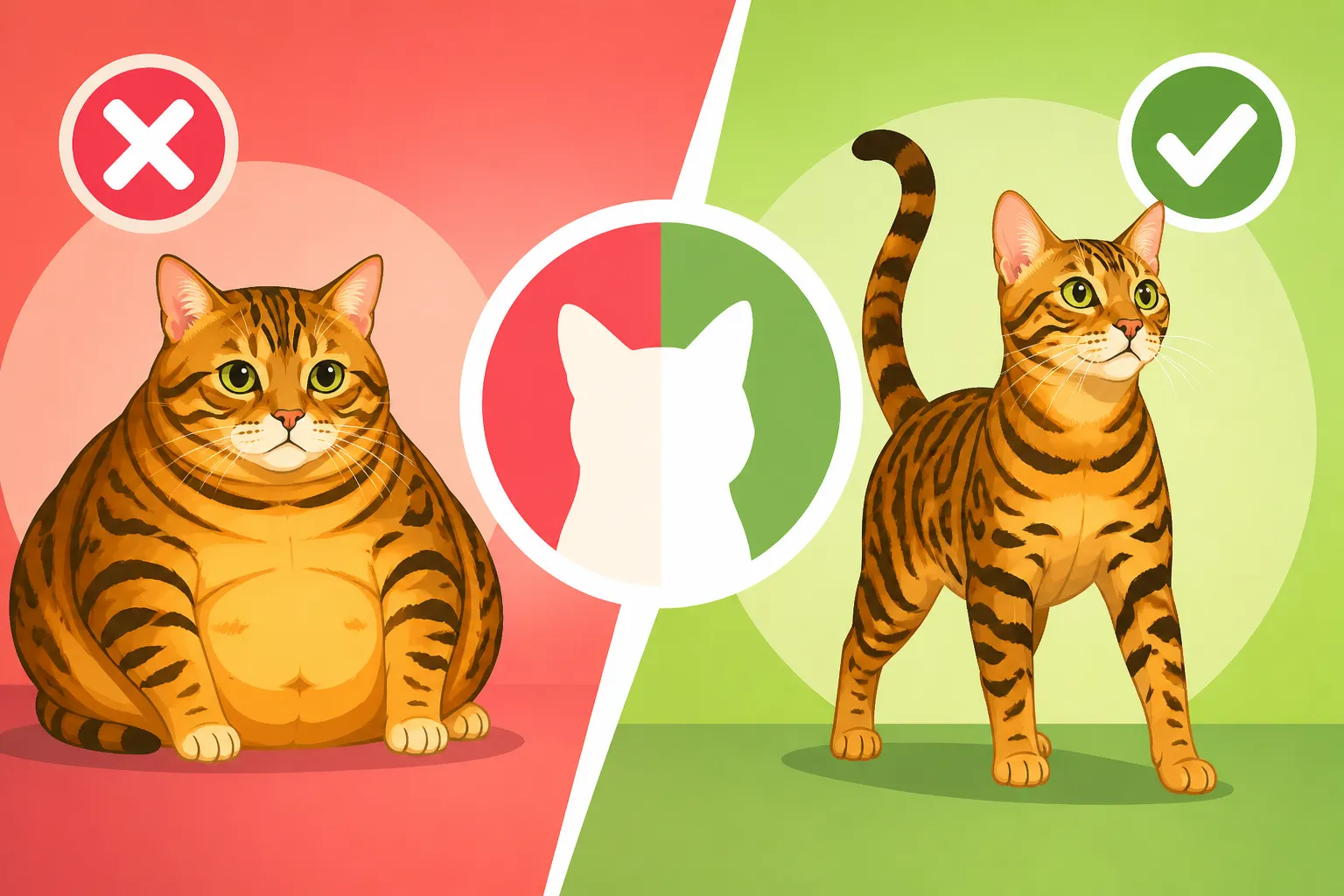
Whether a Bengal Cat Gets Fat
It's a common misconception that because Bengal cats are such energetic, lithe creatures, they simply can't get fat. Many new Bengal owners believe their whirlwind of a cat will naturally burn off every calorie, making weight management a non-issue. However, this simply isn't true; a Bengal cat absolutely can and will gain excess weight if their diet and exercise aren't properly balanced, leading to a host of potential health problems. This guide will walk you through why Bengal cats can indeed get fat, how to recognize the signs, and what you can do to keep your spotted friend at a healthy weight.
The Myth of the Unfattenable Bengal Cat
Let's address the elephant in the room – or rather, the misconception about the cat in the house. Many people assume that a Bengal cat's wild ancestry and incredibly high energy levels grant them some kind of metabolic superpower, making them immune to weight gain. They see their Bengal tearing through the house, scaling cat trees, and chasing toys with relentless abandon, and think, "There's no way this cat could ever be overweight!" It's a comforting thought, especially when you adore your furry friend and want to spoil them.
The reality, however, is that while Bengal cats are indeed more active than many domestic breeds, their bodies still operate on a fundamental principle: calories in must equal or be less than calories out to maintain or lose weight. Modern Bengals, even those several generations removed from their wild ancestors, are primarily indoor cats. Their daily caloric expenditure, while higher than a sedentary housecat, is often still far less than what they would naturally burn in a true wild environment. They aren't constantly hunting for survival, scaling trees to escape predators, or covering vast territories. Our homes, no matter how enriched, limit their movement. This creates a gap between their perceived activity and their actual caloric needs, making weight gain a very real possibility if we're not careful with their food bowl.
Even with their impressive athleticism, an excess of calories, especially from inappropriate foods or too many treats, will inevitably lead to fat storage. Think of it like a human athlete: even a marathon runner can gain weight if they consume more calories than they burn. Your Bengal might be a feline Olympian, but if their diet isn't managed, those extra calories will start to show up on their frame, often subtly at first, but progressively.
Factors Contributing to Weight Gain in Bengal Cats
So, if the "unfattenable Bengal" is a myth, what are the real culprits behind those extra pounds? It boils down to a combination of diet, activity levels, and age, often intertwined in ways that surprise owners. Understanding these factors is the first step in preventing and managing weight gain in your beautiful Bengal.
Dietary Habits and Caloric Intake
This is arguably the biggest factor. What and how much you feed your Bengal cat makes a monumental difference. Many owners, out of love, inadvertently overfeed their cats.
- Free-Feeding vs. Scheduled Meals: The common practice of leaving a bowl of kibble out all day for a cat to graze on can be a recipe for weight gain, especially for a Bengal. While some cats self-regulate, many will eat simply because the food is available, leading to excess caloric intake. If you're wondering How Much to Put Down for a Bengal Cat at Each Meal, the answer is often less than you think. Scheduled meals, two or three times a day, with measured portions, can help you control their intake much more effectively.
- High-Calorie or Inappropriate Foods: Not all cat foods are created equal. Many dry kibbles, while convenient, can be very calorie-dense and high in carbohydrates, which aren't ideal for a carnivore like a Bengal. Even seemingly healthy wet foods can contribute to weight gain if portions aren't managed. The "high protein argument for a Bengal cat" often refers to their need for quality animal protein, but this doesn't mean unlimited protein, or protein from sources that also pack a caloric punch. Always check the calorie content on your cat food packaging, and consult with your vet about the best type of food for your Bengal's activity level and age.
- Treats Galore: We all love to spoil our cats with treats, but these extra tidbits can quickly add up. A few crunchy treats here, a bit of leftover chicken there – it might seem insignificant, but these calories contribute to their daily total. It's easy to forget What Treats Add to a Bengal Cat's Yearly Bill, both in terms of cost and calories. Consider healthy, low-calorie treat options, or use a portion of their daily meal allowance as treats during training or play sessions.
Insufficient Exercise and Enrichment
Even for a Bengal, an active breed known for its boundless energy, an indoor lifestyle can sometimes lead to insufficient exercise if deliberate effort isn't made.
- Limited Playtime: While a Bengal cat is the most active cat you can own, their energy needs to be channeled. If your Bengal isn't getting enough dedicated play sessions, running on a cat wheel, or exploring a secure catio, those unused calories will settle as fat. How Many Hours a Day a Bengal Cat Plays is usually more than the average domestic cat, but even they need interaction. Two to three vigorous play sessions a day, each lasting 15-20 minutes, with interactive toys like wand toys, can make a huge difference.
- Lack of Vertical Space: Bengals thrive on climbing and exploring vertical spaces. If your home lacks tall cat trees, wall shelves, or other climbing opportunities, your Bengal might not be getting the physical exertion their body craves. A Bengal cat opens cabinets, doors and drawers, partly out of curiosity, but also out of a need for mental and physical engagement. Providing ample vertical territory encourages natural climbing behavior and helps burn calories.
- Boredom and Stress Eating: Believe it or not, cats can eat out of boredom or stress, much like humans. A Bengal that isn't sufficiently enriched might turn to their food bowl as a source of stimulation. This highlights How Much Enrichment a Bengal Cat Actually Needs beyond just physical play. Puzzle feeders, rotating toys, and even leash walks can provide mental stimulation that reduces boredom-related eating.
Age and Metabolism Changes
Just like people, cats' metabolisms slow down as they age. What worked for a lively kitten might not be appropriate for a senior Bengal.
- Slowing Down: As a Bengal cat ages, typically past the age of eight or ten, their activity levels naturally decrease. You might notice that An Aging Bengal Cat Slows Down or that they are less inclined to chase a laser pointer for as long as they once did. Their muscles might not be as lean, and they might spend more time napping. This reduction in activity means they burn fewer calories.
- Muscle Loss: Senior cats often experience sarcopenia, a natural loss of muscle mass. Since muscle burns more calories at rest than fat, this muscle loss further contributes to a slower metabolism. This explains Why an Old Bengal Cat Loses Muscle First. If their diet isn't adjusted to account for these changes, weight gain is almost inevitable. It's crucial to continue monitoring What a Healthy Bengal Cat Weighs as they get older, as this benchmark shifts slightly with age.
- Underlying Health Conditions: Sometimes, weight gain isn't just about diet and exercise. Certain medical conditions, such as hypothyroidism (though less common in cats than dogs), or even pain from arthritis can lead to reduced activity and subsequent weight gain. Regular wellness exams and discussions with your vet, perhaps covered by pet insurance plans like those from Healthy Paws, are vital to rule out any medical causes.
Recognizing an Overweight Bengal Cat
It can be tough to objectively assess your own cat's weight, especially when you see them every day. Their beautiful rosetted coats can also mask a few extra pounds. However, there are clear signs that indicate your Bengal might be carrying too much weight. Catching it early is key to preventing more serious health issues down the line.
Visual and Palpation Assessment
This is your primary tool for at-home weight monitoring. You don't need a scale (though that helps!); your eyes and hands are incredibly effective.
- The Rib Test: Gently run your hands along your Bengal's sides. You should be able to feel their ribs quite easily, much like feeling the knuckles on the back of your hand. If you have to press firmly to feel them, or if you can't feel them at all, your cat is likely overweight. An ideal Bengal will feel muscular and lean, not soft and padded over the ribs.
- Waistline Check: Look at your Bengal from above while they're standing. They should have a distinct waistline that tapers in slightly behind their ribs, before flaring out again at their hips. If they look like a continuous cylinder, or if their sides bulge out, they are carrying too much fat. This is especially true given What a Muscular Bengal Cat Should Weigh; they should look athletic, not round.
- Abdominal Tuck: View your Bengal from the side. Their belly should tuck up slightly towards their hind legs, not hang low or sway from side to side when they walk. A prominent "belly flap" or primordial pouch is normal to a degree, but if it feels overly fatty or obstructs their movement, it's a concern.
Behavioral and Physical Changes
Beyond just looking and feeling, an overweight Bengal might start to exhibit changes in their behavior and physical capabilities.
- Reduced Activity Levels: While some Bengals naturally slow down with age, a younger or middle-aged Bengal suddenly showing less interest in play, or getting winded easily after short bursts of activity, could be a sign of excess weight. They might be less inclined to engage in their usual antics, like climbing How High a Bengal Cat Climbs or chasing toys.
- Difficulty Grooming: Overweight cats often struggle to reach certain parts of their bodies, particularly their backs and hindquarters, for grooming. You might notice their coat looking less pristine in these areas, or even matted. They might also struggle to use the litter box comfortably due to their size.
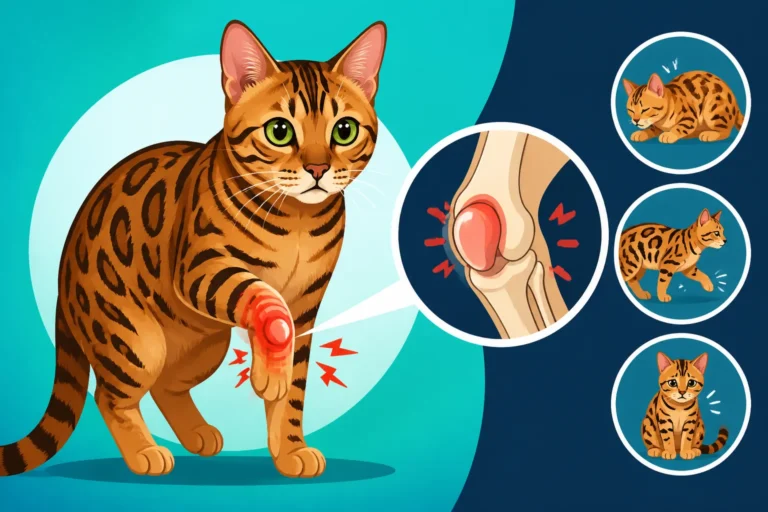
- Changes in Movement: An overweight Bengal might move less gracefully. You might notice them having trouble jumping onto favorite perches, or seeming stiff and reluctant to move. Excess weight puts additional strain on their joints, potentially leading to or exacerbating conditions like arthritis, even at a younger age. This is why it's important to monitor their activity and movement.
Here's a quick comparison table to help you assess your Bengal's weight:
| Characteristic | Ideal Weight Bengal Cat | Overweight Bengal Cat |
|---|---|---|
| Ribs (Palpation) | Easily felt with light pressure, no fat padding. | Difficult to feel, requires firm pressure, significant fat padding. |
| Waistline (Top View) | Clearly visible indentation behind ribs, hourglass shape. | Little to no waist, looks like a continuous cylinder or bulges. |
| Abdominal Tuck (Side View) | Tucks up slightly towards hind legs. | Hangs low, may swing when walking, no tuck. |
| Activity Level | Energetic, agile, enjoys jumping and running. | More lethargic, less enthusiastic about play, easily winded. |
| Grooming | Easily reaches all body parts, coat is neat and clean. | Struggles to reach back/hindquarters, matted fur possible. |
If you're unsure, or if you suspect your Bengal is gaining too much weight, a visit to your veterinarian is always the best course of action. They can provide an objective assessment and discuss a healthy weight plan. It's an important part of What a Bengal Cat's Yearly Bloodwork Should Cover and overall preventative care.
Strategies for Preventing and Managing Bengal Cat Weight Gain
The good news is that weight gain in Bengal cats is often manageable with a few consistent changes to their routine. Prevention is always easier than cure, but if your Bengal has already packed on some pounds, a structured approach can help them get back to a healthy, athletic weight.
Reassessing Their Diet
The food bowl is your most powerful tool in weight management. Even small adjustments can make a big difference over time.
- Portion Control and Measured Meals: The first and most critical step is to stop free-feeding. Instead, measure out your Bengal's food and offer it in two or three distinct meals throughout the day. Your vet can help you determine the appropriate daily caloric intake for your cat's ideal weight and activity level. Remember, How Many Calories a Bengal Cat Burns varies widely, so generic guidelines might not be enough. If you have multiple cats, consider separate feeding areas or timed feeders to ensure each cat only eats their designated portion.
- High-Quality, Appropriate Food: Focus on foods that are high in animal protein and moderate in fat, with low carbohydrate content. Wet food often has a higher moisture content and can be less calorically dense than kibble, which can help a cat feel fuller. If using dry food, opt for a high-quality brand that prioritizes meat ingredients. Consider a prescription weight-management diet if recommended by your vet; these are specially formulated to help cats lose weight safely while still getting all necessary nutrients.
- Smart Snacking: Eliminate or drastically reduce high-calorie treats. Instead, use small pieces of their regular kibble (taken from their daily allowance), freeze-dried meat treats (which are often single-ingredient and lower calorie), or even fresh, plain cooked chicken or fish (in very small amounts). Puzzle feeders can also slow down eating and provide mental stimulation.
Boosting Activity Levels
While Bengal cats are naturally active, it's our job as owners to provide the outlets for that energy, especially when managing their weight.
- Structured Play Sessions: Dedicate time each day for active play. Wand toys, feather teasers, and laser pointers (used responsibly, always ending with a tangible catch to prevent frustration) are excellent for getting them moving. Encourage jumping, running, and climbing. Think about What a Bengal Cat Does All Day and how you can integrate more movement into their routine. Aim for at least 30-60 minutes of interactive play spread throughout the day.
- Environmental Enrichment: Make your home a Bengal playground! Invest in tall, sturdy cat trees that reach the ceiling, install wall-mounted shelves, and consider a cat wheel. A catio – a secure outdoor enclosure – can provide a safe space for them to explore, climb, and get fresh air, burning calories while satisfying their instincts. Leash training can also be a fantastic way to introduce new sights, smells, and exercise. You might be surprised at How Well a Bengal Cat Hikes once they get used to a harness.
- Interactive Toys and Puzzle Feeders: These can keep your Bengal engaged and moving even when you're busy. Toys that dispense treats as your cat plays with them, or puzzle feeders that require them to "hunt" for their food, can increase their caloric expenditure and provide mental stimulation, preventing boredom-related overeating.
Regular Veterinary Check-ups and Monitoring
Your veterinarian is an invaluable partner in your Bengal's weight management journey.
- Scheduled Weigh-ins and Body Condition Scoring: Regular vet visits allow for accurate weigh-ins and professional body condition scoring. This helps you track progress and make adjustments as needed. A vet can show you how to properly assess your cat's body condition yourself at home. If you have pet insurance like Healthy Paws, it can help manage the costs of these routine health checks.
- Addressing Underlying Issues: As mentioned, sometimes weight gain has a medical cause. Your vet can perform blood tests or other diagnostics to rule out conditions that might be contributing to obesity or making weight loss difficult. They can also advise on any supplements that might aid metabolism or joint health if your cat is stiff due to carrying extra weight.
- Patience and Consistency: Losing weight takes time. Don't expect instant results. Consistency in diet and exercise is crucial. Celebrate small victories and don't get discouraged if progress is slow. Remember that How to Slim an Overweight Bengal Cat is a marathon, not a sprint, and requires dedication from both you and your feline friend.
By being mindful of their diet, ensuring ample opportunities for activity, and working closely with your vet, you can help your Bengal cat maintain a healthy, lean physique, ensuring they enjoy a long, active, and vibrant life.
Disclaimer
This article is for general informational purposes only and does not constitute professional advice. Laws, prices and regulations vary by location and change over time. Consult a qualified professional for guidance on your specific situation.