Why a Bengal Cat Kitten Looks Dull for Months
It’s a common moment for new Bengal cat parents: you bring home that adorable, tiny leopard print kitten, full of boundless energy and mischief. But as the weeks turn into months, you might start noticing something a bit… off with their coat. That sharp, vibrant pattern you fell in love with at the breeder's seems to be softening, fading, almost as if a fuzzy filter has been applied. You might even worry if your stunning Bengal is somehow losing its spots, or if you got a less-than-perfect example of the breed. Rest assured, this "dull" phase is a completely normal, natural part of a Bengal kitten's development, a fascinating echo of their wild heritage. This guide will walk you through exactly what's happening, why it happens, and when you can expect that magnificent adult coat to emerge.
Understanding Kitten Fuzzies: Nature's Camouflage Trick
One of the most frequent concerns new Bengal owners express is about their kitten's coat appearing less vibrant than they expected, or certainly less sharp than the adult Bengals they've seen. What you're witnessing is a phenomenon affectionately known as "kitten fuzzies." It’s not a defect or a sign that your Bengal isn't purebred; it’s a brilliant adaptation passed down from their wild ancestors.
The Wild Instinct Behind Fuzzies
To truly understand kitten fuzzies, we need to look back at the Bengal's wild ancestor: the Asian Leopard Cat. In the wild, leopard cat kittens are incredibly vulnerable. They are born into dens, often hidden in dense undergrowth, and their survival depends heavily on remaining unseen. Imagine a tiny, spotted kitten trying to blend into a dappled forest floor. A sharp, high-contrast coat, while beautiful, would make them stand out like a beacon to predators. This is where fuzzies come into play.
The slightly longer, softer, and often lighter guard hairs that make up the fuzzy coat act as a form of natural camouflage. They soften the edges of the kitten's spots and rosettes, blurring the pattern and making the kitten appear less distinct against the natural backdrop. It’s like nature’s own "soft focus" filter, helping the little ones melt into their surroundings. This instinctive survival mechanism is deeply ingrained in their DNA, and it's a testament to how closely the Bengal cat still retains traits from its wild heritage. It's a prime example of What an Asian Leopard Cat Is Behind Every Bengal Cat.
What Fuzzies Look and Feel Like
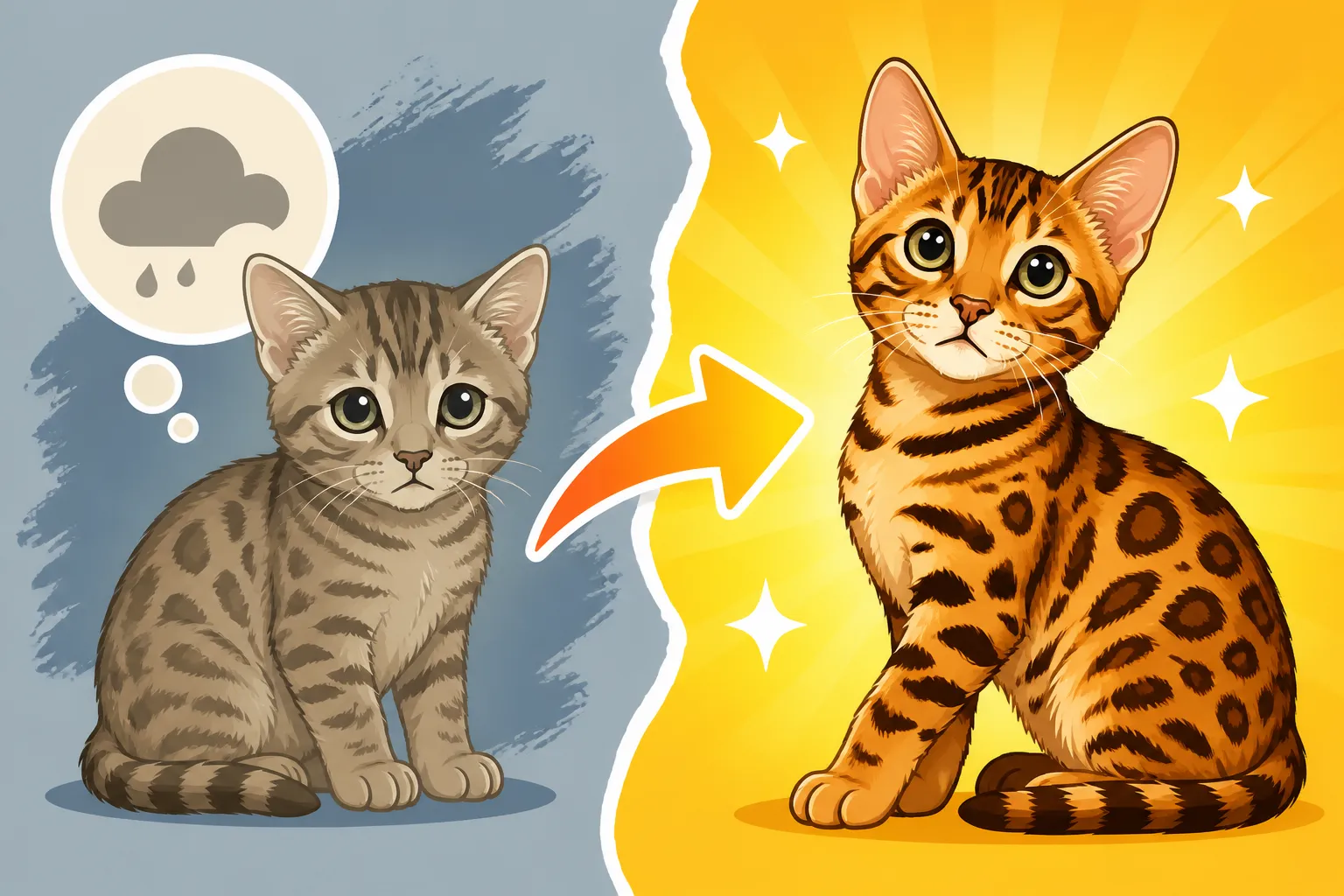
When your Bengal kitten is going through its fuzzy stage, the once crisp markings might appear muted or faded. The contrast between the darker spots and the lighter ground color diminishes, giving the coat a hazy or "dull" appearance. It's not that the spots are gone; they're just hidden under a veil of longer, softer hair.
If you run your hand over your kitten's back during this period, you’ll notice the texture is different from an adult Bengal's sleek "pelt." Instead of the short, tight, almost silk-like feel, the fuzzy coat feels softer, perhaps a bit fluffier, and less dense. This additional layer of hair is precisely what blurs the patterns. It can be quite startling if you're expecting the defined, high-contrast coat you see in show Bengals or older cats. But it’s a temporary phase, and a fascinating insight into the breed's origins. Understanding Why a Bengal Cat's Coat Came From the Asian Leopard Cat helps explain many of these unique traits.
The Genetic Blueprint for Bengal Kitten Coats
The phenomenon of kitten fuzzies isn't just a random occurrence; it's hardwired into the Bengal cat's genetic makeup, a direct inheritance from the Asian Leopard Cat. This genetic trait ensures that Bengal kittens are born with this survival advantage, and it dictates how their stunning adult coat eventually develops.
Tracing it Back to the Asian Leopard Cat
The original crosses between domestic cats and the Asian Leopard Cat introduced a wealth of wild genetics into the Bengal breed. One of these key genetic contributions is the gene responsible for the fuzzy coat phase. It's a clever evolutionary trick: a temporary camouflage that provides crucial protection during the kitten's most vulnerable period. As breeders worked to develop the Bengal, focusing on health, temperament, and pattern, this natural fuzzy stage remained an inherent part of the breed's development. It's part of what makes the Bengal so distinct from other domestic cats, connecting them directly to their wild roots.
This period of fuzzies is particularly pronounced in Bengals because their coat pattern is specifically designed for high contrast and definition in adulthood. To achieve that sharp, wild look, nature equipped the kittens with this counter-measure to help them survive until they are larger and more capable. The genetic programming is essentially a two-stage process: an initial "fuzzy" stage for protection, followed by a gradual transition to the clear, vibrant adult pattern.
How the Coat Develops from Fuzzy to Fabulous
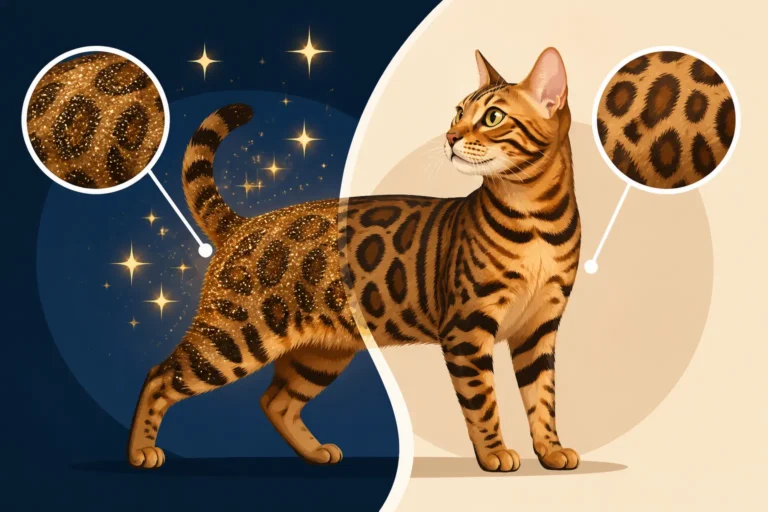
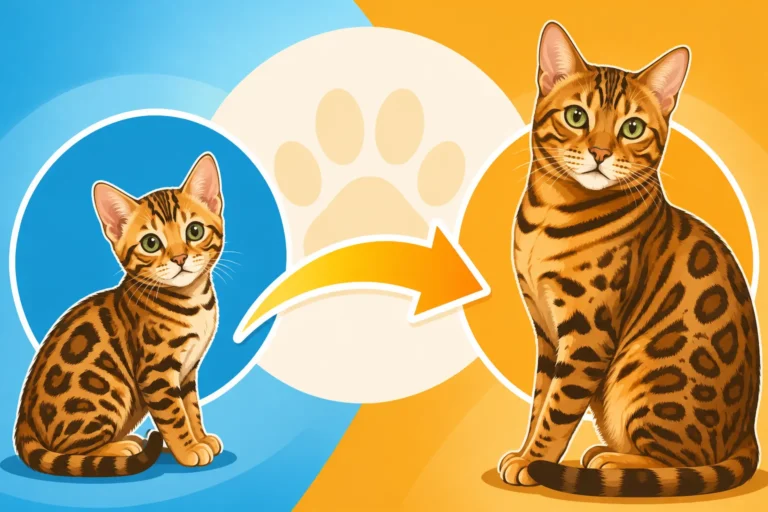
The "fuzzies" are essentially longer guard hairs that temporarily obscure the underlying pattern. As your Bengal kitten grows, these longer, softer hairs are gradually shed and replaced by the shorter, tighter, and more defined coat that is characteristic of an adult Bengal. This is when the true beauty of their rosettes and spots begins to shine through with striking clarity. The coat eventually becomes that distinctive "pelted" texture that is so highly prized in the breed, often with a shimmering "glitter" effect. How a Bengal Cat's Pelt Differs From Ordinary Fur is quite significant.
This developmental process is why Bengal breeders often don't truly know the full potential of a kitten's pattern until they're several months old. A kitten that looks a bit "dull" at 8-12 weeks might transform into a breathtaking example of the breed by 6-12 months. It's all part of the fascinating genetic journey that each Bengal takes from wild-looking fuzzy baby to magnificent domestic mini-leopard. The way the light catches their adult coat, highlighting the distinct spots and rosettes, is a far cry from the muted appearance of their fuzzy days.
The Timeline for Fuzzies to Clear
Now for the burning question: when will that gorgeous, clear pattern finally emerge? It’s important to remember that every Bengal cat is an individual, and while there's a general timeline, there can be some variation. Patience is definitely a virtue when it comes to waiting for those fuzzies to disappear.
The Typical Timeline for Fuzzies to Disappear
Generally speaking, Bengal kittens begin to enter their fuzzy phase around 4 to 8 weeks of age. This is often shortly after they’ve opened their eyes and are starting to explore their world, making that camouflage particularly useful. The fuzzies will usually be at their peak around 3 to 5 months old, at which point the kitten's coat might look its most indistinct and "dull."
From there, the fuzzies slowly start to recede. You might notice the pattern beginning to sharpen around 5 to 7 months, with more significant improvement often seen between 6 months and a year old. By the time a Bengal cat reaches its first birthday, the fuzzies should be largely gone, and their adult coat should be well on its way to full development. However, some Bengals can continue to refine their pattern and coat quality for up to two years! So, if your Bengal is still a bit fuzzy at 10 months, don't fret; they're just taking their sweet time. When a Bengal Cat Kitten's Fuzzies Clear is a commonly asked question among new owners.
Here's a general overview of the fuzzy phase:
| Age of Kitten | Coat Appearance During Fuzzies | Pattern Clarity |
|---|---|---|
| 0-4 Weeks | Relatively clear, distinct pattern | Good, but colors still developing |
| 4-8 Weeks | Fuzzies begin to emerge, slight blurring | Starts to soften, less defined |
| 2-5 Months | Peak fuzzy stage, coat may appear "dull" | Markings very muted, difficult to see definition |
| 5-8 Months | Fuzzies start receding, pattern gradually sharpens | Better definition, clearer contrasts return |
| 8-12 Months | Mostly adult coat, fuzzies largely gone | Good clarity, patterns becoming vibrant |
| 1-2 Years | Fully developed adult coat | Excellent, high-contrast, often with glitter |
Factors That Can Influence the Duration
While the timeline above provides a good estimate, several factors can influence how long your Bengal kitten's fuzzies persist:
- Genetics: Just like humans, individual cats inherit different genetic expressions. Some lines of Bengals might have a more prolonged fuzzy phase, while others might clear up earlier. This is simply a variation within the breed and not an indicator of quality.
- Nutrition: A well-balanced diet rich in high-quality proteins, essential fatty acids, and vitamins is crucial for healthy coat development. Kittens receiving optimal nutrition may transition to their adult coat more efficiently. If you're looking for quality kitten food, brands available on Chewy or Amazon often offer great options formulated for active breeds. For instance, Why a Bengal Cat Kitten Stays on Kitten Food Longer is a good read, as sustained nutrition is key.
- Overall Health: Any underlying health issues or stress could potentially impact a kitten's coat development. Ensuring your kitten is healthy, dewormed, and free from parasites will support their natural growth processes.
- Individual Development Rate: Some kittens simply mature faster than others. Just as some human children grow taller quicker, some Bengal kittens will shed their fuzzies earlier. It’s all part of their unique journey. Don’t compare your kitten too closely to others, as each will follow its own path.
Remember, the presence of fuzzies is a sign of a true Bengal cat, honoring their wild lineage. It's a phase to appreciate, knowing that underneath that temporary veil lies the promise of a breathtaking coat.
Nurturing Your Bengal Kitten Through the Fuzzy Stage
While the fuzzy stage is a natural genetic process, proper care can certainly support your kitten's healthy development and ensure their adult coat emerges as beautifully as possible. It's less about "fixing" the fuzzies and more about providing optimal conditions for growth.
Maintaining Coat Health During This Phase
Even though your kitten's coat might look a little less glamorous during the fuzzy stage, it still benefits from good care. Regular, gentle grooming helps remove loose hairs and distributes natural oils, promoting a healthy skin and coat.
- Gentle Brushing: While Bengal coats are generally low-maintenance, a soft brush used a few times a week can help remove those shedding fuzzy hairs. This won't "brush away" the fuzzies faster, but it will keep the coat healthy and reduce hair around the house. Plus, it’s a great bonding experience. Look for soft kitten brushes on Amazon or at your local pet store.
- Bathing (If Necessary): Bengals are known for their love of water, so occasional baths might be a fun experience for them. However, it's generally not necessary for coat health, especially during the fuzzy phase. If your kitten gets particularly dirty, use a mild, cat-specific shampoo. Over-bathing can strip natural oils.
- Parasite Control: Ensure your kitten is on a regular flea and tick prevention regimen, as parasites can negatively impact coat quality and overall health. Consult your vet for the best options for your kitten's age and lifestyle.
Remember that this stage is temporary. The real magic happens internally as your kitten grows and develops. The adult coat, with its distinct adult pattern (When a Bengal Cat's Adult Pattern Comes Through), will eventually take center stage.
Focus on Nutrition for Optimal Development
Nutrition plays a pivotal role in every aspect of a kitten's growth, and coat development is no exception. Providing a high-quality diet specifically formulated for kittens will supply all the necessary nutrients to support healthy skin, hair follicles, and muscle development.
- High-Quality Kitten Food: Look for kitten foods with a high protein content, preferably from animal sources, and a good balance of essential fatty acids (like Omega-3 and Omega-6). These nutrients are crucial for a glossy, healthy coat and strong immune system. Many premium brands, available through retailers like Chewy or specialized pet food stores, offer excellent options. For more insights on feeding your growing Bengal, check out How Much a Bengal Cat Kitten Needs to Build Muscle.
- Consistent Feeding Schedule: Stick to a consistent feeding schedule appropriate for a growing kitten, often three or more small meals a day. This ensures a steady supply of energy and nutrients for their incredibly active bodies and rapid growth.
- Fresh Water: Always ensure your kitten has access to plenty of fresh, clean water. Hydration is key for overall health, including skin and coat quality. Some Bengals are notorious for playing in water, so a sturdy bowl or a filtered water fountain can be a good investment.
While kitten fuzzies are a perfectly normal part of being a Bengal, a healthy diet and good care practices will help your kitten grow into a magnificent adult, ready to show off their stunning, clear pattern to the world. Appreciate this unique, fleeting phase, knowing it's a special characteristic that connects your beloved pet to its wild ancestors.
Disclaimer
This article is for general informational purposes only and does not constitute professional advice. Laws, prices and regulations vary by location and change over time. Consult a qualified professional for guidance on your specific situation.