How to Move a Bengal Cat Onto Adult Food
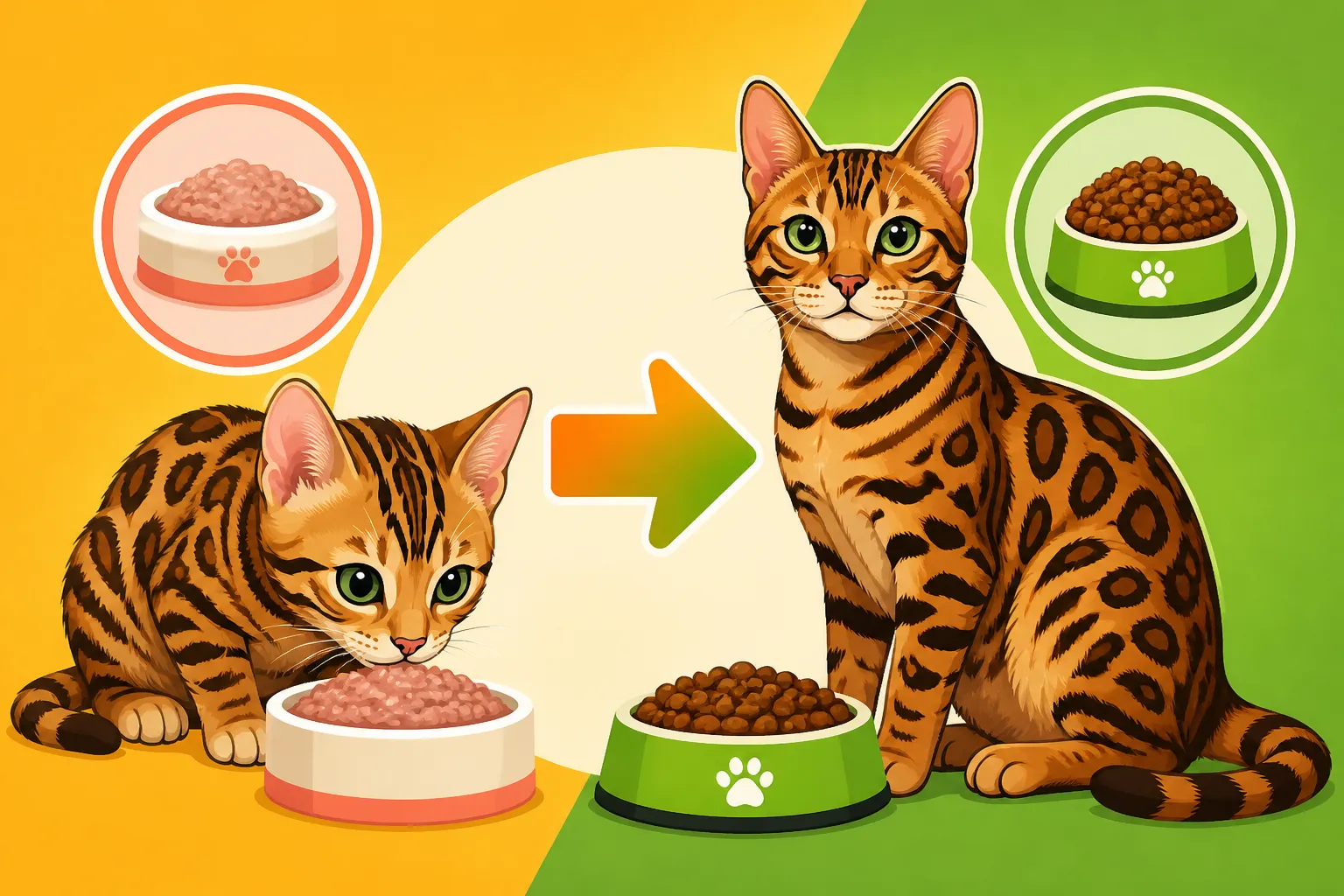
That moment your energetic Bengal kitten, once a tiny bundle of spots and mischief, starts looking less like a baby and more like a sleek, muscular mini-leopard, often sparks a common question: when and how do I move them onto adult food? It's a critical step, and doing it right can prevent digestive upset, maintain their robust health, and ensure they continue thriving through their active adult years. This guide will walk you through the process, helping you navigate the transition smoothly and confidently.
Why the Right Food Transition Matters for Your Bengal Cat
Transitioning your Bengal cat from kitten food to adult food isn't just about changing the bag you buy; it's about matching their evolving nutritional needs. Kitten food is a powerhouse of calories, protein, and fat, designed to fuel rapid growth, develop strong bones, and support their incredibly high energy levels. As your Bengal matures, their growth rate slows, and while they remain incredibly active, the specific demands on their body shift. Continuing to feed a mature Bengal kitten food can lead to weight gain, which is detrimental to their overall health and joint longevity, especially for such an athletic breed.
Think about it this way: a growing child needs different fuel than a teenager or an adult. The same applies to your Bengal. Their bones are largely developed, their muscles are filling out, and their metabolic rate, while still high, isn't quite the furnace it was during those frantic kitten months. Ensuring they get the right balance of nutrients helps maintain their lean physique, supports their intense activity, and keeps their coat gleaming. It also sets the stage for a lifetime of good eating habits, which can be particularly important for a breed known for its sensitive digestive system.
Understanding the Nutritional Shift from Kitten to Adult Food
Kitten food is formulated to provide an abundance of calories, fats, and proteins for rapid development. This high-octane fuel supports everything from brain development to bone density, crucial during the first year of life. You'll often see higher percentages of protein and fat, along with specific vitamins and minerals geared towards growth spurts.
Adult cat food, on the other hand, is designed for maintenance. It still contains high-quality protein, which is essential for a muscular breed like the Bengal, but generally has a slightly lower calorie and fat content. The idea is to provide enough energy for their daily activities without promoting excessive weight gain. For a Bengal, this means finding an adult food that respects their continued need for a protein-rich diet, as they aren't your average sedentary house cat. Why a Bengal Cat Kitten Stays on Kitten Food Longer is a good read if you're curious about the extended kitten phase some Bengals seem to have.
When to Make the Switch to Adult Bengal Cat Food
Deciding the exact moment to transition can feel a bit like guesswork, but there are clear guidelines and signs to watch for. Most Bengal cats are ready to start transitioning to adult food around 10 to 12 months of age, though some larger or particularly active individuals might benefit from staying on kitten food a little longer, perhaps up to 14 or 15 months. The key is to observe your individual cat, rather than just sticking to a calendar date.
Your veterinarian is your best resource here. During your Bengal's annual check-up around their first birthday, discuss their growth, weight, and activity levels. They can help you determine if your cat is truly ready for the change or if a bit more time on kitten food is advisable. They'll assess their body condition score, which is a more accurate measure than just weight alone, especially for a breed as muscular as the Bengal.
Signs Your Bengal Kitten is Ready for Adult Food
Look for these indicators that your Bengal is ready to graduate from kitten chow:
- Slowing Growth: While they'll still be filling out, the dramatic growth spurts of kittenhood will have subsided. They should appear mostly "done" growing taller or longer.
- Stable Weight: Their weight should be relatively stable, no longer rapidly increasing week after week. They should be maintaining a healthy, lean body condition. What a Bengal Cat Weighs Before It Fills Out can give you an idea of typical growth patterns.
- Increased Muscle Definition: As they mature, their incredible musculature becomes more apparent. They might look less "lanky" and more "athletic." This is a good time to ensure their diet supports this lean muscle mass without adding unnecessary fat.
- Changes in Appetite: While still enthusiastic eaters, the sheer, boundless hunger of a rapidly growing kitten might start to temper slightly. They might not be quite as ravenous.
If you notice your Bengal is starting to put on a bit of extra padding while still on kitten food, that's a strong sign it's time to consider the switch. Overfeeding calorie-dense kitten food to a cat past its peak growth phase is a common cause of early weight issues.
The Gradual Process: How to Transition Your Bengal Cat's Food
One of the biggest mistakes you can make is changing your Bengal cat's food abruptly. Their digestive systems, like ours, are sensitive, and a sudden switch can lead to upset stomachs, vomiting, or diarrhea. This is especially true for Bengals, who can be prone to sensitive guts anyway. The golden rule is slow and steady. Aim for a transition period of at least 7 to 10 days, though some Bengals might need even longer.
The goal is to gradually introduce the new adult food while phasing out the old kitten food. This allows their digestive enzymes and gut flora to adapt to the new ingredients and nutritional profile without being overwhelmed. It also gives you time to observe for any adverse reactions, such as changes in stool consistency, appetite, or energy levels.
A Step-by-Step Transition Plan
Here's a typical schedule for gradually transitioning your Bengal's food. Remember, you can extend each stage if your cat seems particularly sensitive.
| Day Range | Old Kitten Food | New Adult Food | Observation Notes |
|---|---|---|---|
| Days 1-3 | 75% | 25% | Monitor appetite, energy, and especially stool consistency. Still eating well? |
| Days 4-6 | 50% | 50% | Check for any signs of digestive upset. Stools should remain firm. |
| Days 7-9 | 25% | 75% | Almost there! Ensure they are happily eating the majority new food. |
| Day 10+ | 0% | 100% | Full transition. Continue to monitor for a few more days to be safe. |
During this process, always have plenty of fresh water available. If your Bengal shows any signs of discomfort (vomiting, persistent diarrhea, refusal to eat), slow down the transition or revert to a higher percentage of the old food, and consult your vet if symptoms persist. Sometimes, picky eaters might need extra encouragement; try warming wet food slightly to enhance its aroma. Sites like Chewy offer a vast selection, so you might explore different brands or formulas if your cat is exceptionally finicky.
Choosing the Best Adult Food for Your Active Bengal
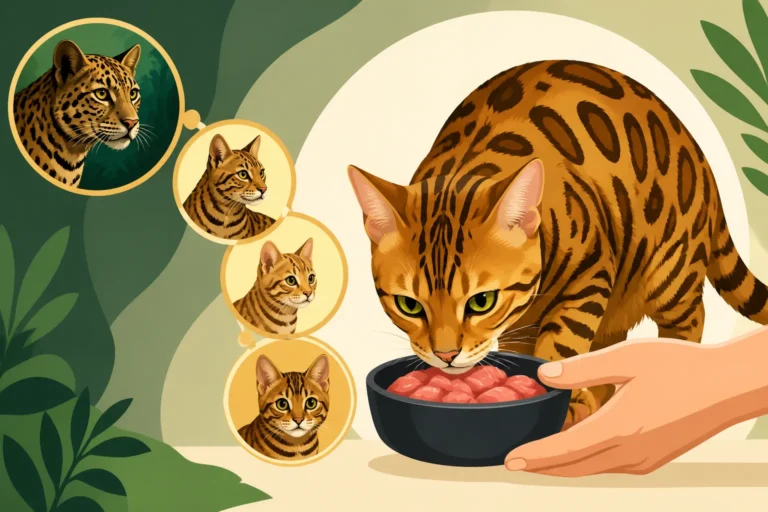
When it comes to adult food, not all formulas are created equal, especially for a breed with the unique characteristics of a Bengal. Their wild ancestry and high activity levels mean they thrive on a diet that mirrors what they would naturally consume: high in animal protein, moderate in fat, and low in carbohydrates.
Steering clear of excessive fillers, artificial ingredients, and by-products is always a good idea. Focus on nutrient-dense options that support their lean muscle mass and provide sustained energy. This is a cat that literally spends its day running on a cat wheel or scaling the highest shelves! How Much a Bengal Cat Eats to Fuel That Activity emphasizes just how much fuel they need.
Key Nutritional Considerations for Adult Bengal Cats
- High Animal Protein: This is non-negotiable for a Bengal. Look for foods where meat (chicken, turkey, fish, beef) is the first few ingredients. Proteins are the building blocks for their impressive musculature. Aim for a high percentage, as discussed in Which Protein Percentage Suits a Bengal Cat.
- Moderate Fat: While good fats are essential for skin, coat, and energy, adult food should have a balanced fat content, lower than kitten food, to prevent unnecessary weight gain.
- Low Carbohydrates: Cats are obligate carnivores, meaning their bodies are designed to process meat. High carbohydrate fillers like corn, wheat, or soy offer little nutritional value to a Bengal and can contribute to digestive issues or obesity.
- Moisture Content: Wet food is generally preferred for cats as it helps with hydration and can be easier on their kidneys over time. Many Bengal owners find a combination of high-quality wet food and a small amount of kibble works well. Why Wet Food Suits a Bengal Cat's Gut delves deeper into this.
- Limited Ingredients (if sensitive): If your Bengal has a history of a sensitive stomach, a limited ingredient diet (LID) might be a good starting point. This reduces the number of potential allergens or irritants.
Remember to read ingredient labels carefully. Marketing claims can be misleading, so focus on the actual list of ingredients and the guaranteed analysis (protein, fat, fiber percentages).
Troubleshooting Common Transition Issues
Even with the best intentions and a gradual approach, your Bengal might throw you a curveball during the transition. It's not uncommon for cats to be particular about their food, and Bengals, with their clever minds, can certainly have strong opinions! Don't get discouraged; persistence and patience are key.
The most frequent issues owners face are refusal to eat the new food and digestive upset. Addressing these quickly can prevent bigger problems down the line, such as nutrient deficiencies or prolonged discomfort.
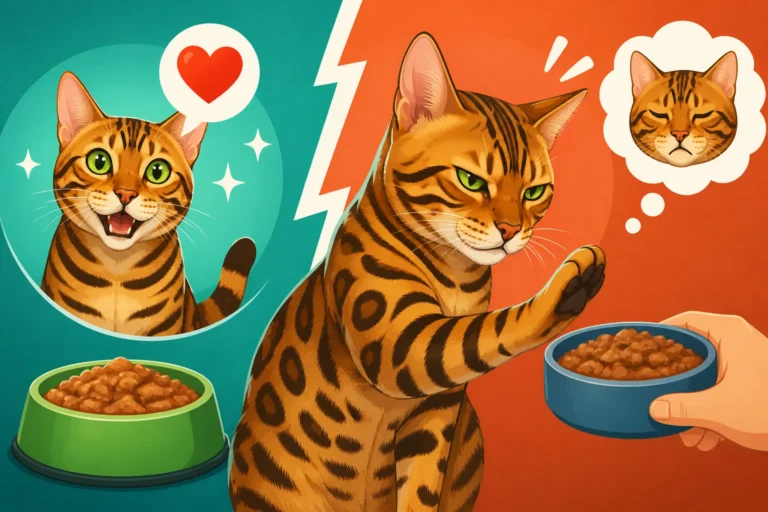
What If Your Bengal Refuses the New Food?
Some Bengals are notoriously picky. If your cat turns up their nose at the new mixture, here are a few strategies:
- Slow Down Further: If you're mixing 75/25 and they're boycotting, go back to 90/10 for a few more days. Sometimes even a tiny change is too much too soon.
- Enhance Appeal: For wet food, try warming it slightly in the microwave (ensure no hot spots!) to release aromas. You can also mix in a tiny amount of a highly palatable treat or a probiotic supplement to entice them.
- Try Different Flavors/Textures: If they're rejecting one type of adult food, it might be the flavor or texture rather than the fact that it's "adult." Many brands offer various protein sources (chicken, salmon, duck) and textures (pâté, shredded, gravy). Finding their preference might take some trial and error. You can even check out reviews on sites like Amazon for ideas of what other Bengal owners recommend.
- Consistency is Key: Don't give in and immediately switch back to 100% kitten food if they fuss for one meal. Offer the mixed food, and if they don't eat it within 20-30 minutes, remove it and offer it again at the next mealtime. Cats won't starve themselves, but be mindful not to let them go without eating for more than 24 hours, especially if they have underlying health conditions.
- Rule Out Medical Issues: If refusal is sudden and absolute, and accompanied by other symptoms like lethargy, hiding, or changes in litter box habits, a vet visit is in order. It might not be the food but an underlying health problem.
Dealing with Digestive Upset During Transition
Loose stools or mild diarrhea can happen during a food transition. This usually indicates their digestive system is struggling to adjust.
- Revert and Reschedule: If you notice digestive upset, immediately go back to the previous successful ratio or even 100% old food until their stools normalize. Then, restart the transition even more slowly, perhaps taking 14-21 days instead of 7-10.
- Probiotics: Discuss with your vet about adding a feline-specific probiotic supplement during the transition. Probiotics can help support healthy gut flora and ease the adjustment to new food ingredients.
- Small, Frequent Meals: Instead of two large meals, try feeding smaller portions three or four times a day. This can be easier on their digestive system.
- Hydration: Ensure your Bengal is drinking plenty of water. If they are experiencing diarrhea, dehydration can become a concern. A water fountain can encourage more drinking.
- Vet Consultation: If diarrhea is severe, prolonged (more than 48 hours), or accompanied by vomiting, lethargy, or blood in the stool, contact your veterinarian immediately. It could be more than just a food transition issue. Why a Bengal Cat's Gut Is So Sensitive explains some of the breed's common digestive quirks.
Remember, transitioning your Bengal cat to adult food is a normal part of their development. With a patient, gradual approach and careful observation, you can ensure they continue to receive the optimal nutrition needed to support their vibrant, active life for many years to come. Ultimately, a healthy, happy adult Bengal that maintains their sleek, muscular physique, as discussed in What a Muscular Bengal Cat Should Weigh, is the goal.
Disclaimer
This article is for general informational purposes only and does not constitute professional advice. Laws, prices and regulations vary by location and change over time. Consult a qualified professional for guidance on your specific situation.