How Much Water a Bengal Cat Drinks a Day
One of the biggest worries for Bengal cat parents, especially those new to the breed, is making sure these energetic felines stay properly hydrated. You see them zooming around, playing hard, and being generally adventurous, and it's easy to wonder if they're actually drinking enough water to fuel all that activity. This guide is here to help you understand your Bengal's unique water needs and give you practical, realistic strategies to ensure they drink plenty, keeping them healthy and happy for years to come.
Understanding Your Bengal Cat's Unique Hydration Needs
Bengal cats aren't your average couch potatoes; they're bundles of muscle and energy, and that high octane lifestyle comes with specific physiological requirements. Just like a human athlete needs more water than someone lounging on the sofa all day, your Bengal cat's active nature means their body processes and expends fluids differently. It's not just about quenching thirst; it's about supporting every single system in their incredibly efficient bodies.
The Active Lifestyle and Water Loss
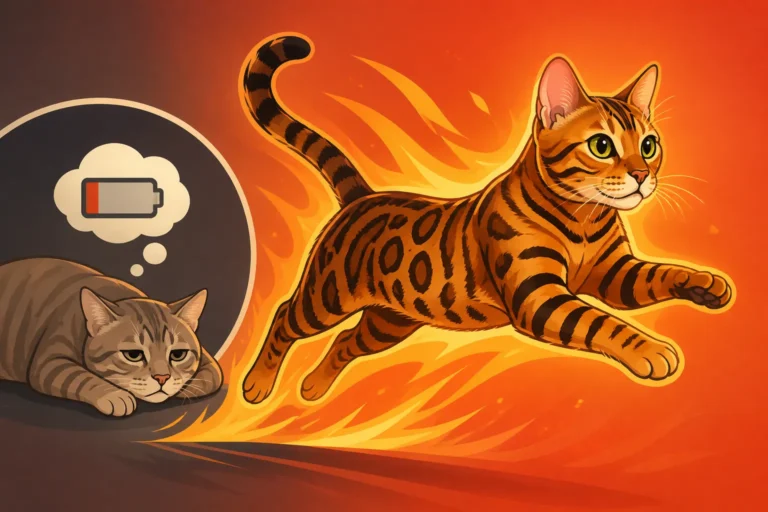
Let's face it, owning a Bengal cat is like having a tiny, spotted tornado in your home. They climb, they jump, they chase, and they explore with an intensity that can be quite astonishing. All that constant movement, whether it's scaling the tallest cat tree or engaging in an intense game of fetch, burns calories and, crucially, leads to fluid loss. Their metabolism is often running higher, and their body is constantly working to regulate temperature and keep all systems functioning smoothly. This continuous expenditure means their need for consistent hydration is often greater than that of a more sedentary domestic cat breed.
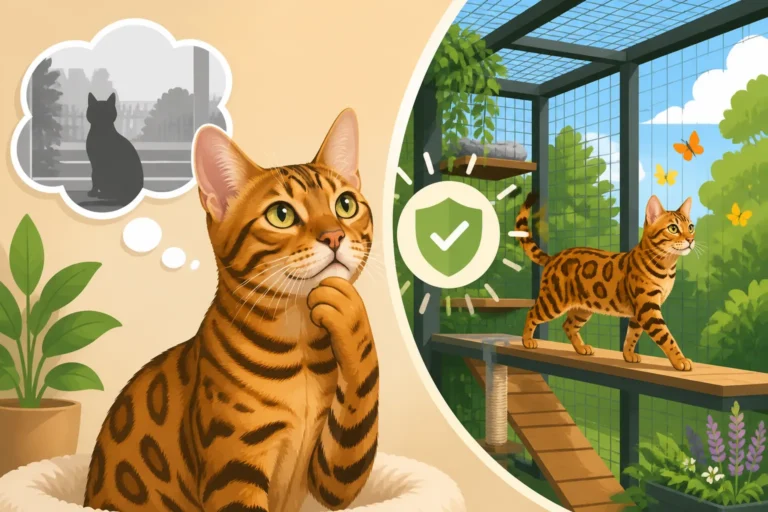
Think about a warm day after your Bengal has spent an hour tearing around a What a Catio for a Bengal Cat Costs – they might not be visibly panting like a dog, but their internal systems are definitely working harder. Water is vital for everything from lubricating their joints, which take a beating during all that acrobatic play, to ensuring their muscles can contract efficiently. Without adequate water, their active lifestyle could actually put a strain on their bodies over time, leading to fatigue and potentially more serious health issues down the line. It's not just a nice-to-have; it's fundamental to their daily performance and overall well-being.
Their wild ancestry, tracing back to the Asian Leopard Cat, might also play a subtle role here. While many generations removed, some instincts and physiological leanings can persist. In the wild, animals often get a significant portion of their hydration from their prey. While our modern Bengals rely on us for their meals, their bodies still benefit greatly from a high-moisture diet, mirroring that ancestral intake. This isn't to say they're wild animals, far from it, but understanding that genetic blueprint helps us appreciate why their needs might differ slightly from a standard domestic shorthair, particularly when it comes to diet and water.
Factors Influencing Water Intake
It's not a one-size-fits-all situation when it comes to how much your Bengal cat needs to drink. Several factors can significantly influence their daily water intake, and recognizing these can help you better assess if your individual cat is getting enough. What works for one Bengal might not be quite right for another, even in the same household. It's all about paying attention to the nuances of their environment and their unique habits.
First and foremost, diet plays a colossal role. Cats eating exclusively dry kibble will naturally need to drink far more water from their bowl or fountain than those on a primarily wet food diet. Wet food, as the name suggests, is packed with moisture, often containing 70-80% water. If your Bengal is eating wet food for most of their meals, they're already getting a significant portion of their daily hydration passively. On the other hand, dry kibble contains very little moisture, usually around 10%, meaning your cat has to make up almost all of their water needs through drinking. This is a crucial distinction that many owners overlook.
Environmental factors like ambient temperature and humidity also matter. On a hot summer day, your Bengal might seek out water more frequently, or conversely, might be less active and therefore appear to drink less. Low humidity, especially in heated homes during winter, can subtly increase fluid loss through respiration, prompting a greater need for water. Age is another consideration; growing kittens might have slightly different needs than a healthy adult Bengal, and certainly, senior Bengals need particular attention paid to their hydration, especially as their bodies start to change and their activity levels may decrease. What Changes in a Bengal Cat After Ten often includes a closer watch on their water intake. Finally, health status can dramatically alter water needs – a cat with kidney issues, diabetes, or even a simple stomach upset like Chronic Diarrhea Is the Bengal Cat Complaint Nobody Warns About will have very different hydration requirements, often needing much more, or even specific interventions from your vet.
Quantifying "Enough" Water for a Bengal Cat
So, how much water is "enough" for your sleek, energetic Bengal? It's the million-dollar question, and while there's a general guideline, it's vital to remember that every cat is an individual. Understanding the baseline, however, gives you a fantastic starting point for monitoring your own feline friend's intake and ensuring they're hitting their hydration goals. It's about being informed, not just guessing.
The General Guideline for Cats
For most cats, the general veterinary guideline suggests they should consume approximately 20-40 milliliters of water per kilogram of body weight per day. Now, that might sound a bit like a science experiment, but let's break it down into something more digestible for your Bengal. A healthy adult Bengal cat typically weighs anywhere from 8 to 15 pounds, which translates to roughly 3.6 to 6.8 kilograms. What a Bengal Cat Weighs can give you a better idea of what's normal for their build.
So, if your Bengal weighs, say, 5 kg (about 11 pounds), they should ideally be taking in somewhere between 100 ml (a little less than half a cup) and 200 ml (just under a full cup) of water daily. This includes the moisture they get from their food. Keep in mind, this is a guideline. An extremely active Bengal, one that's constantly zooming on their cat wheel or exploring every corner of their catio, might naturally gravitate towards the higher end of that spectrum. Conversely, a cat on a very high-moisture diet might seem to drink less from their bowl but is still adequately hydrated. It's all about the total intake, not just what you see them lap up.
It's also worth noting that this guideline assumes a healthy cat in a comfortable environment. If your Bengal has been playing extra hard in warmer weather, or if you notice any changes in their energy levels, you might want to encourage them to drink a little more. Always consider your cat's specific activity level and health when evaluating their water intake against these general numbers. This guideline is a compass, not a rigid rule.
The Impact of Diet on Daily Water Intake
The single biggest determinant of how much water your Bengal needs to drink from a bowl or fountain is their diet. It's a game-changer, and understanding this can alleviate a lot of anxiety for owners who rarely see their wet-food-fed cat at the water bowl. Conversely, it highlights a critical challenge for those who feed primarily dry kibble.
| Diet Type | Typical Moisture Content | Water Needed from Bowl/Fountain (approx.) | Hydration Management Strategy |
|---|---|---|---|
| Dry Food | 5-10% | High (e.g., 150-250 ml for 10lb cat) | Multiple water sources, fountains, add water to food if possible |
| Wet Food | 70-80% | Low (e.g., 20-50 ml for 10lb cat) | Ensure fresh water is always available, less active drinking expected |
| Mixed Diet | Varies | Moderate | Observe drinking habits, supplement with wet food or water in meals |
Dry Food: If your Bengal cat's diet consists mainly of dry kibble, they are going to need to drink a substantial amount of water to compensate for the lack of moisture in their food. Cats, by nature, are not huge drinkers, as they evolved to get most of their water from their prey. Kibble goes against this biological norm, putting the onus on them to actively seek out and consume a lot of water. This can be a real struggle for many cats, leading to chronic low-level dehydration that can stress their kidneys and urinary tract over time. You might find yourself constantly refilling bowls, but even then, it's hard to guarantee they're getting enough. This is why many vets strongly advocate for minimizing dry food, especially for breeds as active as Bengals, and for general feline health, to help prevent potential Bladder Problems in a Bengal Cat down the line.
Wet Food: This is where things get much easier for both you and your Bengal. When your cat eats wet food, whether it's paté, chunks in gravy, or a fresh-cooked option, they're taking in a significant amount of their daily water requirement with every meal. A typical can of wet cat food can contain upwards of 70-80% moisture. This means that a cat eating two cans of wet food a day might be getting 100-150 ml of water just from their meals. Suddenly, that 200 ml daily target feels a lot more achievable, and you might notice them drinking far less from their water bowl. This is a good thing! It means their body isn't relying solely on their thirst drive, which can be notoriously weak in felines, to stay hydrated. This is also one of the primary reasons why Why Wet Food Suits a Bengal Cat's Gut is such a common piece of advice among breeders and vets alike.
Strategies to Encourage Your Bengal Cat to Drink More
Even with a perfect wet food diet, or especially if you do feed some dry kibble, encouraging your Bengal cat to drink more water is a proactive step toward their long-term health. These intelligent, often finicky felines respond best to methods that cater to their natural instincts and preferences. It's about making hydration an appealing and easy part of their day, rather than a chore.
The Allure of Fresh, Running Water
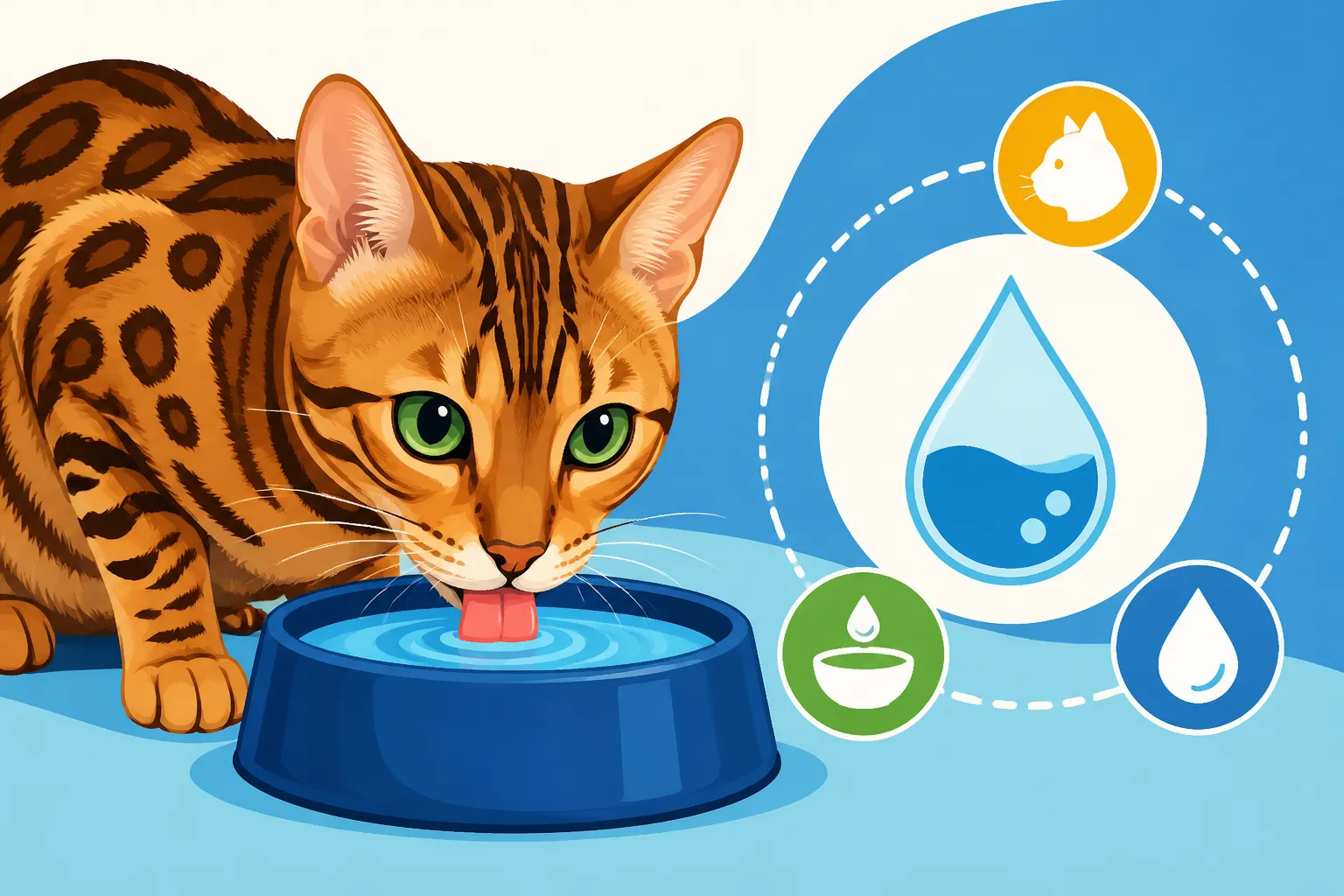
One of the most effective ways to entice a Bengal cat to drink more is to offer them fresh, running water. There's a deep-seated instinct in cats that tells them moving water is safer and fresher than still water, which in the wild could be stagnant and contaminated. Think about it: a stream is generally healthier than a puddle. This innate preference makes water fountains an absolute game-changer for many cat owners.
Water fountains continuously filter and circulate water, keeping it aerated and cool. This not only makes the water more palatable but also prevents it from getting stale or developing a film as quickly as water in a static bowl. You can find a huge variety of fountains on sites like Amazon or Chewy, ranging from ceramic to stainless steel to plastic. Ceramic and stainless steel are often preferred by owners because they're easier to clean and don't scratch as easily, which can harbor bacteria. When choosing a fountain, consider its capacity, how noisy it is, and how simple it is to disassemble and clean – because you'll be doing that regularly!
Placement is also key. Don't put the water fountain right next to their food bowl or, even worse, their litter box. Cats naturally prefer to drink away from where they eat or eliminate. Consider placing fountains in a high-traffic area where your Bengal naturally spends time, like a living room or even near a sunny window. Some Bengals might even be encouraged by a fountain that has multiple streams or allows them to lap directly from the basin, mimicking a tiny pond. If you're wondering Whether a Bengal Cat Needs a Water Fountain, the answer for many is a resounding yes!
Creative Approaches to Hydration
Beyond the beloved water fountain, there are several creative, simple strategies you can employ to boost your Bengal's water intake throughout the day. These methods leverage their playful nature and sometimes their mischievous curiosity, making hydration less of a necessity and more of an engaging activity.
One simple trick is to have multiple water bowls placed strategically around your home. Don't just stick to one in the kitchen. Place bowls in their favorite napping spots, near their cat tree, or in different rooms they frequent. The more opportunities they have to stumble upon a fresh water source, the more likely they are to take a few sips. These don't all have to be fancy fountains; simple ceramic or glass bowls work well, just make sure they're wide enough so their whiskers don't touch the sides, which many cats dislike.
Another fantastic method, especially if your Bengal enjoys wet food, is to add extra water to their meals. Turn their paté into a “soup” or add a tablespoon or two of warm water to their shredded meat. Some cats absolutely love this and will happily lap up the extra liquid along with their food. You can also offer ice cubes as a treat, particularly during warmer months. Many Bengals, with their love for water, will bat at the ice, chase it, and then often drink the melted water. You could even try offering low-sodium chicken or beef broth (ensure it's cat-safe and has no onion or garlic) as an occasional hydration treat. Fresh, human-grade cat foods can inherently have higher moisture content, and you can easily add a little extra water to their servings. Don't forget that Why a Bengal Cat Loves Water is a significant advantage here – they might even enjoy a game with water, whether it's batting at a dripping faucet or playing with a specific water toy. Just ensure they're not creating a flood!
Recognizing Dehydration and When to Worry
Even with all your best efforts, it's crucial to be able to recognize the signs of dehydration in your Bengal cat. Since cats are masters at hiding discomfort and illness, you need to be vigilant. Catching dehydration early can prevent more serious health complications and ensure your energetic companion remains in peak condition. Knowing when to simply encourage more drinking versus when to call the vet is key.
The simplest way to check for dehydration is the "skin tent" test. Gently grasp a loose fold of skin over your Bengal's shoulders. When you release it, it should snap back into place immediately. If it slowly recedes or "tents" for a moment, it's a sign of dehydration. Another indicator is their gums: healthy cat gums should be moist and pink. If they feel tacky or dry, or appear pale, it's a red flag. Sunken eyes, lethargy, reduced appetite, and a decrease in urination are also serious signs. A dehydrated cat might also appear less groomed or have a duller coat, as their body prioritizes vital functions over non-essential ones.
If you observe any of these signs, especially a combination of them, it's time to contact your veterinarian immediately. Severe dehydration can quickly become a life-threatening emergency, particularly for an active breed that burns through fluids. Your vet can assess the severity, often with simple tests like bloodwork to check kidney function and electrolyte levels, and administer subcutaneous fluids or intravenous fluids if necessary. It’s always better to err on the side of caution when it comes to your Bengal’s hydration, as it underpins so much of their overall health and vitality, from their playful spirit to their long-term well-being. Regular vet check-ups are also crucial for catching subtle changes before they become major problems, especially as your cat enters their senior years and you begin Caring for a Bengal Cat Past Ten.
Long-Term Hydration for Lifelong Health
Thinking about your Bengal cat's water intake isn't just a day-to-day concern; it's a foundational pillar for their entire lifespan. The habits you establish now around hydration will profoundly impact their health, comfort, and longevity. It's an investment in their future, ensuring that their vibrant energy and unique personality shine brightly for The Twelve to Sixteen Years a Bengal Cat Gets and beyond.
Preventing Urinary and Kidney Issues
One of the most significant long-term benefits of ensuring your Bengal cat is consistently well-hydrated is the prevention of common and often painful urinary and kidney problems. Cats are notoriously prone to issues like urinary tract infections (UTIs), bladder stones (crystals), and chronic kidney disease (CKD). A consistent and ample intake of water helps to flush out the urinary tract, preventing the build-up of concentrated urine that can lead to these conditions. When urine is dilute, it's harder for crystals to form and for bacteria to multiply.
This is particularly important for an active breed like the Bengal, whose systems are constantly working hard. The kidneys play a vital role in filtering waste from the blood and maintaining fluid balance. Over time, chronic low-level dehydration can put an undue strain on these critical organs, potentially accelerating the onset or progression of kidney disease. By ensuring your Bengal drinks plenty, you are actively supporting healthy kidney function, allowing these organs to do their job efficiently and with less stress. It's a simple, yet incredibly powerful preventative measure that can save your cat from discomfort and potentially expensive veterinary treatments down the line. If your vet ever suggests When a Bengal Cat Needs a Special Diet for Its Gut, often it's intertwined with ensuring better hydration and kidney support.
The Role of a Quality Diet
We've touched on this before, but it bears repeating: the quality and moisture content of your Bengal cat's diet are intrinsically linked to their overall hydration status. While all the water fountains and extra bowls in the world are helpful, feeding a species-appropriate, high-moisture diet remains the single most impactful step you can take to ensure your Bengal is getting enough water naturally.
A diet rich in high-quality wet food significantly contributes to their daily fluid intake, reducing the burden on their natural thirst drive. This aligns with their evolutionary biology, as felines are designed to get most of their water from their prey. When selecting food, look for options that prioritize animal protein and have a high moisture percentage. This also ties into The High Protein Argument for a Bengal Cat, as active Bengals need excellent protein sources to maintain their impressive musculature and energy levels, and these high-quality protein sources are often found in wet food formats. Brands available on platforms like Chewy offer a wide selection of premium wet foods suitable for Bengals.
Even if you opt for a mixed diet that includes some dry kibble, prioritize feeding a high-quality wet food for at least one or two meals a day, and always ensure fresh water is readily available. Don't forget that How Many Calories a Cat as Active as a Bengal Burns means they need nutrient-dense food, and wet food often provides superior nutrition along with hydration. Making informed dietary choices is perhaps the most fundamental way to support your Bengal cat's hydration and, by extension, their energetic lifestyle and long-term health.
Disclaimer
This article is for general informational purposes only and does not constitute professional advice. Laws, prices and regulations vary by location and change over time. Consult a qualified professional for guidance on your specific situation.