How a Bengal Cat Copes With Cold
One common concern among new Bengal cat owners is how their sleek, athletic felines handle colder temperatures. You look at their short, seemingly thin coats and wonder if they're perpetually shivering or constantly seeking warmth. This guide dives deep into a Bengal cat's natural adaptations for cooler weather, how to recognize if they're feeling the chill, and practical ways you can ensure your beloved companion stays cozy and comfortable, no matter how low the mercury drops.
The Bengal Cat's Natural Cold Adaptations
Despite their wild appearance and ancestry tracing back to the Asian Leopard Cat, Bengal cats are not typically built for extreme cold in the same way, say, a Maine Coon or Siberian cat might be. However, they do have a few tricks up their sleeve that help them navigate cooler environments. It’s a delicate balance of their unique physical traits and their naturally energetic demeanor.
The Unique Bengal Coat
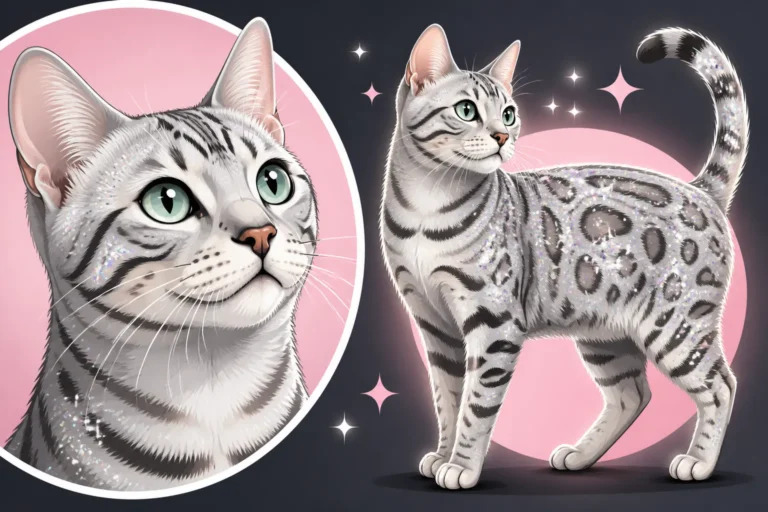
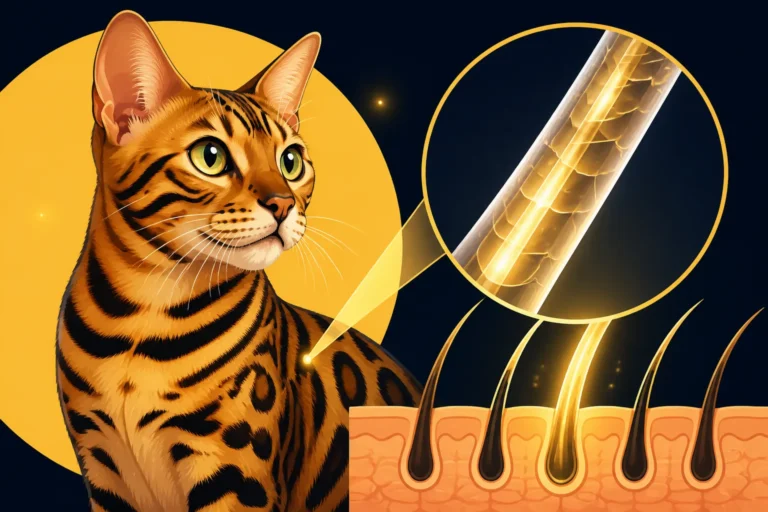
Unlike many domestic longhaired breeds, a Bengal cat's coat is often described as feeling more like a "pelt" than fur. This isn't just an aesthetic description; it points to a distinct characteristic: a lack of a dense undercoat. Most cats have two layers: a soft, insulating undercoat and coarser guard hairs. Bengals, however, tend to have a much reduced or almost absent undercoat, which means less natural insulation against the cold. This is one reason why many find Why a Bengal Cat's Coat Has Almost No Undercoat to be an interesting read.
While their short, dense coat offers some protection from elements like rain, it's not designed to trap a thick layer of warm air close to their skin in frigid temperatures. This is why you might notice your Bengal feeling cooler to the touch than a fluffier cat. They simply don't have the same built-in thermal layering. This doesn't mean they're defenseless, but it does mean they rely more on other factors.
Metabolic Furnace and High Activity Levels
One of the Bengal cat's greatest assets against the cold is their incredibly high metabolism and activity level. These cats are bundles of energy, constantly on the move, playing, climbing, and exploring. All that activity generates a significant amount of body heat. Think of it like a human constantly exercising; you generate warmth even in cool temperatures. This inherent drive to be active means their internal furnace is almost always running.
Their lean, muscular build, which often makes people ask What a Healthy Bengal Cat Weighs, is a testament to this high energy output. They're not prone to carrying excess fat that would act as insulation. Instead, their muscles are constantly at work, keeping them warm from the inside out. This is a crucial distinction from more sedentary breeds who might curl up and conserve heat. A Bengal's response to cold is often to move more, to engage their metabolism further.
Ancestral Traits and Climate
It's helpful to remember that the Asian Leopard Cat, the wild ancestor of the Bengal, hails from various regions across Asia, some of which do experience significant seasonal temperature drops. While not Arctic creatures, they adapted to environments where temperatures can fall. These wild cats also use dens and natural shelters to stay warm, a behavior that translates somewhat to our Bengals seeking out cozy, enclosed spaces when they feel a chill.
However, modern Bengal cats, generations removed from their wild ancestors, have become thoroughly domesticated. Their resilience to cold is more akin to that of a typical domestic shorthair than a true wild feline. While the genetic blueprint carries some echoes of adaptability, don't expect your Bengal to comfortably withstand sub-zero temperatures just because a distant relative might have. They've been selectively bred for appearance and temperament within a domestic setting for decades, and this has inevitably shifted their baseline cold tolerance.
Signs Your Bengal Cat Is Feeling the Chill
It’s easy to project our own feelings about the cold onto our pets, but cats often show signs of discomfort in subtle ways. Understanding these cues is essential, especially for a breed like the Bengal, whose physical appearance might initially mislead you about their cold tolerance. Ignoring these signs can lead to discomfort and, in extreme cases, health issues.
Behavioral Clues
One of the first things you'll notice if your Bengal is getting cold is a change in their behavior. They might start to huddle in a tighter ball, tucking their paws and tail close to their body to minimize heat loss. You might find them seeking out warm spots in the house – right in front of a sunny window, snuggled under a blanket you left on the sofa, or even trying to get into bed with you more often than usual. They become champion blanket burrowers.
They might also become less active, which is a significant indicator for such an energetic breed. If your usually boisterous Bengal is spending more time curled up and less time playing with their favorite wand toy, it could be a sign they're trying to conserve energy and warmth. You might also notice them trying to sit on your lap or shoulder more, seeking your body heat. When a Bengal is feeling chilly, their usually independent nature can shift toward seeking more direct contact and warmth from their human companions.
Physical Indicators
Beyond behavior, there are physical signs that your Bengal is too cold. The most obvious is shivering or trembling, just like humans do. If you notice a persistent shiver, it’s a clear signal that they’re struggling to maintain their body temperature. You can also check their extremities: their paw pads, ears, and the tip of their tail. If these feel noticeably cold to the touch, it indicates that their body is constricting blood flow to those areas to prioritize warmth for vital organs.
Another, more subtle sign can be a slight dulling of their usual alert and bright-eyed demeanor, or a slight slowing of their movements. If they’re reluctant to get up or seem a bit stiff, especially if they are an older cat, this could be due to the cold making their muscles and joints stiff. For insights into how an older Bengal changes, you might find What Changes in a Bengal Cat After Ten helpful. Their fur might also appear slightly ruffled or "puffed up" as they try to trap more air for insulation, despite their typically sleek coat.
The Dangers of Hypothermia
While rare in indoor-only Bengals, it's crucial to understand that prolonged exposure to cold can lead to hypothermia, a dangerously low body temperature. This is more likely to occur if a cat is trapped outdoors in freezing weather or exposed to very cold, damp conditions for an extended period. Symptoms of mild hypothermia include shivering, lethargy, and cold extremities. As it progresses, symptoms become more severe: muscle stiffness, shallow breathing, dilated pupils, and eventually, unresponsiveness.
| Sign of Cold Discomfort | Mild Cold (Seek Warmth) | Moderate Cold (Conserve Heat) | Severe Cold (Hypothermia Risk) |
|---|---|---|---|
| Behavior | Seeking sunbeams, increased lap sitting | Huddling, reduced activity, burrowing | Extreme lethargy, disorientation |
| Physical | Slightly cool ears/paws | Shivering, cold extremities | Stiff muscles, shallow breathing |
| Vocalization | Might "ask" for attention/warmth | Quieter than usual, less demanding | Non-responsive, unresponsive to calls |
| Posture | Normal, but seeking warm spots | Tightly curled ball, tucked limbs | Hunched, stumbling, uncoordinated |
If you ever suspect your Bengal is experiencing moderate to severe hypothermia, immediate veterinary attention is vital. While we want our Bengals to be comfortable, being aware of the severe risks helps us ensure they are never put in such a dangerous situation.
Keeping Your Bengal Cat Warm and Cozy
Ensuring your Bengal cat stays warm is a fairly straightforward task for most owners, especially since they typically live indoors. However, given their specific coat type and high energy, a little intentional planning goes a long way in making sure they're truly comfortable when the temperatures drop.
Indoor Environment Control
The most fundamental step is to maintain a comfortable ambient temperature inside your home. Most Bengals are happiest in a range that's comfortable for humans, usually between 68-75°F (20-24°C). If you’re someone who likes to keep your thermostat lower, especially overnight, you might notice your Bengal seeking out warmer spots more actively. Be mindful of drafts from windows and doors. Even a slight draft can make a significant difference to a cat with a less insulating coat.
You can use draft stoppers or ensure windows and doors are properly sealed. Consider placing their favorite sleeping areas away from drafty spots. If your home has hard floors, an area rug or a soft mat can provide a warmer surface than cold tile or wood. A warm home environment is the first line of defense against the chill, and it’s something we often take for granted.
Cozy Sleeping Spots
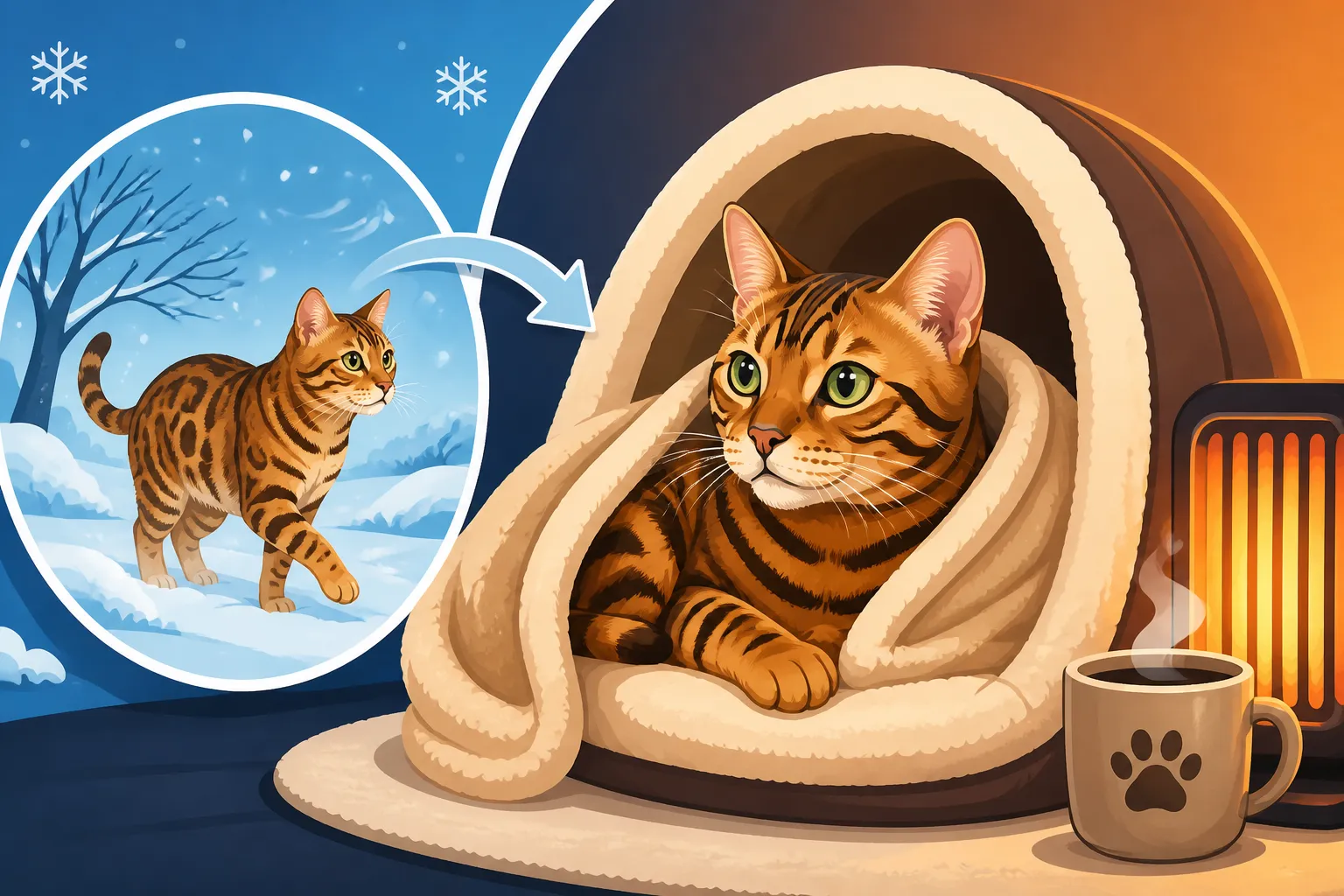
Every cat loves a good snooze spot, but for a Bengal, a warm, inviting bed becomes even more critical in colder weather. Provide a variety of options. Enclosed cat beds, igloo-style dens, or beds with high sides offer a sense of security and help trap body heat. Soft, fleecy blankets or thermal mats can be added to their favorite napping spots, whether that's a cat tree, a window perch, or the sofa. You can find excellent options for these on sites like Chewy or Amazon.
Heated cat beds are another fantastic invention for Bengals who truly feel the cold, or for older cats who might have trouble regulating their body temperature. These beds use low-wattage heating elements to provide a gentle, constant warmth, mimicking the feeling of snuggling up to another warm body. Always ensure any heated bed is specifically designed for pets and has safety features to prevent overheating. Providing multiple cozy spots means your Bengal has choices and can move to the warmest location as the day's temperatures shift. You might find yourself searching for When a Bengal Cat Needs a Warm Bed around colder months!
Dietary Considerations
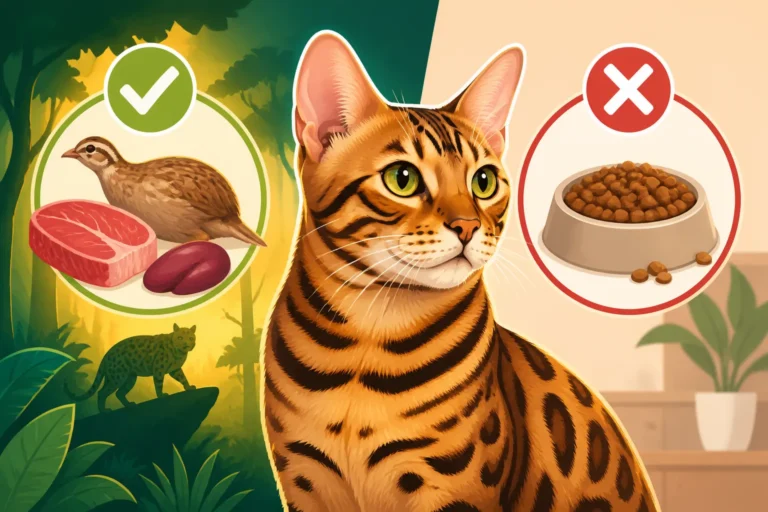
An active Bengal cat burns a lot of calories just in their normal daily routine, and this energy expenditure also contributes to their body heat. In colder months, some cats might naturally eat a little more to fuel their internal furnace. Ensure your Bengal has access to high-quality, protein-rich food that provides them with ample energy. For an active Bengal, a diet high in protein is often recommended anyway; you can read more about this in The High Protein Argument for a Bengal Cat.
If you notice your cat seems hungrier or more active in colder weather, you might consider slightly increasing their food portions, or offering an extra small meal, provided they maintain a healthy weight. Nutrient-rich food can keep your Bengal fueled and full of energy, which indirectly aids in staying warm. Consult with your vet before making any significant dietary changes, especially if your cat has any underlying health conditions.
Warmth-Enhancing Products and Supervised Outdoor Access
Beyond beds and blankets, there are other products that can help. Cat sweaters or coats, while not strictly necessary for most indoor Bengals, can be beneficial for older cats, very lean cats, or those who truly struggle with the cold, especially if they are going out into a catio. Introduce these slowly and ensure they fit well and don't restrict movement.
If your Bengal enjoys supervised outdoor access or has a catio, ensuring these spaces are winterized is crucial. Provide an insulated shelter within the catio that they can retreat into, complete with warm bedding. Consider adding clear plastic sheeting to block wind and retain heat. Never leave a Bengal cat unsupervised outdoors for extended periods in cold weather, especially if temperatures drop below freezing, as their unique coat offers limited protection against extreme cold and dampness. You can explore Whether a Bengal Cat Can Live Outdoors for more on this. For enriching their outdoor space, What a Catio for a Bengal Cat Costs offers great ideas.
By being mindful of their natural traits and providing a warm, stimulating environment, you can ensure your Bengal cat stays happy, healthy, and cozy, no matter how chilly it gets outside.
Disclaimer
This article is for general informational purposes only and does not constitute professional advice. Laws, prices and regulations vary by location and change over time. Consult a qualified professional for guidance on your specific situation.