What the Bengal Cat Standard Asks For
It can be incredibly intimidating trying to understand what makes a "good" Bengal cat, especially when you're looking at pedigrees and breeder websites filled with jargon about rosettes, glitter, and head type. You might feel like you need a secret decoder ring just to grasp what judges are looking for, or what even constitutes a well-bred Bengal. This guide is here to strip away the mystery and walk you through exactly what the major cat registries, like The International Cat Association (TICA), expect a Bengal cat to look like, from nose to tail, and why those specific traits matter.
The Overall Impression of a Bengal Cat
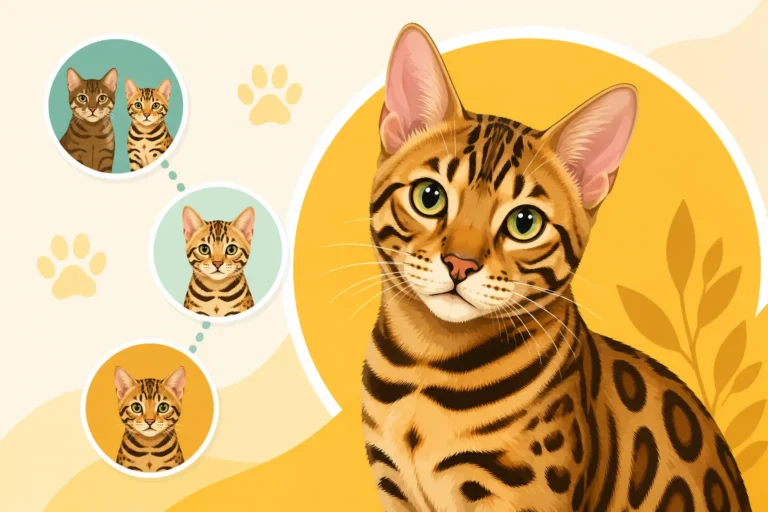
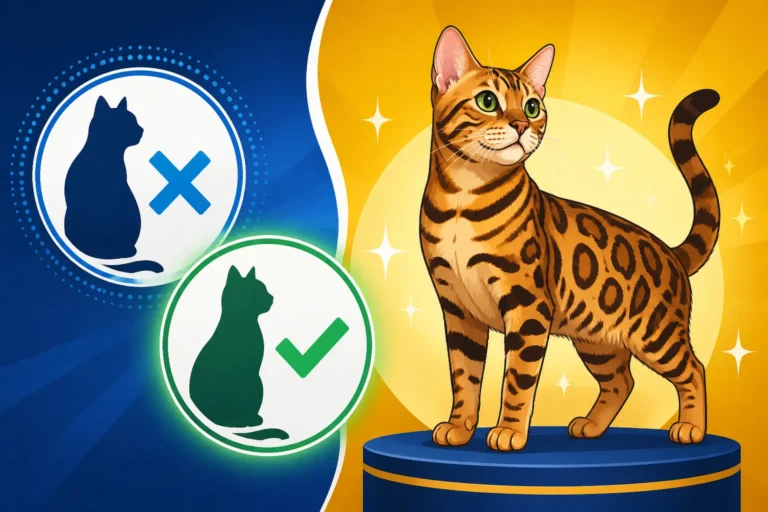
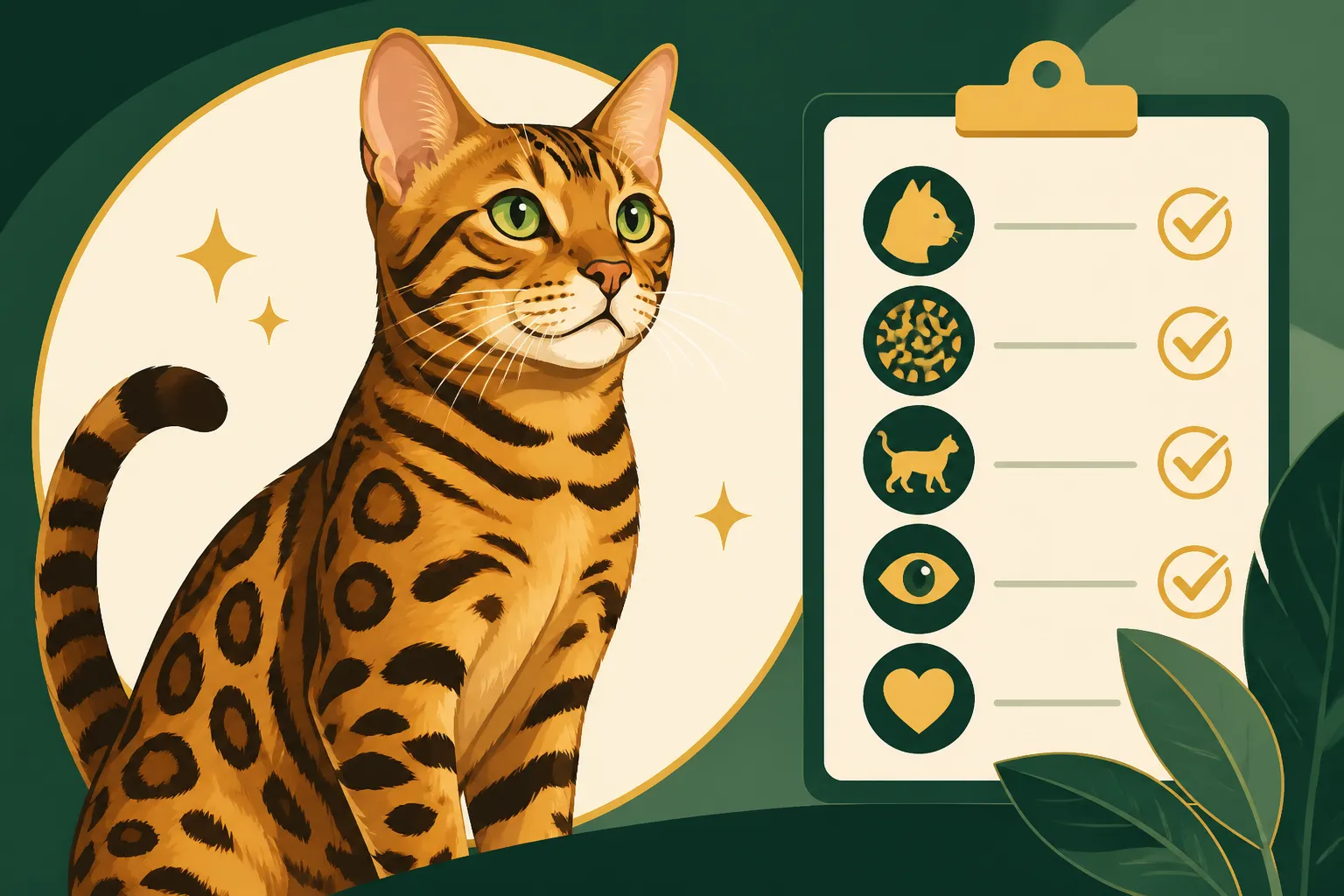
When a judge first sees a Bengal cat, or when you first lay eyes on a truly magnificent one, there's an immediate, undeniable impression of wild beauty and athletic grace. It's not just a fancy domestic cat; it's a small, miniature leopard that has somehow found its way onto your sofa. The breed standard aims to preserve this exotic, wild appearance while ensuring a domestic temperament. It's a delicate balance, and achieving it is what sets truly exceptional Bengals apart.
Size, Structure, and Substance
A Bengal cat should feel substantial in your arms, not delicate or dainty. They are a medium to large breed, with males often being noticeably larger and more muscular than females. The standard calls for a cat that is athletic, alert, and capable of powerful movement. Think of a lithe, strong predator in miniature – that's the ideal build.
This isn't about bulk for the sake of it, but rather a muscular, well-conditioned physique. When you observe a Bengal, they should move with a purposeful stride, showing off their well-developed muscles. Their bodies are typically longer than they are tall, giving them that sleek, elongated appearance. This structural integrity is vital not just for aesthetics but also for their health and agility, allowing them to perform their characteristic leaps and bounds that make them such active companions. This powerful build, combined with their boundless energy, is why having a sturdy Which Cat Tree a Bengal Cat Needs or even a What a Catio for a Bengal Cat Costs is so important for their wellbeing.
The Flow of the Body
The body of a Bengal should appear long and muscular, rather than cobby or short. The hind legs are often slightly longer than the front legs, giving them a subtle rise from shoulder to rump, which further emphasizes that wild, athletic stance. This anatomical feature contributes to their incredible jumping ability and their distinct gait.
When you see a Bengal walk, there should be a fluid, confident motion. They don't typically saunter; they move with purpose, their muscles rippling beneath that unique pelt. The length of the body contributes to the overall impression of elegance and power, making them stand out from other breeds. Any deviation towards a "generic" domestic cat body type is generally considered a fault in the show ring, as it dilutes that desired wild aesthetic.
Head and Facial Features: The Wild Gaze
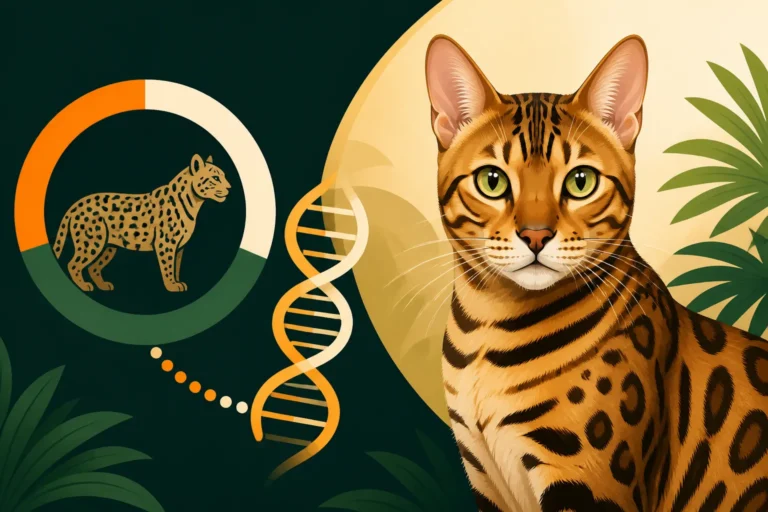
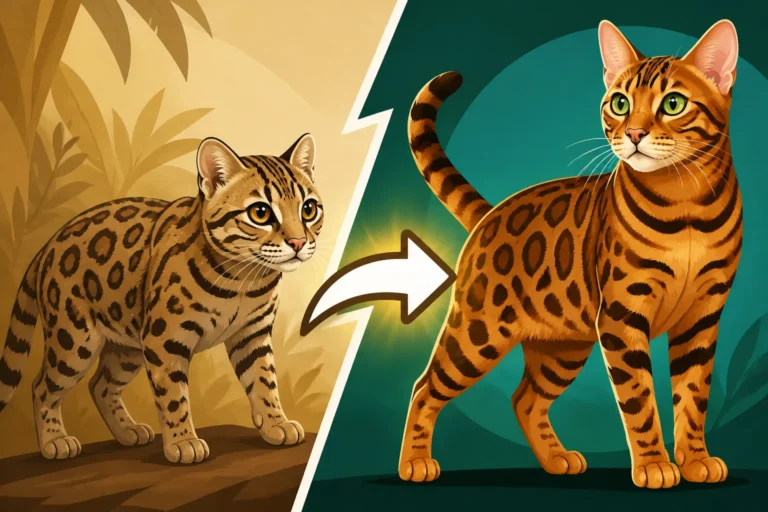
The head of a Bengal cat is another crucial element in achieving that captivating wild look. It should be broad, modified wedge-shaped, and relatively small in proportion to the body. Everything about their face, from their eyes to their ears and muzzle, is designed to evoke their Asian Leopard Cat ancestry. It’s what gives them that intense, intelligent, and sometimes mischievous expression we all love.
Eye Shape and Color
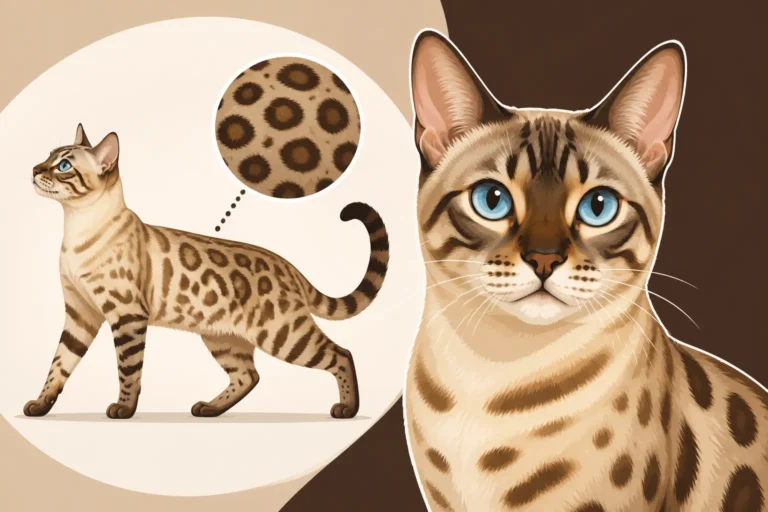
The eyes of a Bengal are large, oval, and set wide apart, with a slight slant towards the base of the ear. This setting gives them an alert, almost inquisitive look, reminiscent of their wild cousins. The eye color can vary, but generally, it should be a rich, deep shade that complements the coat color. For example, a brown spotted Bengal might have gold or green eyes, while a What a Snow Bengal Cat Is will often have stunning blue eyes, a trait tied to their color point genetics.
The depth and clarity of the eye color are important, with more intense colors often being preferred. It's not just about the color, though; it's also about the expression. A Bengal's eyes should convey intelligence and curiosity, truly a window into their spirited personality. If you've ever looked into the eyes of an Asian Leopard Cat, you'll immediately recognize that same piercing gaze in a well-bred Bengal.
Ear Placement and Shape
The ears are medium-sized, relatively short, and set wide apart, following the contours of the head. They should be rounded at the tips, without any sharp points, which again contributes to the wild, "cup-eared" look. The standard specifically mentions that the ears should not be overly large or pointed, as this would detract from the overall wild appearance.
When viewed from the front, the ears should appear to frame the face, giving it a broad, open look. Many Bengals also exhibit "ocelli" on the backs of their ears – lighter thumbprint-like markings that mimic those found on many wild felids. These are not explicitly part of the standard's core requirements but are often seen as an attractive bonus feature that enhances the wild aesthetic.
Muzzle, Chin, and Profile
The muzzle of a Bengal cat should be full and broad, with prominent whisker pads, giving them a strong, almost powerful jawline. The chin should be strong and well-aligned with the nose, neither receding nor overly prominent. This contributes to the overall impression of strength and a wild profile.
Looking at their profile, there should be a gentle curve from the top of the head to the nose, without a harsh break or a straight, flat line. This smooth contour is another nod to their wild heritage. A strong, full muzzle isn't just about looks; it hints at the powerful bite their ancestors had for hunting, and even today, it's a feature that breeders carefully select for to maintain that primal connection.
The Coat: A Pelt of Wild Spots
Perhaps the most iconic feature of the Bengal cat is its coat. It's not just "fur"; it's often referred to as a "pelt" due to its incredibly soft, luxurious texture and unique patterning. The standard places immense importance on both the feel and the visual appeal of this coat, making it a defining characteristic of the breed.
Texture and Glitter
The coat should be short, dense, and exceptionally soft to the touch, almost like silk or velvet. Unlike many domestic cats with fluffy undercoats, a Bengal's coat lies flat against its body and has minimal undercoat. This "pelted" texture is a direct inheritance from their Asian Leopard Cat ancestors and is a key distinguishing feature. Why a Bengal Cat's Coat Feels Like Silk is often one of the first things new owners notice and adore.
Beyond the texture, many Bengals possess a trait called "glitter." This isn't actual glitter, but rather a translucent quality to the tips of the hair shafts that makes the coat shimmer and sparkle, especially in natural light. It gives the cat an almost iridescent sheen, making their patterns pop and enhancing their luxurious appearance. While not every Bengal has glitter, it's highly prized in the show ring and often adds to the cat's allure.
Accepted Colors and Patterns
The Bengal breed standard recognizes several main color categories, each with its own specific nuances:
- Brown: This is the most common and widely recognized color, ranging from golden to orange to red-brown. The markings are typically black or dark brown.
- Snow (Seal Lynx Point, Seal Mink, Seal Sepia): These variations of the snow Bengal have paler body colors with darker markings, and typically have blue (lynx point), aqua (mink), or green/gold (sepia) eyes.
- Silver: Silver Bengals have a striking white to light grey background color with black markings, creating a high-contrast, often dramatic look.
- Charcoal: A newer, more intense variation, charcoal Bengals have a darker overall appearance, often with a distinct "mask" on their face and a dark "cape" on their back.
Within these colors, there are two primary patterns:
- Spotted/Rosetted: This is the hallmark pattern, mimicking the spots and rosettes of wild leopards and jaguars. Rosettes are spots that are comprised of two or more colors, creating an outline effect. These can be arrowhead, paw print, or the highly desired donut rosettes, which are spots outlined by a darker color with a lighter center.
- Marbled: Instead of distinct spots, marbled Bengals have swirling patterns of different colors that flow horizontally along their bodies. A good marble pattern will be random, flowing, and high in contrast. How Marbling Differs From Rosetting in a Bengal Cat is a common question, and both are beautiful in their own right, just different expressions of the breed's wild patterns.
The contrast between the markings and the background color is critical. The markings should be clear, sharp, and well-defined, standing out boldly against the lighter ground color. This high contrast is what truly makes a Bengal's pattern captivating, almost as if it's painted onto their coat.
Temperament: Wild Looks, Domestic Heart
While the physical attributes are what judges often focus on, the temperament of a Bengal cat is equally important, especially for those of us who live with them every day. The breed standard explicitly calls for a domestic temperament, despite their wild appearance. This means a Bengal should be friendly, outgoing, and confident, not shy or aggressive.
Playful and Engaging Nature
A truly well-socialized Bengal cat is typically highly intelligent, active, and curious. They are known for their playful antics, their love of water, and their ability to learn tricks. They thrive on interaction and can form incredibly strong bonds with their human families. The standard expects a cat that is approachable and willing to engage, even with strangers, rather than one that hides or shows fear.
This isn't to say every Bengal is an instant lap cat – many are far too busy exploring and playing for extended snuggles! But they should be receptive to affection and not show any signs of wildness in their behavior. This balance of wild looks and a loving, domestic personality is what makes them such unique and cherished pets. Investing in interactive toys and enrichment from places like Chewy can really help meet their high energy needs. How Much Enrichment a Bengal Cat Actually Needs is a topic every prospective owner should explore.
Confident and Fearless
A Bengal should exhibit confidence in new situations and with new people. Extreme shyness or fear is considered a fault, as it goes against the breed's desired temperament. They are naturally curious and often fearless, traits that make them incredible explorers of their home environment, sometimes to the exasperation of their owners!
This inherent confidence, however, needs to be channeled appropriately. Early socialization is key to ensuring a Bengal grows into a well-adjusted adult who is comfortable with various sounds, sights, and experiences. A Bengal that is fearful might be prone to stress or less likely to adapt well to household life, which is precisely what the standard seeks to avoid.
What Judges Look For in a Show Bengal
For those who dream of showing their magnificent Bengal, understanding the intricacies of the standard is paramount. Judges evaluate every aspect of the cat against these guidelines, looking for how closely the individual cat embodies the ideal. It's a holistic assessment, where no single feature stands alone.
Scoring and Faults
Judges assign points to different categories, such as head, body, coat, and temperament. Each category has a maximum point value, and cats are penalized for "faults" – deviations from the ideal. For example, ears that are too large, a cobby body, or a dull coat without glitter might all incur point deductions. Disqualifying faults include temperamental issues (aggression or extreme fear), incorrect paw or nose leather color, or any physical deformity.
Here’s a simplified breakdown of typical point distribution in a show standard, though exact numbers can vary slightly between associations:
| Feature Category | Typical Point Value | Key Considerations |
|---|---|---|
| Head | 25 points | Shape, eyes, ears, muzzle, profile, chin, whisker pads |
| Body | 25 points | Torso, muscling, length, boning, legs, feet, tail |
| Coat & Pattern | 35 points | Texture, glitter, color, contrast, type and clarity of pattern |
| Temperament | 10 points | Friendly, outgoing, confident, alert |
| Balance & Overall | 5 points | General impression, proportion, condition |
| Total | 100 points |
The Importance of Balance
Ultimately, a judge is looking for a cat that is well-balanced and harmonious in all its features. It's not just about having the biggest rosettes or the brightest glitter; it's about how all the elements come together to create that quintessential wild yet domestic Bengal look. A cat with one outstanding feature but several faults in other areas will likely score lower than a cat that consistently meets the standard across the board.
For breeders, adhering to the standard is crucial for maintaining the integrity and health of the breed. It ensures that the unique characteristics that define the Bengal cat are preserved for future generations. When considering a kitten, looking at the parents and their adherence to the standard can give you a good indication of what to expect in your future companion. Remember, a reputable breeder will always be transparent about the lineage and health screenings, like those covered in What a Bengal Cat Breeder Should Have Tested.
Understanding the Standard for Pet Owners
Even if you have no intention of showing your Bengal cat, understanding the breed standard is incredibly valuable. It helps you appreciate the unique qualities of your cat and understand why they look and behave the way they do. It also provides a benchmark when choosing a kitten from a breeder. You can ask informed questions and assess whether a breeder is truly striving to produce healthy, well-socialized Bengals that conform to the breed's ideals.
For example, knowing that the standard calls for a muscular, athletic build helps you understand why your Bengal needs so much exercise and a high-quality diet. If you notice your Bengal isn't as active or is gaining too much weight, you know something might be off because you understand How Many Calories a Cat as Active as a Bengal Burns. Similarly, knowing about their coat texture explains why they need How Little a Bengal Cat Sheds for a Shorthair grooming compared to some other breeds.
It's about having an informed appreciation for the magnificent animal sharing your home, and recognizing the efforts that go into preserving its distinctive characteristics. Whether your Bengal is a future show champion or a beloved couch companion, understanding what the breed standard asks for enriches your bond and helps you provide the best possible care for your wild at heart feline.
Disclaimer
This article is for general informational purposes only and does not constitute professional advice. Laws, prices and regulations vary by location and change over time. Consult a qualified professional for guidance on your specific situation.