Which Bengal Cats Jean Mill Received From Loma Linda
The fascinating origins of the Bengal cat breed can sometimes feel like piecing together a complex puzzle, particularly when trying to understand the roles of key figures and institutions. For many of us who adore these magnificent felines, delving into their history helps us appreciate their unique characteristics even more, but pinpointing specific details can be challenging. This guide aims to demystify one significant chapter in the Bengal cat's story, focusing on the crucial contribution of the cats Jean Mill received from the groundbreaking research colony at Loma Linda University.
The Early Days: Jean Mill's Vision for the Bengal Cat
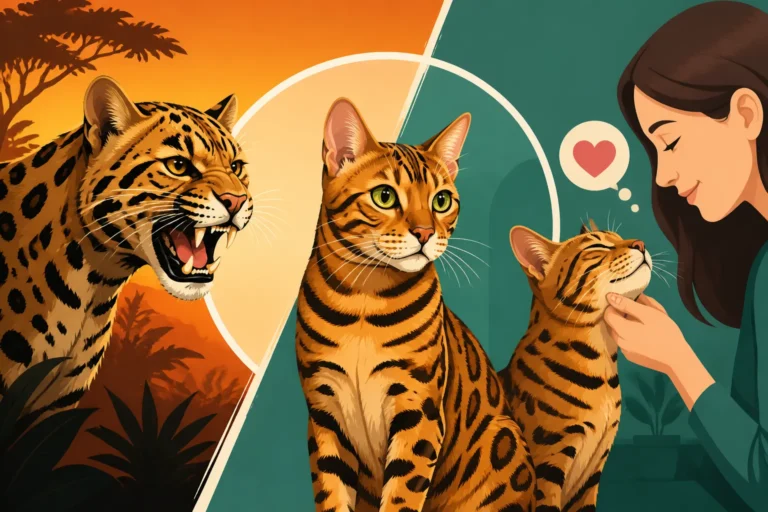
Before the Bengal cat became the widely recognized and adored breed it is today, its very existence was a dream in the mind of one visionary breeder: Jean Mill. Her ambition wasn't simply to create another domestic cat; it was to bring the breathtaking beauty and wild essence of the Asian Leopard Cat into a manageable, loving companion for the home. She truly saw the potential for a new kind of feline, one that carried the stunning patterns and athletic grace of its wild ancestor without the untamed nature.
The Genesis of a Wild Dream
Jean Mill's journey began in the early 1960s. She was captivated by the idea of a hybrid cat, combining the exotic appeal of the Asian Leopard Cat (ALC) with the docile temperament of a domestic cat. Her initial crosses were made with a clear goal: to create a cat that looked like it belonged in the jungle, with bold spots and an athletic physique, yet possessed the sweet, affectionate nature of a housecat. This wasn't an easy task, as early generations of hybrids could be challenging in terms of temperament and fertility. Jean Mill's initial breeding program, based in Yuma, Arizona, produced some intriguing offspring, but she later paused her work, recognizing the need for more diverse genetic material and a clearer path forward. The journey to formalize the breed was long, and it's easy to see how a pause would be necessary to strategize and gather resources. For those interested in the very beginning, understanding What Year Jean Mill Made the First Bengal Cat Cross is a great starting point to grasp the timeline of her pioneering efforts.
Her early efforts laid the groundwork, but she knew that to truly establish a robust and healthy breed, she couldn't rely on a small, isolated gene pool. She envisioned a cat that wasn't just a fleeting novelty but a stable, vibrant breed that could thrive for generations. This foresight meant constantly seeking ways to enhance the health, temperament, and genetic diversity of her developing lines.
The Importance of Genetic Diversity
One of the biggest hurdles in breeding early generation (F1, F2, F3) hybrid cats is the issue of male sterility. Typically, male offspring from the first three generations of a wild cat-domestic cat cross are sterile, meaning they cannot reproduce. This phenomenon, often referred to as hybrid sterility, severely limits the available breeding stock and makes expanding the gene pool incredibly difficult. Breeders like Jean Mill had to rely heavily on fertile female hybrids and continuously outcross them to domestic males, carefully selected for temperament and conformation. This meant that while she was producing stunning cats, the path to a fully fertile and genetically diverse breed was fraught with challenges. The fact that Why F1 to F3 Bengal Cat Males Are Sterile was such a significant obstacle underscores the dedication and scientific understanding required to move the breed forward.
Without fresh, unrelated lines, the risk of inbreeding and the associated health problems would have been immense. Jean Mill understood that for the Bengal to be a truly sustainable and healthy breed, new infusions of Asian Leopard Cat genetics, or at least a wider variety of domestic traits, were absolutely essential. She was looking for avenues to introduce more diverse traits, and serendipitously, an unexpected opportunity arose from a scientific research program.
Loma Linda University and the Feline Leukemia Research Colony
The story of the Bengal cat took a pivotal turn thanks to an unrelated scientific endeavor at Loma Linda University in California. This institution housed a unique research colony that, while not intended for cat breeding, inadvertently provided the genetic building blocks that would become indispensable to the burgeoning Bengal breed. It's one of those incredible moments in history where science and passion intersected to create something extraordinary.
Dr. Willard Centerwall's Scientific Endeavor
In the early 1970s, Dr. Willard Centerwall, a geneticist at Loma Linda University, initiated a study focusing on feline leukemia virus (FeLV). His research involved creating hybrid cats by crossing domestic cats with Asian Leopard Cats. The key hypothesis driving his work was that the ALC might possess a natural immunity or resistance to FeLV, and by creating hybrids, he hoped to study this resistance and potentially transfer it to domestic cats. This was groundbreaking research at the time, aiming to combat a devastating disease that plagued domestic cat populations. The idea of using an exotic cat for such a purpose was quite novel. You can learn more about this foundational element of the breed by reading The Leukemia Research Colony That Founded the Bengal Cat.
The cats produced in this research colony were first (F1) and second (F2) generation hybrids. They lived in a controlled environment, crucial for scientific observation, and were part of a serious medical study. These were not pets in the traditional sense, but rather subjects in an important quest for feline health solutions. Dr. Centerwall's work, though purely scientific in its intent, created a population of hybrid cats that possessed the very traits Jean Mill was so eager to incorporate into her nascent breed: direct, well-documented infusions of Asian Leopard Cat genetics.
The Crossroads: Research to Pet Pioneers
After several years of research, Dr. Centerwall's grant funding came to an end in 1982. This meant the Loma Linda research colony, consisting of a number of beautiful and genetically valuable F1 and F2 Bengal-domestic hybrids, needed to be rehomed. The ethical considerations of animal research dictate that animals should be placed in suitable homes whenever possible after their scientific contribution concludes. This situation presented a unique opportunity, as these cats, while bred for science, carried the striking wild looks and fresh genetic material that breeders like Jean Mill desperately needed.
The prospect of acquiring these cats was a game-changer for Jean Mill. Here were cats directly descended from Asian Leopard Cats, already hybridized with domestic felines, and their lineage was scientifically documented. This wasn't just another F1 or F2; these were cats with a known health background and a clear genetic contribution to make. The rehoming process was meticulous, ensuring these special cats went to individuals who understood their unique needs and potential. For Jean Mill, it was an unparalleled chance to significantly broaden the genetic foundation of her developing Bengal breed, injecting new vigor and diversifying the gene pool in a way that would have taken years, if not decades, to achieve through her own selective breeding alone. It’s a powerful reminder that sometimes, the most significant advancements come from unexpected collaborations or transitions between different fields.
The Specific Cats Jean Mill Received from Loma Linda
The transfer of cats from Loma Linda University to Jean Mill's care marked a monumental shift in the trajectory of the Bengal cat breed. It wasn't just about adding more cats; it was about integrating a specific, well-documented genetic lineage that would prove vital to the breed's development and stability. This infusion of new genetics was like pouring fresh water into a nascent stream, ensuring its continued flow and vitality.
Identifying the Key Felines
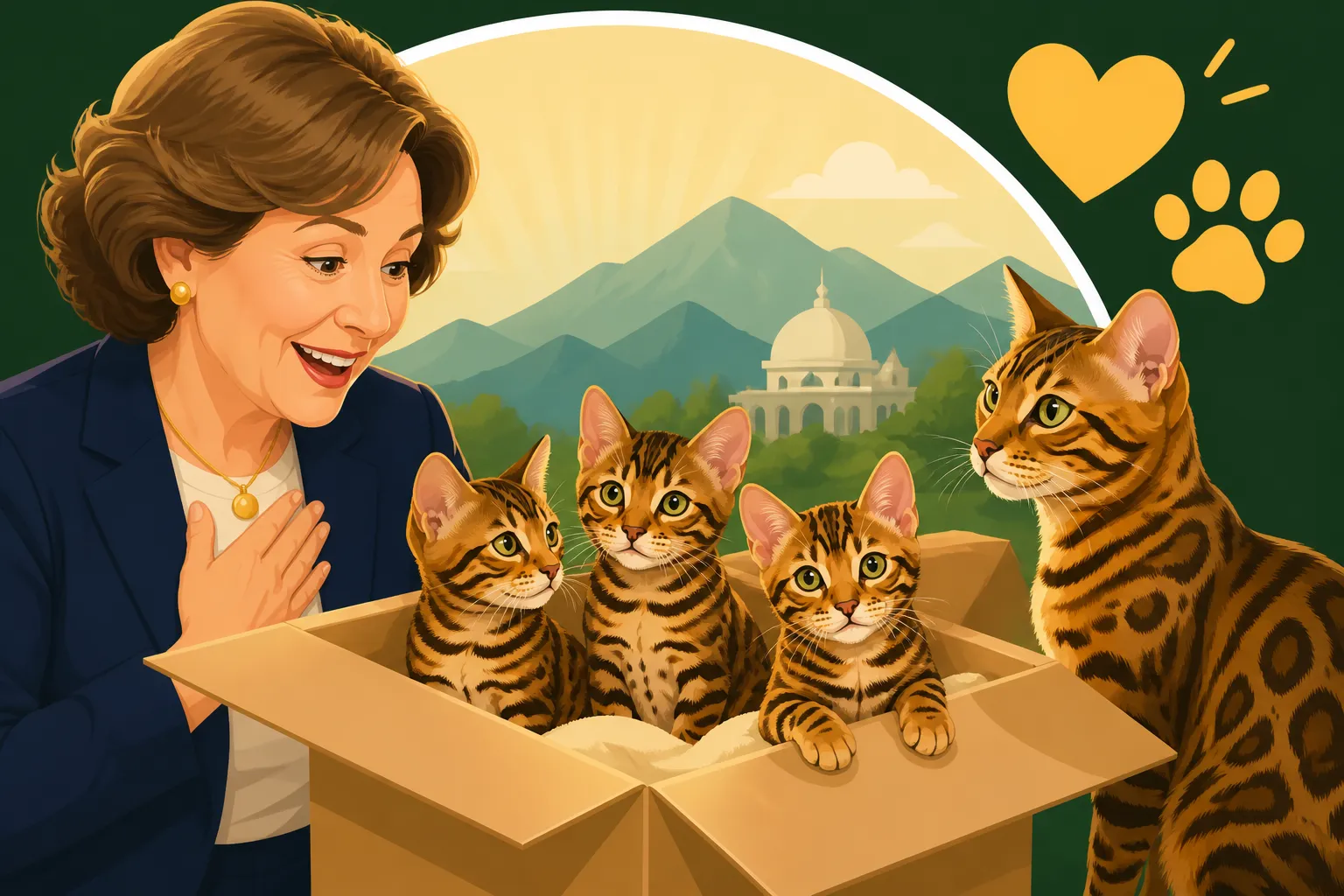
Jean Mill famously received eight F1 (first generation) hybrid females directly from the Loma Linda University colony. These eight queens were a treasure trove of direct Asian Leopard Cat genetics. Imagine receiving eight cats that were a literal generation away from the wild, all with documented health histories related to the FeLV research. This wasn't just a handful of cats; it was a significant proportion of the early Bengal breeding stock. These cats provided a crucial expansion of the gene pool, helping to alleviate concerns about potential inbreeding within the small number of existing Bengal lines. Each of these F1 females carried the bold, distinct spotting and unique pelt-like coat of the ALC, along with the potential for that elusive FeLV resistance Dr. Centerwall had been studying.
When these cats arrived, Jean Mill, with her discerning eye and dedication, was ready to integrate them into her program. She knew the importance of careful observation and pairing to ensure the best possible outcomes. The careful management of her cattery, which she lovingly named Millwood, became even more critical with these new additions. Indeed, What Jean Mill Named Her Bengal Cat Cattery holds significant historical weight for the breed. Caring for such unique, early-generation hybrids required a comprehensive approach to their diet, enrichment, and overall well-being. Modern Bengal owners understand this need for quality supplies, often turning to trusted resources like Chewy for premium, high-protein foods, engaging toys, and robust scratching posts that stand up to an active Bengal's energy.
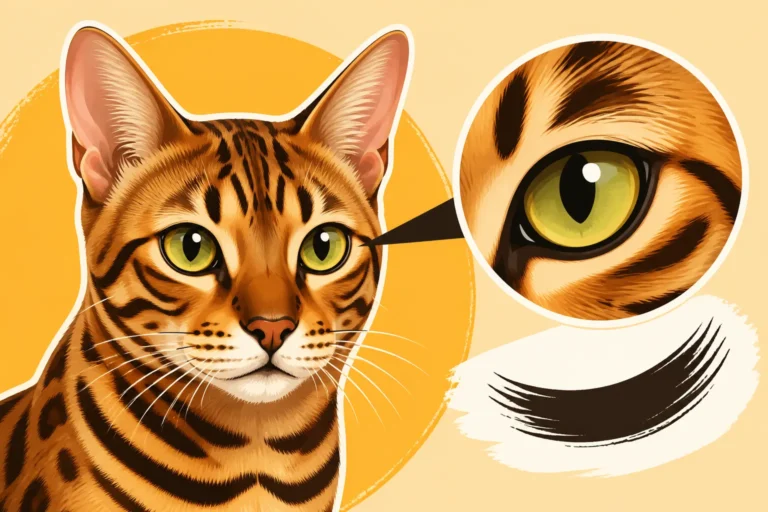
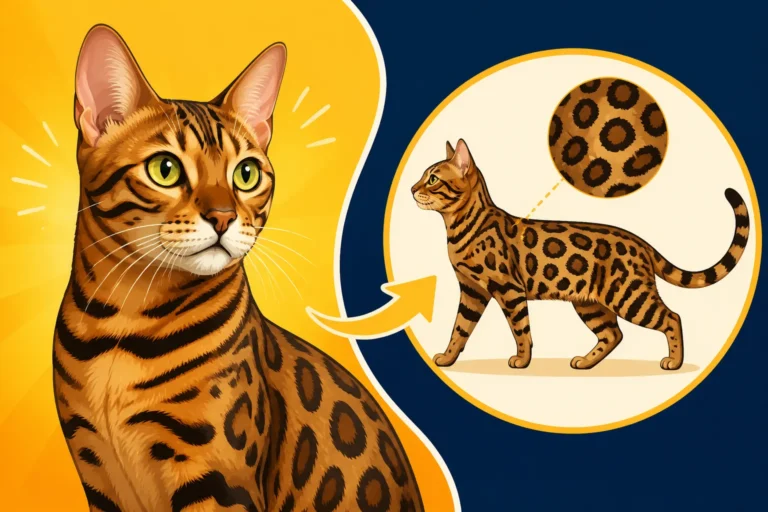
These cats contributed immensely to the physical characteristics we associate with Bengals today. The clear contrast in their rosettes, the dramatic eyeliner markings, and the athletic, elongated body structure were all enhanced by these direct infusions from the Loma Linda cats. Moreover, the detailed health records from the research project were invaluable, providing a scientific basis for understanding the genetics and potential health predispositions of these early hybrids.
Shaping the Breed Standard: Loma Linda's Legacy
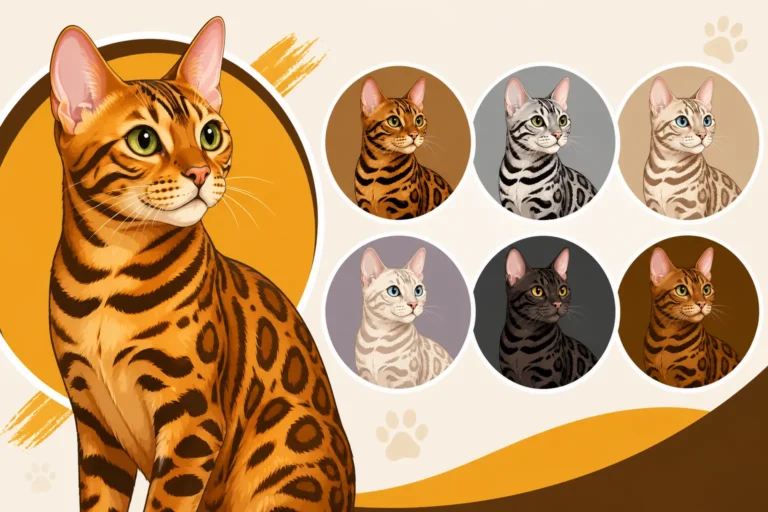
The genetic material from the Loma Linda cats played an indispensable role in shaping the very look and temperament that would eventually be codified in the Bengal cat breed standard. These cats were instrumental in defining the ideal Bengal, with their striking patterns and conformation directly influencing what judges and breeders would come to seek. The introduction of these robust F1 females meant a stronger emphasis could be placed on maintaining the wild appearance while simultaneously breeding for a more domestic temperament. This delicate balance is what makes the Bengal cat so captivating. For a full picture of what this breed strives to be, reviewing What a Bengal Cat Looks Like by the Standard provides invaluable context.
The Asian Leopard Cat contributions were evident in several key ways:
- Pattern Enhancement: The Loma Linda cats had exceptionally clear, contrasting spots and rosettes. This intensified the desired "wild look" in subsequent Bengal generations, pushing the breed away from simple spots and towards the more complex and highly prized rosette patterns.
- Body Type and Structure: Their influence helped solidify the athletic, muscular build, with hind legs often slightly longer than the front, giving them a powerful, agile stance. This physique is a hallmark of the breed's wild ancestry.
- Temperament Considerations: While F1 cats can be challenging, Jean Mill's careful breeding decisions after receiving these cats aimed to retain their exotic beauty while selecting for traits that led to a more sociable and biddable nature in later generations. It was a long process of selective breeding, meticulously choosing the right mates to soften the wild edges without losing the inherent allure.
The arrival of the Loma Linda cats allowed Jean Mill to restart her breeding program with renewed vigor and a much stronger genetic foundation. It enabled her to make more informed breeding decisions, steering the breed towards health, beauty, and temperament balance. The contributions from these specific cats cannot be overstated; they were a cornerstone upon which the modern Bengal cat breed was built.
| Aspect | Pre-Loma Linda Cats (Jean Mill's Early Work) | Loma Linda Cats' Contribution |
|---|---|---|
| Genetic Source | Various domestic cats x ALC | ALC x Domestic cats (from research colony) |
| Generation | Varied, sometimes limited F1 | Eight F1 females |
| Genetic Diversity | Limited, risk of bottlenecking | Significant infusion of new, documented ALC DNA |
| Primary Focus | Aesthetics, wild look | Scientific (FeLV resistance), then aesthetics |
| Documentation | Breeder records | Scientific research records (health, lineage) |
| Impact on Breed Standard | Foundation | Crucial in defining and solidifying wild traits |
| Fertility Issue (Males) | Ongoing challenge for gene pool expansion | Helped diversify female lines, aiding future breeding options |
The Lasting Impact of the Loma Linda Connection
The acquisition of the Loma Linda cats was more than just a momentary boost to Jean Mill's breeding program; it created a ripple effect that profoundly shaped the future of the Bengal cat breed. It’s a testament to the idea that sometimes, unexpected opportunities can lead to truly transformative outcomes, setting a course for decades to come.
Expanding the Bengal Cat's Genetic Pool
The eight F1 females from Loma Linda were a critical influx of fresh Asian Leopard Cat genetics. Prior to their arrival, the nascent Bengal gene pool was relatively small, primarily stemming from Jean Mill's initial crosses and a few other breeders' efforts. A limited gene pool carries significant risks, including higher chances of inherited health issues and a lack of overall vigor. By introducing these unrelated F1 cats, Jean Mill was able to significantly broaden the genetic foundation of the breed. This allowed for more diverse pairings, which in turn promoted greater genetic health and reduced the likelihood of perpetuating undesirable traits. The overall health and longevity of the Bengal cat today owe a great deal to this strategic expansion of its genetic diversity. Understanding How Old the Bengal Cat Breed Is gives context to how crucial these early decisions were in establishing a robust and enduring breed, rather than a short-lived fad.
This expansion meant that future generations of Bengals would benefit from a wider array of genes, fostering stronger immune systems, better adaptability, and a more robust overall constitution. It was an essential step in moving the Bengal from an experimental hybrid to a recognized and thriving breed. This genetic boost also helped solidify certain physical traits consistently across the breed, making the "Bengal look" more uniform and identifiable.
A New Chapter in Bengal Cat History
With the infusion of the Loma Linda cats, Jean Mill's Millwood Cattery truly became the epicenter of Bengal cat development. She meticulously bred these new queens with carefully selected domestic stud cats, and the resulting offspring quickly became highly sought after by other breeders keen to develop their own lines. Her program, reinvigorated by these new genetics, became the foundation for many of the Bengal lines seen around the world today. This period marked a true new chapter, propelling the Bengal cat from a passionate hobby into a serious, recognized breed.
The success of her expanded program was pivotal in gaining acceptance from major cat registries. The breed needed a consistent look and temperament, and the Loma Linda cats helped provide the genetic stability for this. It was Jean Mill's persistent work, combined with this invaluable genetic resource, that eventually led to the official recognition of the Bengal cat. Indeed, the breed's journey to formal acceptance is a story in itself, and TICA Accepted the Bengal Cat in 1986 marks a significant milestone in this process, a testament to the dedicated work of breeders like Jean Mill.
Today, Bengal cats are known for their vibrant energy and intelligence, often requiring engaging enrichment to keep them happy and healthy. Many Bengal owners rely on versatile online retailers like Chewy for everything from interactive puzzle toys and sturdy cat trees to specialized diets that cater to their active lifestyles and sensitive digestive systems. These fascinating felines continue to capture hearts, and their unique history, deeply intertwined with scientific research and dedicated breeding, remains a captivating aspect of their allure. Jean Mill’s vision, coupled with the unexpected opportunity from Loma Linda, truly laid the foundation for the magnificent Bengal cat we know and love.
Disclaimer
This article is for general informational purposes only and does not constitute professional advice. Laws, prices and regulations vary by location and change over time. Consult a qualified professional for guidance on your specific situation.