How Many Bengal Cats Jean Mill First Registered
If you've ever found yourself tracing the mesmerizing rosettes on a Bengal cat and wondering how this magnificent breed came to be, you're not alone. Many aspiring and current Bengal owners are fascinated by the origins of these wild-looking beauties, especially how they first gained formal recognition. This guide will take you back to the very beginning, focusing on the pioneering work of Jean Mill and the crucial steps she took to register the first Bengal cats, laying the foundation for the breed we adore today.
The Visionary Behind the Breed: Jean Mill's Early Work
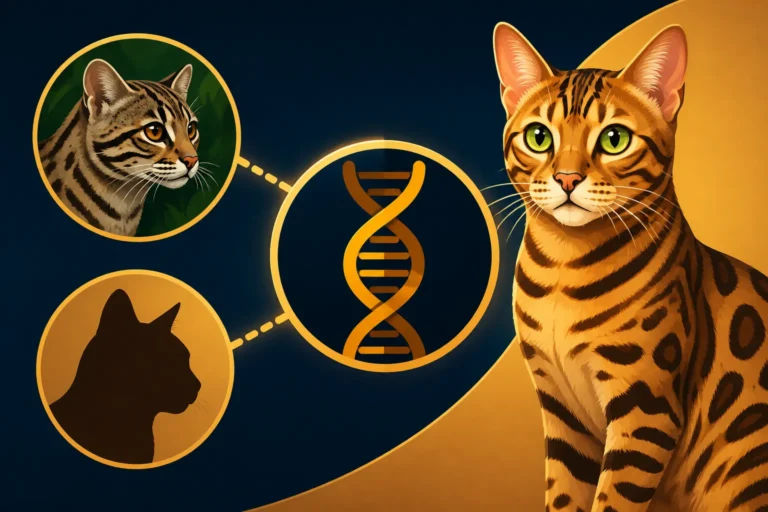
The story of the Bengal cat is intrinsically linked with the name Jean S. Mill, a woman whose foresight and dedication transformed a scientific curiosity into one of the most popular cat breeds globally. She wasn't just a breeder; she was a true pioneer who saw the potential in combining the exotic beauty of the Asian Leopard Cat (ALC) with the docile nature of domestic felines. Her journey began not with a grand plan for a new breed, but with a scientific inquiry into feline leukemia. However, it quickly evolved into a mission to create a domestic cat that carried the stunning wild markings without the untamed temperament. Her work truly paved the way for the Bengal to step onto the world stage.
The Early Days of Hybridization
Back in the early 1960s, long before the Bengal cat was even a glimmer in most people's eyes, Jean Mill embarked on her first experimental crosses. The initial goal, as mentioned, was less about creating a new breed and more about observing the potential immunity of Asian Leopard Cats to feline leukemia, a study initiated by Dr. Willard Centerwall at Loma Linda University. Mill herself had a background in genetics and a deep love for cats, which made her uniquely suited to the task of breeding these exotic hybrids. She started breeding ALCs with domestic shorthairs, aiming to produce offspring that retained the wild cat's striking patterns but possessed the gentle, companionable personality of a housecat. This was a challenging endeavor, as early generations (F1 and F2) could be quite unpredictable in temperament.
These first crosses were fraught with difficulties. The F1 generation, direct offspring of an ALC and a domestic cat, often displayed traits more aligned with their wild parent, making them unsuitable for most pet homes. The males from these early generations, specifically F1 through F3, were also typically sterile, which presented a significant hurdle for breeding programs. It took immense patience and a keen eye for selecting the right individuals to continue the line. Mill's commitment during this period was unwavering, driven by her belief that a domestic cat could indeed embody the allure of the wild. It was this persistence that slowly but surely began to shape the characteristics that would one day define the Bengal breed. Many people wonder What Year Jean Mill Made the First Bengal Cat Cross, and her early efforts truly set the stage for everything that followed.
Challenges and Dedication in Early Breeding
The process of developing a new breed from a wild hybrid is not for the faint of heart, and Jean Mill faced numerous obstacles. Beyond the fertility issues and the sometimes-unpredictable temperaments of the early generations, there was the sheer novelty of the concept. Many in the established cat fancy were skeptical, even critical, of introducing wild blood into domestic lines. It required not only scientific rigor but also a deep understanding of animal behavior and genetics to navigate these challenges. Mill devoted countless hours to observing her cats, carefully documenting traits, and making informed decisions about which individuals to breed forward.
Her dedication wasn't just about breeding; it was about socialization. She understood that for the Bengal to succeed as a pet, the kittens needed intensive human interaction from a very young age. This hands-on approach helped to temper any wild instincts and foster the affectionate, playful nature that modern Bengals are known for. Without her relentless effort in both selective breeding and early socialization, the Bengal cat might never have transitioned from a scientific experiment to a beloved companion. Her work was truly groundbreaking, making her a seminal figure in the breed's history, as explored in What Jean Mill Was to the Bengal Cat.
The Path to Recognition: Formalizing the Bengal Breed
As Jean Mill continued her breeding program, producing more consistent and domesticated offspring, the idea of formal recognition for this unique hybrid breed began to solidify. It wasn't enough to simply breed these cats; for them to be accepted and flourish, they needed a place within the established world of cat registries. This formalization process was critical for establishing breed standards, ensuring responsible breeding practices, and allowing Bengal cats to be shown and celebrated. The International Cat Association (TICA) became the key organization that embraced Mill's vision and provided the platform for the Bengal's ascent.
The Role of The International Cat Association TICA
The International Cat Association, or TICA, played a pivotal role in the Bengal cat's journey to recognition. Unlike some older, more conservative cat registries, TICA was founded with a more progressive outlook, open to new and experimental breeds, especially those with hybrid origins. This open-mindedness made TICA the natural home for the burgeoning Bengal breed. Jean Mill began working closely with TICA in the mid-1980s to establish a breed standard and lay out the pathway for formal recognition. This collaboration was essential, as TICA's structure allowed for new breeds to be granted "experimental" status, then progress through various levels of recognition until they achieved full championship status.
The commitment from TICA meant that breeders had a clear goal and a set of guidelines to follow, encouraging the development of Bengals that consistently met desirable traits. It legitimized the breed in the eyes of many, providing a framework for ethical breeding and showing. Without TICA's willingness to embrace such a novel concept, the Bengal cat might have remained a niche, unofficial type of hybrid. It was truly a symbiotic relationship that allowed both the breed and the registry to grow together, setting a precedent for other hybrid breeds to follow. Indeed, When TICA Accepted the Bengal Cat marked a monumental moment for the breed's future.
Jean Mill's Initial Registrations
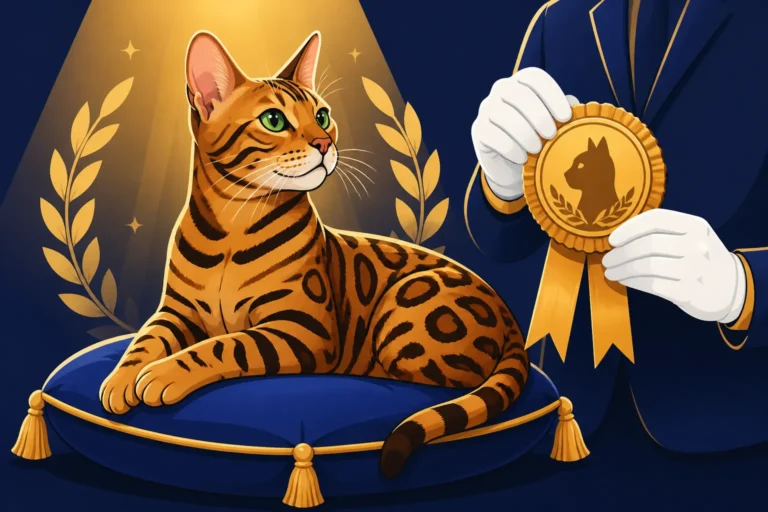
When it came to formalizing her years of dedicated breeding, Jean Mill made a significant move by registering a foundational group of Bengal cats with TICA. In 1986, TICA officially granted the Bengal breed "New Breed" status, and at that critical juncture, Jean Mill registered 14 Bengal cats from her renowned Millwood cattery. These 14 cats were the torchbearers, the select individuals chosen to represent the culmination of her work and to officially begin the breed's journey within the cat fancy. These weren't just any cats; they were the ones she felt best embodied the emerging standard, demonstrating the exotic wild look combined with the domestic temperament she had strived for.
This initial group was absolutely crucial. They served as the cornerstone for the entire Bengal breed within TICA. Their pedigrees would be traceable back to this moment, providing a clear lineage for future generations. Each of these 14 cats carried the genetics and the visual appeal that breeders would seek to replicate and refine for decades to come. It was a testament to Mill's vision and perseverance that she was able to present such a cohesive and promising group for official recognition. Among these, or closely related to them, would be prominent figures like What Millwood Toby of Delhi Was to the Bengal Cat, a cat whose influence is still felt in many pedigrees today. This initial registration was not merely a formality; it was the birth certificate of the modern Bengal cat breed.
Beyond the Numbers: The Impact of Early Registrations
While the number 14 might seem small in the grand scheme of things, the act of officially registering these first Bengal cats with TICA had an enormous ripple effect. It wasn't just about getting a few cats into a database; it was about legitimizing a revolutionary breeding program and opening the floodgates for widespread acceptance and development of the breed. These initial registrations marked the transition from an experimental endeavor to a recognized, viable breed with a future.
Establishing a Foundation
Those 14 registered Bengal cats formed the genetic bedrock upon which the entire breed would be built. Every Bengal cat registered with TICA since that time can trace its lineage back to these pioneering individuals, or to other carefully selected foundational cats that joined the program shortly thereafter. This initial group provided a critical mass of healthy, well-socialized Bengals with consistent traits, allowing other breeders to join the effort and expand the gene pool without losing the core characteristics. Without this solid foundation, the breed's development would have been much more fragmented and difficult to standardize. It gave breeders a clear reference point and a shared goal.
The stability provided by these early registrations was invaluable. It meant that breeders could confidently invest in Bengal cats, knowing there was a recognized standard and a growing community. This enabled the breed to expand rapidly across the United States and eventually, the world. The careful selection of these initial 14 cats by Jean Mill was paramount, as it ensured that the most desirable traits – the striking patterns, the intelligent eyes, the affectionate nature – were passed down through the generations. This careful planning contributed to F1 to SBT: How a Bengal Cat's Generation Is Counted, ensuring genetic diversity while maintaining breed type.
Setting the Standard
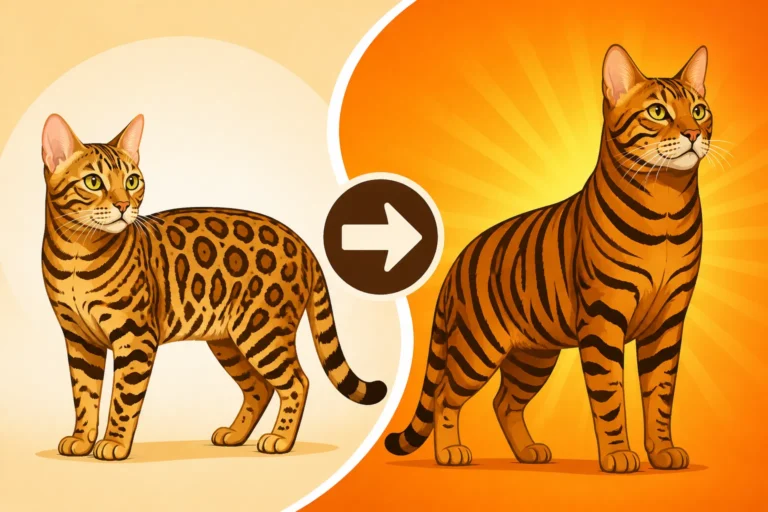
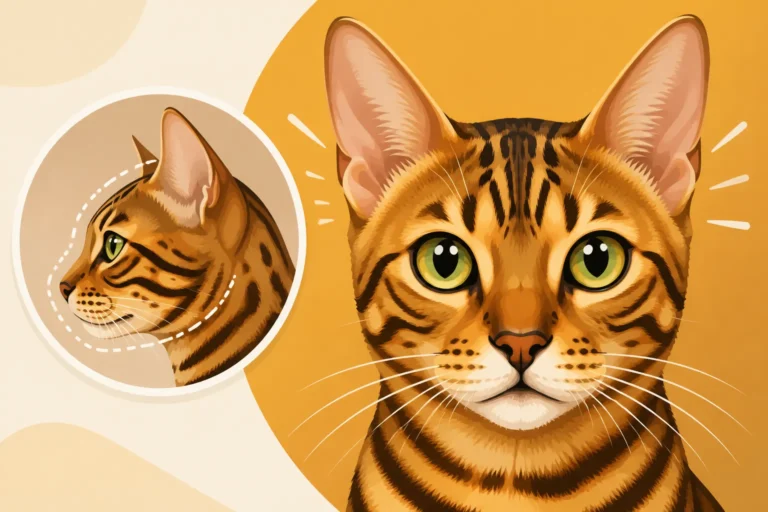
The act of registration with TICA meant that the Bengal cat now had a formal breed standard. This standard, developed with Jean Mill's extensive input, outlined the ideal physical characteristics and temperament traits that breeders should aim for. The initially registered cats were instrumental in demonstrating these standards in living form. From the distinct rosetted or marbled patterns to the muscular physique, the specific head shape, and the captivating eye color, every detail was carefully considered. This standard was crucial for guiding future breeding decisions and ensuring consistency across the breed.
Furthermore, the standard encouraged a focus on health and temperament, pushing breeders to produce not just beautiful cats, but robust and friendly ones. It also helped to distinguish true Bengal cats from other spotted or marbled domestic cats. This official recognition was not just a piece of paper; it was a blueprint for the breed's identity and its future development. It ensured that as the Bengal grew in popularity, its unique qualities would be preserved and enhanced. You can see the importance of these standards when looking at specific traits, like Which Bengal Cat First Showed Rosettes, as these early cats defined what was considered desirable.
The Legacy of Jean Mill and the Bengal Cat
Jean Mill's vision and the success of her initial registrations with TICA left an indelible mark on the feline world. Her efforts didn't just create a new breed; they challenged conventional notions of what a domestic cat could be and inspired a new generation of breeders to explore hybrid genetics responsibly. Her legacy is woven into the very fabric of the Bengal cat breed, from its stunning appearance to its dynamic personality.
Millwood Cattery's Enduring Influence
Jean Mill's Millwood Cattery became synonymous with excellence in Bengal breeding. Even after her initial registrations, her cattery continued to produce some of the finest examples of the breed, influencing countless other breeders. The cats from Millwood were highly sought after, not just for their beauty but for their proven lineages and the care with which they were bred. Her breeding lines contributed significantly to the gene pool, helping to establish the consistent look and temperament we associate with Bengals today. Many contemporary Bengal breeders can trace their cats back to Millwood lines, a testament to the enduring quality and genetic health she established.
Her meticulous record-keeping and dedication to the breed's improvement set a high bar for others. She was a mentor to many, sharing her knowledge and passion, and helping to foster a community of responsible Bengal breeders. The impact of Millwood Cattery extended far beyond the cats themselves; it shaped the ethos of Bengal breeding for decades, emphasizing health, temperament, and adherence to the breed standard. This commitment ensured the longevity and integrity of the breed.
The Modern Bengal Cat
Today, the Bengal cat is a celebrated breed, recognized by multiple cat associations worldwide, and remains one of the most sought-after companion animals. Its wild appearance, combined with its playful, intelligent, and often affectionate nature, makes it truly unique. From those original 14 registered cats, the breed has expanded exponentially, with thousands of Bengals registered annually across various organizations. This growth is a direct result of the groundwork laid by Jean Mill and TICA's early acceptance. When you consider How Old the Bengal Cat Breed Is, it's astonishing how quickly it has captivated hearts around the globe.
Modern Bengals continue to be a testament to Mill's vision. They are active, curious, and often described as having a "dog-like" personality due to their trainability and love for fetching. They are often found exploring every nook and cranny of their homes, delighting in water play, and demanding interaction with their human companions. While the breed has evolved and diversified in terms of colors and patterns, the core essence established by Jean Mill – the wild look and the domestic heart – remains firmly intact. This success showcases why The Bengal Cat Is the Hybrid Most Registries Fully Accept, a true testament to its careful development. For owners seeking healthy food for their energetic Bengals, many find quality options on platforms like Chewy, ensuring their active feline friends get the nutrition they need.
| Milestone Event | Year / Period | Key Figure / Organization | Significance |
|---|---|---|---|
| First ALC x Domestic Crosses | Early 1960s | Jean Mill | Initial hybridization, scientific inquiry into FIP immunity |
| Continued Breeding Program | 1970s-1980s | Jean Mill | Development of more consistent generations, focus on temperament |
| TICA Grants "New Breed" Status | 1986 | TICA | Formal recognition of Bengal as a distinct breed |
| Jean Mill's Initial Registrations | 1986 | Jean Mill | 14 foundational Bengal cats registered, establishing breed's official lineage |
| Bengal Achieves Championship Status | 1991 | TICA | Allows Bengals to compete for championship titles in TICA shows |
The journey from a handful of experimental hybrids to a globally recognized and beloved breed is a remarkable one, and it all began with Jean Mill's unwavering belief and the official recognition of those first 14 Bengal cats. It’s a powerful reminder that sometimes, the smallest beginnings can lead to the most magnificent outcomes.
Disclaimer
This article is for general informational purposes only and does not constitute professional advice. Laws, prices and regulations vary by location and change over time. Consult a qualified professional for guidance on your specific situation.