Whether Bengal Cat Popularity Is Rising
Bengal cats attract attention with their spotted or marbled coats, athletic build, and busy, interactive personalities. But a rise in online posts or breeder inquiries does not automatically mean the breed is becoming more popular overall. This guide explains what popularity measures can—and cannot—show, why Bengals draw interest, and what prospective owners should consider before following the trend.
What Bengal cat popularity means
Popularity can refer to several different things
When people ask whether Bengal cat popularity is rising, they may be talking about different signals: more registrations with cat organizations, increased searches online, longer breeder waitlists, more Bengals appearing in shelters, or simply more social-media posts. Those measures are related, but they are not interchangeable.
A spike in online interest, for example, can happen after a Bengal appears in a popular video. It may bring a burst of searches without changing how many kittens are bred or registered. Likewise, a breeder’s waitlist reflects demand for that particular breeder, region, and type of kitten—not necessarily demand for Bengals across an entire country.
It helps to ask what kind of popularity you mean. Breed registrations may indicate formal participation in a registry. Search trends can suggest that people are curious. Rescue listings may reveal that some owners are struggling to keep a Bengal, but they do not show how common the breed is overall. Each measure tells part of the story, not the whole one.
How to interpret popularity signals
A reliable claim about a breed becoming more popular should identify the location, time period, and measure being compared. “More people are searching for Bengals” is not the same as “more Bengal cats are registered,” and neither statement necessarily means the breed is a good match for more households.
Registration figures also depend on how a registry records cats and how many breeders choose to register litters. They cannot capture every Bengal or every Bengal mix. Search data may be affected by news, viral posts, or seasonal interest. Breeder waitlists can reflect limited kitten availability as much as widespread demand.
If you are trying to understand where the Bengal sits among breeds, look for comparisons using the same measure across the same period. The question of Where the Bengal Cat Ranks in Registrations is specifically about registration, while Whether the Bengal Cat Is TICA's Most Popular Breed asks about standing within a particular registry context. A ranking is useful only when you know what is being ranked and what is left out.
Why Bengals attract attention
A striking appearance travels well online
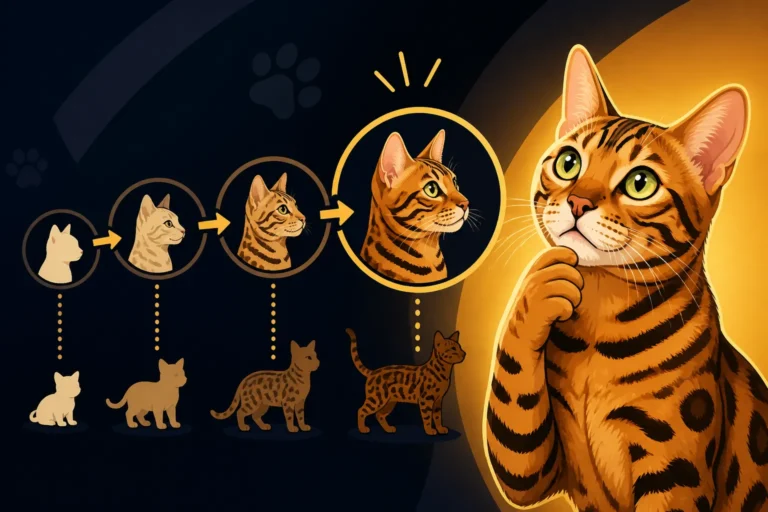
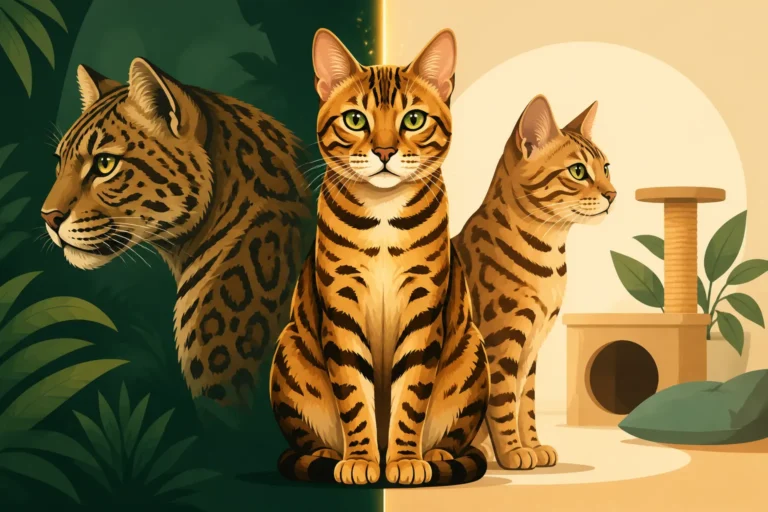
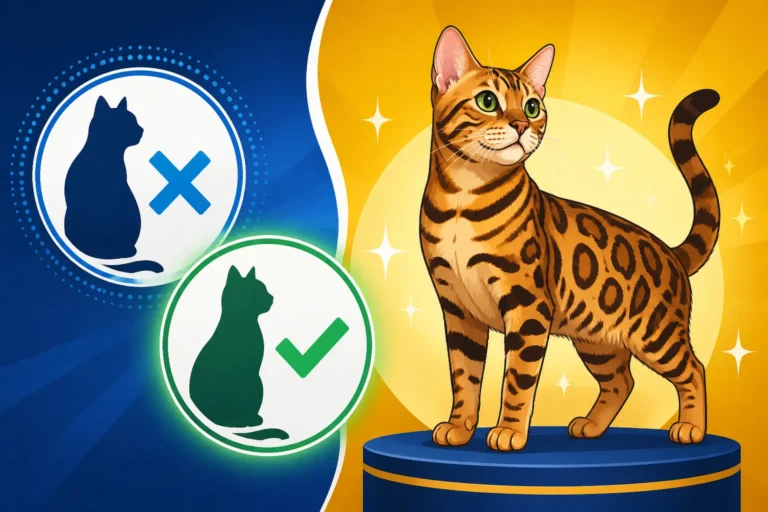
Bengals are easy to recognize in a photo or short video. Their patterned coats, often with rosettes or marbling, stand out against the appearance of many domestic cats. The breed’s sleek coat and muscular frame can also create a dramatic impression, especially in polished images or clips that show a cat leaping, climbing, or playing.
That visual appeal can amplify interest. A person who has never met a Bengal may first encounter one through a video and assume that its striking looks are the main thing they need to know. But appearance cannot tell you whether a particular cat is social, comfortable with children, tolerant of being handled, or suited to a quieter home.
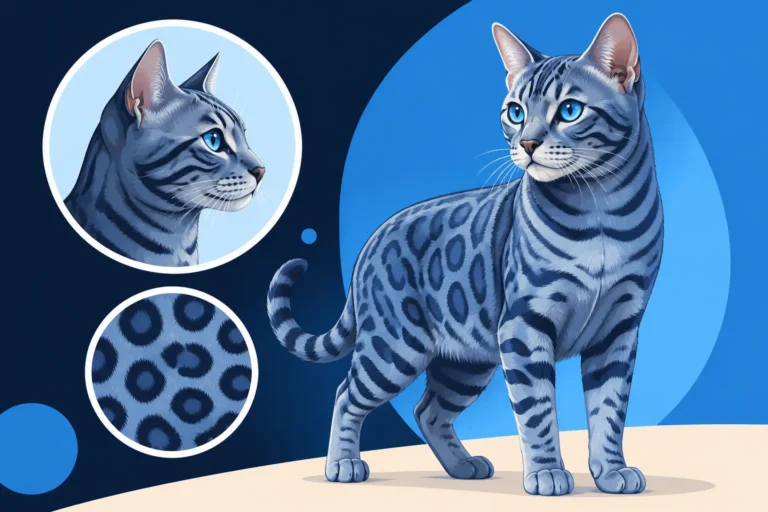
The patterns themselves vary. If a photo has made you curious, it may help to learn Rosetted Against Marbled: The Two Bengal Cat Patterns before assuming every Bengal looks alike. Coat pattern is one part of breed appearance, not a reliable shortcut for predicting personality or care needs.
Their behavior can be captivating and demanding
Bengals are often described as energetic, curious, and interactive. A cat that follows a person from room to room, investigates cupboards, or enthusiastically joins a game can make an engaging companion. Those same behaviors may be tiring if a household expects a pet that is content to nap for most of the day without much interaction.
A short clip may show the fun part—an impressive jump, a clever trick, or a cat playing in water—without showing the daily routine behind it. Many active cats need appropriate play, climbing opportunities, predictable attention, and ways to explore safely. A household that does not plan for those needs may find that “entertaining” behavior becomes persistent nighttime activity, demanding vocalizing, or mischief around the home.
Before deciding that a Bengal is right for you, consider its everyday temperament and needs. What a Bengal Cat's Temperament Is Really Like offers a useful starting point, and How Much Enrichment a Bengal Cat Actually Needs helps turn that appealing energy into a realistic care plan. Popularity should not be mistaken for ease of ownership.
What popularity does not tell you about ownership
A popular breed is not automatically a suitable breed
A breed can be widely admired and still be a poor fit for a particular person. Someone who works long hours, wants a low-interaction pet, or cannot make room for climbing and play may find Bengal ownership challenging. Another household may enjoy the same qualities, especially if its members have time to engage with the cat and are prepared to adapt their home.
It is worth thinking through ordinary days rather than picturing only ideal moments. Who will play with the cat before work? What happens if the cat gets restless in the evening? Are there safe high places, sturdy scratching surfaces, and a plan for keeping doors and windows secure? If the cat is alone for long stretches, what will provide stimulation and companionship?
Those practical questions are more useful than asking whether Bengals are trending. A guide such as Whether a Bengal Cat Is Right for You can help you compare the breed’s needs with your household’s routine. For a prospective owner deciding between a kitten and a calmer adult, Whether a Bengal Cat Kitten Is Worse Than an Adult may also help frame the trade-offs.
Responsible sourcing matters more than a trend
Growing interest can encourage people to look for a kitten quickly. That urgency can make it harder to pause, check a breeder’s practices, and ask about health, socialization, contracts, and the cat’s background. A popular breed label alone does not prove that a kitten is well bred or that the seller is responsible.
Ask to see relevant health information, find out how kittens are raised, and make sure the seller is willing to answer questions without pressuring you to pay immediately. A responsible source should be able to explain the kitten’s care and provide clear records. If you are considering a rescue, ask what is known about the cat’s health and behavior, while recognizing that a rescue’s history may be incomplete.
Be cautious of listings that rely on dramatic photos, vague claims, or unusually rushed arrangements. The guide Which Questions to Ask a Bengal Cat Breeder can help you prepare before contacting a seller. If you are trying to distinguish a registered Bengal from a cat with a similar coat, Whether a Spotted Domestic Shorthair Is a Bengal Cat explains why appearance by itself is not proof of pedigree.
How to assess the trend without getting swept up in it
Compare evidence rather than impressions
A practical way to assess whether Bengal cat popularity is rising is to separate the available evidence into categories. Look at registry information for formal registrations, search data for public curiosity, and local rescue or breeder information for what is happening in a particular area. Avoid treating any one signal as a definitive answer.
| Popularity signal | What it may indicate | What it cannot show on its own |
|---|---|---|
| Breed registrations | Cats recorded by a particular registry | Every Bengal or mix, or interest among people who do not register cats |
| Online searches | Curiosity and attention over time | Actual purchases, adoptions, or long-term ownership |
| Breeder inquiries and waitlists | Demand for a specific breeder or location | Demand across the whole region or country |
| Social-media posts | Visibility and engagement | How common the breed is or whether owners are prepared for its needs |
| Rescue listings | Some cats needing new homes | The overall number of Bengals or the cause of each surrender |
When comparing figures, make sure they refer to comparable locations and time periods. A year with more online interest might not have more registrations; a breeder with a long waitlist may simply have few litters. If sources use different definitions of “Bengal,” their figures may not be directly comparable.
Retail browsing is another weak popularity signal. Seeing Bengal-related products or breed descriptions on a retailer such as Chewy may help you explore supplies, but product availability is not a count of Bengal households. A search result or category page should not be treated as evidence that ownership is increasing.
Use curiosity to plan for the cat, not just the look
If rising attention has introduced you to the breed, use that interest as a reason to learn about daily care. Think about interactive play, safe indoor activity, scratching needs, litter setup, veterinary care, and how the cat may respond to being left alone. Ask current owners what their routine actually looks like, not just what they enjoy about the breed.
You can also make a basic preparation list before contacting a breeder or rescue. Identify a veterinarian, prepare a safe room for the cat’s first days, choose sturdy essentials, and plan how to introduce the cat to any resident pets. Retailers such as Chewy can be one place to compare supplies, but product selection should follow your cat’s needs rather than assumptions based on breed marketing.
Finally, think beyond the arrival period. A Bengal is a long-term commitment, and a kitten’s energy, behavior, and needs may change with age. If you are drawn to the breed because of its appearance, ask yourself whether you would still welcome the cat’s personality and care needs if the novelty of its coat were no longer the main attraction. A second mention of Chewy—or any retailer—does not replace advice from your veterinarian about nutrition, health, or an individual cat’s requirements.
Bengal cat popularity may look different depending on whether you measure registrations, online attention, breeder demand, or local adoption activity. Those signals can help describe interest, but they do not determine whether the breed suits a particular home. The most useful response to growing curiosity is to look past the striking coat and understand the everyday commitment before bringing a cat home.
Disclaimer
This article is for general informational purposes only and does not constitute professional advice. Laws, prices and regulations vary by location and change over time. Consult a qualified professional for guidance on your specific situation.