What Millwood Toby of Delhi Was to the Bengal Cat
When you delve into the captivating lineage of the Bengal cat, it’s easy to focus on the overall story of their wild ancestors and stunning appearance. However, the foundational cats who truly cemented the breed's look and temperament often remain unsung heroes. Understanding the specific contributions of these early pioneers provides a richer appreciation for the vibrant, dynamic Bengal cats we cherish today. This guide will illuminate the pivotal role of one such cat: Millwood Toby of Delhi.
The Vision of Jean Mill and the Genesis of the Bengal Cat
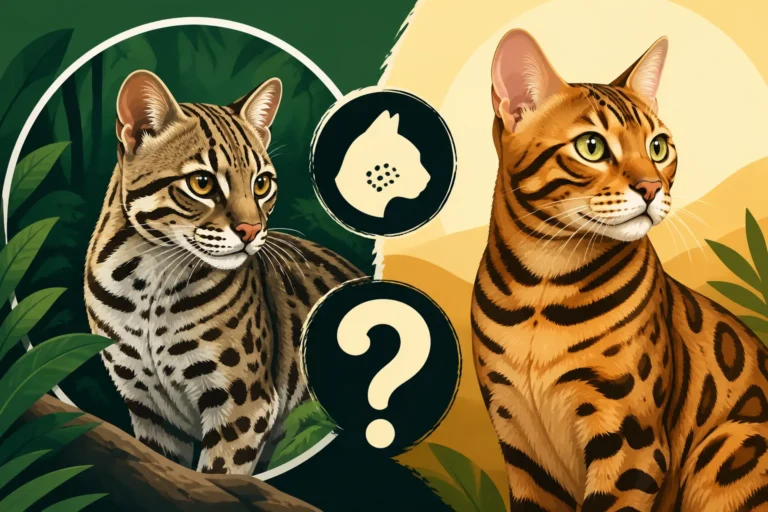
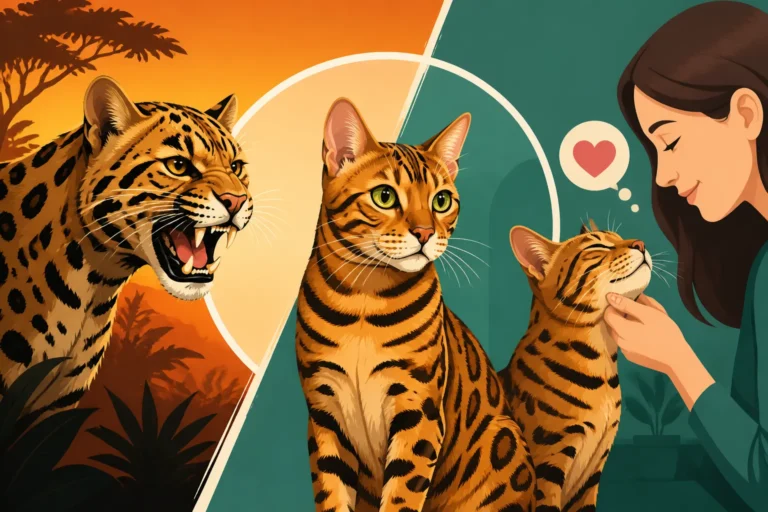
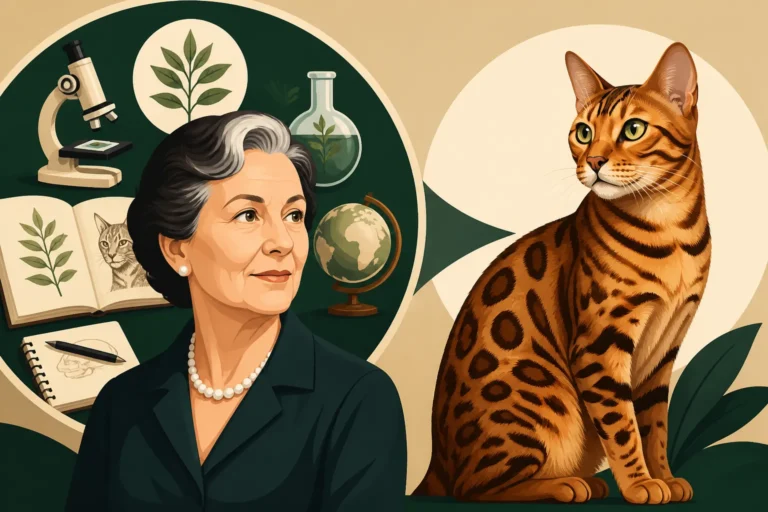
To truly grasp the significance of Millwood Toby of Delhi, we must first understand the ambitious vision of Jean Mill, the pioneering breeder who is widely credited with establishing the Bengal cat breed. Jean Mill began her groundbreaking work in the 1960s, driven by a desire to create a domestic cat with the exotic beauty and markings of a wild feline, specifically the Asian Leopard Cat (ALC), but with the gentle disposition of a housecat. This wasn't merely about aesthetics; Mill was also interested in the purported immunity of wild cats to certain feline diseases, particularly feline leukemia, a concern that also motivated the earlier The Leukemia Research Colony That Founded the Bengal Cat efforts at Loma Linda University.
Mill's initial crosses involved pairing Asian Leopard Cats with various domestic cat breeds, starting a long and often challenging journey. These early generations, known as F1 (first filial) hybrids, were often wilder in temperament and not always suitable as household pets. The goal was to breed down these generations until the cats retained the stunning visual traits of their wild ancestors but possessed the predictable, loving nature of a domestic cat. This process involved careful selection and breeding over several generations, leading to F2, F3, and eventually the SBT (Stud Book Traditional) Bengals, which are fully domestic and can breed true to type. This intricate process of establishing a new breed from a wild hybrid is why understanding How a Bengal Cat's Generation Is Counted is so crucial. Without dedicated breeders like Jean Mill, meticulously tracking lineage and selecting for specific traits, the Bengal cat as we know it simply wouldn't exist. Her work laid the entire foundation upon which cats like Toby would build.
Early Breeding Challenges and Successes
Jean Mill faced immense challenges in the early days of her breeding program. Crossing a wild animal with a domestic one isn't a straightforward task; there were issues with fertility, particularly with early-generation males often being sterile. The temperament of the F1 and F2 cats also varied widely, requiring careful socialization and placement in homes equipped to handle their more wild tendencies. Despite these hurdles, Mill persevered, driven by her vision of a truly extraordinary domestic companion.
Her success wasn't just about creating beautiful cats; it was about selectively breeding for generations that were not only visually striking but also amenable to living in human homes. This meant focusing on traits like sociability, trainability, and a gentle nature, alongside the coveted rosetted patterns and glittering pelts. It was a painstaking process, but her dedication ultimately resulted in the recognition of the Bengal cat by The International Cat Association (TICA) in 1986, a major milestone for the burgeoning breed. You can imagine the excitement and relief in the breeding community When TICA Accepted the Bengal Cat after decades of work. This long journey set the stage for pivotal cats like Millwood Toby to make their indelible mark on the breed's genetic heritage.
Millwood Toby of Delhi: A Cornerstone of the Bengal Look
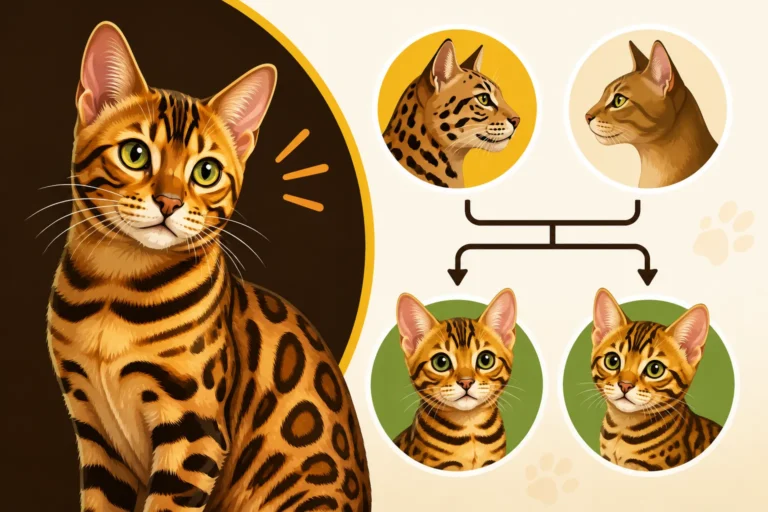
Millwood Toby of Delhi wasn't just another cat in Jean Mill's cattery; he was a game-changer. Born in the late 1970s, Toby emerged from a carefully planned breeding program that sought to refine the Bengal's appearance and consolidate desirable traits. His impact on the breed, particularly in terms of solidifying the characteristic rosetted pattern, cannot be overstated. Before cats like Toby, while many early Bengals had spots, the distinct, multi-toned rosettes that define the breed today were not as consistently present or well-defined.
Toby was recognized for his exceptional pattern and conformation, inheriting the stunning wild look from his Asian Leopard Cat ancestors but within a more domestic framework. He carried the genes that allowed for the expression of vivid, high-contrast rosettes, which became a hallmark of the Millwood line and subsequently, the entire Bengal breed. Breeders meticulously studied and documented cats like Toby, ensuring their unique traits were passed on. This careful genetic management is what differentiates responsible breeding from simply crossing two cats.
Toby's Role in Popularizing Rosettes
The rosetted pattern is perhaps the most iconic feature of the Bengal cat, setting it apart from many other spotted breeds. These aren't just simple spots; true rosettes are patterns where a darker outline encircles a lighter center, much like the markings on a leopard or jaguar. They can be arrowhead, paw-print, or donut-shaped, each highly sought after. Toby was instrumental in consistently producing offspring with these coveted patterns. His genes provided a strong foundation for future generations to display these complex and beautiful markings.
His influence meant that breeders could reliably expect to see these patterns in his progeny, accelerating the development of the breed standard. Without a strong genetic contributor like Toby, achieving the current level of pattern sophistication in Bengals would have taken much longer. His progeny were highly sought after by other breeders who wished to introduce and solidify these rosetted traits into their own lines. This explains why Which Bengal Cat First Showed Rosettes is a question intimately tied to the foundational cats like Toby. His genetic contribution directly led to the widespread presence and refinement of this breathtaking pattern across the breed.
| Trait / Contribution | Description | Impact on Bengal Breed |
|---|---|---|
| Paternal Line | Son of Millwood Penny, a foundational F2 queen. | Connected to early established lines. |
| Pattern | Consistently produced offspring with clear, well-defined rosettes. | Crucial in standardizing the rosetted pattern over simple spots. |
| Temperament | Helped carry forward a more domestic temperament. | Aided in bridging the gap from wild hybrid to domestic pet. |
| Genetic Diversity | Introduced desirable traits into a broader gene pool. | Strengthened overall breed characteristics and health. |
| Legacy | Progeny widely used in early breeding programs. | His influence is still present in many modern Bengal pedigrees. |
Genetic Contribution and Lasting Influence
The impact of Millwood Toby of Delhi extended far beyond his immediate offspring. As one of the early stud cats in a nascent breed, his genetic contributions reverberated through countless pedigrees. Breeders understood the importance of selecting cats that not only met the emerging physical standards but also carried strong, healthy genetic lines. Toby's ability to consistently pass on his desirable traits meant that he became a linchpin in many breeding programs. This careful attention to genetics is why good breeders often share results from comprehensive health panels; it's about ensuring the health and future of the breed, not just current litters.
The foundation laid by cats like Toby helped solidify What a Bengal Cat Looks Like by the Standard for the major registries. Without such strong early contributors, the breed might have developed into a more disparate collection of cats with varying looks, rather than the recognizable and consistent appearance we see today. His bloodline helped establish the genetic blueprint for subsequent generations, influencing everything from coat texture to body type and, of course, those magnificent patterns. Many reputable breeders today still trace their lines back to these early foundational cats, ensuring the enduring legacy of cats like Toby.
Shaping the Bengal Standard for Generations
Toby's influence on the breed standard was profound. His exceptional markings and conformation became a benchmark for what breeders aspired to achieve. When new breeders were looking to establish their own lines, they often sought out progeny from cats like Toby to ensure they were starting with strong genetics that aligned with the developing ideal. This process of selective breeding, continually aiming for improvement against a set standard, is how breeds evolve and maintain their distinct characteristics.
The genetic contributions from cats like Toby are intertwined with the development of specific patterns, colors, and even the unique "glitter" effect seen in many Bengals. For example, understanding What Rosettes and Glitter Add to a Bengal Cat's Price directly relates to the success of breeders like Mill and cats like Toby in making these traits desirable and consistent. When you're seeking supplies for your own Bengal, whether it's specialized food or sturdy toys, you can find a wide variety of options on retailers like Chewy, knowing that the breed's journey was built on the meticulous efforts of individuals who cared deeply about every genetic detail. Many of the traits we see and admire in Bengal cats today, from their luxurious Why a Bengal Cat's Coat Feels Like Nothing Else to their muscular build, can be traced back to the careful genetic selections made possible by cats such as Millwood Toby of Delhi.
Millwood Toby's Place in Modern Bengal Lineage
Even decades later, the shadow of Millwood Toby of Delhi extends into the pedigrees of many modern Bengal cats. While direct lineage might be many generations removed, his genetic influence continues to shape the breed. Reputable Bengal breeders meticulously track their pedigrees, often able to trace their cats back to foundational animals like Toby, who were instrumental in establishing the breed’s defining characteristics. This historical traceability is vital, not just for pride in ancestry, but for understanding potential genetic strengths and weaknesses within a line.
When breeders discuss desired traits like "wild look" or "outstanding rosettes," they are often referring to the very qualities that cats like Toby helped to institutionalize. His legacy is a testament to the power of selective breeding and the lasting impact of a few exceptional animals on an entire breed. For anyone passionate about Bengals, understanding these historical figures is like appreciating the roots of a magnificent tree—it deepens the appreciation for the vibrant, thriving breed we have today. Finding high-quality pet supplies for these athletic, intelligent cats is easier than ever, with a vast selection available from online stores like Chewy, catering to their specific needs, from How Much a Bengal Cat Eats to Fuel That Activity to finding engaging enrichment toys.
The Enduring Legacy in Pedigrees
Breeders understand that genetics are the bedrock of any successful breeding program. The careful selection of breeding cats, with an eye towards improving the breed while maintaining health and temperament, is paramount. Millwood Toby of Delhi represents a critical node in the Bengal cat's genetic tree, a point where certain desirable traits were amplified and solidified. His offspring went on to become significant breeders themselves, carrying his genetic legacy forward.
Today, when you look at the stunning rosetted patterns on a show-quality Bengal, or marvel at their sleek, wild appearance, you are, in a very real sense, seeing the fruits of efforts from cats like Toby. This connection to the past is what gives the Bengal breed its rich history and ensures that the qualities that first captivated Jean Mill and subsequent breeders continue to flourish. This is also why responsible breeders emphasize transparency in their pedigrees and health screenings, wanting to ensure the longevity and vitality of their lines, a lineage that can often be traced back to these crucial early contributors. Even in an age where information is at our fingertips and you can buy practically anything for your cat from Chewy, the foundational work of these early cats remains truly invaluable.
Disclaimer
This article is for general informational purposes only and does not constitute professional advice. Laws, prices and regulations vary by location and change over time. Consult a qualified professional for guidance on your specific situation.