Which Cancers a Bengal Cat Gets
It can be truly heartbreaking and utterly terrifying to see your beloved, energetic Bengal cat start showing subtle signs of illness, only to discover it might be something as serious as cancer. The fear of the unknown, coupled with the overwhelming financial and emotional burden that can come with a diagnosis, is a deeply isolating experience for many pet parents. This comprehensive guide aims to shed light on the types of cancer Bengal cats can get, how to spot the early warning signs, and what steps you can take to give your furry friend the best chance at a healthy, vibrant life.
Understanding Cancer in Bengal Cats: A Unique Perspective
When we think of Bengal cats, we often picture their wild beauty, incredible athleticism, and boundless energy. It's easy to assume such a robust and active breed might be immune to the health challenges faced by other cats, but sadly, cancer doesn't discriminate. While Bengals are generally considered a healthy breed, they are not impervious to the various forms of cancer that can affect felines. Understanding the general landscape of cancer in cats, and then narrowing it down to what might be specifically relevant for your Bengal, is the first crucial step in proactive care.
Why Bengal Cats Aren't Immune to Feline Cancer
Despite their impressive lineage and vigorous activity levels, Bengal cats, like all domestic cats, carry the same genetic predispositions to cancer that have evolved over millennia alongside their wild ancestors and through selective breeding. The domestication process, coupled with environmental factors, means that even a cat with a strong, "wild" appearance can develop serious illnesses. Their active nature can sometimes even mask symptoms for longer, as their baseline energy is so high that a slight dip might go unnoticed until the disease is quite advanced. This makes it especially important for Bengal owners to be acutely aware of any changes, no matter how minor they seem. It's not about them being more prone to cancer than other breeds, but rather recognizing that their unique characteristics don't grant them immunity.
Common Feline Cancer Types Across Breeds
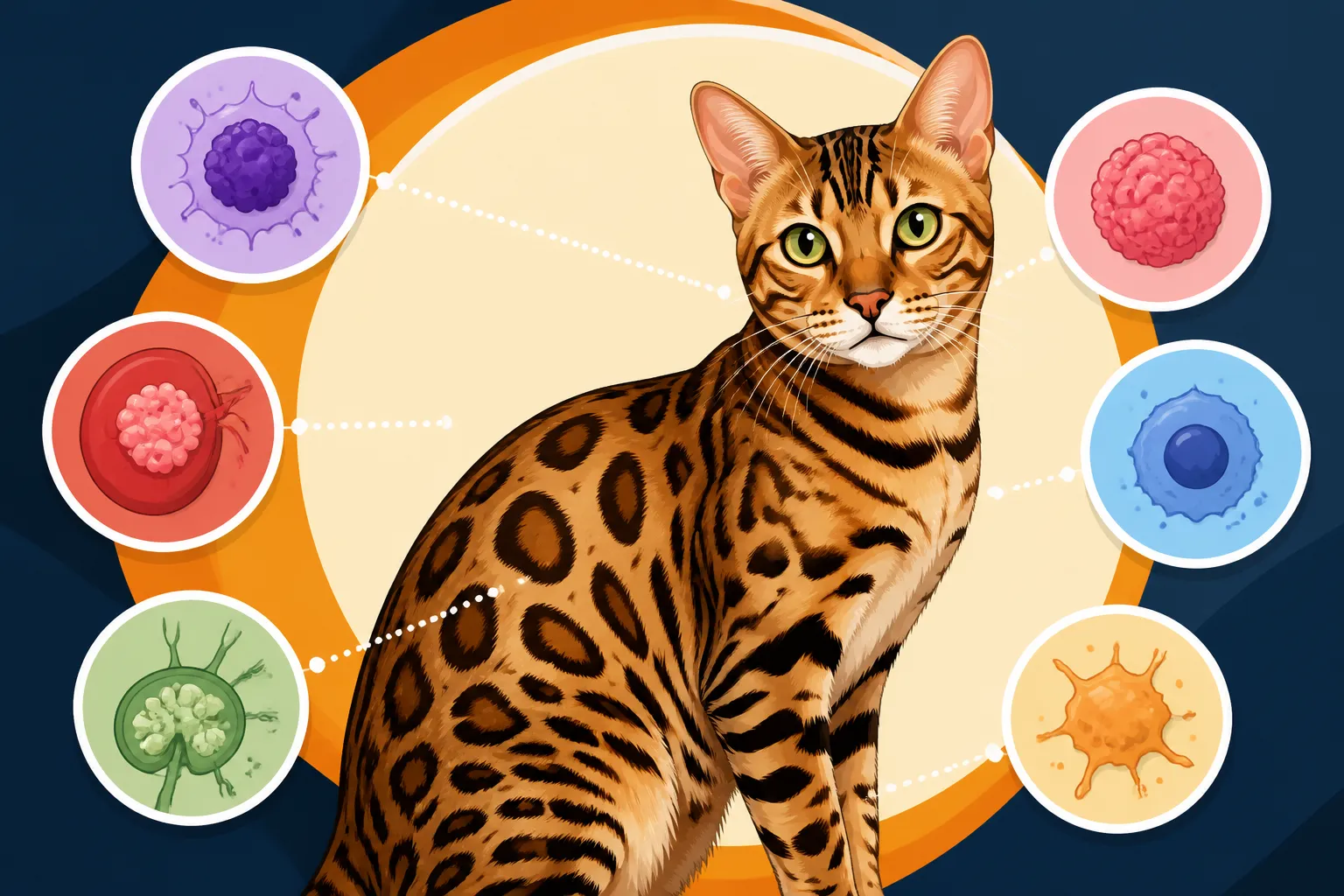
Before delving into specifics for Bengals, it's helpful to understand the most common cancers seen in the wider feline population. Lymphoma is arguably the most frequently diagnosed cancer in cats, affecting the lymph nodes, gastrointestinal tract, or other organs. Squamous cell carcinoma, particularly in the mouth or on sun-exposed skin, is another significant concern. Mammary gland tumors are common in unspayed female cats, and fibrosarcomas, especially those linked to injection sites, can also occur. Osteosarcoma (bone cancer) and various types of skin tumors are also present in the feline cancer landscape. While the precise prevalence varies slightly by breed, these are the general categories your vet might discuss regardless of your cat's specific background.
Specific Cancers Bengal Cats May Encounter
While Bengal cats don't have a distinct "Bengal-specific" cancer, they are susceptible to the same range of cancers as any other cat, with some types being more prevalent in the general feline population and thus, in Bengals too. Given their active lifestyle and sometimes secretive nature, recognizing these can be challenging but critical.
Lymphoma: A Common and Varied Foe
Lymphoma is unfortunately a very common cancer in cats, and Bengal cats are no exception. This cancer arises from lymphocytes, a type of white blood cell, and can manifest in many different forms, making it notoriously tricky to diagnose without specific tests. You might hear about gastrointestinal lymphoma, mediastinal lymphoma (affecting the chest cavity), renal lymphoma (kidneys), or even multicentric lymphoma, which impacts lymph nodes throughout the body.
For a Bengal with gastrointestinal lymphoma, you might notice chronic diarrhea, vomiting, weight loss, or a decreased appetite. These signs can be subtle at first, easily mistaken for a sensitive stomach or a temporary upset. However, if your Bengal is experiencing persistent digestive issues, especially given that many Bengals have a Why a Bengal Cat's Gut Is So Sensitive that can lead to Chronic Diarrhea Is the Bengal Cat Complaint Nobody Warns About, it's crucial not to dismiss it as "just how they are." A Bengal with chest lymphoma might show signs like coughing, difficulty breathing, or lethargy, which could be attributed to anything from an infection to asthma. The insidious nature of lymphoma means that regular veterinary check-ups are paramount, even if your cat seems healthy on the surface.
Feline Injection Site Sarcomas: A Concern for Vaccinations
Feline injection site sarcomas (FISS) are aggressive tumors that can develop at the site of certain injections, most commonly vaccinations. While relatively rare, the severity of these tumors makes them a significant concern. The exact cause is still debated, but it's believed that chronic inflammation at the injection site in genetically predisposed cats can lead to cancerous changes.
For Bengal owners, this highlights the importance of discussing vaccination protocols with your veterinarian. Vets often recommend injecting vaccines in specific, easily removed locations (like a limb) and documenting the exact site. If your Bengal develops a lump at an injection site that persists for more than three months, is larger than 2 cm, or increases in size one month after injection, it needs immediate veterinary attention. Don't hesitate to ask your vet about needle-free injection options or alternative vaccine formulations if you are concerned. These proactive discussions can help mitigate risks while ensuring your Bengal receives necessary preventative care.
Mammary Gland Tumors: Especially for Intact Females
Mammary gland tumors are another type of cancer frequently seen in cats, with a higher incidence in unspayed females. Unfortunately, about 85-90% of mammary tumors in cats are malignant, making early detection and prompt intervention critical. These tumors can appear as small, firm lumps under the skin of the abdomen, usually near the nipples.
If you have an intact female Bengal cat, regular physical examinations at home are incredibly important. Gently palpate her mammary glands and belly area for any unusual lumps or bumps. Early spaying significantly reduces the risk of mammary tumors, often by over 90% if performed before the first heat cycle. Even if your Bengal is older, discuss spaying with your vet as it can still offer health benefits beyond cancer prevention. Any suspicious lump should be examined by a veterinarian without delay.
Other Cancers: Skin, Bone, and Oral Cavity
Beyond the more common types, Bengal cats can also develop other forms of cancer, though they may be less frequent.
- Skin Cancers: Squamous cell carcinoma is a nasty one, often appearing on areas with less fur or lighter pigmentation, like ear tips, eyelids, or noses, especially in cats that enjoy sunbathing. Keep an eye out for non-healing sores, crusty patches, or red, irritated areas. Basal cell tumors are generally less aggressive but still warrant attention. Given that many Bengals love to explore sunny spots, monitoring their skin is a good habit.
- Bone Cancers (Osteosarcoma): While less common than in dogs, osteosarcoma can affect cats, including Bengals. Signs can include lameness, swelling in a limb, or unexplained pain. Because Bengals are so agile and often jump from heights, any persistent limping or reluctance to jump should be investigated, as it could be an injury, but it's vital to rule out more serious issues.
- Oral Cavity Cancers: These cancers can be particularly aggressive and hard to spot until they're quite advanced. Signs might include difficulty eating, drooling, bad breath, weight loss, or bleeding from the mouth. Given that Whether a Bengal Cat Gets Dental Disease is a concern for all cats, maintaining good oral hygiene and having regular dental check-ups can help vets spot issues early.
Recognizing the Subtle Signs of Illness in Your Energetic Bengal
Bengal cats are notoriously good at hiding pain and illness, a trait inherited from their wild ancestors. Their high energy and playful nature can easily mask the early signs of cancer, making it even more challenging for owners to detect a problem until it's more advanced. Being vigilant and knowing what to look for is crucial for any Bengal cat owner.
Behavioral Changes: More Than Just a Bad Day
The first indications that something is amiss with your Bengal often appear as subtle shifts in their behavior. This isn't just a Bengal being a Bengal; it's a deviation from their normal.
- Lethargy or Decreased Activity: This is perhaps the most common, yet easily overlooked, sign. Your usually bouncing-off-the-walls Bengal might be sleeping more, playing less, or showing less enthusiasm for their favorite toys or walks. While it's true that An Aging Bengal Cat Slows Down after ten years, a sudden or significant drop in energy in a younger cat is a red flag. They might still engage in short bursts of play, but the overall duration and intensity decrease.
- Changes in Appetite or Thirst: Has your Bengal suddenly become picky, or are they eating less than usual? Or, conversely, are they ravenously hungry but still losing weight? Increased thirst, paired with more frequent urination, can also be a symptom of various health issues, including certain cancers or kidney problems. Pay attention to their food and water bowls, and note any changes in consumption patterns.
- Hiding or Withdrawal: While Bengals love attention, a sick cat's instinct is often to hide. If your typically social Bengal starts spending more time alone, in unusual hiding spots, or becomes unusually irritable or avoids interaction, this warrants investigation. Remember that Why a Bengal Cat Hides Pain, and this withdrawal is a classic manifestation of that instinct.
- Changes in Litter Box Habits: Any changes in urination or defecation—such as straining, more frequent trips, accidents outside the box, or noticeable changes in stool consistency (like persistent diarrhea or constipation)—should be taken seriously. This is especially true for gastrointestinal cancers or issues affecting the bladder.
Physical Manifestations: What to Look and Feel For
Beyond behavioral shifts, there are physical signs you can look for during your regular interactions with your Bengal. This is where your hands become powerful diagnostic tools.
- Lumps, Bumps, or Swellings: Develop a habit of gently petting and feeling your Bengal all over their body. Pay close attention to their neck, armpits, groin, and abdomen where lymph nodes are located, and along their mammary chains if you have an unspayed female. Any new lump, bump, or area of swelling that wasn't there before, or one that changes in size or texture, needs veterinary attention. Don't assume a lump is harmless; always get it checked.
- Weight Loss: Unexplained weight loss, even if your cat is eating normally, is a significant concern. Cancer often causes the body to burn more calories or interferes with nutrient absorption. Regularly weighing your Bengal can help you catch subtle shifts before they become obvious.
- Persistent Vomiting or Diarrhea: While occasional digestive upset can happen, chronic or recurring vomiting and diarrhea are not normal. As discussed, these can be key indicators of gastrointestinal lymphoma or other abdominal cancers.
- Difficulty Breathing, Coughing, or Lethargy: These symptoms can point to lung cancer, mediastinal lymphoma, or even fluid accumulation in the chest cavity caused by cancer. If your Bengal is breathing hard or making unusual respiratory noises, it's an emergency.
- Sores That Don't Heal: Any wound, lesion, or sore on the skin or in the mouth that doesn't heal within a couple of weeks, or seems to worsen, could be a sign of skin or oral cancer. Be particularly vigilant around their ears, nose, and mouth.
When to Get Your Vet Involved
It's natural to be a little anxious about every little change, but the rule of thumb is: if you're concerned, it's always better to be safe than sorry. Don't wait. If you notice any of the persistent behavioral or physical changes mentioned above, especially if they last for more than a day or two, or if your Bengal suddenly seems in acute distress, pick up the phone and call your vet immediately. Early detection significantly impacts the success of many cancer treatments, offering a much better prognosis. A prompt visit could be the difference between a treatable condition and a more advanced, challenging one.
The Diagnostic Journey: Uncovering the Truth
Once you've noticed something is off with your Bengal and you've decided to seek veterinary help, you're embarking on a diagnostic journey. This process can feel daunting, filled with tests and waiting, but each step is vital in understanding what's happening with your beloved cat. It's about getting a clear picture so the best possible treatment plan can be formulated.
Initial Veterinary Examination and Bloodwork
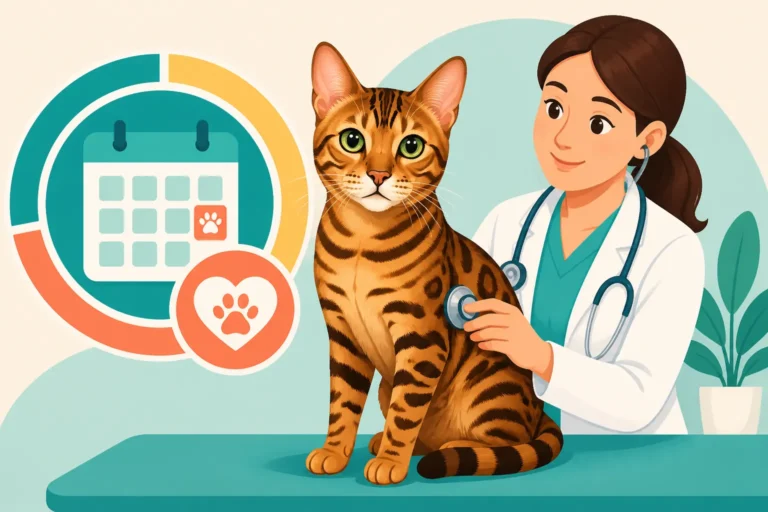
Your vet will start with a thorough physical examination. They'll feel for lumps, check lymph nodes, listen to your Bengal's heart and lungs, and assess their overall condition, hydration, and energy levels. They'll also ask you a lot of questions about your cat's history, diet, and any changes you've observed. This is your chance to relay every detail, no matter how small it seems.
Often, the next step involves routine bloodwork and urine tests. A What a Bengal Cat's Yearly Bloodwork Should Cover typically includes a Complete Blood Count (CBC) and a biochemistry panel. The CBC can reveal abnormalities in white blood cell counts (like those seen with lymphoma or infection), red blood cell counts (anemia, which can be a sign of internal bleeding or chronic disease), and platelet counts. The biochemistry panel assesses organ function (kidneys, liver), blood sugar, and electrolyte levels, which can provide clues about overall health and the impact of a disease process. For example, some cancers can affect kidney or liver function, showing up as elevated enzyme levels. While bloodwork doesn't directly diagnose cancer, it can indicate systemic illness and help guide further investigation.
Advanced Imaging and Biopsy Procedures
If the initial exam and bloodwork suggest a deeper problem, your vet will likely recommend more advanced diagnostics.
- Imaging: X-rays (radiographs) can show abnormalities in the chest (lungs, heart, lymph nodes) or abdomen, and can detect bone tumors. Ultrasound is excellent for visualizing soft tissues and organs like the liver, spleen, kidneys, and gastrointestinal tract, allowing the vet to identify masses, fluid, or enlarged lymph nodes. For more detailed images, especially of complex areas like the brain or spine, or to precisely stage a cancer, a CT scan or MRI might be recommended. These imaging techniques help pinpoint the location and extent of any potential tumors.
- Biopsy and Cytology: The only definitive way to diagnose cancer is through a biopsy or cytology.
- Cytology involves taking a fine needle aspirate (FNA) of a mass, where a small needle is inserted into the lump to collect cells, which are then examined under a microscope. This is less invasive and can often be done with minimal sedation.
- Biopsy involves surgically removing a small piece of the suspicious tissue (incisional biopsy) or the entire mass (excisional biopsy) for histopathological examination by a veterinary pathologist. This provides more tissue for analysis and can give a more accurate diagnosis and grading of the tumor. Whether a Bengal Cat Needs a Pre Surgery Workup is always a good question to ask before any procedure requiring anesthesia.
The results of these tests are crucial. They not only confirm the presence of cancer but also identify its specific type, grade (how aggressive it is), and stage (how far it has spread). This information is paramount for determining the best course of action and understanding the prognosis.
Genetic Factors and Their Role
While there isn't a single "cancer gene" for Bengal cats like there is for some other inherited conditions, genetic predispositions can play a role in how susceptible an individual cat is to developing certain cancers. For instance, some lines might have a higher incidence of specific issues, and reputable breeders strive to minimize these risks by health testing their breeding cats.
It's also worth noting that some Bengal cats carry other known genetic health conditions such as HCM Is What Kills Bengal Cats Early or Pyruvate Kinase Deficiency in a Bengal Cat. While these aren't cancers themselves, a cat dealing with one chronic illness might have a compromised immune system or be more vulnerable to other health challenges, including cancer. Understanding your cat's full health history, including their genetic background from the breeder, can provide valuable context during diagnosis.
Navigating Treatment Options and Understanding Prognosis
Receiving a cancer diagnosis for your Bengal can feel like a punch to the gut. The immediate concern is, "What do we do now?" Thankfully, veterinary oncology has made incredible strides, offering various treatment options that can extend quality of life and, in some cases, achieve remission or even a cure. The best approach will depend heavily on the type of cancer, its stage, your cat's overall health, and your family's preferences.
Conventional Cancer Therapies: Surgery, Chemo, Radiation
Just like in human medicine, the primary conventional treatments for feline cancer include surgery, chemotherapy, and radiation therapy.
- Surgery: For solid tumors that haven't spread extensively, surgical removal is often the first and most effective option. This could involve removing the tumor itself, surrounding tissue, or even an affected organ (like a mammary gland or a part of the intestine). For feline injection site sarcomas, aggressive and wide surgical margins are often necessary due to their invasive nature. The goal is to remove all cancerous cells to prevent recurrence. Recovery from surgery can vary, but Bengals are often resilient, though a quiet period of healing will be necessary.
- Chemotherapy: This involves using drugs to kill cancer cells throughout the body. Unlike humans, cats generally tolerate chemotherapy much better, experiencing fewer severe side effects. Chemotherapy is often used for systemic cancers like lymphoma, or as an adjunctive treatment after surgery to kill any remaining microscopic cancer cells. It can be administered orally at home or through injections at the veterinary clinic. Your vet will monitor your Bengal closely for any side effects, which might include temporary loss of appetite or mild digestive upset.
- Radiation Therapy: This uses high-energy radiation beams to target and destroy cancer cells while minimizing damage to surrounding healthy tissue. It's often used for localized tumors that cannot be surgically removed or for residual cancer cells after surgery. Radiation therapy typically requires multiple sessions, often with the cat under general anesthesia for each treatment, which can be a logistical and financial consideration.
Many times, a multi-modal approach combining two or even all three of these therapies offers the best outcome. Your veterinary oncologist, a specialist in cancer treatment, will guide you through these complex decisions, weighing the benefits against the potential risks and side effects. Unexpected veterinary bills, especially for specialized treatments like these, can be a huge stressor. This is where pet insurance, such as a plan from Healthy Paws, can be an absolute lifesaver, helping to cover a significant portion of these costs and allowing you to focus on your cat's care rather than the financial strain.
Palliative Care and Quality of Life Considerations
Sometimes, cancer is too advanced, too aggressive, or your Bengal's overall health might not tolerate extensive treatments. In these heartbreaking situations, the focus shifts to palliative care. This isn't about giving up; it's about prioritizing your Bengal's comfort and quality of life for the time they have left.
Palliative care aims to manage pain, nausea, loss of appetite, and other symptoms to ensure your cat remains as comfortable and happy as possible. This might involve pain medication, anti-nausea drugs, appetite stimulants, nutritional support, and fluids. It's about cherishing every moment and ensuring their days are filled with love, warmth, and as little discomfort as possible. This is also where the decision about when it's time to say goodbye becomes agonizing, and your vet will help you evaluate your Bengal's quality of life using objective measures and empathetic guidance. Having a good pet insurance policy, like those offered by Healthy Paws, can even help with the costs associated with palliative care, making it easier to provide every comfort for your beloved pet.
The Importance of Early Detection for a Better Outcome
The prognosis for feline cancer is highly variable and depends on numerous factors, including the type of cancer, its stage, the cat's age and overall health, and the chosen treatment plan. However, one factor consistently improves the outcome: early detection.
Catching cancer in its early stages, before it has had a chance to grow large or spread to other parts of the body, often means that surgical removal is more successful, chemotherapy is more effective, and the overall chance of remission or a cure is significantly higher. This reinforces the importance of knowing How Often a Bengal Cat Needs a Wellness Exam and maintaining those regular check-ups. The sooner a suspicious lump is biopsied, or persistent symptoms are investigated, the better the chances for your Bengal. Don't underestimate the power of your keen observation skills as a pet parent; you are your Bengal's first line of defense.
Proactive Care and Supporting Your Bengal Through Cancer
Even with all the treatments and diagnostics available, the best approach is always prevention and proactive care. While not all cancers are preventable, there are many steps you can take to minimize risks and ensure your Bengal cat lives the healthiest, happiest life possible, even if they do face a cancer diagnosis.
Regular Check-ups and Preventative Measures
One of the most powerful tools in your arsenal for protecting your Bengal cat's health is consistent veterinary care. Regular wellness exams allow your vet to thoroughly assess your cat, noting any subtle changes that you might miss. For instance, Caring for a Bengal Cat Past Ten becomes especially important as cancer risk can increase with age, and these check-ups help monitor the signs of aging and potential illness.
Here's how proactive vet visits play a role:
- Comprehensive Physical Exams: Your vet can detect lumps, enlarged lymph nodes, or other abnormalities that might escape your notice.
- Vaccination Protocol Reviews: Discussing and adhering to current vaccination guidelines, using safe injection practices, and spacing out vaccinations can reduce the risk of Feline Injection Site Sarcomas.
- Dental Health: Regular dental check-ups, and professional cleanings if needed, are crucial for preventing Whether a Bengal Cat Gets Dental Disease, which can sometimes mask or even contribute to oral cancers.
- Spaying/Neutering: Spaying female Bengals early significantly reduces the risk of mammary gland tumors and eliminates the risk of uterine or ovarian cancers. Neutering male cats can prevent testicular cancer, though this is less common.
Nutritional Support and Lifestyle Adjustments
A healthy lifestyle and a balanced diet play a significant role in supporting your Bengal cat's immune system and overall well-being, potentially making them more resilient to disease.
- High-Quality Diet: Provide a high-quality, species-appropriate diet. Many Bengal owners debate The High Protein Argument for a Bengal Cat, but a diet rich in appropriate protein and essential nutrients supports strong immune function. Discuss dietary needs with your vet, especially if your cat has a sensitive stomach or other health concerns.
- Weight Management: Keeping your Bengal at a healthy weight prevents obesity, which is a known risk factor for various health problems, including some cancers. A What a Healthy Bengal Cat Weighs guide can help you maintain their ideal physique.
- Environmental Enrichment: A stimulating environment that allows your Bengal to express their natural behaviors can reduce stress, which can also impact immune health. Provide plenty of vertical space, interactive toys, and opportunities for play. A catio, as explored in Why a Catio Is the Answer to a Bengal Cat, offers safe outdoor access and enrichment without the risks of free-roaming.
- Sun Protection: For Bengals with lighter fur or pigmentation, limiting prolonged exposure to direct sunlight can help reduce the risk of sun-induced skin cancers. Consider applying pet-safe sunscreen to vulnerable areas if they are avid sunbathers.
Emotional Support for Both You and Your Bengal
A cancer diagnosis impacts not just your Bengal, but you as well. It's an emotional rollercoaster, and it's okay to feel overwhelmed.
- Creating a Calm Environment: Cats are sensitive to stress, and a Bengal going through cancer treatment needs a calm, predictable home environment. Maintain routines as much as possible, provide quiet spaces, and offer gentle reassurance.
- Monitoring Quality of Life: During treatment or palliative care, continuously monitor your Bengal's quality of life. This involves assessing their appetite, activity levels, pain, and enjoyment of daily life. Resources like The Twelve to Sixteen Years a Bengal Cat Gets and What Changes in a Bengal Cat After Ten can provide a general framework for lifespan and age-related changes, but your individual cat's well-being is the ultimate guide.
- Seeking Support: Don't hesitate to lean on your veterinary team for emotional support and clear communication. They can provide realistic expectations and help you navigate difficult decisions. Connecting with online forums or support groups for pet owners dealing with feline cancer can also provide comfort and shared experiences.
While no one wants to imagine their vibrant Bengal facing cancer, being informed and proactive offers the best chance at a positive outcome. Remember, Whether the Bengal Cat Is a Healthy Breed often depends on the dedicated care and vigilance of their human companions.
Final Thoughts and Key Takeaways
Living with a Bengal cat is an incredible adventure, full of playful antics, deep bonds, and endless purrs. Part of that adventure, as with any beloved pet, includes being their advocate for health, especially when facing something as challenging as cancer. While Bengal cats aren't predisposed to any unique types of cancer, they are susceptible to the same range of conditions that affect all felines, making your vigilance and proactive care absolutely essential.
From understanding the varied presentations of lymphoma to recognizing the potential risks of injection site sarcomas or mammary tumors, knowledge is truly power. Remember those subtle shifts in behavior—a slight dip in their boundless energy, a change in appetite, or a newfound desire to hide—are often your earliest clues. Trust your instincts, and if you're ever in doubt, reach out to your veterinarian. Early detection through regular check-ups, prompt investigation of symptoms, and a partnership with your vet are the cornerstones of successfully managing any potential cancer diagnosis.
Disclaimer
The information provided in this article is intended for general knowledge and informational purposes only, and does not constitute medical advice. Always consult with a qualified veterinarian or animal healthcare professional for any health concerns or before making any decisions related to your Bengal cat's health or treatment.