Whether an Aging Bengal Cat Gets Stiff
It's incredibly disheartening when you start to notice your once incredibly agile and energetic Bengal cat slowing down, perhaps struggling with jumps they used to nail effortlessly, or moving with a stiffness that just wasn't there before. Many of us Bengal owners worry about our feline companions as they age, especially given their naturally athletic build and high activity levels. This guide is here to shed light on whether an aging Bengal cat gets stiff, why it happens, and crucially, what you can do to support them through their golden years, helping them maintain as much comfort and zest for life as possible.
Understanding Mobility Changes in the Aging Bengal Cat
As our beloved Bengal cats transition from their wildly active younger years into the realm of seniority, it’s natural for their bodies to undergo changes. We see it in ourselves, and our pets are no different. What makes it particularly noticeable with Bengals is their inherent athleticism, which means any subtle shift in their mobility can feel quite pronounced to an observant owner.
The Active Nature of Bengals and How Age Impacts It
Bengal cats are renowned for their boundless energy, their incredible jumping prowess, and their seemingly endless capacity for play. They are the ultimate feline athletes, always ready for a chase, a climb, or an intricate game of fetch. Their wild heritage, deeply ingrained in their genetics, means they are wired for movement, exploration, and hunting. This makes the physical signs of aging, like stiffness, particularly poignant. A young Bengal cat might spend hours running on their cat wheel or scaling the highest cat tree with effortless grace. You might remember thinking, "Will this cat ever slow down?" The truth is, they do, eventually.
When a Bengal cat starts to get older, typically around the time they are considered senior, which is often around The Age a Bengal Cat Is Considered Senior, their once-fluid movements might become a little more deliberate, a jump a little less high. This isn't just about their energy levels declining; it's often a physical manifestation of discomfort. The wear and tear on joints and muscles over years of high-impact activity can begin to take its toll. It’s not just a physical change; it can be a mental one too, as a cat that once revelled in climbing to the highest perch might now feel frustrated or anxious about their diminished capabilities. It's a significant shift from their peak performance, and it requires our understanding and proactive support.
Common Causes of Stiffness in Senior Felines
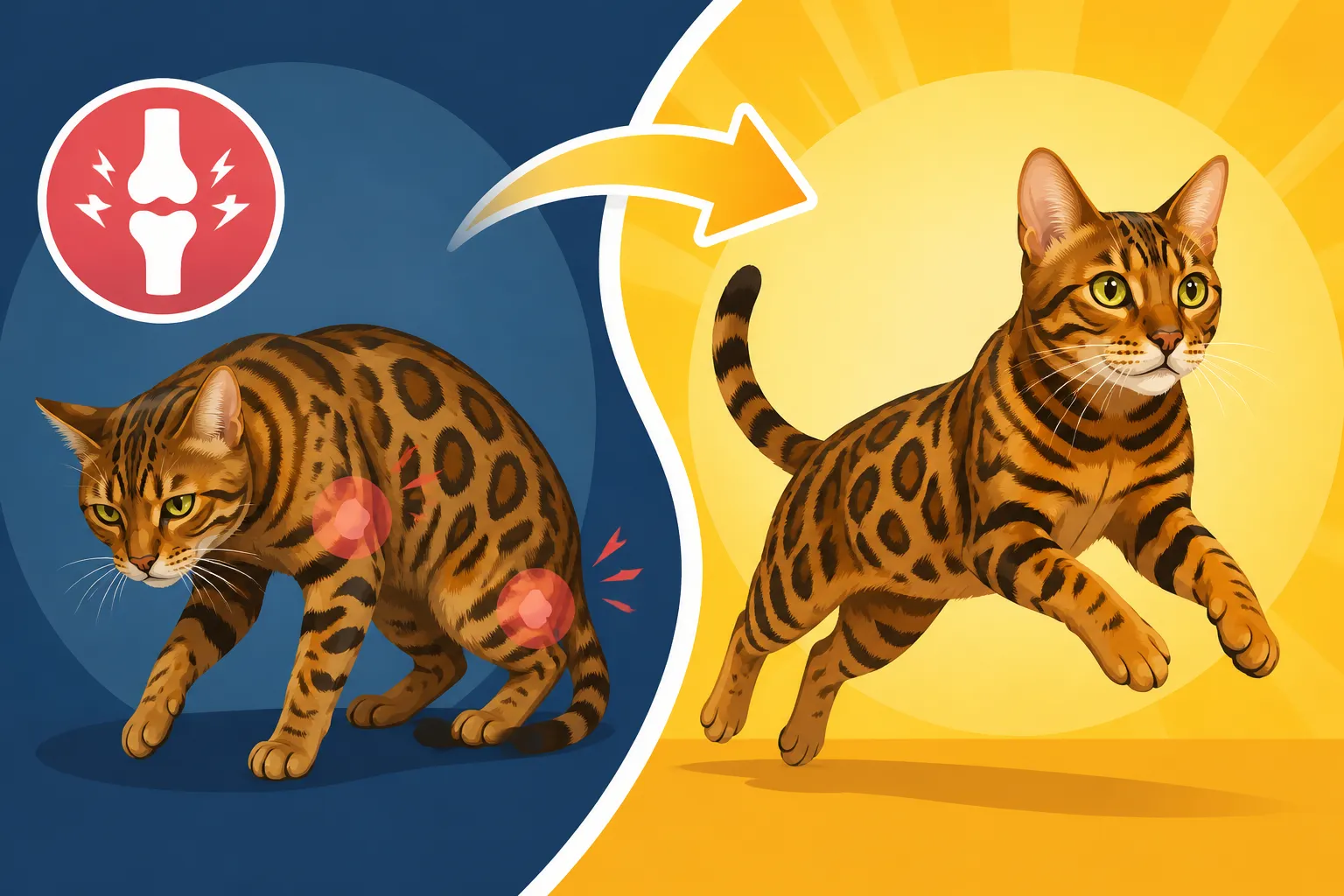
Stiffness in older cats, including our majestic Bengals, is most frequently linked to musculoskeletal issues, primarily arthritis. Just like humans, a cat's joints can degenerate over time. The smooth cartilage that cushions the bones at the joints starts to wear thin, leading to bone-on-bone friction, inflammation, and pain. This condition is often referred to as osteoarthritis or degenerative joint disease. It's a chronic, progressive condition that can affect any joint but is commonly seen in the hips, knees, elbows, and spine.
Beyond arthritis, other factors contribute to stiffness:
- Muscle Atrophy: As cats age, they tend to lose muscle mass, a process known as sarcopenia. Less muscle support means more strain on joints and often results in weakness and a general appearance of stiffness. You might notice Why an Old Bengal Cat Loses Muscle First as they become less active.
- Decreased Flexibility: The connective tissues, ligaments, and tendons can become less elastic with age, reducing the overall range of motion in joints and making movements feel tighter or more restricted.
- Obesity: While Bengals are typically lean, some older cats can become overweight if their activity levels drop but their food intake doesn't. Excess weight puts additional stress on joints, exacerbating arthritis and discomfort.
- Other Underlying Health Conditions: Less common but still possible, other health issues like certain neurological conditions, disc disease, or even some cancers can manifest as stiffness or changes in gait. This is why a vet check is always paramount when you observe changes.
Understanding these common culprits helps us appreciate that stiffness isn't just "part of getting old"; it's a symptom that can often be managed to improve our cat's quality of life.
Recognizing the Subtle Signs of Stiffness in Your Bengal
Bengal cats are masters of disguise when it comes to pain. Their wild instincts teach them to hide weakness, as showing vulnerability in the wild could make them a target. This means that by the time we notice overt signs of stiffness or pain, they might have been coping with discomfort for quite some time. Learning to spot the subtle clues is crucial for early intervention and effective management.
Behavioral Clues: What to Watch For
The most common indicators of stiffness in an aging Bengal are often behavioral. You might not see them limping outright, but rather exhibiting changes in their normal routine or preferred activities.
- Reluctance to Jump or Climb: This is a big one for Bengals. If your cat used to effortlessly leap onto counters, shelves, or the top of their Which Cat Tree a Bengal Cat Needs, but now pauses, hesitates, or chooses lower alternatives, it's a strong sign. They might still attempt jumps but land awkwardly or struggle more.
- Changes in Play: While Whether an Aging Bengal Cat Slows Down is a natural part of life, a significant decrease in their enthusiasm for play, shorter play sessions, or favoring certain movements during play could indicate discomfort.
- Altered Grooming Habits: Stiffness, especially in the spine or hips, can make it difficult for a cat to twist and reach all areas of their body. You might notice matted fur, particularly around the lower back, tail, or hind legs, indicating they can't groom themselves as effectively.
- Litter Box Issues: If your Bengal suddenly starts urinating or defecating outside the litter box, especially if it’s a high-sided one, it could be that getting in and out has become painful. They might seek easier access elsewhere.
- Increased Irritability or Hiding: A cat in pain might become less tolerant of being handled, especially in sensitive areas, or might start to withdraw and hide more than usual. This is a common way How a Bengal Cat Hides Pain from us.
- Difficulty Using Stairs: Watching them navigate stairs can be telling. Are they taking them one step at a time instead of bounding up and down? Do they seem hesitant at the top or bottom?
Physical Indicators: Feeling and Seeing the Difference
Beyond behavioral changes, there are also physical signs you might notice if you're looking closely and are familiar with your Bengal's body.
- Stiff Gait or "Bunny Hopping": Observe your cat walking. Does their stride seem shorter or more rigid? Do their hind legs move together, almost like a rabbit's hop, instead of independently? This can be a sign of hip pain.
- Difficulty Rising After Rest: After a long nap, does your Bengal seem to struggle to get up? Do they take a moment to "stretch out" or favor a certain limb before moving off?
- Favoring a Limb: While not always obvious, sometimes a cat might put less weight on one leg, even subtly. This can be hard to spot in a highly active cat who compensates well.
- Muscle Atrophy: Feel along their spine and hind legs. Can you feel their bones more prominently than before? Are their thigh muscles noticeably thinner? This indicates muscle loss, which contributes to weakness and stiffness.
- Sensitivity to Touch: If your Bengal flinches, hisses, or moves away when you touch a particular area, especially around their joints or spine, it's a clear signal of pain.
- Decreased Flexibility: Try gently stretching your cat's legs (if they allow it and it causes no pain). Do they seem less flexible than they used to be? Can they still curl up tightly or stretch out fully?
By tuning into these subtle cues, you can often detect stiffness and discomfort earlier, allowing you to seek veterinary advice and implement strategies to ease their pain sooner.
Supporting Your Senior Bengal Cat's Joint Health
When you start to suspect your aging Bengal is getting stiff, the first and most important step is always a visit to your veterinarian. Self-diagnosis and treatment can be dangerous, as many conditions can mimic the signs of arthritis or joint pain. A professional assessment is vital for an accurate diagnosis and a tailored treatment plan.
Veterinary Consultations and Diagnostic Approaches
Your vet will likely start with a thorough physical examination, observing your cat's gait, manipulating their joints, and feeling for any pain or swelling. Don't be surprised if they ask you a lot of questions about your cat's daily routine, how they jump, eat, and use the litter box – these details are critical.
- Diagnostic Tools: To confirm arthritis or rule out other conditions, your vet might recommend X-rays. These images can show changes in joint structure, cartilage loss, or bone spurs. In some cases, blood tests might be done to assess overall health or rule out inflammatory markers.
- Pain Management: If arthritis or joint pain is diagnosed, your vet will discuss pain management. This often involves non-steroidal anti-inflammatory drugs (NSAIDs) specifically formulated for felines. These medications can significantly reduce pain and inflammation, improving mobility and comfort. Other pain medications might also be considered, depending on your cat's specific needs and health profile.
- Disease-Modifying Osteoarthritis Drugs (DMOADs): Your vet might also suggest injections of DMOADs, which can help support cartilage health and reduce inflammation over time. These are typically given as a series of injections.
- Regular Check-ups: Caring for a Bengal Cat Past Ten often means more frequent vet visits. Regular check-ups are essential to monitor their progress, adjust medication dosages, and catch any new issues early. This proactive approach ensures your Bengal cat receives consistent care.
Remember, vet care can be an investment, especially for chronic conditions. This is where pet insurance, like plans offered by Healthy Paws, can really come in handy, helping to ease the financial burden of ongoing treatments, diagnostics, and medications for conditions that develop as your Bengal ages.
Lifestyle Adjustments for Comfort and Mobility
While medical interventions are crucial, there's a lot you can do at home to make your senior Bengal's life more comfortable and accessible. Small changes can make a huge difference in their daily well-being.
- Provide Ramps and Steps: If your Bengal loves to be on the sofa, bed, or their favorite window perch, provide ramps or pet steps to make these areas easily accessible without painful jumps. This respects their desire for high places while accommodating their physical limitations.
- Lower Litter Boxes: Switch to litter boxes with lower sides, or even cut a small entrance into a regular box, so your cat doesn't have to strain to get in and out. Ensure there are enough litter boxes in accessible locations.
- Cozy, Warm Beds: Arthritis pain can be worse in the cold. Provide soft, orthopaedic beds, ideally in warm, draft-free spots. Heated pet beds can be a wonderful comfort, soothing aching joints.
- Non-Slip Surfaces: If you have hardwood or tile floors, consider placing rugs or runners in areas where your cat frequently walks or where they need to jump off furniture. This provides traction and reduces the risk of slips and falls, which can cause further injury or pain.
- Gentle Exercise and Play: While intense play might be out, gentle, consistent exercise is still important to maintain muscle mass and joint flexibility. Short, supervised play sessions with wand toys or laser pointers (be mindful not to frustrate them) can be beneficial. Encourage movement without high-impact activity. You might not need What a Cat Wheel for a Bengal Cat Costs for an aging cat, but short, supervised walks on a harness could still be enjoyed if they are accustomed to it.
- Regular Grooming: Since self-grooming can become difficult, help your Bengal out with regular, gentle brushing. This prevents mats, promotes circulation, and allows you to check for any new lumps, bumps, or tender spots.
- Weight Management: Keeping your Bengal at a healthy weight is paramount. Excess weight puts undue stress on already compromised joints. Your vet can help you determine What a Healthy Bengal Cat Weighs and guide you on appropriate feeding.
Nutritional and Supplemental Strategies for Joint Support
Beyond medication and environmental adjustments, what we feed our aging Bengal cats and the supplements we offer can play a significant role in managing stiffness and promoting overall joint health. It's about providing the building blocks and anti-inflammatory compounds their bodies need.
The Role of Diet in Joint Support
A high-quality, balanced diet is fundamental for any cat, but it becomes even more critical for seniors.
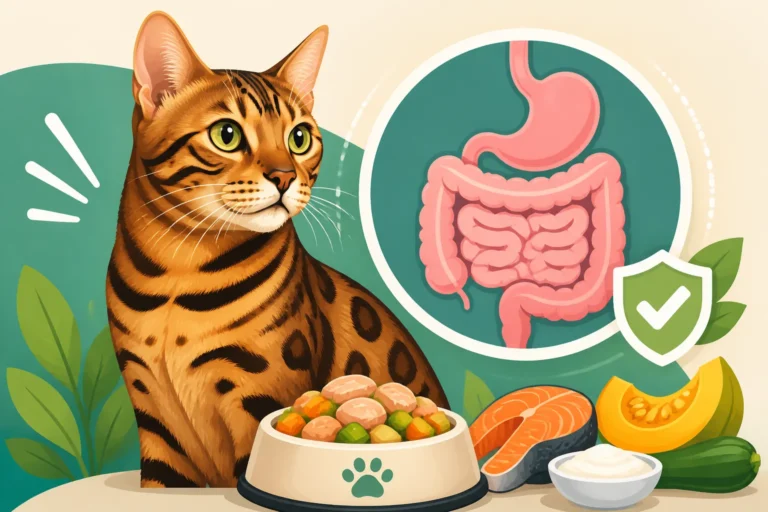
- High-Quality Protein: Protein is essential for maintaining muscle mass. As mentioned, older cats can lose muscle, so ensuring they get easily digestible, high-quality protein helps combat this. Look for foods where animal-based protein is a primary ingredient.
- Omega-3 Fatty Acids: These powerful anti-inflammatory agents can help reduce joint pain and improve mobility. Many senior cat foods are fortified with omega-3s, often sourced from fish oil. You can also add a vet-approved supplement.
- Appropriate Calorie Content: As a Bengal's activity level naturally declines with age, their caloric needs may also decrease. Feeding too much can lead to weight gain, which is detrimental to joint health. Your vet can help you determine the ideal calorie intake to maintain a lean body condition.
- Wet Food Considerations: Many older cats benefit from a diet rich in wet food. It provides more moisture, which is important for kidney health, and can be easier to eat if dental issues are present. Sometimes, even Whether a Raw Diet Suits a Bengal Cat's Gut is debated for Bengals, but for senior cats, an easily digestible, high-moisture option is often preferred.
Exploring Joint Supplements
While diet provides a foundation, specific joint supplements can offer targeted support. Always discuss any supplements with your veterinarian before introducing them, as some can interact with medications or be inappropriate for certain health conditions.
- Glucosamine and Chondroitin: These are probably the most well-known joint supplements. They are natural components of healthy cartilage and are thought to help slow its breakdown and support its repair. They work synergistically to maintain joint structure and function.
- MSM (Methylsulfonylmethane): This is another natural compound often found in joint supplements, believed to have anti-inflammatory and pain-relieving properties.
- Green-Lipped Mussel: Sourced from New Zealand, green-lipped mussel extract is rich in omega-3 fatty acids, glucosamine, chondroitin, and other minerals, making it a comprehensive natural anti-inflammatory and joint support supplement.
- Antioxidants: Ingredients like Vitamin E, Vitamin C, and selenium can help combat oxidative stress in the joints, which contributes to inflammation and degeneration.
- CBD (Cannabidiol): While research is ongoing, some pet owners have reported success using vet-approved CBD products for pain and inflammation in aging pets. However, it's crucial to use products specifically formulated for pets and to discuss dosage with your vet.
It's important to remember that supplements aren't a quick fix; they work best when given consistently over time and as part of a broader management plan that includes veterinary care and lifestyle adjustments. The goal is to improve comfort and slow the progression of joint issues, allowing your Bengal to enjoy their golden years with as much joy and agility as possible. What Changes in a Bengal Cat After Ten includes managing these subtle shifts.
Summary of Signs and Interventions for Stiffness
To help you keep track, here's a quick overview of what to look for and what you can do for your aging Bengal.
| Category | Signs of Stiffness to Watch For | Recommended Interventions |
|---|---|---|
| Mobility & Movement | Reluctance to jump/climb, stiff gait, difficulty rising, avoiding stairs. | Ramps/steps, non-slip surfaces, gentle play, vet-prescribed pain relief. |
| Behavioral Changes | Reduced play, altered grooming, litter box accidents, increased hiding/irritability. | Accessible litter boxes, comfortable beds, quiet spaces, vet check for pain. |
| Physical Indicators | Muscle loss, favoring limbs, sensitivity to touch, reduced flexibility. | Diet adjustments (high protein), targeted supplements, regular vet exams. |
| Overall Health | Weight changes, reduced appetite/thirst, general lethargy. | Regular vet wellness exams (e.g., What a Bengal Cat's Yearly Bloodwork Should Cover), diet review, hydration. |
By being proactive and observant, we can help our beloved Bengal cats navigate the challenges of aging with grace and comfort.
Disclaimer
This article is for general informational purposes only and does not constitute professional advice. Laws, prices and regulations vary by location and change over time. Consult a qualified professional for guidance on your specific situation.