How Early a Bengal Cat Kitten’s Retina Starts to Degenerate
One of the most heartbreaking things a Bengal cat owner can face is the suspicion that their vibrant, active kitten might be losing its sight, or worse, that their vision loss has been silently progressing for a while. It’s a gut-wrenching worry, especially with a breed as agile and inquisitive as the Bengal. This guide is here to shed light on precisely how early a Bengal cat kitten's retina can start to degenerate due to a specific genetic condition called Progressive Retinal Atrophy (PRA-b), and what that means for our beloved spotted companions.
Understanding PRA-b in Bengal Cats: The Genetic Blueprint
Progressive Retinal Atrophy type b (PRA-b) is a particular kind of inherited eye disease that affects Bengal cats, leading to a gradual but irreversible loss of vision, ultimately resulting in blindness. It’s not just a generic "cat eye problem"; it’s a specific condition linked directly to the breed's genetic makeup, a legacy that responsible breeders are constantly working to manage and eliminate. When you bring a Bengal into your home, understanding these potential health issues is part of being a truly prepared and loving owner.
The Specific Gene Mutation at Play
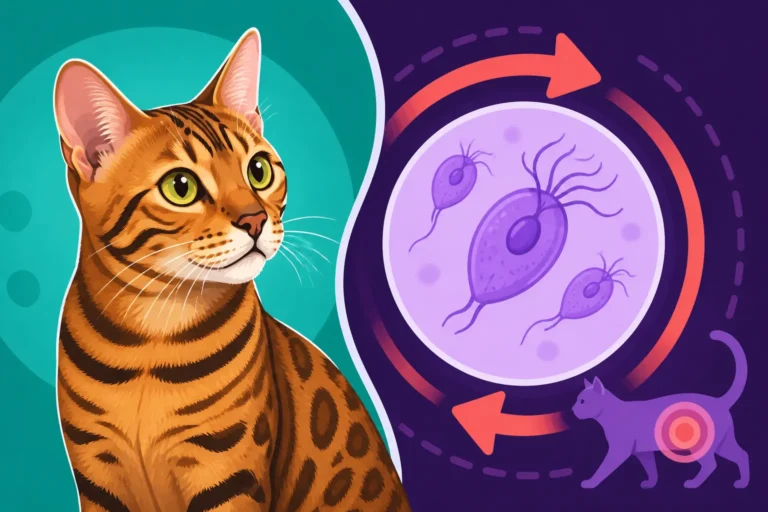
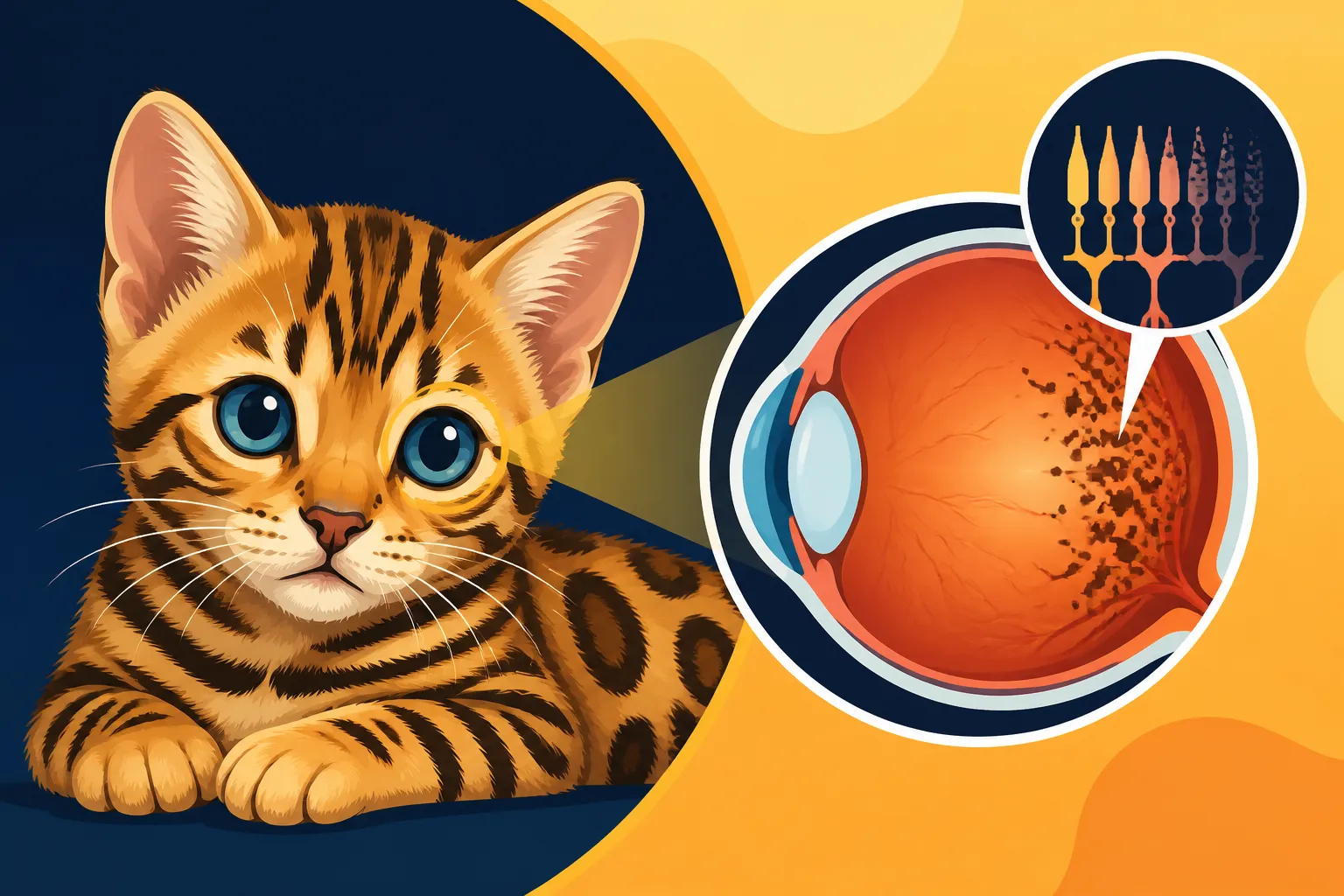
At the heart of PRA-b is a genetic flaw – specifically, a mutation in the CEP290 gene. This gene is crucial for the proper development and function of the photoreceptor cells in the retina, those amazing light-sensitive cells that allow your cat to see the world around them. When this gene is faulty, these cells don't function correctly and begin to break down over time. It’s a recessive genetic condition, meaning a Bengal cat must inherit two copies of the faulty gene (one from each parent) to actually develop the disease and experience vision loss. If they only inherit one copy, they are considered a carrier, and while their own vision won't be affected, they can pass the gene on to their offspring. This makes understanding Which Gene Causes PRA-b in a Bengal Cat incredibly important for anyone involved with the breed.
Imagine it like this: your Bengal’s vision relies on a tiny, intricate system of highly specialized cells. The CEP290 gene is like a blueprint for building and maintaining a critical component of that system. If the blueprint has an error, the component gets built incorrectly or starts to fail prematurely. For a cat that relies so heavily on its keen senses, especially sight for hunting and navigating, this is a significant challenge. The initial stages of this breakdown, though invisible to us, are where the degeneration truly begins its silent march.
When the Disease Begins to Manifest
One of the most critical, and often misunderstood, aspects of PRA-b is that the retinal degeneration doesn't suddenly appear overnight. It's a progressive disease, meaning it unfolds over time. The cellular changes – the actual breakdown and deterioration of those vital photoreceptor cells in the retina – can begin remarkably early in a Bengal cat's life, long before you notice any squinting or bumping into furniture. We’re talking about a process that often starts at a microscopic level while your Bengal is still a tiny kitten.
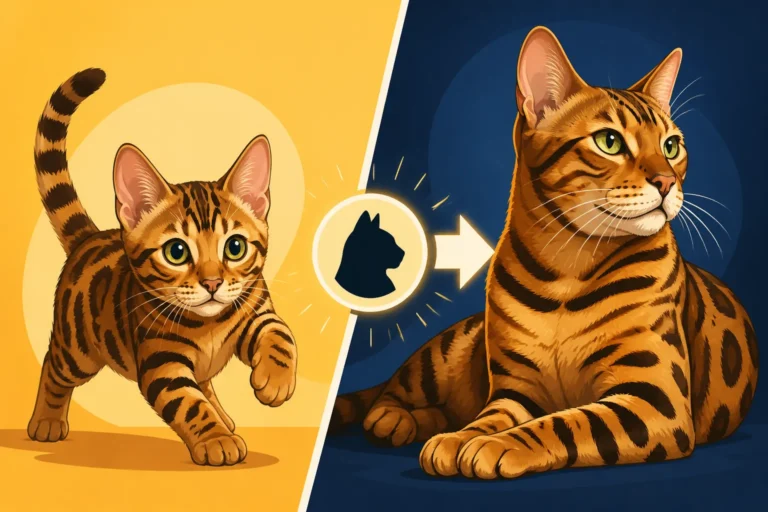
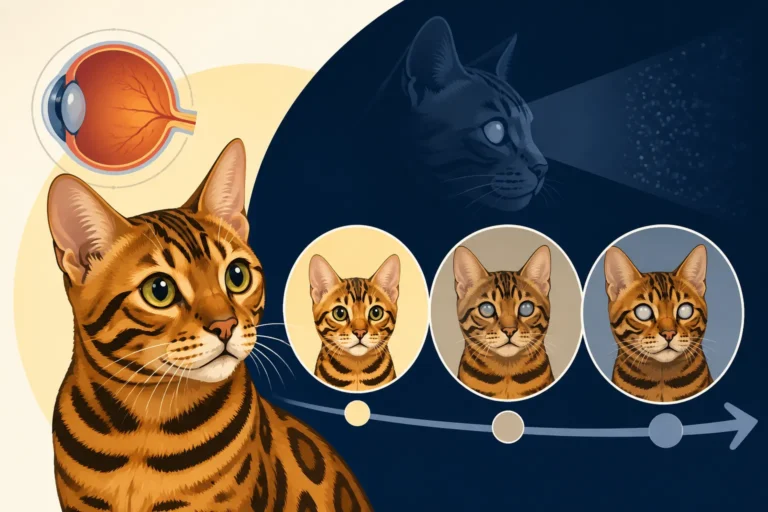
While the visible symptoms of vision loss typically don't become obvious until the cat is a young adult (often between one to two years of age, or even later), the initial cellular events that lead to this decline are already in motion during kittenhood. Think of it like a slow-burning fuse: the ignition happens early, but the explosion (noticeable blindness) takes time to reach its peak. This early, silent manifestation is why genetic testing is so vital, as it can detect the potential for the disease long before any clinical signs ever emerge.
The Insidious Onset: From Cellular Changes to Visible Symptoms
The journey of PRA-b from a genetic mutation to full blindness is a gradual and often hidden one. For a while, your energetic Bengal kitten will appear completely normal, navigating its world with customary grace and agility. But beneath the surface, changes are already taking place within the delicate structure of their eyes. This silent progression is what makes the disease so challenging to detect without proactive measures.
Early Microscopic Changes in the Retina
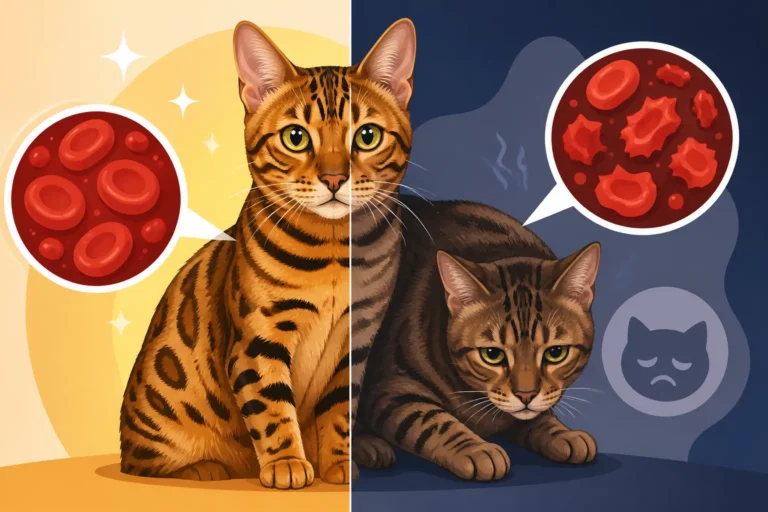
The retina contains two primary types of photoreceptor cells: rods and cones. Rods are responsible for vision in low light (night vision) and detecting movement, while cones handle bright light, color vision, and detail. In the case of PRA-b in Bengal cats, the degeneration often starts with the rod cells. This means that a kitten or young cat might begin to experience a subtle, imperceptible loss of night vision first. These microscopic changes within the retina can begin when a Bengal cat is just a few months old, perhaps as early as 3-6 months.
At this stage, your kitten won't show any outward signs. They'll still play, jump, and explore with seemingly perfect vision during the day. However, if you could peer into their tiny eyes with specialized equipment, you'd begin to see the early signs of cells not functioning optimally or showing signs of stress and decay. These subtle cellular dysfunctions accumulate, gradually reducing the retina's ability to process light effectively. The reality is that the foundation for later, more obvious vision impairment is being laid down while your Bengal is still very much a kitten, long before any behavioral changes might clue you in.
The First Noticeable Signs of Vision Loss in Kittens
It's a common misconception that if a kitten isn't bumping into things, their eyes must be fine. With PRA-b, this simply isn't the case. As mentioned, the degeneration begins microscopically in kittenhood, but the first noticeable symptoms typically emerge later, usually between 1 to 2 years of age. However, some Bengal cats might start to show subtle signs even earlier, or conversely, later in life, making it a variable progression. The key here is subtle.
Owners might first notice their Bengal becoming more hesitant in dimly lit rooms, or perhaps they'll seem a bit clumsier when playing after dusk. That incredible confidence they once had in navigating a dark hallway might be slightly diminished. You might observe changes in their play habits, such as a reduced willingness to chase toys in low light or an increased reliance on their other senses, like hearing and smell, to locate objects or people. They might startle more easily if approached from an unexpected direction in the dark. These aren't dramatic shifts; they are often tiny behavioral cues that, when pieced together, can paint a picture of burgeoning vision problems. It’s these faint signals that are the Signs a Bengal Cat Kitten Is Losing Night Vision. It’s easy to dismiss these early signs as just a cat being playful or a little odd, but for those who know what to look for, they can be the first red flags.
The Progression to Full Blindness and Long-Term Implications
Once the retinal degeneration of PRA-b sets in during kittenhood, it doesn't reverse. It's a continuous, albeit often slow, progression towards complete blindness. This journey is unique for every cat, but the underlying mechanism remains the same: the gradual loss of those essential light-sensing cells in the retina.
The Timeline of Degeneration and Age of Blindness
While the onset of cellular degeneration can begin in a Bengal cat kitten as young as a few months old, the trajectory to full blindness isn't immediate. Typically, you'll start to see noticeable signs of vision impairment, particularly night blindness, when the cat is between one and two years old. However, this is an average, and there's a good deal of variability. Some Bengal cats might show signs earlier, while others might not exhibit significant vision loss until they are much older, potentially even up to seven years of age. What's crucial to grasp is that the internal, microscopic damage is well underway long before the external world notices. This makes the question of The Age a Bengal Cat With PRA-b Goes Blind a nuanced one, often spanning months or even years of gradual decline after the initial, silent cellular changes.
Eventually, as the rod cells continue to degenerate and then the cone cells follow suit, the cat will lose all functional vision. This means they will eventually be completely blind. For some, this might happen quickly after the first noticeable symptoms, while for others, it's a slow fade over several years. The progression rate varies from individual to individual, but the outcome is, unfortunately, inevitable without a cure. This slow decline leads to The Age a Bengal Cat Is Fully Blind From PRA-b being a range, rather than a single, fixed point in time.
Managing Life with a Bengal Cat Affected by PRA-b
Discovering your Bengal cat has PRA-b, especially if diagnosed early, can be overwhelming. The good news is that cats are incredibly adaptable creatures, and many blind or vision-impaired Bengal cats can lead full, happy lives with the right support from their human companions. Since there's currently no treatment to stop or reverse PRA-b, the focus shifts entirely to supportive care and helping your cat thrive despite their diminishing vision. Whether a Bengal Cat's PRA-b Can Be Treated is a question with a tough answer – sadly, no effective treatment exists.
Firstly, consistency is key. Keep furniture in the same places, maintain predictable routines for feeding and litter box use, and block off any hazardous areas. Many owners find it helpful to use textured mats or scent markers to help their cat navigate. Providing a safe, consistent environment allows them to build a mental map of their home. Enriching their other senses becomes paramount. Puzzle feeders that use smell, toys that make noise, and plenty of interactive play that relies on touch and sound are invaluable. Even a blind Bengal still has that inherent drive for activity and mental stimulation. Regularly talking to your cat and giving gentle verbal cues before approaching can prevent startling them.
Financially, while there are no specific medications for PRA-b itself, regular veterinary check-ups are still important to monitor their overall health and address any secondary issues. If you have pet insurance, a provider like Healthy Paws might help with diagnostic costs or related care, but it's important to understand policy specifics regarding inherited conditions. Even with the devastating diagnosis, knowing How a Blind Bengal Cat Copes can bring immense comfort, as you see their incredible resilience firsthand.
Prevention and Responsible Breeding Practices
The reality of PRA-b can be tough to hear, but there's a very clear path forward for preventing this heartbreaking condition: responsible breeding and widespread genetic testing. As owners and prospective owners, we all play a role in advocating for the health of the Bengal breed.
The Role of Genetic Testing for Breeders
Because PRA-b is an inherited recessive genetic condition, it is entirely preventable through responsible breeding practices. The key lies in genetic testing. A simple DNA test can determine whether a Bengal cat is clear, a carrier, or affected by PRA-b. Reputable breeders will meticulously test all their breeding cats to ensure they are not inadvertently passing on the faulty gene. How the Bengal Cat PRA-b DNA Test Works is quite straightforward: a buccal swab is taken and sent to a specialized lab for analysis.
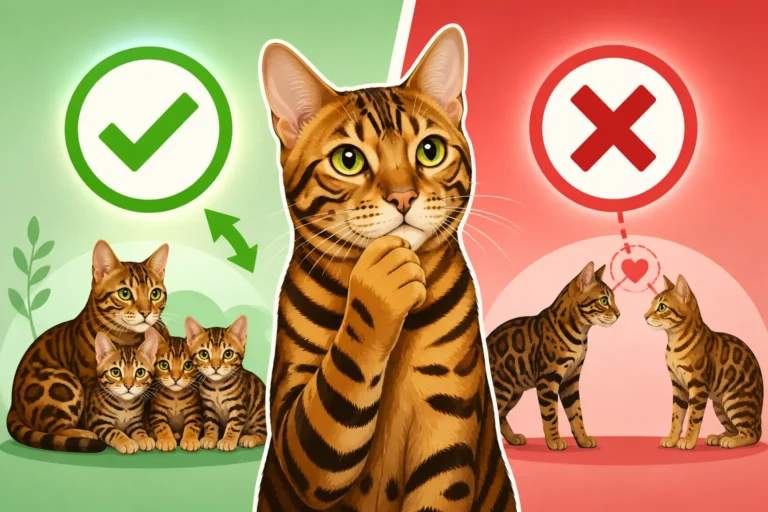
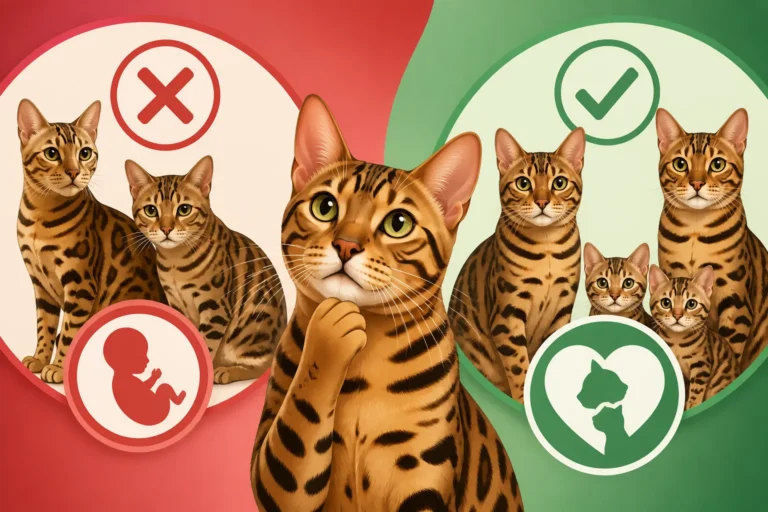
The goal is to avoid breeding two carrier cats together, as this combination has a 25% chance of producing affected kittens. Breeding a clear cat with a carrier cat will not produce affected kittens, but 50% of the litter will be carriers. The safest practice is to breed clear cats with clear cats. Breeders who consistently provide test results for PRA-b (along with other crucial health screenings like for HCM and PK Deficiency) are demonstrating a commitment to the long-term health and well-being of the breed. This diligence helps to reduce the prevalence of PRA-b, ensuring future generations of Bengal cats can enjoy a lifetime of good vision. Understanding What a Bengal Cat Breeder Should Have Tested goes beyond just PRA-b, but it's certainly a critical one.
Choosing a Responsible Breeder
When you’re looking to welcome a Bengal kitten into your home, the breeder you choose is paramount. This isn’t just about getting a cute cat; it’s about investing in a healthy companion who will be with you for many years. A responsible breeder will be transparent about their health testing protocols and should be eager to share the results of these tests with you. Don't be shy about asking to see the genetic test results for both parent cats. They should be able to show you documentation proving that their breeding cats are either "Clear" of PRA-b or, if they are "Carriers," that they are only ever bred to "Clear" partners. This rigorous approach helps prevent any kitten from being born with two copies of the affected gene.
If a breeder seems hesitant, vague, or cannot provide clear documentation for PRA-b testing, it should be a significant red flag. Choosing a kitten from untested parents is, unfortunately, a gamble, and it's a risk that can lead to heartbreak down the line. Remember, a healthy start means everything for a happy life, and ensuring your kitten is free from PRA-b is a fundamental part of that. Knowing that PRA-b Blinds a Bengal Cat by Two and There Is a DNA Test means you have the power to make informed choices.
| Stage of PRA-b Progression | Timeline in Bengal Cat Kitten/Adult | What's Happening | Owner's Observation |
|---|---|---|---|
| Initial Cellular Degeneration | As early as 3-6 months of age (kittenhood) | Rod photoreceptor cells begin to subtly malfunction and degenerate at a microscopic level. | None. Cat appears completely normal. |
| Onset of Subtle Symptoms | Typically 1-2 years of age (young adult), but can vary. | Enough rod cells have degenerated to impair night vision. | Hesitation in dark rooms, clumsiness in low light, reduced play in dim conditions. |
| Progressive Vision Loss | Continues over months to several years. | Further degeneration of rod and then cone cells. | Increasing difficulty seeing in all light levels, bumping into objects, reliance on other senses. |
| Full Blindness | Highly variable, often by 2-7 years of age. | All functional photoreceptor cells have degenerated. | Complete inability to navigate by sight, but adaptability can be high. |
Disclaimer
The information provided in this article is intended for general informational purposes only and does not constitute veterinary medical advice. Always consult with a qualified veterinarian for any health concerns or before making any decisions about your pet's medical care.