Whether a PK Carrier Bengal Cat Can Be Bred
One of the most concerning questions for Bengal cat breeders and prospective owners revolves around inherited health conditions. It can be truly heartbreaking to discover a beloved cat, or a planned litter, is at risk of a serious genetic disease. This comprehensive guide will meticulously explore whether a Bengal cat carrying the Pyruvate Kinase Deficiency (PKD) gene can be bred responsibly, shedding light on the science, the risks, and the ethical considerations involved.
Understanding Pyruvate Kinase Deficiency in Bengal Cats
Pyruvate Kinase Deficiency (PKD) is one of those silent threats that can lurk within a breed's genetic makeup, and Bengal cats are unfortunately among those affected. It’s a condition that can cause significant distress and even shorten a cat's life, making it a critical concern for anyone involved with these magnificent felines.
What PK Deficiency Does to a Bengal Cat
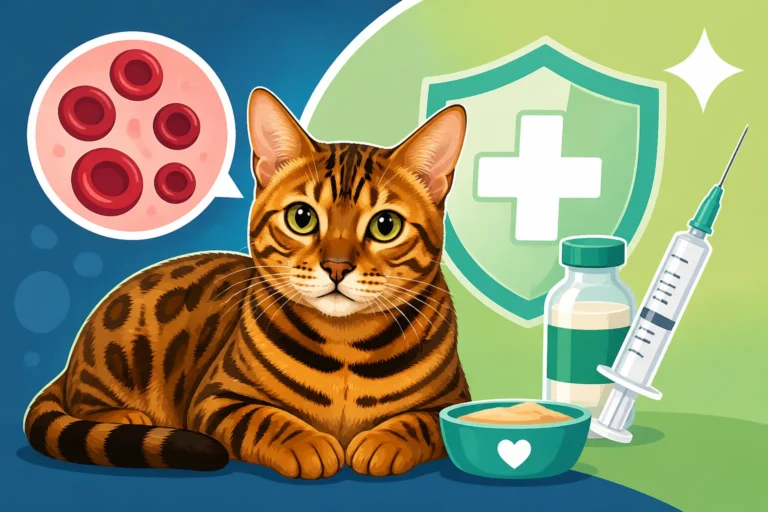
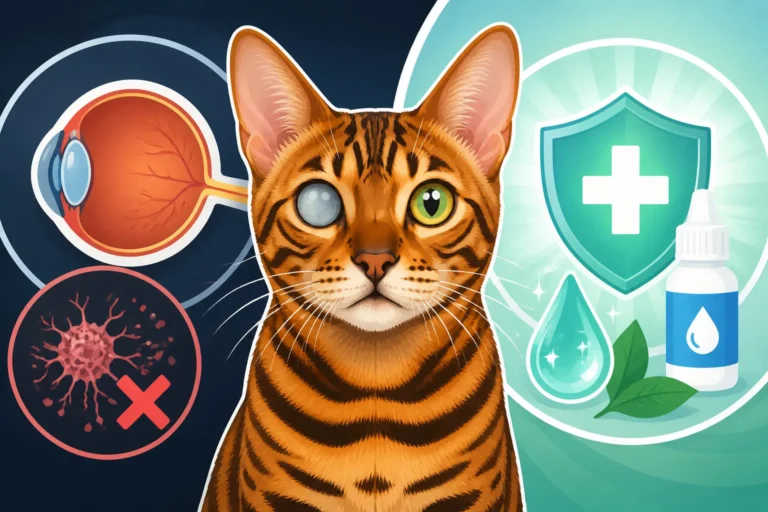
At its core, What PK Deficiency Does to a Bengal Cat is compromise their red blood cells. Imagine your cat's red blood cells as tiny, essential couriers, responsible for delivering oxygen throughout their body. Pyruvate Kinase is a crucial enzyme that these cells need to function correctly and, more importantly, to survive. Without enough of it, the red blood cells become fragile and break down prematurely, leading to a type of anemia known as hemolytic anemia. This can manifest as lethargy, weakness, pale gums, and sometimes even jaundice or an enlarged spleen. The severity can fluctuate, leading to "good days and bad days," which makes diagnosis tricky without specific testing.
This isn't just a minor inconvenience; it's a serious, life-altering, and potentially fatal condition. Cats suffering from PK Deficiency often experience chronic anemia, which strains their entire system, particularly their heart and other organs. They might require frequent veterinary intervention, including blood transfusions, to manage severe anemic crises. It’s a heavy burden for the cat and its owner, highlighting why breeders must take every precaution to prevent its occurrence.
The Genetics of PK Deficiency
The way PK Deficiency is inherited in Bengal cats is through an autosomal recessive pattern. This sounds complicated, but it simply means two things: first, the gene isn't linked to sex (autosomal), so both males and females can be affected, and second, a cat needs two copies of the defective gene – one from each parent – to actually develop the disease (recessive). If a cat inherits only one copy of the defective gene and one normal copy, it won't get sick; it will be a "carrier." Carriers are healthy themselves, showing no symptoms, but they can pass the gene on to their offspring.
This genetic mechanism is why How Many Bengal Cats Carry PK Deficiency can be quite high in some lines without breeders even realizing it until an affected kitten is born. Carriers are asymptomatic and appear perfectly healthy, making DNA testing absolutely indispensable. Without knowing a cat's genetic status, a breeder might unknowingly pair two carriers, setting the stage for tragic outcomes in their litters.
How Many Bengal Cats Carry PK Deficiency
Pinpointing an exact percentage for How Many Bengal Cats Carry PK Deficiency across the entire breed can be difficult, as it often varies depending on specific breeding lines and geographical regions. However, studies and anecdotal evidence from breeders indicate that a significant portion of the Bengal cat population worldwide may carry the mutated PK gene. Some estimates have suggested that the carrier rate could be as high as 10-20% in certain populations. This isn't a statistic to ignore; it means that if you pick two random Bengal cats, there's a non-negligible chance one or both could be carriers.
The prevalence of carriers underscores why relying solely on a cat's apparent health isn't enough for responsible breeding. A cat could be an active, vibrant, seemingly healthy carrier for its entire life, completely unbeknownst to its owners and breeder, yet still be capable of passing on the gene. This is why widespread, consistent testing within the breeding community is so crucial – it's the only way to truly identify carriers and prevent the disease from manifesting in future generations.
The Ethics and Risks of Breeding PK Carriers
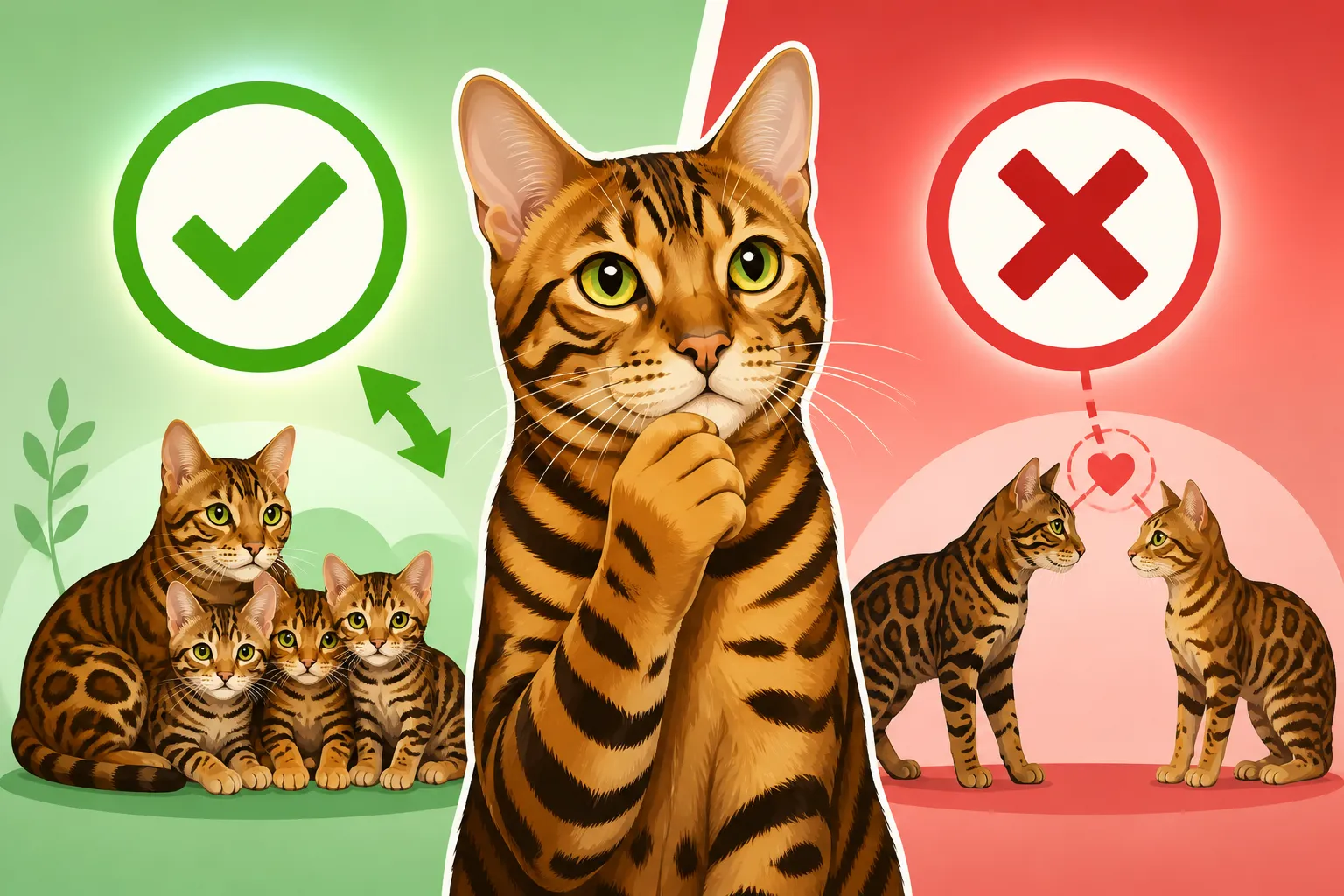
The question of whether a PK carrier Bengal cat can be bred isn't just about biological possibility; it delves deep into ethical responsibility. While genetically, yes, a carrier can produce offspring, the decision hinges on careful planning, rigorous testing, and an unwavering commitment to the health of the resulting kittens and the breed as a whole.
The Risks of Breeding Two Carriers
The greatest risk, and the primary reason for concern, arises when two PK Deficiency carriers are bred together. If both parents carry one copy of the defective gene (N/K), their kittens face a grim lottery:
- 25% chance of inheriting two normal genes (N/N) – these kittens will be completely clear and not carriers.
- 50% chance of inheriting one normal and one defective gene (N/K) – these kittens will be carriers, just like their parents, but healthy.
- 25% chance of inheriting two defective genes (K/K) – these kittens will have PK Deficiency and will likely suffer from the disease.
This 25% chance of producing affected kittens is a significant risk that no responsible breeder would knowingly take. Imagine the emotional and financial toll of having a quarter of your litter fall ill, facing chronic anemia, and potentially needing lifelong medical care or even euthanasia. It’s a burden that can be entirely avoided with proper genetic screening. The risk isn't just theoretical; it's a very real and devastating possibility that highlights the critical need for genetic foresight in breeding programs.
Why a PK Carrier Bengal Cat Can Be Bred Under Strict Conditions
Despite the risks of breeding two carriers, a Whether a PK Carrier Bengal Cat Can Be Bred decision is not always a definitive "no." In fact, PK carriers can be bred safely and responsibly, but only under one absolute, non-negotiable condition: they must be bred to a cat that has been DNA tested and confirmed to be completely clear (N/N) of the PK Deficiency gene. When a carrier (N/K) is bred to a clear cat (N/N), the potential outcomes for the kittens are:
- 50% chance of being clear (N/N).
- 50% chance of being a carrier (N/K).
Crucially, with this pairing, there is a 0% chance of producing kittens that are affected with PK Deficiency (K/K). This approach allows breeders to continue using valuable carrier cats in their breeding programs without producing sick kittens, which can be vital for maintaining genetic diversity, especially if the carrier cat possesses other highly desirable traits like exceptional type, temperament, or rare coloration. However, it means that every kitten from such a pairing must be tested to identify which ones are carriers before they are bred themselves or sold as breeding animals.
This careful strategy allows for the preservation of important genetic lines while simultaneously preventing the manifestation of the disease. It’s a balancing act that demands diligence, but it demonstrates that a carrier status doesn't automatically mean a cat should be removed from the gene pool entirely, provided rigorous protocols are followed.
The Importance of Genetic Testing
Genetic testing is the cornerstone of responsible breeding when it comes to inherited conditions like PK Deficiency. It's not an optional extra; it's an absolute necessity. A simple DNA swab from the inside of a cat's cheek, sent to a reputable veterinary genetic laboratory, can definitively tell a breeder if their cat is clear (N/N), a carrier (N/K), or affected (K/K). Without this crucial information, breeders are essentially breeding in the dark, playing Russian roulette with the health of their future kittens.
For How a Vet Confirms PK Deficiency in a Bengal Cat in an affected animal, they would typically look for signs of anemia, but the definitive diagnosis of the genetic status (carrier vs. affected) comes from the DNA test. What the Bengal Cat PK Deficiency Test Costs is a relatively small investment compared to the potential costs, both emotional and financial, of caring for a sick kitten or dealing with a distressed buyer. It’s a proactive measure that protects the health and welfare of individual cats and safeguards the future of the Bengal breed. Every responsible breeder should make this test a standard part of their health screening protocol.
Responsible Breeding Practices for PK Deficiency
Embarking on a breeding program involving a PK carrier cat requires a heightened level of responsibility, transparency, and scientific understanding. It’s about making informed decisions that prioritize feline health above all else.
Choosing a Mating Partner for a PK Carrier
If you have a Bengal cat identified as a PK carrier (N/K), the absolute golden rule for choosing a mating partner is that the partner must be tested and confirmed as clear (N/N) of the PK Deficiency gene. There's simply no wiggle room here. Before any breeding takes place, both potential parents need to have their DNA results unequivocally stating their PK status. This might mean delaying a breeding plan if a suitable clear partner isn't immediately available or if their test results are still pending.
It's not enough to assume a cat is clear because its parents were clear, or because it appears healthy. Genetic mutations can arise, or errors in previous testing could occur. Always verify the current cat's status directly. If a breeder is considering importing new bloodlines, or using a stud cat from another cattery, demanding verifiable, up-to-date DNA test results for PK Deficiency (and other prevalent genetic conditions like PRA-b) is paramount. This diligence is what prevents the spread of genetic diseases within the breed.
Understanding Test Results
Navigating the world of genetic test results requires a clear understanding of what the different classifications mean for breeding. Here’s a quick breakdown:
| Result Code | Meaning | Genetic Status | Breeding Recommendation (for a carrier) |
|---|---|---|---|
| N/N | Homozygous for the normal allele | Clear | Ideal partner for a carrier; no affected kittens. |
| N/K | Heterozygous; one normal, one mutant allele | Carrier | Can be bred to N/N cats only. Avoid breeding with other carriers. |
| K/K | Homozygous for the mutant allele | Affected | Should not be bred. These cats will develop the disease. |
When a reputable lab processes the How a Bengal Cat's PRA-b Swab Is Taken (the same method applies to PK testing), they typically provide a certificate clearly stating one of these three outcomes. Breeders should keep these certificates on file and be prepared to show them to potential buyers, especially when selling kittens from a carrier parent. Understanding these results means a breeder can confidently make informed decisions that protect the health of their lineage.
Long-Term Impact on the Breed Pool
While breeding a PK carrier to a clear cat prevents affected kittens, it's also important to consider the long-term impact on the breed pool. If all carrier kittens from such a mating are then bred themselves without careful selection, the carrier rate could remain high, or even increase. The goal isn't just to avoid affected kittens in the immediate litter but to gradually reduce the prevalence of the defective gene within the entire Bengal cat population.
This means breeders might choose to retain fewer carrier kittens for breeding, or they might aim to breed carriers only to exceptional clear cats, with the intention of outcrossing to reduce the carrier status in subsequent generations. It's a strategic approach that requires thoughtful planning and often involves collaborating with other responsible breeders. The aim is to ensure the Bengal cat breed remains healthy and robust for generations to come, preventing the gene from becoming so widespread that it severely limits future breeding options.
Living with and Caring for PK Carrier Bengal Cats
For most pet owners, the idea of their beloved cat being a "carrier" for a genetic disease can be alarming. However, it's crucial to distinguish between being a carrier and being affected by the disease.
Is a PK Carrier Bengal Cat Healthy?
Absolutely! This is perhaps the most important point to convey: Whether a PK Carrier Bengal Cat Gets Sick is a resounding "no." A Bengal cat that is a carrier (N/K) for Pyruvate Kinase Deficiency will not develop the disease itself. They have one healthy copy of the gene, which is perfectly sufficient for their red blood cells to produce the necessary enzyme and function normally. They live full, healthy, and happy lives, indistinguishable from a cat that is completely clear (N/N).
They won't show any symptoms of anemia, won't need special diets for PK Deficiency, and generally won't require any specific medical interventions related to their carrier status. Their status only becomes relevant if they are considered for breeding. For a pet owner, knowing their cat is a carrier simply means they shouldn't breed them, but it has no bearing on their day-to-day health or well-being. This is why many reputable breeders will happily sell carrier kittens as pets, often with a spay/neuter contract, knowing they will be perfectly healthy companions.
Routine Care for a Carrier
Caring for a PK carrier Bengal cat is exactly the same as caring for any other healthy Bengal cat. There are no special dietary requirements, no need for extra vet visits beyond standard preventative care, and no modifications to their environment. They thrive on a high-quality diet, plenty of enrichment, regular play, and a loving home, just like their non-carrier counterparts. All the usual advice applies: annual vet check-ups, appropriate vaccinations, parasite control, and dental care.
When you're considering What a Bengal Cat's First Echo Costs or general veterinary expenses over the years, a PK carrier cat will fall into the typical range for a healthy Bengal. The only difference is the knowledge that their genetic makeup carries a specific trait. This means an owner doesn't need to worry about increased vet bills or specialized care for their carrier pet. Reputable breeders understand this and will make it clear to potential owners that a carrier pet is no less healthy or deserving of a loving home.
Financial Considerations and Insurance
While PK carrier Bengal cats don't require specialized medical care due to their carrier status, general pet ownership inevitably comes with financial considerations. From routine wellness exams to unexpected emergencies, vet bills can add up. This is where pet insurance can be a real lifesaver, providing peace of mind against the unforeseen. Companies like Healthy Paws offer comprehensive plans that can cover accidents, illnesses, and even some preventative care, depending on the policy.
When looking at What a Bengal Cat Costs Over Its Lifetime, factoring in potential medical expenses is prudent. While a carrier won't incur PK-related costs, a non-carrier could develop other conditions, so insurance is always a good idea. Many pet insurance providers, including Healthy Paws, will cover diagnostic tests and treatments for a wide range of conditions, and typically, a carrier status alone wouldn't exclude a cat from coverage or load premiums, as long as they aren't affected by the disease. However, it's always wise to thoroughly review policy details, as pre-existing conditions are usually excluded. Investing in a robust pet insurance plan can help manage unexpected costs, ensuring your Bengal cat, carrier or not, always receives the best possible care.
Actionable Advice for Breeders and Owners
For both current Bengal cat breeders and those considering bringing a Bengal into their home, understanding and acting upon PK Deficiency information is key to responsible pet ownership and preservation of the breed.
Pre-Breeding Screening Protocols
For serious Bengal cat breeders, a comprehensive health screening protocol is non-negotiable before any cat enters the breeding program. This isn't just about PK Deficiency, but it’s certainly a major component. All potential breeding cats should undergo a DNA test for PK Deficiency to ascertain their status (N/N, N/K, or K/K) before any mating occurs. This critical step eliminates the risk of inadvertently producing affected kittens.
Beyond PK Deficiency, a full Which Tests the Bengal Cat Health Panel Covers typically includes screening for PRA-b (Progressive Retinal Atrophy), another common genetic condition in Bengals. For breeding cats, particularly males, an ultrasound of the heart for HCM (Hypertrophic Cardiomyopathy) is also highly recommended, even though there's no reliable gene test for HCM in Bengals yet. This holistic approach ensures that breeders are doing everything in their power to produce healthy, genetically sound kittens. Always choose a reputable lab for DNA testing and keep meticulous records of all results for transparency.
Counseling Prospective Buyers
Transparency is the cornerstone of ethical breeding. If you are a breeder and you've chosen to breed a PK carrier (N/K) to a clear (N/N) cat, you will inevitably have kittens in the litter that are carriers themselves (N/K). It is your responsibility to clearly and openly communicate this to all prospective buyers. This means:
- Full Disclosure: Inform buyers about the mother's carrier status and the potential for kittens to be carriers.
- Provide Test Results: Share copies of the DNA test results for both parents and, ideally, for the individual kitten if tested.
- Explain What "Carrier" Means: Clearly explain that a carrier kitten will not develop the disease but should not be bred without appropriate testing of its partner.
- Spay/Neuter Contracts: For pet-only kittens, a spay/neuter contract should be a standard part of the adoption agreement, regardless of carrier status, to prevent unintended breeding.
When a kitten comes to its new home, it's common for owners to wonder Whether a Bengal Cat Kitten Comes PK Tested. A responsible breeder will have performed these tests or made arrangements for them to be done. For pet owners acquiring an adult Bengal cat, Whether an Owner Should PK Test an Adult Bengal Cat is a reasonable question, especially if their history is unknown, and the answer is often yes for peace of mind, even if they don't plan to breed. Open communication fosters trust and ensures that new owners are well-informed and prepared for their new family member.
Supporting the Wider Bengal Cat Community
Responsible breeding isn't just about individual litters; it's about contributing positively to the overall health and future of the Bengal breed. Breeders have a vital role in educating fellow enthusiasts, sharing information, and encouraging widespread genetic testing. This includes:
- Mentorship: Guiding newer breeders on best practices for health screening and ethical breeding.
- Data Sharing: Participating in voluntary databases that track genetic health, which helps to identify trends and reduce carrier rates across the breed.
- Promoting Awareness: Advocating for the importance of DNA testing at cat shows, online forums, and through breed clubs.
Organizations like The International Cat Association (TICA) and the Cat Fanciers' Association (CFA), while not directly dictating health testing, promote responsible breeding through their standards and breeder resources. By actively engaging and supporting a community-wide effort, breeders can work collaboratively to lower the incidence of PK Deficiency and other genetic conditions, ensuring the Bengal cat remains a healthy and vibrant breed for generations to come. Even pet owners can contribute by choosing a reputable breeder who prioritizes health testing and advocates for these practices.
Disclaimer
This article is for general informational purposes only and does not constitute professional advice. Laws, prices and regulations vary by location and change over time. Consult a qualified professional for guidance on your specific situation.