What Percentage of Bengal Cats Carry PK Deficiency
Bringing a Bengal cat into your home is an incredibly exciting journey, full of playful antics and stunning beauty. However, just like with any beloved family member, there's always a lingering worry about their health, especially when it comes to genetic conditions that aren't always visible. One such concern is Pyruvate Kinase Deficiency (PK Deficiency), a condition that can be silently carried for generations. This guide is here to shed light on what PK Deficiency is, the vital role of genetic testing, and importantly, what percentage of Bengal cats carry this particular gene mutation, helping you navigate the health landscape of your cherished feline companion.
Understanding Pyruvate Kinase Deficiency in Bengal Cats
Pyruvate Kinase Deficiency, or PK Deficiency, might sound like a mouthful, but understanding it is crucial for Bengal cat owners and breeders. It's a hereditary condition that impacts a cat's red blood cells, leading to a form of anemia. This isn't just a minor issue; it can significantly affect a cat's quality of life and lifespan. The good news is that with responsible breeding and testing, we can work towards minimizing its impact on the Bengal breed.
What is PK Deficiency?
At its heart, PK Deficiency is a genetic disorder where the body lacks a crucial enzyme called pyruvate kinase. This enzyme is like a tiny spark plug for red blood cells; it's essential for them to produce energy. Without enough of it, these vital cells can't function properly and end up breaking down too quickly. If you want to dive deeper into the specifics, you can learn more about Which Enzyme PK Deficiency Removes From a Bengal Cat. This breakdown process leads to hemolytic anemia, which means the cat’s body can’t produce red blood cells fast enough to replace those being destroyed. It’s a bit like having a leaky bucket where the water is draining out faster than you can fill it up.
How PK Deficiency Affects a Bengal Cat's Health
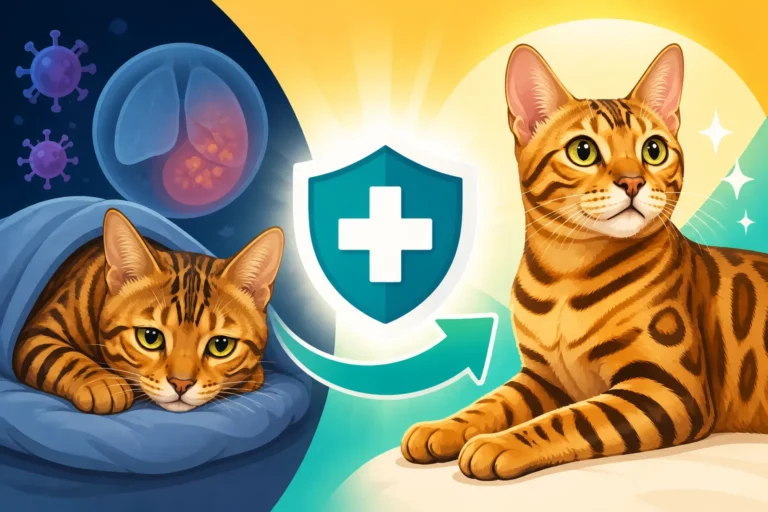
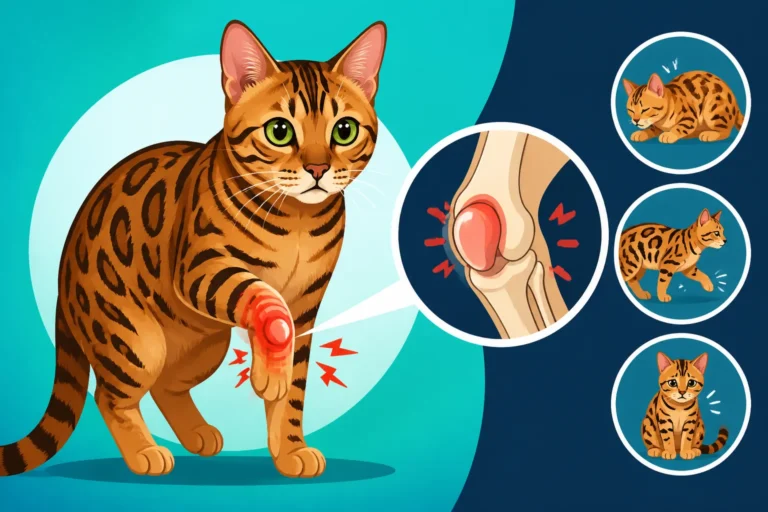
When a Bengal cat is actually affected by PK Deficiency (meaning they've inherited two copies of the faulty gene, one from each parent), the symptoms can be quite varied and often appear intermittently. This condition can lead to chronic or episodic anemia, meaning there will be good days and bad days. Affected cats might appear lethargic, weak, and their gums might look pale. Sometimes, you might notice an enlarged abdomen due to an enlarged spleen, which is working overtime trying to filter out the damaged red blood cells. In severe cases, jaundice, where the skin and whites of the eyes take on a yellowish tint, can occur as a result of red blood cell breakdown.
It's a progressive disease, meaning it can worsen over time. The onset of symptoms can vary widely, with some cats showing signs as early as six months old, while others might not show any until they are five or even older. Understanding How PK Deficiency Destroys a Bengal Cat's Red Cells really highlights the seriousness of this condition for affected felines. The severity of the anemia and the age of onset can vary widely, making it a challenging condition to manage without a clear diagnosis. Owners often struggle to understand why their otherwise vibrant Bengal suddenly seems so drained, or why their energy levels fluctuate so dramatically. This uncertainty and the potential for severe health crises are precisely why knowing about this condition is so important.
The Importance of Genetic Testing
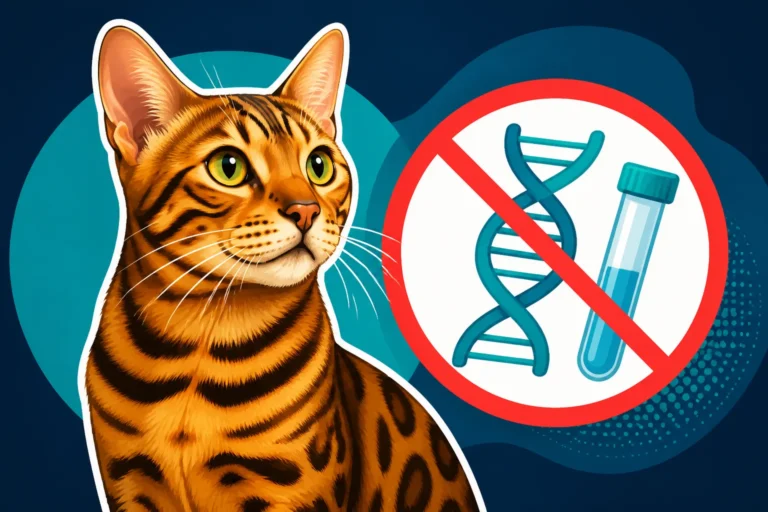
Genetic testing for PK Deficiency is a game-changer for the Bengal breed. Because it's an inherited condition, carriers often show no symptoms themselves, yet they can pass the faulty gene on to their offspring. This means a cat can look perfectly healthy, be full of boundless Bengal energy, and still be a carrier. Without testing, you'd never know. This is where the simple act of swabbing a cat's cheek and sending it to a lab becomes invaluable.
For breeders, genetic testing is not just good practice; it's a moral imperative. It allows them to make informed decisions about breeding pairs, ensuring they don't accidentally produce kittens who will suffer from the disease. For pet owners, knowing your cat's status can provide peace of mind, or help you understand potential future health challenges. While carriers generally don't get sick, there's always the concern of what happens if they're bred unwittingly. The more transparent and proactive we are with testing, the healthier the Bengal cat population will be.
Delving into the Numbers: Bengal Cat PK Deficiency Carrier Rates
When we talk about genetic conditions, one of the first questions people often ask is, "How common is it?" This is a perfectly reasonable question, as the prevalence of a gene in a population helps us understand the risk and the scale of the challenge we face as a breed community. For PK Deficiency in Bengal cats, the numbers paint an interesting picture.
Current Prevalence of PK Deficiency Carriers
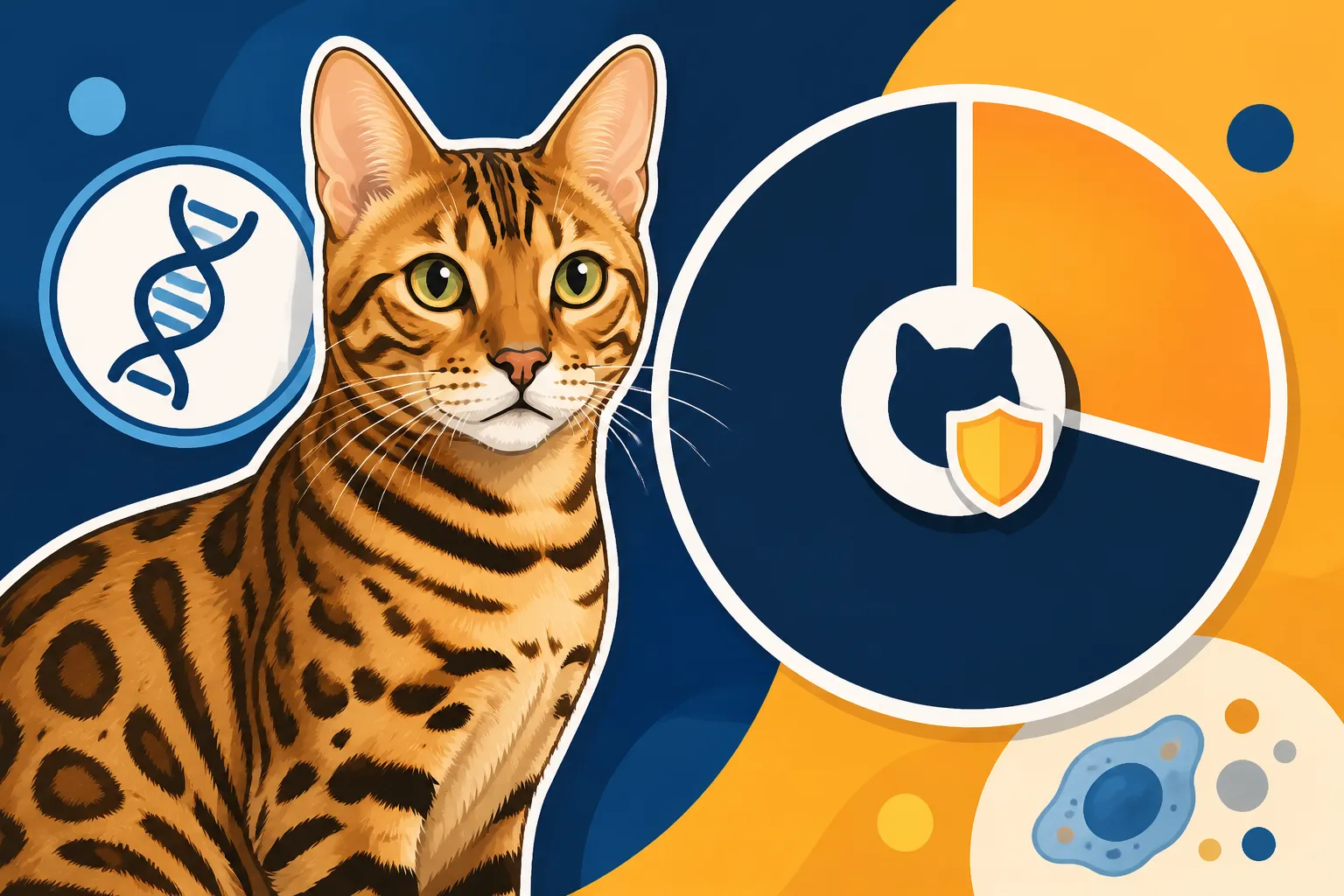
Based on extensive genetic testing conducted over the years, approximately 10-12% of Bengal cats are estimated to be carriers of the PK Deficiency gene. This means that about one in ten Bengal cats, while perfectly healthy themselves, carry one copy of the gene mutation and could pass it on to their kittens if bred with another carrier. It's a significant percentage, illustrating why widespread testing is so vital within the breeding community. This figure is derived from various genetic databases and testing labs that have compiled results from thousands of Bengal cats across different continents. It helps us answer the question, How Many Bengal Cats Carry PK Deficiency.
It’s important to remember that this 10-12% figure refers to carriers, not cats affected by the disease. An affected cat would have inherited two copies of the gene, which is a much rarer occurrence thanks to diligent breeders. However, the carrier rate remains substantial enough that it cannot be ignored. Every time a breeder considers a pairing, this statistic should be at the forefront of their mind, guiding their choices towards the health and longevity of the breed.
Factors Influencing Carrier Rates
The carrier rate for PK Deficiency isn't static; it can fluctuate and be influenced by several factors. One major factor is the breeding practices within the Bengal community. If breeders are not consistently testing their cats, or if carriers are inadvertently bred together, the prevalence could rise. Conversely, stringent testing and strategic breeding choices aimed at reducing the carrier pool can gradually lower this percentage over time.
Another factor is the popularity of certain bloodlines. If a particular stud or queen with high demand happens to be a carrier, and their offspring are widely used in breeding programs without proper testing, the gene can quickly spread throughout the population. This highlights the delicate balance breeders maintain between preserving desirable traits and ensuring genetic health. The global nature of cat breeding also plays a role; a popular line in one country can quickly influence the genetic landscape in others.
Comparing Bengal Cat Rates to Other Breeds
While our focus is on Bengal cats, it’s helpful to understand that PK Deficiency isn't unique to this breed. This specific mutation, called PK-def, is actually found in several other cat breeds. For example, it's also recognized in Abyssinian, Somali, and Egyptian Mau cats, albeit with varying carrier rates. The mutation present in these breeds is the same one found in Bengal cats, indicating a shared genetic ancestry or a common, very early mutation event.
However, the specific prevalence can differ significantly. Some breeds might have a lower carrier rate, while others could be similar or even higher. For the Bengal, that 10-12% figure places it in a category where diligent management is undeniably necessary. Knowing that this isn't an isolated issue for Bengal cats underscores the broader importance of genetic health screening across all purebred cat populations. Understanding Which Breeds Share the Bengal Cat's PK Mutation can give a broader perspective on feline genetic health. It’s a reminder that responsible breeding practices are a collective effort across the entire cat fancy.
Implications for Breeding and Ownership
Discovering that a Bengal cat is a carrier for PK Deficiency can raise a lot of questions, whether you're a prospective owner, an established breeder, or simply curious about the health of the breed. The implications vary depending on whether the cat is intended for breeding or will live out its life as a beloved pet.
Breeding Decisions for PK Deficiency Carriers
For breeders, having a cat that is a PK Deficiency carrier presents a critical decision-making point. The goal is always to produce healthy kittens and to reduce the incidence of genetic diseases in the breed. If a cat carries the gene, it means they have one normal copy and one mutated copy. They themselves will not develop the disease, which answers the question, Whether a PK Carrier Bengal Cat Gets Sick (they don't!). However, if a carrier is bred with another carrier, there's a 25% chance with each kitten that they will inherit two copies of the faulty gene and thus be affected by PK Deficiency. There’s also a 50% chance they will be carriers, and a 25% chance they will be clear.
Therefore, responsible breeders avoid mating two known carriers. Instead, a carrier cat can safely be bred to a cat that has been tested and confirmed as "clear" (meaning they don't carry the gene). In such a pairing, all offspring will either be clear or carriers, but none will be affected by the disease. This allows breeders to retain valuable bloodlines while diligently working to eliminate the gene from their cattery over generations. You can find more specific guidance on Whether a PK Carrier Bengal Cat Can Be Bred in dedicated resources. It’s a commitment to long-term breed health, requiring careful planning and rigorous testing.
Living with a PK Deficiency Carrier Bengal Cat
If your Bengal cat is a PK Deficiency carrier but is destined to be a pet and will be spayed or neutered, then you generally have absolutely nothing to worry about regarding the disease. As mentioned, carriers do not develop the illness themselves because they have one healthy copy of the gene that produces enough of the necessary enzyme. Your pet carrier cat will live a normal, healthy life, full of all the usual Bengal mischief and affection.
The main takeaway here is not to panic if your pet Bengal's genetic panel comes back showing they're a carrier. It's simply important information that prevents accidental breeding with another carrier. For pet owners, this knowledge typically serves as a testament to their breeder's thoroughness and commitment to transparency. It's a reminder of the health screening efforts that go into responsible breeding, ensuring that your energetic companion remains vibrant for years to come. In fact, many pet insurance providers like Healthy Paws encourage and even help cover the costs associated with diagnostic testing and care, providing an extra layer of reassurance for owners.
The Role of Responsible Breeders
Responsible Bengal cat breeders are the frontline defense against the spread of genetic diseases like PK Deficiency. Their role extends far beyond simply producing beautiful kittens; it encompasses a deep commitment to the health and longevity of the breed. This means implementing comprehensive health testing protocols for all breeding animals, which includes DNA tests for PK Deficiency. Breeders should be transparent about their cats' test results and should readily provide documentation to prospective buyers. This is part of a broader set of responsibilities that includes understanding What a Bengal Cat Breeder Should Have Tested.
Furthermore, responsible breeders actively use these test results to make informed decisions about pairings, consciously choosing to breed carriers only with clear cats. They also educate potential owners about PK Deficiency and other genetic conditions, explaining what the test results mean for a pet kitten versus a breeding animal. This dedication helps to gradually reduce the prevalence of the gene in the breed population and ensures that future generations of Bengal cats are as healthy and robust as possible. When considering a breeder, asking about their genetic testing policies and seeing proof of testing for diseases like PK Deficiency is paramount.
Testing and Prevention Strategies
Being proactive about PK Deficiency is the best way to safeguard the health of Bengal cats. Thankfully, testing is straightforward, and the results provide clear guidance for owners and breeders alike.
How the PK Deficiency DNA Test Works
The DNA test for PK Deficiency is remarkably simple and non-invasive. It typically involves a buccal swab, which is essentially just rubbing a small brush or cotton swab along the inside of your cat's cheek to collect some cells. This sample, containing your cat's DNA, is then sent to a specialized veterinary genetics laboratory. Labs like OptiGen or UC Davis VGL are reputable options that provide accurate results.
Once the lab receives the sample, they analyze the DNA to determine if your cat has one, two, or no copies of the specific gene mutation associated with PK Deficiency. The results will typically classify your cat as "Clear" (no copies, not a carrier), "Carrier" (one copy, will not develop the disease but can pass it on), or "Affected" (two copies, will likely develop the disease). The turnaround time for results can vary but is usually a few weeks. This simple test provides invaluable information that can prevent heartache down the line.
When to Test Your Bengal Cat
Ideally, all Bengal cats intended for breeding should be tested for PK Deficiency before they are ever bred. This allows breeders to make informed decisions about pairings from the outset. Many responsible breeders test their kittens before they go to their new homes, ensuring that pet owners receive complete health information.
For pet owners, particularly if you’ve acquired a Bengal from a rescue or a breeder who didn’t provide full genetic testing, it's still worthwhile to consider testing, especially if you have an intact cat. While a pet cat won't be bred intentionally, accidents can happen, and knowing their status is still important. It’s also just good information to have for your cat’s comprehensive health profile. You might be curious about Whether an Owner Should PK Test an Adult Bengal Cat, and the answer is yes, it's always a good idea if their status is unknown. Even if your cat is already spayed or neutered, knowing they are a carrier means you're informed, which can be useful information for your vet as part of a complete health history. Some comprehensive pet insurance plans, such as those offered by Healthy Paws, might factor genetic testing into their wellness packages or provide coverage for future related conditions, making testing a sensible preventative step.
What to Do with Test Results
Once you receive your Bengal cat's PK Deficiency test results, understanding them is key:
- Clear: This is the best-case scenario. Your cat does not carry the gene and cannot pass it on. If your cat is part of a breeding program, they can be bred with any other cat without the risk of producing affected kittens.
- Carrier: Your cat carries one copy of the gene. They will not develop PK Deficiency themselves, but they can pass the gene to their offspring. If your cat is a breeding animal, they should only be bred with a "Clear" cat. All kittens from such a pairing should also be tested to determine their individual status. For a pet cat, this result simply means they are a healthy carrier with no personal health implications from the gene.
- Affected: Your cat has two copies of the gene and is at risk of developing or may already be experiencing symptoms of PK Deficiency. This is a rare outcome in responsible breeding programs due to careful screening. An affected cat should never be bred. For an affected pet cat, close veterinary monitoring is essential, and understanding How Long a PK Deficient Bengal Cat Lives can help you prepare for their care. Your vet might recommend regular blood work and supportive care, and this is where robust pet insurance like Healthy Paws can truly make a difference in managing potential ongoing medical costs.
It's crucial to share these results with your veterinarian so they can be part of your cat's complete medical record. This proactive approach ensures the best possible care for your Bengal and contributes to the overall health of the breed. Furthermore, if you’re looking at a What a Full Bengal Cat DNA Panel Costs, it usually includes PK Deficiency testing along with other important genetic screenings, making it a comprehensive investment in your cat's future.
PK Deficiency in Bengal Cats: Quick Facts
| Feature | Description |
|---|---|
| What it is | A genetic disorder affecting red blood cells due to insufficient pyruvate kinase enzyme. |
| Inheritance | Autosomal recessive – requires two copies of the faulty gene (one from each parent) for a cat to be affected. |
| Carrier Rate | Approximately 10-12% of Bengal cats are carriers, meaning they carry one copy of the gene but are not affected themselves. |
| Symptoms (Affected) | Chronic or episodic anemia, lethargy, weakness, pale gums, enlarged spleen, jaundice. Symptoms can appear from 6 months to 5+ years of age. |
| Carrier Health | Carriers are typically healthy and show no signs of the disease, as one functional gene copy is sufficient. |
| Testing Method | Simple buccal (cheek) swab sent to a specialized veterinary genetics lab. |
| Breeding Guidance | Carriers should only be bred to "Clear" cats. Two carriers should never be bred together to avoid producing affected offspring. |
| Prognosis | Affected cats have varying lifespans, but often significantly reduced. Carriers live normal, healthy lives. |
Disclaimer
The information provided in this article is intended for general knowledge and informational purposes only, and does not constitute veterinary advice. Always consult with a qualified veterinarian for any health concerns or before making any decisions related to your pet's health and treatment.