How a Bengal Cat’s Echo Is Performed
Bringing your beloved Bengal cat to the vet can be a nerve-wracking experience, especially when facing diagnostic tests that sound complicated and scary. Many of us worry about our energetic, vibrant Bengals, particularly with the looming concern of heart conditions. This guide is here to walk you through exactly what happens during a Bengal cat's echocardiogram, demystifying the process and helping you understand why this non-invasive test is such a vital part of proactive health care for these amazing felines.
Understanding the "Why" Behind a Bengal Cat's Echo
When your vet suggests an echocardiogram, or "echo," for your Bengal cat, it's natural to feel a knot in your stomach. We all want our pets to be healthy, and any mention of a heart test immediately brings up concerns. However, understanding the reasoning behind this recommendation can help alleviate some of that anxiety. For Bengals, an echo isn't just a routine check; it's a crucial tool in managing a serious, silent killer: hypertrophic cardiomyopathy (HCM).
Why HCM Is a Major Concern for Bengal Cats
Hypertrophic cardiomyopathy (HCM) is the most common heart disease in cats, and unfortunately, Bengals are disproportionately affected. It's a condition where the muscular walls of the heart, particularly the left ventricle, become abnormally thick. This thickening makes it harder for the heart to pump blood effectively, leading to a cascade of problems. Unlike some other breeds where a genetic test exists for HCM, such as Maine Coons, there is no specific gene test for HCM in Bengal cats. This means we can't just send off a cheek swab to check for the disease, making regular physical examinations and echocardiograms the gold standard for monitoring heart health. We discuss this in more detail in our article, Why There Is No Bengal Cat HCM Gene Test. The reality is, without regular screening, HCM can progress silently, often showing no outward signs until it's reached an advanced stage, which is why early and consistent screening is so important for the breed.
The progression of HCM can be insidious. A cat might seem perfectly normal and active one day, and the next, they could be in acute heart failure or suffer a devastating saddle thrombus (a blood clot that paralyzes the hind legs). Knowing that HCM Is What Kills Bengal Cats Early can be terrifying, but it also empowers us as owners to take proactive steps. An echo allows veterinarians to visualize the heart in real-time, measuring the thickness of the heart walls, checking the size of the chambers, and assessing how efficiently the valves are working. It gives us a window into the inner workings of an organ that’s absolutely vital for their high-energy lifestyle.
Early Detection: Catching Issues Before Symptoms Appear
One of the most frustrating and heartbreaking aspects of HCM is its tendency to hide. By the time a Bengal cat starts showing overt signs of heart disease, like difficulty breathing, lethargy, or a lack of appetite, the disease is often quite advanced. These symptoms indicate the heart is struggling significantly, and at that point, treatment options are more limited and prognosis can be poorer. This is why many vets advocate for proactive screening, even in seemingly healthy young Bengals.
Early detection through regular echocardiograms offers the best chance for intervention. If HCM is caught early, there are medications that can help manage the condition, slow its progression, and improve your cat's quality of life. For instance, some medications can help relax the heart muscle or prevent blood clots, which are a major complication of advanced HCM. Catching an issue before your cat is in crisis means you can start these treatments sooner, potentially giving your beloved Bengal many more comfortable, active years. It’s also important to remember that not every murmur means HCM; sometimes a What a Bengal Cat's Murmur Means can be benign, but an echo will confirm this. Pet insurance providers like Healthy Paws often cover diagnostic procedures like echocardiograms, which can be a huge relief if you're facing these regular screening costs.
Preparing Your Bengal for the Echocardiogram
So, you've made the decision to get an echo done for your Bengal. Excellent! Now, what should you expect in the run-up to the appointment? A little preparation can go a long way in making the experience as smooth and stress-free as possible for both you and your cat.
The Consultation and Initial Assessment
Before the actual echo, your veterinarian will likely have a consultation with you. This is an important opportunity to discuss your cat’s medical history, any concerns you might have, and for the vet to perform a thorough physical exam. They’ll listen to your Bengal’s heart for murmurs or arrhythmias, check their breathing, and assess their overall health. This initial assessment helps the vet determine the urgency and specific focus of the echocardiogram.
During this conversation, don't hesitate to ask questions. You might want to know When a Bengal Cat Should Have Its First Echo or How Often a Bengal Cat Needs an Echo based on their age and health. The vet might also discuss any potential risks, although echocardiograms are generally very safe. They’ll explain what What HCM Does to a Bengal Cat's Heart means in practical terms for your specific cat. This pre-scan chat is also when the vet will advise on any fasting requirements – typically, very little or no fasting is needed for an echo, as it's not an abdominal procedure. However, if any mild sedation is anticipated, they might recommend withholding food for a few hours.
What to Expect Before the Scan
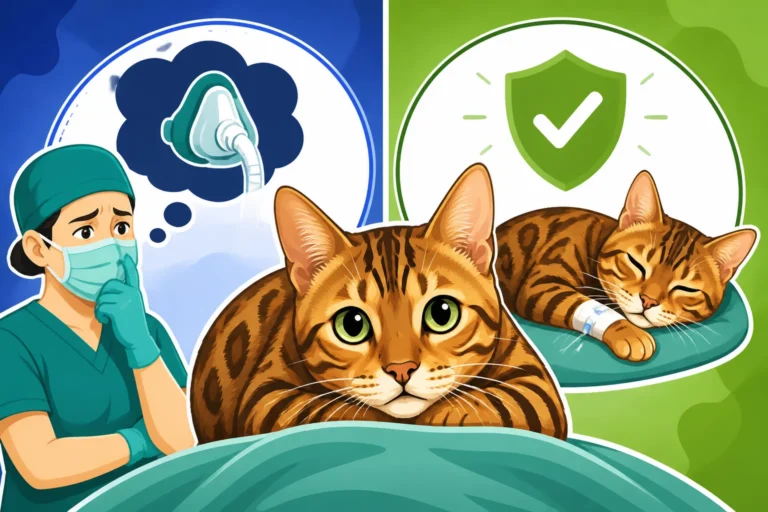
When you arrive for the actual echocardiogram, the veterinary team will guide you through the next steps. Unlike some other tests, an echo usually doesn't require general anesthesia, which is a huge relief for many owners. Most cats, including the famously active Bengals, can undergo the procedure with minimal to no sedation. Sometimes, a very mild sedative might be used if a cat is particularly anxious or uncooperative, just to ensure they stay still long enough for clear images. This is where it's good to consider Whether a Bengal Cat Needs a Pre Surgery Workup if sedation is on the table, to ensure they're fit for even mild medication.
Your Bengal will likely have a small patch of fur shaved on their chest, typically on their side where the ultrasound probe will be placed. This is to ensure good contact between the probe and the skin, as fur can interfere with sound wave transmission. Don't worry, it's a small patch and it will grow back quickly! A small amount of ultrasound gel will also be applied to this area. The environment for the echo is usually quiet and dimly lit, designed to keep your cat as calm as possible. The veterinary staff performing the echo are typically very experienced in handling cats, aiming to make the experience as stress-free as possible for your Bengal.
The Echocardiogram Procedure: Step-by-Step
This is where the magic happens – or at least, the highly technical imaging that gives us vital information about your cat's heart. It's often less intimidating than it sounds.
Positioning and Comfort for Your Cat
For the echocardiogram, your Bengal cat will usually be gently positioned on their side on a padded table with a special cut-out for the ultrasound probe. This positioning allows the veterinary cardiologist or technician to get the best angles of the heart. Sometimes, they might be positioned on their back in a "trough" if that allows for better imaging. A veterinary technician or assistant will be there to gently hold and comfort your cat throughout the procedure, keeping them calm and still. It's truly a testament to the skill of these professionals how often they can perform such a detailed scan on an awake, sometimes squirmy, cat.
The person performing the echo, often a board-certified veterinary cardiologist, will use a transducer (a small probe) that emits high-frequency sound waves. This probe is placed on the shaved area of your cat's chest, and the sound waves travel through the body, bounce off the heart structures, and return to the probe. These echoes are then converted into real-time images on a monitor. It's completely painless and non-invasive, like a human ultrasound for pregnancy, but focused on the heart. Many clinics use specialized equipment designed for small animal cardiology, ensuring the clearest possible images. It’s definitely worth considering Why a Cardiologist Should Scan a Bengal Cat for the most accurate diagnosis and treatment plan.
The Imaging Process and What the Vet Sees
During the scan, the cardiologist will systematically examine different parts of your Bengal's heart. They'll be looking at various aspects, including:
- Heart Muscle Thickness: Measuring the thickness of the ventricular walls, especially the left ventricle, to identify any abnormal thickening characteristic of HCM.
- Chamber Sizes: Assessing the size of all four heart chambers. In HCM, the left atrium often enlarges as the thickened ventricle struggles to fill with blood.
- Valve Function: Observing how the heart valves open and close. Any leakage or narrowing can indicate problems.
- Blood Flow: Using Doppler ultrasound, they can visualize the speed and direction of blood flow through the heart, helping to detect turbulent flow or blockages that are often Signs a Bengal Cat Has Heart Disease.
- Overall Pumping Function: Evaluating how strongly the heart muscle contracts and relaxes.
The cardiologist will take numerous measurements and capture video clips and still images from various angles. This comprehensive examination can take anywhere from 20 to 45 minutes, depending on your cat's cooperation and the complexity of the findings. They're meticulously gathering data to create a complete picture of your Bengal's cardiac health. Having pet insurance like Healthy Paws can be incredibly helpful for covering these specialized diagnostic costs.
Common Questions and Concerns During the Scan
It's normal to have questions swirling in your mind while the echo is happening. Here are a few common ones:
Q: Will my Bengal be scared or uncomfortable?
A: The veterinary team prioritizes your cat's comfort. Gentle handling, a calm environment, and sometimes a mild sedative are all used to minimize stress. Many Bengals tolerate the procedure quite well, sometimes even dozing off.
Q: Can I stay with my cat during the echo?
A: This varies by clinic policy. Some clinics allow owners to be present, as your presence can be comforting to your cat. Others prefer owners to wait in the waiting room to minimize distractions for the cardiologist. It's best to ask ahead of time.
Q: What if they find something?
A: This is the biggest fear, right? If the cardiologist identifies any abnormalities, they will discuss them with you immediately after the scan. They'll explain the findings, their significance, and outline potential next steps, which could include further diagnostics or starting medication. Remember, early detection is key, and finding something early means you can act.
After the Echo: What the Results Mean
Once the echo is complete, the immediate tension often gives way to anxious anticipation. Understanding the results and what comes next is crucial for your Bengal's long-term health.
Interpreting the Findings and Next Steps
After the echocardiogram, the cardiologist will analyze all the measurements, images, and video clips in detail. They will then sit down with you to discuss their findings. This consultation is a critical step. If the heart appears healthy and no abnormalities are found, that’s wonderful news! You’ll typically receive advice on when the next screening echo should be performed, which might be annually or every couple of years, depending on your Bengal's age and any breed predispositions. A clear echo is generally good for a certain period, and your cardiologist will advise on How Long a Clear Bengal Cat Echo Is Good For.
If abnormalities consistent with HCM or another heart condition are detected, the cardiologist will explain the severity, the implications for your cat's health, and the recommended treatment plan. This might include:
- Medication: Often, drugs like beta-blockers, ACE inhibitors, or anti-coagulants are prescribed to manage symptoms, reduce the heart's workload, or prevent clot formation.
- Dietary Changes: Special prescription diets might be recommended to support heart health, often focusing on sodium restriction.
- Lifestyle Adjustments: While Bengals are active, severe heart disease might require slight adjustments to their activity levels to prevent overexertion.
- Follow-up Echos: Regular follow-up scans will be scheduled to monitor the progression of the disease and the effectiveness of the treatment.
This can be overwhelming, so don't hesitate to ask for clarification, take notes, and ask for a written summary of the findings and recommendations. It's a lot to take in, and having a clear plan helps.
Living with an HCM Diagnosis and Ongoing Care
Receiving an HCM diagnosis for your Bengal cat is undeniably upsetting. It's a scary thought, but it's important to remember that it's not an immediate death sentence. With proper management and ongoing care, many cats with HCM can live comfortably for extended periods. Understanding How Long a Bengal Cat Lives After an HCM Diagnosis can vary greatly, but proactive care makes a significant difference.
Your role as an owner becomes even more crucial. Adhering to medication schedules, monitoring your cat for any changes in behavior or breathing, and attending all follow-up appointments are vital. Your vet will guide you on what Signs a Bengal Cat Has Heart Disease to watch for at home, such as changes in activity, coughing, or rapid breathing, which could indicate a worsening condition or the onset of heart failure.
| Aspect | Healthy Bengal Heart | HCM Affected Bengal Heart |
|---|---|---|
| Ventricular Wall Thickness | Normal, within breed-specific measurements | Abnormally thickened (especially left ventricle) |
| Left Atrial Size | Normal, proportional to other chambers | Enlarged, as blood backs up from struggling ventricle |
| Blood Flow | Smooth, laminar flow through chambers and valves | Turbulent flow, potential obstruction (LVOT obstruction) |
| Heart Rhythm | Regular, consistent beats | May have arrhythmias or gallop rhythm |
| Symptoms | No noticeable symptoms | Often asymptomatic until advanced; then lethargy, labored breathing, collapse |
| Prognosis | Excellent, with regular screenings | Variable; can be managed with medication to extend quality of life |
This ongoing commitment can indeed be costly, which is where having a comprehensive pet insurance plan from a provider like Healthy Paws can truly be a lifesaver. They can help cover the expenses of medications, follow-up diagnostics, and emergency care, easing the financial burden and allowing you to focus on giving your Bengal the best possible care. Remember, you're not alone in this journey. Your veterinary team is there to support you and your magnificent Bengal every step of the way.
Disclaimer
Please note that this article is intended for informational purposes only and does not constitute professional veterinary advice. Always consult with a qualified veterinarian or veterinary cardiologist regarding any health concerns or before making any decisions about your Bengal cat's medical care.