Which Medication a Bengal Cat With HCM Takes
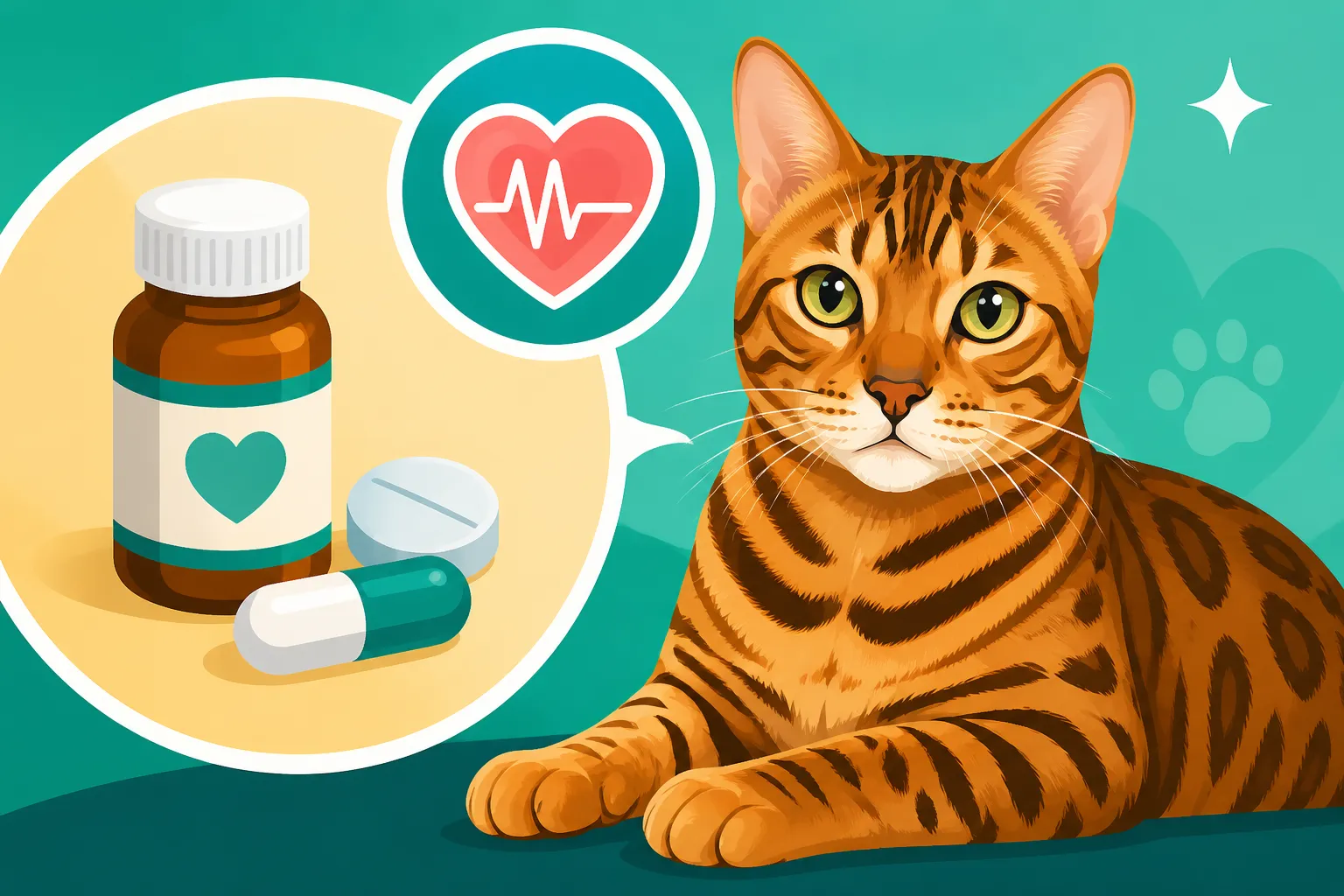
It's absolutely heartbreaking to learn your spirited Bengal cat has been diagnosed with Hypertrophic Cardiomyopathy (HCM), a condition that thickens the heart muscle and can severely impact their quality of life. The thought of managing a chronic illness is overwhelming, and figuring out "Which Medication a Bengal Cat With HCM Takes" is often the first, most urgent question. This guide will walk you through the various medications veterinarians typically prescribe, explaining what each one does, how it helps your beloved feline friend, and what to expect in their long-term care.
Understanding Hypertrophic Cardiomyopathy in Bengal Cats
Hypertrophic Cardiomyopathy, or HCM, is the most common heart disease in cats, and unfortunately, certain breeds, including our active and vivacious Bengal cats, are predisposed to it. It’s a condition where the muscular walls of the heart, particularly the left ventricle, become abnormally thick. This thickening makes it harder for the heart to pump blood effectively and can lead to a host of other complications.
What HCM Does to a Bengal Cat's Heart
Imagine your Bengal's heart as a finely tuned engine. With HCM, the engine walls get too thick, leaving less space inside the chambers for blood to fill up. This reduces the amount of blood the heart can pump out with each beat. As a result, the heart has to work much harder, and over time, this can lead to congestive heart failure, fluid accumulation in the lungs (pulmonary edema), or even sudden cardiac arrest. It's a progressive disease, meaning it tends to worsen over time, though the rate of progression varies greatly from cat to cat. You can dive deeper into the mechanics of this condition by reading our detailed guide on What HCM Does to a Bengal Cat's Heart.
One of the most frustrating aspects of HCM in Bengal cats, and indeed all cats, is its insidious nature. Cats are masters at hiding illness, a survival instinct from their wild ancestors. Your Bengal might seem perfectly fine, playing and zooming around, only for the disease to be quite advanced when detected. This is why regular veterinary check-ups, especially those including cardiac screenings, are so crucial for predisposed breeds.
Recognizing the Subtle Signs of Heart Disease
Because cats are so good at masking symptoms, by the time clinical signs of HCM become obvious, the disease is often well-advanced. This can be incredibly disheartening for owners who feel they missed something. Don't blame yourself; it's genuinely difficult to spot. Early signs might be subtle, like a slight decrease in activity, a tendency to tire more easily after play, or a subtle change in appetite. Your Bengal might start preferring to sleep more, or simply not engaging in their usual antics with the same gusto.
As the disease progresses, more overt signs associated with congestive heart failure can appear. These include rapid or labored breathing, open-mouth breathing (which is always an emergency in cats!), coughing, lethargy, and a reduced appetite. Some cats might even develop a hindlimb paralysis known as saddle thrombus, a devastating complication caused by a blood clot forming in the heart and traveling down to block blood flow to the back legs. Understanding these subtle cues is vital, and you can learn more about specific indicators by checking out our post on Signs a Bengal Cat Has Heart Disease. If you ever notice any sudden changes in your Bengal's breathing or mobility, please seek immediate veterinary attention.
The Arsenal of Medications for Bengal Cat HCM
Once HCM is diagnosed, often through an echocardiogram performed by a veterinary cardiologist, your vet will tailor a medication regimen specifically for your Bengal. There's no single "cure" for HCM, but the medications aim to manage symptoms, improve heart function, prevent complications, and ultimately extend your cat's quality of life. It’s a delicate balance, and dosages often need adjustment as the disease progresses or as your cat responds to treatment.
Diuretics (Furosemide) to Manage Fluid Buildup
One of the most immediate and critical issues in advanced HCM is the accumulation of fluid, particularly in and around the lungs (pulmonary edema) and sometimes in the abdomen. This fluid makes it incredibly difficult for your Bengal to breathe, leading to that distressing labored breathing we discussed earlier. This is where diuretics, like furosemide (often known by the brand name Lasix), come into play.
Furosemide works by increasing urine production, helping your cat's body expel excess fluid. It's often the first line of treatment when a cat presents with congestive heart failure and respiratory distress. By removing this fluid, furosemide helps relieve pressure on the lungs, making breathing easier and more comfortable for your Bengal. It can be a true lifesaver in an emergency. However, it's important to monitor your cat's hydration and kidney function while on diuretics, as excessive fluid loss can lead to dehydration and stress the kidneys. Your vet will guide you on the right dosage and what to look out for.
Beta-Blockers (Atenolol) and Calcium Channel Blockers (Diltiazem) to Support Heart Function
These medications play a crucial role in improving how the heart works by addressing the underlying issues of HCM. They essentially help the thickened heart muscle relax and function more efficiently.
- Beta-Blockers (e.g., Atenolol): These medications slow down the heart rate and reduce the heart's workload. In HCM, the heart can beat very rapidly, and beta-blockers help bring that rate down to a more normal pace. This gives the heart's chambers more time to fill with blood between beats, which is especially important when the walls are thickened and the filling capacity is reduced. They can also help control certain arrhythmias (irregular heartbeats) that can develop with HCM.
- Calcium Channel Blockers (e.g., Diltiazem): Diltiazem helps relax the heart muscle and the arteries, improving blood flow. By allowing the stiff, thickened heart muscle to relax more effectively during the filling phase (diastole), it can help the heart fill with more blood. It also helps to alleviate the dynamic outflow tract obstruction that some HCM cats experience, where the thickened muscle actually blocks the exit path for blood from the left ventricle. This can make a significant difference in how effectively the heart can pump blood to the rest of the body. Both types of medications require careful dosing and monitoring by your veterinarian.
Angiotensin-Converting Enzyme (ACE) Inhibitors (Benazepril, Enalapril) and Pimobendan for Long-Term Management
As the heart struggles to pump blood effectively, the body’s natural systems try to compensate. Sometimes, these compensatory mechanisms can actually cause more harm than good in the long run. ACE inhibitors and Pimobendan are often introduced to help manage these effects and provide sustained support for the heart.
- ACE Inhibitors (e.g., Benazepril, Enalapril): These medications work by blocking the production of certain hormones that constrict blood vessels and cause fluid retention. By doing so, ACE inhibitors help to relax blood vessels, reducing blood pressure and making it easier for the heart to pump blood. They also help reduce the amount of fluid the body retains, complementing the action of diuretics. These are commonly prescribed for long-term management to slow the progression of heart remodeling and improve overall cardiac function.
- Pimobendan (Vetmedin): This is a truly remarkable drug in veterinary cardiology. Pimobendan is an "inodilator," meaning it does two important things: it increases the heart's ability to contract more strongly (positive inotropic effect) and it also dilates blood vessels (vasodilator effect), which reduces the resistance the heart has to pump against. For cats with HCM, this means the heart can pump more efficiently with less effort. Pimobendan can significantly improve quality of life and prognosis in cats with symptomatic HCM and is often a cornerstone of treatment once clinical signs of heart failure are present.
Anticoagulants (Clopidogrel/Plavix) to Prevent Blood Clots
One of the most terrifying and devastating complications of HCM in cats is the formation of arterial thromboembolism, commonly known as a "saddle thrombus." This occurs when a blood clot forms in the left atrium of the heart, where blood can sometimes become stagnant due to poor flow. This clot can then travel out of the heart and lodge in an artery, most commonly at the bifurcation of the aorta, blocking blood flow to the hind legs. This causes acute pain, paralysis, and can be fatal.
To mitigate this risk, veterinarians often prescribe anticoagulants or anti-platelet medications, such as clopidogrel (Plavix), for Bengal cats with HCM, particularly if they have an enlarged left atrium. Clopidogrel works by preventing platelets from clumping together to form clots. While it doesn't thin the blood in the traditional sense, it makes the blood less "sticky," reducing the likelihood of a thrombus forming. This preventive measure can offer immense peace of mind, knowing you are actively trying to prevent such a terrible event. We've talked about this in more detail in our article, How a Bengal Cat Throws a Clot, and the consequences are explored in What Saddle Thrombus Does to a Bengal Cat.
Here's a quick overview of common medications for HCM:
| Medication Type | Common Generic Names | Primary Action | Key Benefits for HCM | Potential Side Effects |
|---|---|---|---|---|
| Diuretics | Furosemide (Lasix) | Increases urine output, reduces fluid retention. | Alleviates pulmonary edema and fluid buildup, improves breathing. | Dehydration, electrolyte imbalance, kidney stress, lethargy. |
| Beta-Blockers | Atenolol | Slows heart rate, reduces heart's oxygen demand. | Reduces heart rate, allows better ventricular filling, controls arrhythmias. | Lethargy, bradycardia (slow heart rate), low blood pressure, worsening heart failure. |
| Calcium Channel Blockers | Diltiazem | Relaxes heart muscle, dilates blood vessels. | Improves ventricular relaxation and filling, reduces outflow obstruction. | Low blood pressure, gastrointestinal upset, lethargy. |
| ACE Inhibitors | Benazepril, Enalapril | Blocks hormones that constrict blood vessels and retain fluid. | Reduces blood pressure, decreases heart workload, prevents fluid retention. | Kidney function changes, low blood pressure, anorexia. |
| Inodilators | Pimobendan (Vetmedin) | Increases heart muscle contractility, dilates blood vessels. | Improves heart's pumping ability, reduces resistance to blood flow. | Anorexia, lethargy, diarrhea, mild heart rate increase. |
| Anti-Platelet Agents | Clopidogrel (Plavix) | Prevents platelets from clumping together to form blood clots. | Reduces risk of arterial thromboembolism (saddle thrombus). | Gastrointestinal upset, increased bleeding risk (rare). |
Navigating Treatment and Supporting Your Bengal Cat
Receiving an HCM diagnosis is a lot to take in, but with the right treatment plan and diligent care, many Bengal cats can continue to lead comfortable and happy lives for a significant period. Your role as their advocate is invaluable in managing this journey.
Administering Medications and Monitoring at Home
Giving pills to a cat, especially a clever and sometimes opinionated Bengal, can be a daily challenge! It takes patience, a calm demeanor, and sometimes a bit of trickery. Many owners find success using pill pockets, flavored treats, or crushing pills (if safe to do so, always check with your vet first!) and mixing them with a small amount of highly palatable wet food or Churu treats. Consistency is key; these medications work best when given regularly and on schedule.
Beyond administering medicine, close observation at home is crucial. Keep a daily log of your Bengal's respiratory rate (breaths per minute while sleeping, ideally below 30 breaths/minute), appetite, activity levels, and any changes in behavior. If you notice an increase in breathing rate, persistent coughing, or any new signs of distress, contact your veterinarian immediately. Early detection of worsening symptoms can make a big difference in treatment outcomes.
The Importance of Regular Veterinary Check-ups and Diagnostics
Managing HCM is an ongoing process that requires a strong partnership with your veterinary team. Regular follow-up appointments are essential, typically every 3-6 months, or more frequently if your Bengal's condition changes. These visits allow your vet to assess your cat's overall health, listen to their heart and lungs, and discuss any changes you've observed.
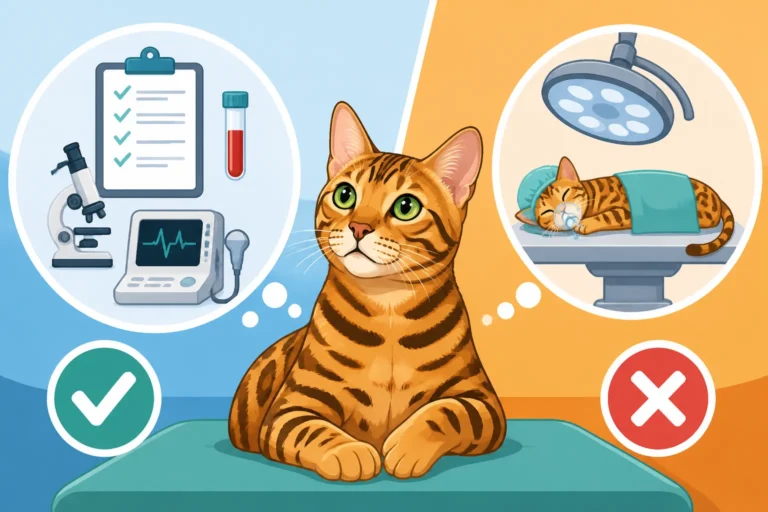
Diagnostic tests, such as repeat echocardiograms, are vital to monitor the progression of the disease and the effectiveness of the medications. Your cardiologist will look for changes in heart muscle thickness, chamber size, and blood flow. Additionally, blood tests may be performed to check kidney function, electrolytes, and other parameters, especially if your cat is on diuretics or ACE inhibitors. Understanding How Often a Bengal Cat Needs an Echo and when they should have their first echo are critical components of proactive care. These regular assessments ensure that your Bengal's medication regimen is optimized for their current condition, adapting as needed to keep them as comfortable and healthy as possible.
Financial Considerations and Pet Insurance
Let's be real: managing a chronic condition like HCM comes with significant financial implications. The cost of diagnostic tests, specialist consultations, and ongoing medications can quickly add up, creating a heavy burden for even the most devoted pet parents. Knowing What a Bengal Cat's HCM Medication Costs can help you prepare. Initial diagnosis can involve several hundred dollars for an echo and consultation, and monthly medication costs can range from $50 to several hundred dollars, depending on the number and type of drugs prescribed. Then there are the costs for follow-up echoes, blood work, and emergency visits, which can be considerable. We also have a breakdown on What a Bengal Cat's First Echo Costs.
This is precisely where pet insurance can be a true lifesaver. Companies like Healthy Paws offer comprehensive plans that can cover a significant portion of these expenses, providing much-needed financial relief and allowing you to focus on your Bengal's care rather than the cost. When choosing a plan, it’s important to understand what is covered for chronic conditions and whether there are any waiting periods or exclusions for pre-existing conditions. Many Bengal cat owners find that investing in a good pet insurance policy from a reputable provider like Healthy Paws early on provides immense peace of mind, especially given the breed's predisposition to conditions like HCM. It's a pragmatic step that can make a world of difference in managing your cat's long-term health.
Disclaimer
The information provided in this guide is for informational purposes only and does not constitute veterinary medical advice. Always consult with a qualified veterinarian or veterinary cardiologist for any health concerns or before making any decisions about your Bengal cat's care or treatment plan.