How Long a Bengal Cat Lives After an HCM Diagnosis
Receiving the diagnosis of Hypertrophic Cardiomyopathy (HCM) in your beloved Bengal cat can feel like a punch to the gut, leaving you reeling with fear and uncertainty about their future. It's a terrifying moment, wondering just how much time you have left with your energetic companion. This guide aims to shed light on what an HCM diagnosis truly means for your Bengal, offering a realistic outlook on lifespan and what you can do to support them through this challenging journey.
Understanding the HCM Diagnosis in Your Bengal Cat
When your vet first delivers the news about HCM, it’s natural to feel overwhelmed. This isn't just "a heart condition"; it's a specific, often aggressive disease that impacts many cat breeds, including our beautiful Bengals. Knowing what you're up against is the first step in navigating the path ahead.
The Reality of Hypertrophic Cardiomyopathy
Hypertrophic Cardiomyopathy (HCM) is the most common heart disease in cats, characterized by a thickening of the muscular walls of the heart, particularly the left ventricle. Imagine the heart as a strong pump; when its walls thicken, the chamber inside becomes smaller and less elastic. This makes it harder for the heart to fill with blood and pump it effectively out to the body. This is a progressive disease, meaning it tends to worsen over time, though the rate of progression varies wildly from one cat to another. For Bengal cats, it's a condition that sadly hits too close to home, and it’s important to understand that HCM Is What Kills Bengal Cats Early in some cases.
The thickened muscle can also disrupt the heart's electrical system, leading to arrhythmias (irregular heartbeats) and even sudden cardiac death. In other cases, the reduced blood flow can cause blood clots to form, which can then travel and block blood vessels, often leading to a devastating condition called saddle thrombus, which causes sudden paralysis and severe pain in the hind legs. This is why vigilance and early detection are so critical, even though it's still a condition that can catch us off guard.
How an HCM Diagnosis Is Made
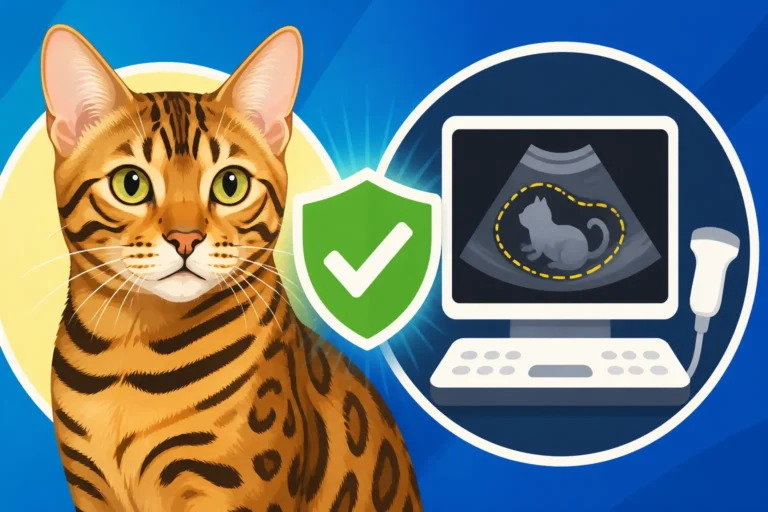
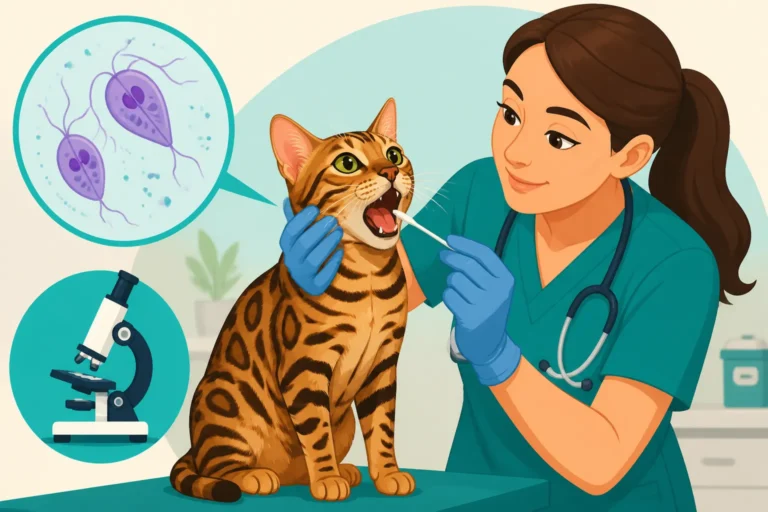
You might have first noticed some subtle changes in your Bengal, perhaps they were a little less playful, or maybe you heard a peculiar sound during a routine vet visit. The primary diagnostic tool for HCM is an echocardiogram, often referred to as an "echo." This is a specialized ultrasound of the heart that allows a veterinary cardiologist to visualize the heart's structure, measure wall thickness, assess blood flow, and check for any abnormalities in valve function. It’s far more definitive than just listening for a murmur, as not all cats with HCM will have a murmur, and not all murmurs indicate HCM.
During an echo, your Bengal will typically lie comfortably on their side while a transducer is used to capture images of their heart. It’s a non-invasive procedure, and usually, no sedation is required, although some particularly energetic Bengals might need a mild sedative to keep them still enough for clear images. A good cardiologist can provide incredibly detailed information about How a Bengal Cat's Echo Is Performed and the exact state of your cat’s heart. Often, additional tests like chest X-rays might be taken to look for fluid accumulation in the lungs (a sign of congestive heart failure) or an ECG to check for arrhythmias.
Factors Influencing Lifespan After an HCM Diagnosis
There's no single answer to "how long does a Bengal cat live after an HCM diagnosis?" It's a profoundly personal journey for each cat, influenced by a complex interplay of factors that can either prolong their comfort and vitality or sadly shorten their time.
Severity and Progression of the Disease
This is perhaps the biggest variable. Some Bengal cats are diagnosed with asymptomatic HCM, meaning the thickening is mild, and they show no outward signs of illness. These cats might live for many years with minimal or no intervention, enjoying a full quality of life. Other Bengals are diagnosed with more severe HCM, where the heart muscle is significantly thickened, potentially leading to congestive heart failure or blood clot formation much sooner.
The rate at which the disease progresses is also a huge factor. Some cats have a very slow, insidious progression, while others can decline quite rapidly over months. A veterinary cardiologist will use staging systems to classify the severity of your cat's HCM, typically from Stage B1 (asymptomatic, mild) to Stage C (congestive heart failure) or D (end-stage, refractory congestive heart failure). The stage at diagnosis is a strong indicator of prognosis. For instance, cats diagnosed at Stage C will naturally have a shorter prognosis than those at Stage B1.
Age at Diagnosis
The age at which your Bengal cat receives an HCM diagnosis can significantly impact their remaining lifespan. Tragically, HCM can appear at The Age HCM Appears in a Bengal Cat in quite young animals, sometimes even before two years old. Generally, cats diagnosed at a younger age, especially with more aggressive forms of the disease, may have a shorter life expectancy simply because the disease has more time to progress and cause severe complications. A young cat with advanced HCM might only have months to a couple of years.
Conversely, an older Bengal cat (say, over 8-10 years old) diagnosed with mild, asymptomatic HCM might live for several more years, sometimes even succumbing to other age-related illnesses before the HCM becomes life-limiting. Their overall health and resilience also play a role; an older cat with multiple health issues might struggle more than a robust younger cat, even with similar heart conditions.
Treatment Protocols and Veterinary Care
Consistent and appropriate veterinary care is paramount. Once diagnosed, your vet or a veterinary cardiologist will devise a treatment plan tailored to your Bengal's specific condition. This often involves medication to manage symptoms, slow progression, and prevent complications. Regular follow-up echocardiograms are crucial to monitor the disease and adjust medication as needed, so you'll need to know How Often a Bengal Cat Needs an Echo.
Working closely with a board-certified veterinary cardiologist can make a world of difference. These specialists have advanced training and expertise in managing feline heart conditions and can offer the most up-to-date and effective treatments. Their ability to finely tune medication dosages and anticipate potential issues can significantly extend both the quality and length of your Bengal's life. Don't hesitate to ask your vet for a referral if you haven't seen a cardiologist yet; it could be one of the most important decisions you make.
Lifestyle and Home Management
Beyond the vet's office, what you do at home day-to-day plays a huge role. Creating a low-stress environment is critical for cats with heart conditions. Stress can increase heart rate and blood pressure, putting additional strain on an already compromised heart. This means maintaining a predictable routine, providing safe and quiet spaces, and minimizing sudden changes or loud noises.
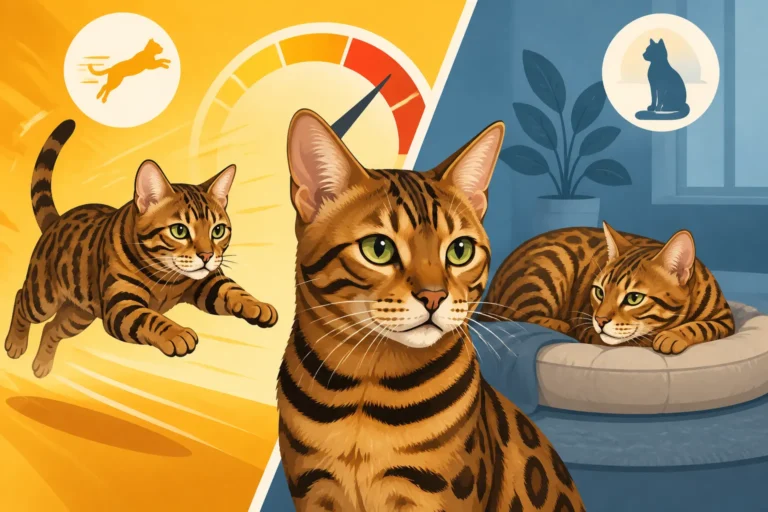
Diet might also be adjusted, particularly if your Bengal is showing signs of congestive heart failure. A low-sodium diet might be recommended to help manage fluid retention. Ensuring your Bengal has easy access to fresh water is always important. While a Bengal cat is known for being The Bengal Cat Is the Most Active Cat You Can Own, you might need to manage their activity levels, gently discouraging overly strenuous play if they are symptomatic. It's about finding a balance between their need for enrichment and protecting their heart.
What to Expect: A Realistic Look at Lifespans
Navigating an HCM diagnosis means tempering hope with realism. While some cats defy expectations, it's important to understand the typical spectrum of outcomes so you can prepare yourself and provide the best possible care.
Average Lifespans and Variables
It's tough to give a precise number, but generally, for Bengal cats diagnosed with HCM, the lifespan can range from a few months in severe, rapidly progressing cases to several years (3-5 years, sometimes even longer) for those with mild, well-managed disease. Some cats might even live a near-normal lifespan, dying of old age or other conditions before HCM becomes critical.
Here’s a rough breakdown, but remember, every cat is an individual:
| HCM Stage at Diagnosis | Typical Lifespan Post-Diagnosis | Key Considerations |
|---|---|---|
| B1 (Asymptomatic, Mild) | 3-5+ years, potentially normal | Often found on routine screening; may not require medication immediately; regular monitoring is key. How Long a Clear Bengal Cat Echo Is Good For will guide follow-ups. |
| B2 (Asymptomatic, Moderate/Severe) | 1-3 years, sometimes more | Medication often started to slow progression and prevent complications; higher risk of congestive heart failure or clot. |
| C (Congestive Heart Failure) | 6-18 months | Requires aggressive medication to manage fluid accumulation; focus shifts to quality of life; Signs a Bengal Cat Is Breathing Hard are critical to watch for. |
| D (End-Stage, Refractory) | Weeks to a few months | Medications may lose effectiveness; quality of life becomes main concern; difficult decisions may arise. |
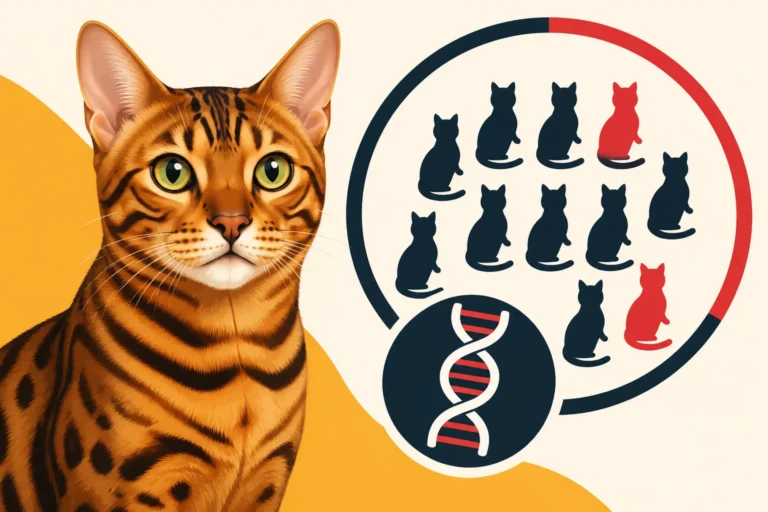
These are just averages, and individual responses to treatment, the specific genetic factors (Whether HCM Runs in Particular Bengal Cat Lines), and overall constitution of your Bengal can shift these numbers. It's truly a rollercoaster, with good days and bad days, and you'll become incredibly attuned to your cat's subtle cues.
Potential Complications and Their Impact
The biggest threats to a Bengal cat with HCM are congestive heart failure (CHF) and arterial thromboembolism (ATE), commonly known as a "saddle thrombus."
- Congestive Heart Failure (CHF): This occurs when the heart can no longer pump blood efficiently enough to meet the body's needs, leading to fluid backing up, most commonly in the lungs (pulmonary edema) or around the lungs (pleural effusion). Symptoms include rapid or labored breathing, coughing, lethargy, and loss of appetite. CHF is an emergency, and while it can be managed with medication, it significantly shortens lifespan. Why a Bengal Cat Hides Heart Failure is a cruel reality, meaning you need to be extra vigilant for subtle signs.
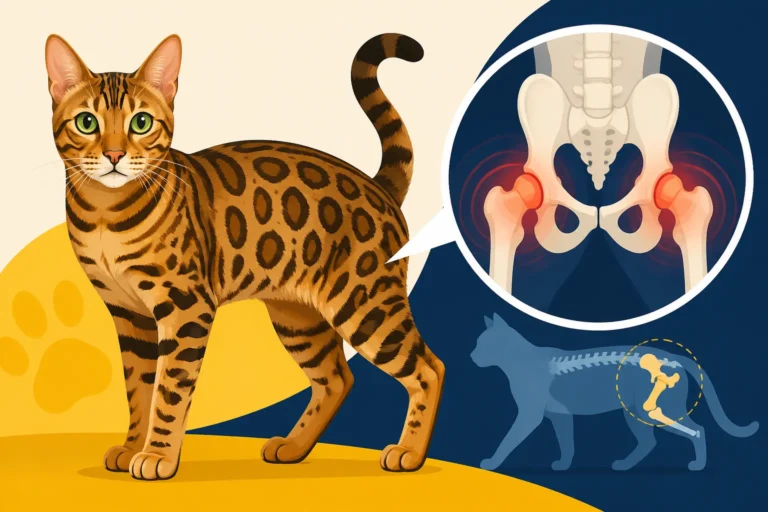
- Arterial Thromboembolism (ATE / Saddle Thrombus): This is a devastating complication where a blood clot forms in the heart, breaks off, and travels, usually lodging in the aorta where it splits to supply the hind legs. This blocks blood flow, causing sudden, severe pain and paralysis of the hind limbs. What Saddle Thrombus Does to a Bengal Cat is truly heartbreaking. While some cats can recover with aggressive emergency treatment, many do not, and it often leads to a decision for humane euthanasia due to the pain and poor prognosis. Prophylactic anti-clotting medications are often prescribed for Bengals at high risk of ATE.
Other complications include arrhythmias, which can sometimes be life-threatening and require specific anti-arrhythmic drugs. Each complication, when it arises, can dramatically impact the remaining lifespan and quality of life for your Bengal.
Supporting Your Bengal Cat's Quality of Life
Beyond the numbers, the most important thing is to ensure your Bengal lives their best possible life for as long as they can. This means prioritizing their comfort, happiness, and mental well-being. Continue to engage them in gentle play, provide enrichment that isn't overly strenuous, and offer plenty of cuddles and reassurance.
Watch closely for any changes in behavior or appetite. A Bengal cat's zest for life is part of their charm, and a sudden decrease in activity, hiding, or reluctance to eat can be significant Signs a Bengal Cat Has Heart Disease and warrant an immediate call to your vet. Maintaining their quality of life also means being prepared to make difficult decisions if their suffering outweighs their comfort, a conversation you should have with your vet well in advance. Pet insurance providers like Healthy Paws can often help with the significant costs associated with managing a chronic condition like HCM, allowing you to prioritize treatments that improve quality of life.
Navigating Treatment and Care Options
Facing an HCM diagnosis means entering a new phase of dedicated care. It's a journey that requires teamwork between you, your Bengal, and your veterinary team. Understanding the typical treatment protocols will empower you to be an informed advocate for your cat.
Medications and Their Role
The cornerstone of HCM management in symptomatic cats or those at high risk of complications is medication. These aren't cures, but rather tools to manage symptoms, reduce cardiac workload, and prevent secondary issues. The specific cocktail of drugs will depend on your Bengal's stage of HCM and any concurrent issues.
Common medications include:
- Beta-blockers (e.g., Atenolol): These help to slow the heart rate, allowing the thickened heart muscle more time to relax and fill with blood. They can also reduce the dynamic outflow tract obstruction seen in some HCM cases, which is where the thickened muscle actually blocks blood flow out of the heart.
- Calcium channel blockers (e.g., Diltiazem): Similar to beta-blockers, these drugs also help relax the heart muscle and improve its ability to fill.
- ACE inhibitors (e.g., Benazepril): These medications help dilate blood vessels, reducing the resistance the heart has to pump against. They can also help reduce fluid retention.
- Diuretics (e.g., Furosemide): Crucial for cats in congestive heart failure, diuretics help remove excess fluid from the body, particularly from the lungs, making it easier for your Bengal to breathe. You'll likely notice increased urination if your cat is on a diuretic.
- Anti-clotting agents (e.g., Clopidogrel, Aspirin): For Bengals at high risk of developing a saddle thrombus, these medications help prevent blood clot formation. Your cardiologist will assess this risk based on factors like left atrial enlargement.
Administering medication to a cat, especially a clever and sometimes stubborn Bengal, can be a challenge. You might need to experiment with pill pockets, compounding pharmacies for liquid medications, or even a 'pill gun'. Consistency is key, so find a method that works for both of you. The cost of What a Bengal Cat's HCM Medication Costs can add up, so factor this into your long-term budget.
Monitoring and Regular Check-ups
Even with medication, ongoing vigilance is vital. Your Bengal will need regular check-ups, typically every 3-6 months, or more frequently if their condition changes. These visits will involve physical exams, blood pressure checks, and potentially repeat echocardiograms or chest X-rays. These tests allow your vet to assess the effectiveness of the medications, monitor disease progression, and make any necessary adjustments to the treatment plan.
Between vet visits, you become your Bengal’s primary observer. Learn to count their resting respiratory rate (breaths per minute while asleep or calmly resting). A normal rate is generally below 30 breaths per minute. If you notice a consistent increase, particularly above 40, it could be a sign of fluid in the lungs and warrants an immediate call to your vet. You can also monitor their energy levels, appetite, and any changes in their usual habits. Keeping a small journal can be incredibly helpful for tracking these subtle shifts and sharing detailed information with your vet.
The Importance of a Low-Stress Environment
For a cat with HCM, stress is a silent enemy. Any excitement, fear, or anxiety can increase their heart rate and blood pressure, placing extra strain on their already compromised heart. Therefore, creating a calm, predictable, and enriched environment is just as important as medication.
Think about what triggers stress for your Bengal. Is it loud noises, visitors, changes in furniture, or a rivalry with another pet? Do your best to minimize these triggers. Provide plenty of vertical space for climbing and observing, like sturdy cat trees, which can help a Bengal feel secure and in control. Ensure they have quiet, secluded hiding spots where they can retreat if they feel overwhelmed. Maintain a consistent feeding and play schedule. If you have other pets, ensure they get along and aren't causing constant low-level stress. Even minor things, like the type of litter box or the location of their food and water bowls, can contribute to overall well-being. A pet insurance policy from a company like Healthy Paws can give you peace of mind that you can afford stress-reducing amenities or specialist care when needed.
Emotional Support and Planning for the Future
Living with a Bengal cat diagnosed with HCM is an emotional rollercoaster. It's perfectly normal to feel a mix of grief, fear, hope, and anxiety. Giving yourself permission to feel these emotions, and preparing for what might come, is an important part of the journey.
Coping with the News
The initial shock of an HCM diagnosis can be devastating. You might find yourself constantly worrying, second-guessing every tiny change in your Bengal's behavior. It's crucial to acknowledge these feelings and give yourself grace. Talk to trusted friends, family members, or even your veterinary team about your concerns. Many people find comfort in online support groups for owners of cats with heart disease, where shared experiences and advice can be invaluable. Remember, you're not alone in this, and countless pet parents have walked a similar path. Your primary goal is to provide comfort and love, making every moment count.
Making Difficult Decisions
As HCM progresses, there may come a time when your Bengal's quality of life diminishes, despite all efforts. This is perhaps the hardest part of being a pet parent. Having open and honest conversations with your veterinarian about your cat's prognosis, comfort levels, and potential future scenarios is essential. Discuss what signs to look for that indicate a significant decline, such as persistent difficulty breathing, severe pain, inability to eat or drink, or a complete loss of joy in their usual activities.
Knowing What Most Bengal Cats Die Of can help you understand the end stages of HCM. Planning for humane euthanasia, while incredibly painful, can be an act of profound love, preventing prolonged suffering. Some owners opt for in-home euthanasia to provide a peaceful, familiar setting for their cat's final moments. It's a deeply personal decision, and there is no right or wrong answer, only what feels best for you and your beloved Bengal. Focus on the happy moments you shared, and cherish the time you still have.
Disclaimer
This article is intended for informational purposes only and does not constitute veterinary advice. Always consult with a qualified veterinarian or veterinary cardiologist regarding any health concerns or before making any decisions about your Bengal cat's care.