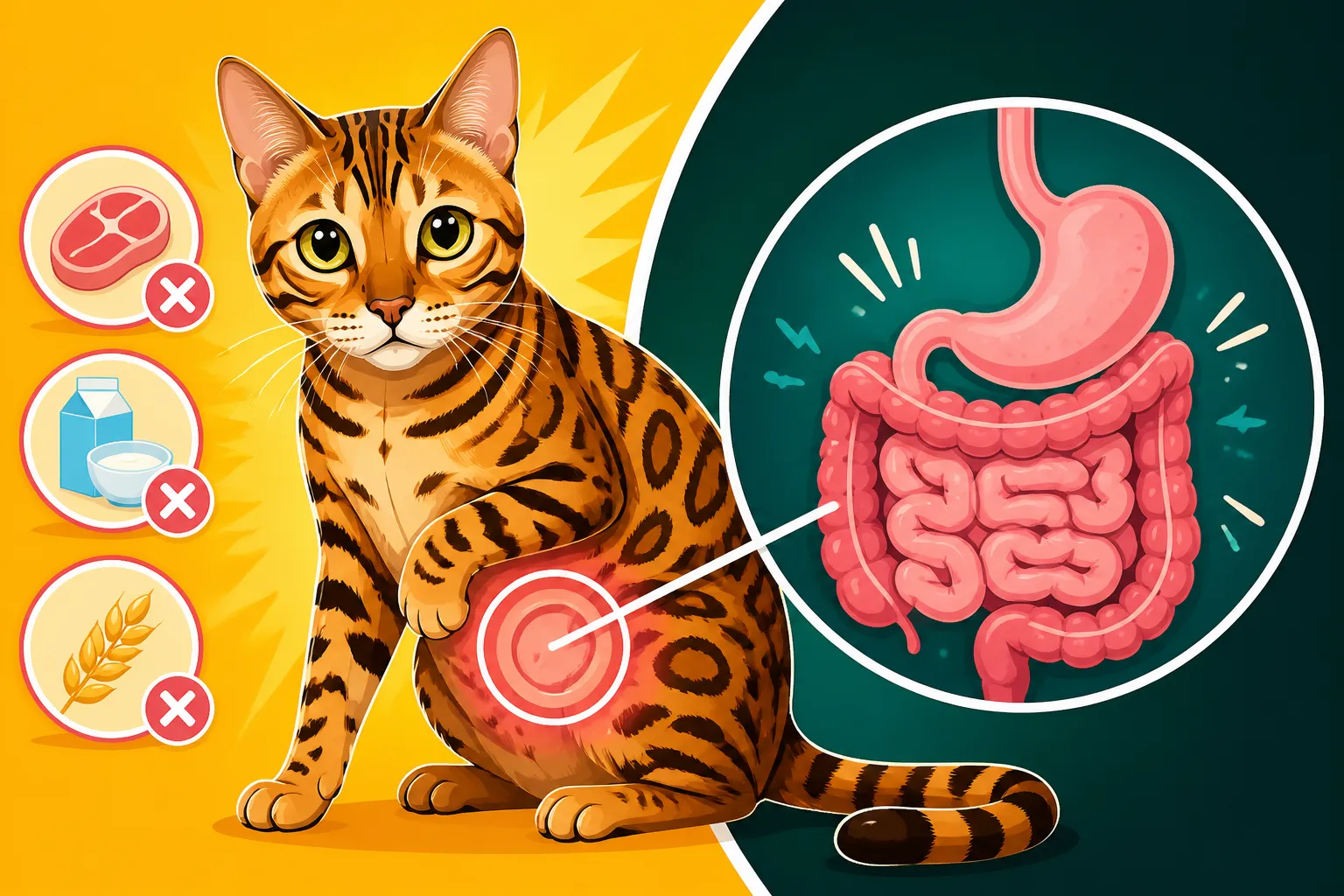
Why a Bengal Cat’s Gut Is So Sensitive
If you’re a Bengal cat owner, you know that their striking looks and energetic personalities come with a few quirks, and one of the most common complaints we hear is about their incredibly sensitive digestive systems. It’s incredibly frustrating when your otherwise vibrant Bengal seems plagued by intermittent bouts of diarrhea, unexplained vomiting, or a perpetually upset tummy, leaving you constantly wondering what’s going on inside. This comprehensive guide will delve deep into the unique reasons why Bengal cats often have such delicate guts and equip you with practical strategies to help keep their digestion happy and healthy.
The Legacy of Wild Genes on the Bengal Cat's Digestion
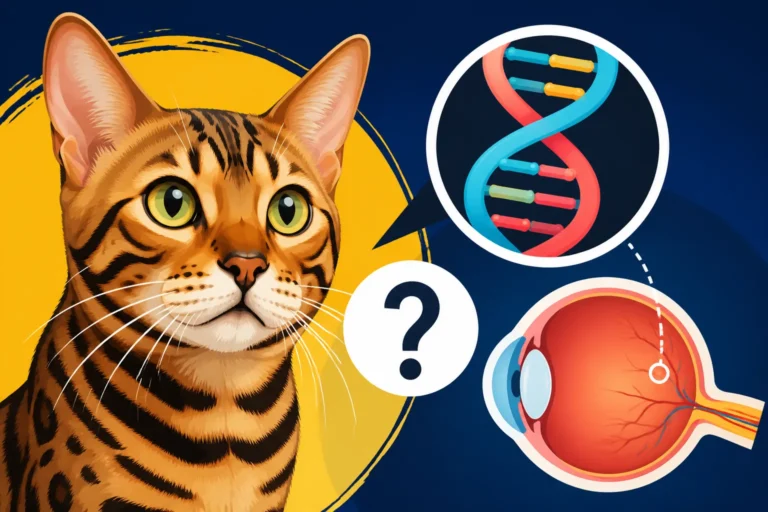
Beneath that gorgeous, spotted coat lies the genetic blueprint of a wild ancestor, the Asian Leopard Cat (ALC). This wild heritage is the primary reason why your Bengal cat's digestive system operates a little differently from that of a typical domestic housecat. Understanding this crucial link is the first step toward solving their tummy troubles.
The Ancestral Diet of the Asian Leopard Cat
The Asian Leopard Cat, or ALC, is a small, solitary wild cat native to various parts of Asia. Their natural diet in the wild consists predominantly of small prey animals like rodents, birds, insects, and occasionally reptiles and amphibians. Think about it: a diet of whole prey is extremely high in protein, moderate in fat, and, crucially, very low in carbohydrates. It’s also packed with moisture, as they consume the blood and body fluids of their catch.
Their digestive system evolved over millennia to efficiently process this specific type of diet. They have a relatively short digestive tract, optimized for breaking down and absorbing nutrients from raw meat and bone rapidly. This rapid transit time means that their gut isn't designed to linger over complex carbohydrates or highly processed ingredients, which are often found in commercial pet foods. Any deviation from this ancestral blueprint can put a significant strain on their system, leading to inflammation and discomfort.
When a Bengal cat, even many generations removed from their wild ancestor, is fed a diet high in grains, fillers, or plant-based proteins, their gut often struggles to cope. Their bodies simply aren't equipped with the same long digestive tract or the specific enzymes that might help a more domesticated cat process such ingredients effectively. This fundamental mismatch between their genetic predisposition and a modern, often carb-heavy, dry kibble diet is a major contributor to their sensitive stomachs. It’s like asking a lion to thrive on a diet of vegetables – it’s just not what their biology is built for.
The Impact of Early Generation Breeding on Gut Health
The Bengal cat breed began with a cross between an Asian Leopard Cat and a domestic cat. These initial crosses, known as F1 generations, followed by F2 and F3 generations, retain a significant amount of their wild ancestor's genetic makeup. While the goal was to produce a beautiful, domestic cat with a wild look, certain physiological traits, including digestive sensitivity, carried through. You can learn more about What an Asian Leopard Cat Is Behind Every Bengal Cat in our detailed article.
Even "SBT" (Stud Book Tradition) Bengals, which are generally considered fully domestic and are at least four generations removed from their wild ancestor, still carry many of these inherent traits. Their digestive systems, though somewhat adapted to a domestic life, remain fundamentally similar to those of their wild counterparts. This means that while an F1 Bengal might exhibit more pronounced wild behaviors and digestive quirks, even an SBT Bengal can suddenly present with inexplicable bouts of diarrhea or a finicky appetite, directly linked to this genetic heritage.
The challenge intensifies during critical periods like weaning from their mother's milk, transitioning to solid food, or moving to a new home. For a Bengal cat, these changes can be profound stressors. An abrupt shift in diet, for instance, from a breeder’s chosen food to a new brand, can trigger a severe gastrointestinal upset because their systems are less forgiving of change than those of many other cat breeds. Their gut microbiome, delicate and finely tuned to a specific diet, can be easily thrown off balance, leading to a cascade of digestive problems.
It's important for prospective and current owners to recognize that this sensitivity isn't a "flaw" in the breed, but rather a biological reality stemming from their unique lineage. It requires a more mindful and proactive approach to diet and environment. Understanding this foundational aspect helps us move beyond simple frustration to finding effective, tailored solutions for these magnificent cats.
Common Digestive Disruptors for Bengal Cats
Beyond their wild ancestry, several common factors can trigger or exacerbate digestive problems in Bengal cats. These aren't unique to Bengals, but their inherent sensitivity often means they react more intensely and for longer periods to these irritants.
Persistent Parasites and Protozoa
If your Bengal cat is experiencing chronic diarrhea, especially if they’ve come from a multi-cat environment like a cattery or rescue, intestinal parasites and protozoa are high on the list of suspects. Two notorious culprits that seem to plague Bengal cats disproportionately are Tritrichomonas foetus and Giardia. These aren't your typical worms; they're microscopic organisms that can cause persistent, watery, foul-smelling diarrhea, often with mucus or blood. It's an incredibly frustrating situation, as these infections can be difficult to diagnose and even harder to eradicate, leading to Chronic Diarrhea Is the Bengal Cat Complaint Nobody Warns About.
Tritrichomonas foetus, for example, is a protozoan parasite that causes chronic large bowel diarrhea. It’s particularly common in Bengal cats and catteries. The symptoms can come and go, making it seem like your cat is getting better, only for the diarrhea to return with a vengeance. Diagnosing it requires a specific type of fecal test called a PCR test, as it's often missed with standard fecal examinations. The treatment itself can be challenging, involving specific medications that aren't always readily available and can have side effects. To learn more about this pesky parasite, check out What Tritrichomonas Does to a Bengal Cat.
Similarly, Giardia is another protozoan that causes diarrhea, often more acute but can also become chronic. It's highly contagious and can spread quickly, especially in environments where many cats live together. Bengal kittens are particularly vulnerable. The diarrhea associated with Giardia can range from soft stools to watery diarrhea, sometimes with a greasy appearance. Like Tritrichomonas, it can be difficult to eliminate entirely, and re-infection is a constant risk, especially if not all sources of contamination in the environment are addressed. Understanding How a Bengal Cat's Giardia Is Treated is crucial for effective management. Repeated fecal tests, rigorous cleaning, and sometimes multiple rounds of medication are often necessary to truly get it under control.
Food Intolerances and Allergies
Just like people, Bengal cats can develop sensitivities or full-blown allergies to certain ingredients in their food. These aren't always immediately obvious and can manifest as digestive upset, skin issues, or a combination of both. It’s important to distinguish between an intolerance, which causes digestive upset, and an allergy, which involves an immune response and can have more severe symptoms.
Common culprits in commercial cat foods often include specific protein sources (like chicken, beef, or fish), grains (corn, wheat, soy), dairy, and artificial additives, colors, or preservatives. Even an ingredient that your Bengal has eaten for years without issue can suddenly become a trigger. A sudden switch to a new food, especially one with ingredients your cat hasn’t encountered before, can also wreak absolute havoc on their delicate system, leading to acute vomiting or diarrhea.
Identifying the specific trigger often requires a process of elimination known as a "food trial" or "elimination diet." This involves feeding your Bengal a novel protein source (one they've never eaten before, like duck, rabbit, or venison) and a single, limited carbohydrate for an extended period, typically 8-12 weeks. During this time, absolutely no other treats, supplements, or flavored medications can be given. It's a test of patience, but it's often the most reliable way to pinpoint the problematic ingredient. This is why our article When a Bengal Cat Needs a Food Trial is so vital for owners navigating this difficult process. Once the trigger is identified, selecting a diet that avoids that ingredient is paramount. Sometimes, a cat might need a prescription hydrolyzed protein diet, where the protein molecules are broken down to be unrecognizable by the immune system.
Stress, Environment, and the Gut-Brain Connection
Bengal cats are renowned for their intelligence, high energy, and often intense personalities. While these traits make them captivating companions, they also mean that Bengals can be more susceptible to stress and anxiety, which, surprisingly, can directly impact their digestive health. The "gut-brain connection" is a well-established phenomenon in both humans and animals, where emotional and psychological stress can manifest as physical symptoms, particularly in the digestive tract.
Consider a Bengal in a new environment, or one where their routine is constantly disrupted. A new pet, a move to a different house, loud noises, a change in household members, or even a lack of sufficient mental and physical enrichment can all contribute to significant stress. For a highly sensitive and intelligent breed like the Bengal, boredom can be just as stressful as an overt threat. When a Bengal is stressed, their body releases hormones that can alter gut motility, increase inflammation in the digestive lining, and even change the balance of beneficial bacteria in their microbiome.
This physiological response to stress can lead to symptoms such as acute diarrhea, vomiting, appetite loss, or even constipation. Owners often report that their Bengal's tummy troubles seem to flare up during periods of change or when they’ve been left alone for longer than usual. It’s a vicious cycle: stress causes gut upset, and gut upset can, in turn, cause more stress for the cat.
Therefore, creating a stable, enriching, and predictable environment is not just about their mental well-being; it's a critical component of maintaining their digestive health. Adequate play, consistent feeding schedules, quiet spaces, and minimal abrupt changes can go a long way in buffering the impact of stress on their sensitive digestive systems.
Nurturing a Resilient Bengal Gut: Practical Approaches
Understanding why your Bengal's gut is sensitive is half the battle; the other half is knowing how to proactively support their digestive health. This involves a multi-faceted approach, combining dietary wisdom, appropriate supplementation, and managing their environment.
Crafting an Optimal Diet
Given their wild ancestry, the cornerstone of a healthy digestive system for a Bengal cat is a diet that closely mimics what their ancestors would have eaten. This means a focus on high-quality, animal-based protein, moderate healthy fats, and crucially, very low carbohydrates. Remember, their short digestive tracts aren't designed for processing grains, corn, or potatoes.
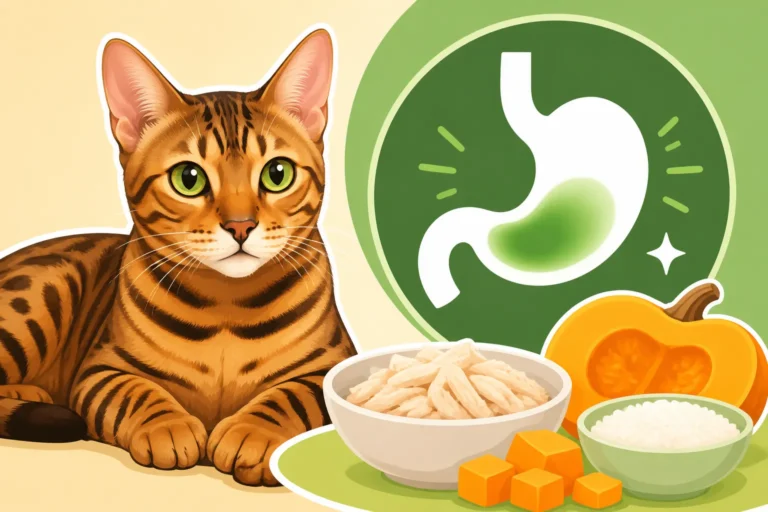
Many Bengal owners find success with a high-quality wet food diet. Wet food provides essential moisture, which aids digestion, keeps the kidneys healthy, and helps prevent constipation. Look for wet foods with meat (like chicken, turkey, duck, or rabbit) as the first few ingredients, and minimal or no grains and fillers. If you’re struggling to find the right balance, our guide on Which Food Firms Up a Bengal Cat's Stool offers some excellent advice. While dry kibble can be convenient, relying solely on it can be problematic due to its typical high carbohydrate content and low moisture. Often, it's beneficial to feed a combination of wet and dry, or exclusively wet. You might also want to explore Why Wet Food Suits a Bengal Cat's Gut for more insights.
Some breeders and owners advocate for a raw food diet for Bengal cats, believing it to be the closest approximation to their natural ancestral diet. A well-balanced raw diet, often referred to as a Biologically Appropriate Raw Food (BARF) diet, can be highly digestible and beneficial for some Bengals. However, it requires careful research and preparation to ensure it's nutritionally complete and safe from pathogens. It’s certainly a topic of much discussion among owners, so our article Whether a Raw Diet Suits a Bengal Cat's Gut is a must-read if you're considering this path. Regardless of the type of food you choose, consistency is key; frequent changes can upset a sensitive stomach. If despite all efforts, your Bengal faces chronic digestive issues requiring extensive diagnostics or ongoing treatment, having pet insurance from a reliable provider like Healthy Paws can significantly ease the financial burden.
The Role of Probiotics and Supplements
Sometimes, even with the best diet, a Bengal cat's gut microbiome can be out of balance, especially after a course of antibiotics, a parasitic infection, or a period of stress. This is where probiotics can play a vital supportive role. Probiotics are live microorganisms that, when administered in adequate amounts, confer a health benefit to the host. In simpler terms, they help introduce beneficial bacteria to the gut, restoring balance and improving digestive function.
Veterinary-specific probiotics, often containing strains like Enterococcus faecium or Bifidobacterium animalis, are generally recommended over human-grade supplements. They are formulated with the feline gut in mind and often come in palatable powders that can be sprinkled over food. Probiotics can be particularly helpful during periods of stress, when transitioning to a new food, or as a preventative measure if your Bengal is prone to intermittent digestive upset. It's worth exploring Whether Probiotics Help a Bengal Cat for a deeper understanding of their benefits.
Beyond probiotics, other supplements like prebiotics (types of fiber that feed beneficial gut bacteria) or digestive enzymes might be suggested by your veterinarian in specific cases. For instance, enzymes can help cats with pancreatic insufficiency better digest their food. However, it’s absolutely crucial to consult your veterinarian before introducing any new supplements. They can help you determine if a supplement is truly necessary, recommend the appropriate type and dosage, and rule out any underlying medical conditions that might be masquerading as simple digestive upset. Self-prescribing can be ineffective or, in some cases, even harmful.
Environmental Enrichment and Stress Reduction
As we've discussed, stress can be a significant trigger for Bengal cat digestive issues. These highly intelligent and active cats thrive on mental and physical stimulation. A bored or under-stimulated Bengal is often a stressed Bengal, and that stress will frequently manifest in their gut. Providing ample environmental enrichment is therefore not just about keeping them happy; it's a proactive step towards maintaining their digestive health.
Consider incorporating tall cat trees, wall shelves, and other vertical spaces into your home. Bengals love to climb and observe their kingdom from above. Puzzle feeders are excellent for engaging their minds during meal times, slowing down eating, and preventing boredom. Regular, interactive play sessions with wand toys are also essential for burning off their boundless energy. A catio – a safe, enclosed outdoor space – can also provide much-needed stimulation and fresh air without the dangers of free-roaming outdoors.
Maintaining a consistent daily routine can also provide a sense of security and reduce anxiety. Regular feeding times, play sessions, and even bedtime routines can make a big difference. Minimizing loud noises and providing quiet, safe "hidey holes" can help them de-stress. A calm, predictable environment goes a long way in supporting their overall well-being, including their sensitive digestion. Investing in their enrichment is investing in their health, potentially preventing costly vet visits for stress-related gut issues. However, if an unexpected illness or injury does occur, knowing you have pet insurance, such as from Healthy Paws, can provide significant peace of mind.
When to Consult Your Veterinarian
While a sensitive gut is common in Bengal cats, persistent or severe digestive symptoms are never "normal" and always warrant a visit to your veterinarian. Early intervention can prevent more serious complications and provide relief for your beloved companion. Don't fall into the trap of thinking a little diarrhea now and then is just "how Bengals are."
Here are some red flags that indicate it's time to see the vet:
- Persistent Diarrhea: If diarrhea lasts for more than 24-48 hours, or if it’s recurring frequently.
- Vomiting: Especially if it’s happening multiple times a day, for more than 24 hours, or if your cat can't keep water down.
- Blood in Stool or Vomit: This can range from bright red streaks to dark, tarry stool (digested blood) and is always an emergency.
- Lethargy and Weakness: If your Bengal is unusually tired, uninterested in play, or seems generally unwell.
- Loss of Appetite: If your cat refuses to eat for more than 24 hours.
- Dehydration: Signs include sticky gums, sunken eyes, or reduced skin elasticity.
- Weight Loss: Any unexplained or rapid weight loss should be investigated.
- Pain: Crying out when touched, hiding, or assuming a hunched posture.
Your veterinarian will conduct a thorough physical examination and likely recommend diagnostic tests. These can include multiple fecal analyses to check for parasites and protozoa (sometimes requiring specialized PCR tests), blood work to assess organ function and check for inflammation or infection, and potentially imaging like X-rays or abdominal ultrasound to look for structural abnormalities or foreign bodies. In some cases, a food trial might be initiated, or specialized endoscopic procedures might be considered for biopsy. These diagnostics and treatments can quickly become expensive, which is why many Bengal owners choose to invest in pet insurance. Providers like Healthy Paws can help cover the costs of unexpected illnesses and ongoing treatments, allowing you to make medical decisions based on your cat's best interest rather than your wallet.
Table: Dietary Approaches for Bengal Cat Gut Health
| Dietary Approach | Description | Pros for Bengal Gut Health | Cons/Considerations |
|---|---|---|---|
| High-Quality Wet Food | Commercial wet food, prioritizing animal protein, low carbohydrates, and minimal fillers. | High moisture content, mimics ancestral diet, often novel protein options, highly digestible. | Can be more expensive, some brands still contain problematic fillers, dental health needs attention. |
| Raw Food (BARF) | Raw meat, organs, and bone, often homemade or commercially prepared, designed to mimic whole prey. | Closest to ancestral diet, excellent digestibility, high moisture, no artificial ingredients. | Risk of pathogens if not handled correctly, requires careful balancing to be nutritionally complete, not for every cat. |
| Limited Ingredient Diet (LID) | Commercial food (wet or dry) with a single novel protein source and minimal other ingredients. | Helps identify and eliminate food sensitivities, often well-tolerated by sensitive guts. | Limited options, can be expensive, not a long-term solution without vet guidance. |
| Hydrolyzed Protein Diet | Prescription veterinary diet where proteins are broken down into tiny molecules the immune system won't recognize. | Gold standard for diagnosing and managing food allergies, highly digestible, reduces immune response. | Only available through vets, very expensive, less palatable for some cats. |
| High-Quality Dry Kibble | Dry food with high animal protein, low grain content, and good quality fats. | Convenient, cost-effective, aids dental health. | Lower moisture content, still higher in carbohydrates than ideal, some brands use problematic fillers. |
Disclaimer
The information provided in this article is for general informational purposes only and does not constitute veterinary advice. Always consult with a qualified veterinarian for any health concerns or before making any decisions about your Bengal cat's diet, care, or treatment plan.