Whether a Raw Diet Suits a Bengal Cat’s Gut
The question of whether a raw diet genuinely suits a Bengal cat's gut is a deeply debated topic among owners and breeders alike, often leaving new Bengal parents feeling utterly overwhelmed and confused. Many struggle with their Bengal's notoriously sensitive digestive systems, wondering if a species-appropriate raw diet is the magic bullet or a dangerous gamble. This comprehensive guide will meticulously explore the intricacies of raw feeding for Bengals, helping you understand its potential benefits, inherent risks, and how to approach it safely and knowledgeably.
Understanding the Bengal Cat's Unique Digestive System
Bengal cats are often considered to have delicate digestive systems, a characteristic that many attribute to their wild ancestry. This isn't just a quirky trait; it's a real frustration for owners who find themselves constantly navigating bouts of loose stools, vomiting, or other gastrointestinal upsets. It’s easy to feel like you’re doing something wrong when your cat isn't thriving on a standard diet, and this often leads to a deep dive into alternative feeding methods, with raw being a popular contender.
The Wild Ancestry and Its Impact on Diet
At the heart of every Bengal cat is the Asian Leopard Cat (ALC), a small wild feline whose dietary habits are, naturally, entirely carnivorous. Unlike omnivores or even other domesticated animals that have evolved alongside humans and their varied diets, cats are obligate carnivores. This means their bodies are specifically designed to derive all necessary nutrients from animal flesh, bones, and organs. For Bengals, this connection to their wild forebears often fuels the belief that a diet mirroring that of their ALC ancestors is the most biologically appropriate.
Their digestive tract is notably shorter and more acidic than that of an omnivore, optimized for processing raw meat and bone efficiently and quickly. This fast transit time is thought by proponents of raw feeding to reduce the chance of harmful bacteria lingering and causing issues, as well as being better equipped to break down raw proteins and fats. However, it's also why a Bengal Cat's gut is so sensitive; any deviation from what their system is designed for can quickly lead to an upset stomach. When we consider The Bengal Cat Is the Hybrid Most Registries Fully Accept, it highlights how close they are to their wild roots, making their diet a crucial point of discussion for optimal health.
Common Gut Issues in Bengal Cats
Unfortunately, many Bengal owners are all too familiar with the dreaded phrase "sensitive stomach." It's not uncommon to hear tales of Bengal cats struggling with everything from intermittent soft stools to full-blown chronic diarrhea. This isn't just an inconvenience; it can be incredibly stressful for both the cat and the owner, leading to multiple vet visits and frustrating dietary trials.
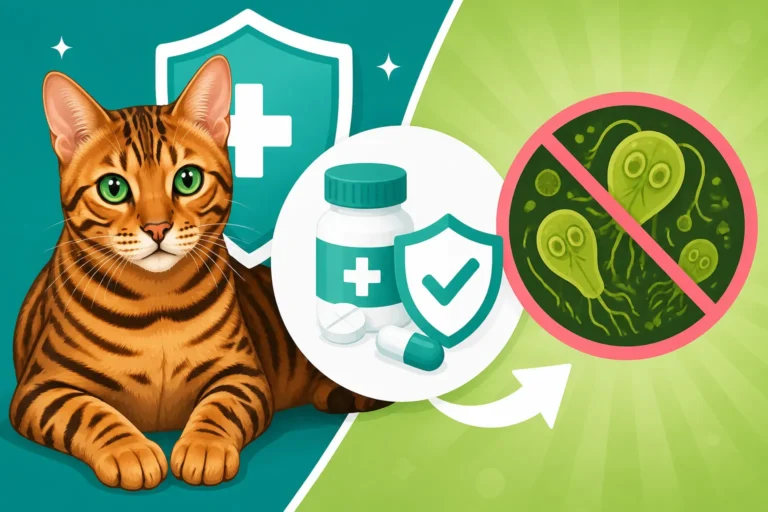
Conditions like Chronic Diarrhea Is the Bengal Cat Complaint Nobody Warns About are a frequent complaint. This can stem from various causes, including food intolerances, inflammatory bowel disease (IBD), or even parasitic infections. For instance, tiny culprits like Tritrichomonas foetus can wreak havoc on a Bengal's intestines, leading to persistent, foul-smelling diarrhea that's notoriously difficult to clear. Owners often report that their Bengals seem particularly susceptible to these kinds of issues, and finding a diet that doesn't upset their delicate balance becomes a paramount concern. This sensitivity makes every dietary decision feel high-stakes, prompting many to consider whether a raw diet could provide the foundational stability their Bengal's gut desperately needs. Understanding What Tritrichomonas Does to a Bengal Cat is crucial for any owner battling chronic digestive upset.
The Raw Diet Philosophy for Bengal Cats
The concept of feeding a raw diet to cats, especially breeds like Bengals with their direct lineage to wild felines, is rooted in the idea of providing a "species-appropriate" diet. It's about moving away from highly processed kibble and canned foods, which often contain fillers, grains, and synthetic nutrients, and instead offering food in its most natural, uncooked state.
What a Species-Appropriate Raw Diet Entails
At its core, a balanced raw diet for a cat aims to mimic the nutritional profile of a small prey animal – think mice or birds – that a wild cat would naturally hunt and consume. This isn't simply tossing a piece of raw chicken into a bowl. A truly complete and balanced raw diet requires specific ratios of muscle meat, organs, and bone to ensure your Bengal receives all the necessary vitamins, minerals, and amino acids.
Typically, this means a diet consisting of about 80% muscle meat, 10% edible bone, and 10% organs (with half of that being liver). These ratios are critical because an imbalance, especially too much or too little bone, can lead to serious health issues over time. For instance, too much bone can cause constipation, while too little can lead to calcium deficiency.
You have a couple of main routes:
- Commercial Raw Diets: These are often available frozen or freeze-dried and are formulated to be nutritionally complete. Brands vary widely in quality and ingredient sourcing, so research is key. They offer convenience but can be more expensive.
- Do-It-Yourself (DIY) Raw Diets: This involves sourcing raw ingredients yourself and preparing them in the correct proportions. This route offers more control over ingredients but requires significant research, time, and dedication to ensure nutritional completeness. It's easy to get the ratios wrong, leading to long-term health problems if not meticulously planned and executed.
Remember, a cat cannot just eat raw steak; they need the whole prey model or a meticulously balanced alternative. This is why understanding Which Protein Percentage Suits a Bengal Cat is so important, as their diet isn't just about raw meat, but the right composition of raw meat, bone, and organs.
Arguments for a Raw Diet's Suitability
Proponents of raw feeding for Bengal cats often highlight several key benefits that, they argue, align perfectly with the breed's unique needs and wild heritage. The primary argument revolves around the idea that a raw diet is inherently a "high protein argument for a Bengal cat." Given their muscular, athletic build and energetic nature, Bengals burn a lot of calories and thrive on a diet rich in animal-based protein. Raw diets typically offer a much higher percentage of protein and fat, with minimal carbohydrates, which is closer to what a wild feline would consume.
Beyond the macro-nutrient profile, many owners report noticeable improvements in their Bengal's overall health:
- Improved Digestion and Stool Quality: Many claim that Bengals on a raw diet experience fewer digestive upsets, firmer stools, and less odor. The natural enzymes in raw food are thought to aid digestion, and the absence of common allergens like grains can reduce inflammation in sensitive guts.
- Enhanced Coat Health: The high fat content, particularly healthy omega fatty acids, often leads to a shinier, softer coat, with that characteristic "glitter" really popping. Owners often comment on the luxurious feel of their Bengal's pelt after transitioning.
- Increased Energy and Vitality: While Bengals are already incredibly active, some owners observe even greater sustained energy levels, muscle development, and overall robustness, attributing it to a more bioavailable and nutrient-dense diet.
- Better Hydration: Raw meat has a naturally high moisture content, which significantly contributes to a cat's hydration. This is crucial for feline kidney health, especially since cats often don't drink enough water on their own.
These anecdotal reports, coupled with the theoretical alignment with their wild ancestry, make a compelling case for many Bengal owners searching for a solution to their cat's dietary woes.
Potential Risks and Challenges of Raw Feeding
Despite the enthusiastic endorsements from some, raw feeding isn't without its significant risks and challenges, which every prospective raw feeder must thoroughly understand. Dismissing these risks can have serious consequences for both your Bengal cat and your household.
The most widely discussed risk is bacterial contamination. Raw meat, regardless of how carefully sourced, can harbor pathogens like Salmonella, E. coli, and Listeria. While cats' acidic stomachs can sometimes handle these bacteria better than humans, they can still get sick, leading to vomiting, diarrhea, and even life-threatening systemic infections. More importantly, these bacteria can be shed in their feces and saliva, posing a risk to human household members, especially young children, the elderly, or immunocompromised individuals. This is not a hypothetical scenario; there have been documented cases of both cats and humans falling ill from contaminated raw pet food.
Nutritional imbalances are another major concern, particularly with DIY raw diets. Achieving the precise balance of protein, fat, vitamins, and minerals – especially calcium and phosphorus – is incredibly complex. Without expert veterinary nutritional guidance, it's very easy to create a diet that is deficient in essential nutrients or, conversely, contains an excess of others, both of which can lead to severe health problems over time. For example, long-term calcium-phosphorus imbalance can lead to bone issues and kidney disease. Even for those seeking a balanced diet, it's essential to understand that Whether a Raw Fed Bengal Cat Needs Dental Treats or other supplements should be carefully considered based on the diet's completeness.
Other practical challenges include:
- Cost and Sourcing: Raw ingredients, especially human-grade, ethically sourced ones, can be expensive. Finding a reliable supplier who can provide all necessary components (muscle meat, organs, bones) can also be a logistical challenge.
- Storage and Preparation: Raw food requires ample freezer space and meticulous hygiene during preparation. Cross-contamination in your kitchen is a real concern, necessitating strict cleaning protocols.
- Palatability and Transition: Not all Bengals will immediately take to a raw diet. Transitioning can be a long, frustrating process, and some cats simply refuse to eat raw food, no matter how carefully introduced.
These risks highlight why raw feeding should never be undertaken lightly or without thorough research and, ideally, consultation with a veterinary professional who has expertise in feline nutrition.
Practical Considerations for Transitioning to and Maintaining a Raw Diet
So, you've weighed the pros and cons, and you're still considering a raw diet for your Bengal. That's a big step, and it comes with practicalities that need to be addressed thoughtfully. It’s not a decision to rush into, especially with a cat whose system might already be prone to upsets.
Deciding If Raw Is Right for Your Bengal
Before diving headfirst into raw feeding, take a moment for honest self-assessment. This isn't just about what's theoretically best for a Bengal; it's about what's sustainable and safe for your specific situation.
Here are some factors to consider:
- Your Lifestyle and Time Commitment: Preparing raw meals, especially DIY, is time-consuming. You'll need to source ingredients, meticulously weigh and portion them, and clean up thoroughly afterwards. If you're frequently traveling or have a packed schedule, a raw diet might add undue stress.
- Budget: Raw feeding can be significantly more expensive than commercial kibble or even high-quality canned food. Meat, organs, and bones, especially from reputable sources, add up. Considering Whether a Raw Diet Costs More for a Bengal Cat is a crucial financial discussion. Factor in not just the food itself, but also additional freezer space, supplements, and potential veterinary costs if things go awry.
- Your Bengal's Current Health: If your Bengal already has underlying health conditions, particularly kidney disease, pancreatitis, or a compromised immune system, a raw diet might be contraindicated or require even more stringent veterinary oversight. For these cats, making a sudden change or introducing potential pathogens could be dangerous.
- Willingness to Educate Yourself: Raw feeding isn't something you can just wing. You need to become an expert on feline nutrition, understanding nutrient ratios, safe handling, and common deficiencies. This means reading extensively, joining reputable communities, and being open to continuous learning.
- Consulting Your Veterinarian: This is non-negotiable. Find a veterinarian who is either supportive of raw feeding or, at the very least, open to discussing it and helping you monitor your Bengal's health. While not all vets advocate for raw, an open dialogue ensures you have a professional safety net. A robust pet insurance plan, like one from Healthy Paws, can also provide immense peace of mind, knowing that if any unexpected health issues arise during your dietary journey, you're better prepared for the vet bills.
Safe Transitioning and Preparation Practices
If you decide to proceed, the transition to raw should be slow and deliberate. A sudden switch can shock your Bengal's digestive system, leading to vomiting or diarrhea. Patience is paramount, and every cat is different in how they adapt. How to Transition a Bengal Cat to Raw is a delicate process, often taking weeks or even months.
Here’s a general approach:
- Start Slowly: Begin by offering a very small amount of the new raw food alongside their familiar food, gradually increasing the raw portion over several days or even weeks. Some cats do better with an abrupt "cold turkey" switch, but this is less common and riskier for sensitive guts.
- Choose a Reliable Source: Opt for commercial raw diets from reputable brands that adhere to strict safety standards, or if DIY, source human-grade meat and organs from trusted butchers or suppliers. Look for transparency in their sourcing and processing.
- Strict Hygiene Protocols: This cannot be stressed enough.
- Thawing: Thaw raw food in the refrigerator, never on the counter.
- Separate Utensils: Use dedicated cutting boards, knives, and bowls for raw food preparation.
- Thorough Cleaning: Immediately wash all surfaces, utensils, and food bowls with hot, soapy water after each raw meal preparation and feeding. Sanitize regularly.
- Handwashing: Always wash your hands thoroughly with soap and water before and after handling raw food.
- Observe Closely: Pay meticulous attention to your Bengal’s stool consistency, appetite, energy levels, and any signs of discomfort. Any adverse reactions mean slowing down the transition or consulting your vet.
- Small, Frequent Meals: Initially, smaller, more frequent meals can be easier on a sensitive digestive system.
This meticulous approach helps minimize risks and makes the transition as smooth as possible for your Bengal.
Monitoring Your Bengal's Health on a Raw Diet
Once your Bengal is fully transitioned to a raw diet, ongoing monitoring is essential to ensure they are thriving. It's not a set-it-and-forget-it type of feeding. Their health markers will tell you if the diet is truly suiting their unique needs.
What to look for:
- Stool Consistency: This is often the first indicator. You should see smaller, firmer, less odorous stools. Any sudden changes to very soft, watery, or bloody stools warrant immediate attention.
- Energy Levels: Bengals are naturally energetic, but watch for sustained lethargy or unusual hyperactivity that could indicate a nutritional imbalance or discomfort. Remember, How Many Calories a Bengal Cat Burns is quite high, so they need adequate fuel.
- Coat and Skin Condition: A healthy, shiny coat and clear skin are good signs. Dullness, excessive shedding, or skin irritation could indicate a problem.
- Weight Management: Monitor your Bengal’s weight to ensure they are maintaining a healthy physique. You should be able to feel their ribs easily but not see them prominently. What a Muscular Bengal Cat Should Weigh provides a good benchmark.
- Oral Health: While raw bones are often touted for dental benefits, monitor their teeth for any excessive wear, chips, or signs of gum inflammation.
- Regular Veterinary Check-ups: Even with a raw diet, routine vet visits are crucial. Your vet can perform blood work to check for any nutritional deficiencies or imbalances that might not be immediately obvious externally. Early detection of issues is key. If you have pet insurance, such as a plan from Healthy Paws, these routine check-ups and any necessary follow-up tests become less of a financial burden, allowing you to prioritize your Bengal's health without added stress. They might also suggest specific tests, especially if you notice any unusual signs that could be Signs a Bengal Cat Is Anemic, which can be linked to dietary issues in some cases.
It's important to remember that a raw diet is a commitment to continuous observation and adjustment, working in partnership with your veterinarian to ensure your Bengal's long-term health.
Alternative Dietary Approaches and When to Reconsider Raw
While raw feeding holds appeal for many Bengal owners, it's certainly not the only path to a healthy gut, and for some cats, it might not even be the best one. There are valid reasons why a raw diet might not work, or why other approaches could be more suitable or safer.
Prescription and Limited Ingredient Diets
For Bengal cats grappling with severe food allergies, intolerances, or specific gastrointestinal diseases like IBD, a carefully formulated prescription diet or a limited ingredient diet (LID) might be a more controlled and effective solution. These diets are designed to minimize potential allergens and provide highly digestible nutrients, often with specific therapeutic benefits.
- Prescription Diets: These are typically available through your veterinarian and are formulated for specific medical conditions. For example, a hydrolyzed protein diet breaks down proteins into such small components that the immune system is less likely to react, making it ideal for food allergies. Another might be high in fiber and prebiotics to support gut motility and microbiome health. For cases where a Bengal Cat needs a special diet for its gut, these are often the first line of defense prescribed by vets.
- Limited Ingredient Diets (LIDs): LIDs contain a minimal number of ingredients, usually one novel protein source (like duck or venison) and one carbohydrate source (like peas or sweet potato). The idea is to reduce exposure to common allergens, making it easier to identify and avoid trigger foods. If your Bengal has recurring issues, your vet might suggest a food trial with an LID to systematically pinpoint what's causing the upset.
The benefit of these diets is their consistency and veterinary backing. They are often thoroughly researched and formulated to provide complete nutrition while addressing specific sensitivities, which can be difficult to replicate perfectly with a DIY raw diet, especially without expert guidance.
Supplementation and Probiotics
Regardless of the diet you choose – be it raw, commercial, or prescription – strategic supplementation can play a vital role in supporting your Bengal's gut health. The goal is to fortify the intestinal microbiome and aid digestion, which can be particularly beneficial for cats with sensitive systems.
- Probiotics: These beneficial bacteria help maintain a healthy balance in the gut, crowding out harmful pathogens and aiding in nutrient absorption. For Bengals prone to digestive upsets or those recovering from antibiotic treatment, a high-quality probiotic supplement can be a game-changer. There's strong evidence that Whether Probiotics Help a Bengal Cat by improving stool quality and reducing gastrointestinal distress.
- Prebiotics: These are non-digestible fibers that act as food for the beneficial bacteria (probiotics) in the gut, helping them to flourish. Many fiber sources, like psyllium husk or certain types of pumpkin, can serve as prebiotics.
- Digestive Enzymes: Some cats, especially those with pancreatic insufficiency or certain digestive disorders, may benefit from supplemental digestive enzymes to help break down food more efficiently.
- Omega-3 Fatty Acids: Fish oil, rich in EPA and DHA, has anti-inflammatory properties that can soothe an irritated gut lining.
Always consult your veterinarian before adding any supplements to your Bengal's diet, as dosages and suitability will vary depending on individual needs.
When to Seek Expert Veterinary Nutrition Advice
Making dietary choices for a Bengal cat, particularly with their known sensitivities, is not a journey you should undertake alone. It's perfectly normal to feel overwhelmed by the sheer volume of information and opinions out there. That’s why having an expert on your side is invaluable.
You should seek expert veterinary nutrition advice if:
- Your Bengal continues to experience digestive issues (diarrhea, vomiting, constipation) despite dietary changes.
- You are considering a DIY raw diet and need help formulating a nutritionally complete and balanced plan.
- Your Bengal has a pre-existing health condition that could be impacted by dietary changes.
- You're struggling with a picky eater or a cat who isn't thriving on their current food.
- You simply want a professional, unbiased opinion on your Bengal's dietary needs.
A board-certified veterinary nutritionist or a general practitioner with a strong interest and education in feline nutrition can provide tailored recommendations, conduct diagnostic tests (like a What a Bengal Cat's Fecal Panel Costs to rule out parasites), and help you navigate the complexities of feline diets. They can help you perform food trials safely and interpret results, ensuring that you're making evidence-based decisions for your Bengal's health. Moreover, if you have a pet insurance plan like those offered by Healthy Paws, these specialized consultations and any associated treatments are often covered, easing the financial strain and allowing you to access the best care for your beloved Bengal. Investing in expert advice is an investment in your Bengal's long-term health and well-being.
Raw Diet Comparison: Commercial vs. DIY for Bengal Cats
Here's a quick look at the pros and cons of commercial vs. DIY raw diets for your Bengal cat:
| Feature | Commercial Raw Diet | DIY Raw Diet |
|---|---|---|
| Convenience | High – pre-made, pre-portioned, often balanced. | Low – requires significant time for sourcing, prep, balancing. |
| Nutritional Balance | Generally formulated to be complete and balanced by nutritionists. | Requires deep knowledge and meticulous calculations; high risk of imbalance if not done correctly. |
| Safety/Hygiene | Varies by brand; reputable brands often have higher safety standards and testing. | Depends entirely on your handling practices; high risk of bacterial contamination if protocols aren't strict. |
| Cost | Higher initial cost per serving. | Potentially lower ingredient cost, but hidden costs in time, equipment, and potential vet bills from imbalance. |
| Ingredient Control | Limited to what the brand offers. | Full control over every ingredient, source, and quality. |
| Flexibility | Limited options for customization. | High flexibility for customization based on individual cat's needs/preferences. |
| Required Knowledge | Minimal for basic feeding; research brands. | Extensive knowledge of feline nutrition, ratios, and safe food handling. |
Disclaimer
The information provided in this guide is for informational purposes only and does not constitute veterinary advice. Always consult with a qualified veterinarian or a board-certified veterinary nutritionist before making any significant changes to your Bengal cat's diet, especially if your cat has pre-existing health conditions. Individual dietary needs can vary greatly.