Whether a Flat Chested Bengal Cat Kitten Grows Out of It
It's heartbreaking to see a tiny, fragile Bengal kitten struggle with something as fundamental as breathing, especially when their chest seems to collapse inward, a condition known as Flat Chested Kitten Syndrome (FCKS). For many hopeful owners or dedicated breeders, witnessing this can bring a wave of panic and despair, leaving them desperate to know if their little leopard-spotted friend has a chance at a normal life or if this is a permanent disability. This guide aims to shed light on FCKS in Bengal kittens, delving into its causes, the varying degrees of its presentation, and, most importantly, address the crucial question of whether these precious kittens can indeed grow out of the condition and thrive.
Understanding Flat Chested Kitten Syndrome in Bengal Kittens
When you picture a healthy kitten, you probably imagine a tiny, plump belly and a smoothly rounded chest, right? So, encountering a Bengal kitten with a noticeably flattened rib cage can be incredibly alarming. This isn't just a quirky body shape; it's a serious developmental issue that affects a kitten's vital organs.
What Exactly is FCKS?
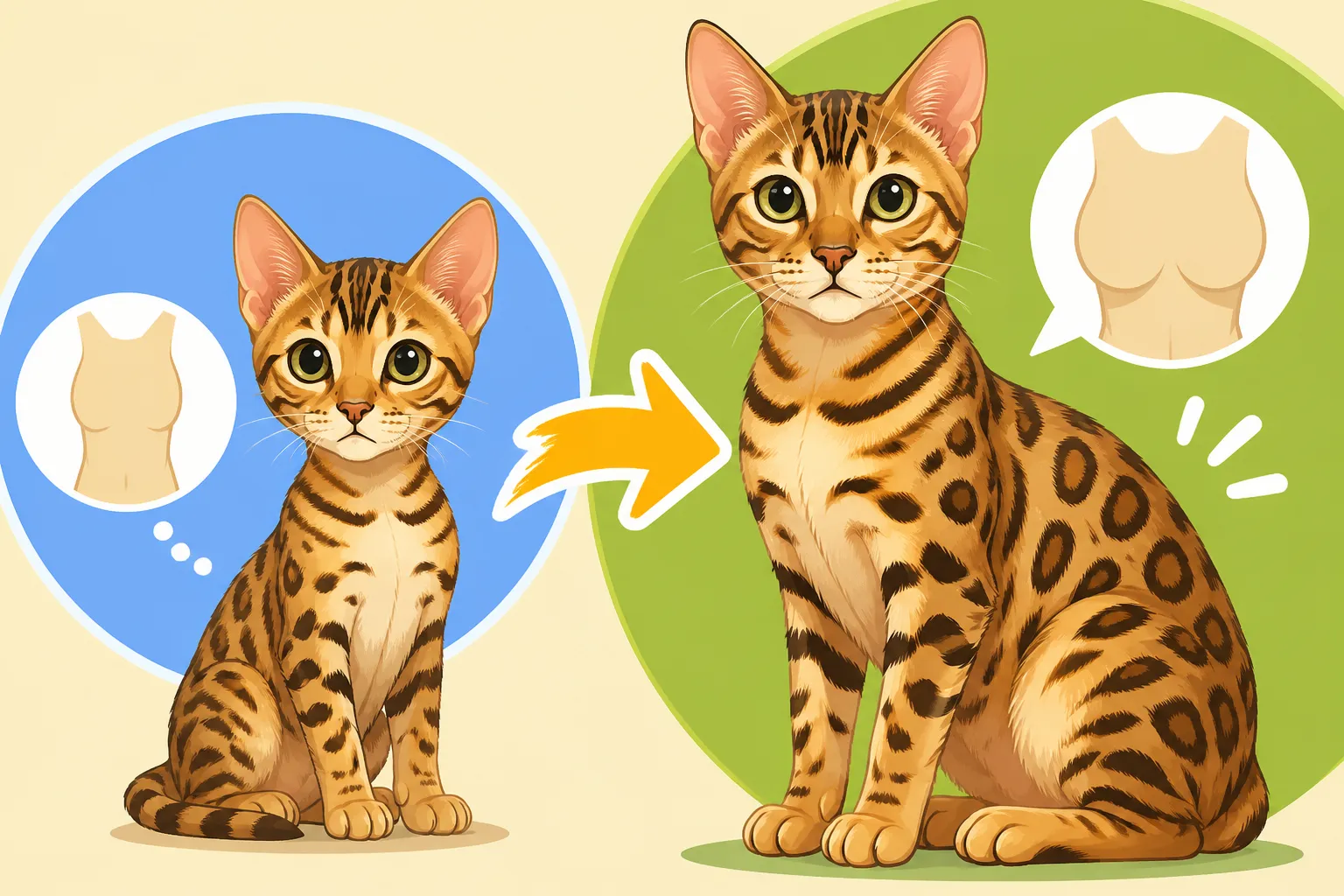
Flat Chested Kitten Syndrome, or FCKS, isn't some minor cosmetic flaw; it's a condition where the kitten's sternum (breastbone) and rib cage develop abnormally, pressing inward towards the spine. Imagine the chest as a flexible box designed to protect the heart and lungs and expand with each breath. In a kitten with FCKS, this "box" is compressed or flattened, sometimes forming a noticeable hollow or even appearing concave.
The severity can vary wildly. In mild cases, you might just notice a slight flattening that only a trained eye would spot, perhaps a kitten that breathes a little faster than its littermates. In moderate cases, the flattening is more obvious, and the kitten might have a distinctive "swimmer" posture where their front legs splay out because the chest doesn't provide enough support. However, in severe cases, the chest can be profoundly sunken, making every breath a visible struggle. The lungs have less room to expand, and the heart can even be displaced, leading to a cascade of life-threatening issues. Owners are often left grappling with the question of What Flat Chested Kitten Syndrome Does to a Bengal Cat. This physical pressure directly impacts their ability to take in enough oxygen, which is absolutely vital for a rapidly growing kitten.
Why Bengal Kittens? The Breed Connection
While FCKS isn't exclusive to Bengal cats and can appear in any feline breed, some anecdotal evidence and breeder experiences suggest certain lines or breeds might have a higher incidence. The truth is, the exact cause is often multifactorial, meaning it's rarely one simple thing. For Bengal kittens, like all kittens, their early development is a delicate dance of genetics, maternal health, and environmental factors.
It's not that Bengals are inherently "flawed"; rather, their popularity means more breeders and more kittens, and therefore, more opportunities to observe such conditions. When we discuss Why a Bengal Cat Kitten's Chest Flattens, we delve into various theories. Some believe it could be related to rapid growth spurts in certain lines, or perhaps a subtle genetic predisposition that hasn't been fully identified. What we do know is that a kitten's rib cage is incredibly flexible at birth, like soft cartilage, and hardens into bone over the first few weeks. Any interference during this crucial period of development can lead to FCKS. This early vulnerability underscores the importance of close monitoring of all newborn kittens, especially in breeds known for their vigorous growth and activity.
The Complex Causes and Factors Behind FCKS
The mystery of Flat Chested Kitten Syndrome often leaves breeders and owners frustrated because there isn't a single, straightforward answer to why it happens. It's a complex interplay of various elements, making prevention and prediction incredibly challenging.
Genetics vs. Environment: The Ongoing Debate
One of the biggest discussions among veterinarians and breeders revolves around whether FCKS is primarily genetic or environmental. The current consensus is that it's likely a mix of both.
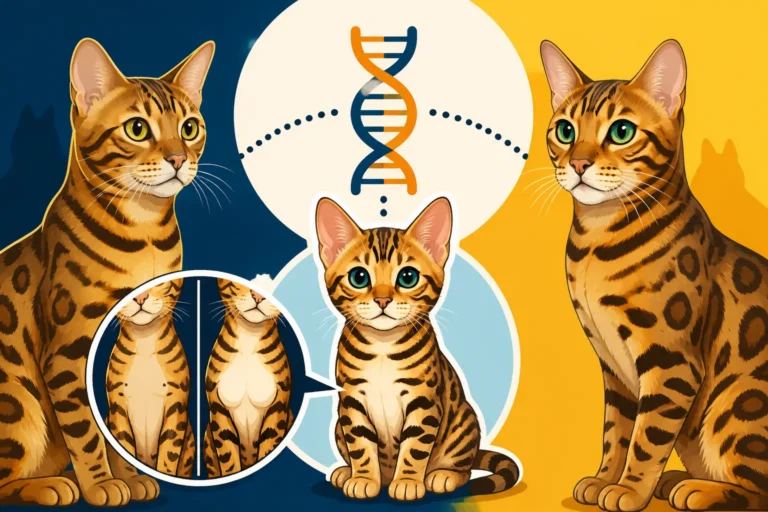
- Genetic Predisposition: Many experts believe there's a polygenic component, meaning it's not caused by a single, easily identifiable gene mutation but rather by the cumulative effect of several genes. This explains why it can sometimes appear seemingly at random in a litter with no previous history, or why some lines seem more prone. It's not a simple case of a dominant or recessive gene; it's more nuanced. This complexity makes it difficult to screen for, unlike some other genetic health conditions in Bengal cats such as PRA-b or PK deficiency, which have clear DNA tests. Without a specific genetic marker, breeders can only rely on careful observation and avoiding breeding from lines that consistently produce affected kittens, though even then, it can reappear unexpectedly.
- Environmental Triggers: Beyond genetics, several environmental factors are thought to play a significant role.
- Maternal Nutrition and Stress: A queen's health and diet during pregnancy are paramount. Nutritional deficiencies or undue stress could impact fetal development.
- Position in the Womb/Birth Trauma: The way a kitten is positioned in the womb or pressures experienced during a difficult birth might temporarily compress the chest, leading to the condition.
- Large Litter Sizes: In larger litters, especially if the queen is small, there can be increased crowding in the uterus. This physical compression on the developing kittens might contribute to FCKS. Understanding How Many Kittens a Bengal Cat Litter Holds can shed light on why some litters might be more prone to such issues. More kittens mean less space, potentially more pressure, and increased competition for resources, which could affect overall development.
- Post-Natal Factors: Some theories even suggest that factors immediately after birth, such as insufficient muscle tone in a weak kitten, or even the way a kitten sleeps or nurses, could exacerbate a mild predisposition.
Severity Levels and Early Signs
Recognizing FCKS early is crucial, as intervention can sometimes improve outcomes. The signs are often subtle at first and progress over the initial weeks of life.
- Mild Cases: These are often the hardest to spot. You might notice a slight flattening when the kitten is lying on its back, or a subtle difference in its breathing rhythm. The kitten might still be active and feeding well, leading owners to assume nothing is seriously wrong. However, even mild cases warrant close observation, as they can sometimes worsen or have underlying impacts.
- Moderate Cases: Here, the flattening is more distinct. The kitten might exhibit slightly labored breathing, especially after activity, and you may notice the "swimmer" leg splay. These kittens might not gain weight as rapidly as their littermates, or they might seem a bit weaker. Their activity levels, while present, might not match the usual boundless energy of a Bengal kitten.
- Severe Cases: These are unmistakable and require immediate veterinary attention. The chest is deeply sunken, making breathing very difficult. You might see the kitten struggling for air, using abdominal muscles to breathe, or even breathing with its mouth open. Their gums or tongue might appear bluish (cyanotic) due to lack of oxygen. These kittens are often lethargic, have a poor appetite, and fail to thrive. Without aggressive intervention, the prognosis for severe cases is unfortunately poor. The impact can be dire, affecting heart function and lung capacity, making every breath a battle.
Can a Flat Chested Bengal Kitten Truly Recover?
This is the million-dollar question for anyone facing Flat Chested Kitten Syndrome. The hopeful answer is: sometimes, yes, especially with early intervention and dedicated care. However, the prognosis heavily depends on the severity of the condition.
The Hopeful Outlook for Mild Cases
It’s often a huge relief for owners to hear that many mild to moderate cases of FCKS can spontaneously correct themselves. This natural resolution is truly remarkable and speaks to the incredible resilience of young kittens.
- Spontaneous Correction: As a kitten grows, its bones begin to harden, and its chest muscles strengthen. This natural development can, over time, help to pull the rib cage outward into a more normal, rounded shape. Think of it like a gentle, internal expansion. Many kittens showing signs of FCKS in their first few weeks will show significant improvement, or even complete resolution, by the time they are 6-8 weeks old. This period is critical for monitoring their progress closely. It's often the answer to the direct query Whether a Flat Chested Bengal Cat Kitten Grows Out of It. It gives families hope that their kitten's future isn't necessarily defined by this early challenge.
- Growth Spurts as a Catalyst: Rapid growth can actually be a beneficial factor. As the kitten's body grows larger and more robust, the structural changes in the chest can be positively influenced. Stronger musculature developed through play and feeding helps to reshape the chest wall.
- The Crucial First Weeks: The initial 6-8 weeks are the most indicative period. Kittens that show signs of improvement during this time generally have a much better prognosis. Those that don't improve, or whose condition worsens, typically fall into the more challenging category.
Challenges and Long-Term Implications for Severe Cases
While the outlook for mild cases is often bright, severe FCKS presents significant challenges and a much more guarded prognosis. These kittens face an uphill battle, and even with intensive care, the outcome is uncertain.
- Respiratory Distress: Kittens with severe FCKS struggle continuously to breathe adequately. Their compressed lungs cannot fully inflate, leading to chronic oxygen deprivation. This constant effort drains their energy, making it hard for them to feed, grow, and develop normally. This is a critical factor impacting Whether a Flat Chested Bengal Cat Kitten Survives.
- Heart Issues: The inward pressure from the sternum can displace the heart, sometimes leading to secondary cardiac complications. This added stress on the cardiovascular system can further compromise the kitten's health and ability to thrive.
- Prognosis: Sadly, many kittens with severe FCKS do not survive, even with aggressive veterinary intervention. Those that do survive may face a lifetime of chronic respiratory issues, reduced stamina, and a potentially shortened lifespan. The ongoing medical needs can be substantial, requiring continuous monitoring and care. While some might make it to adulthood, their quality of life can be significantly impacted, potentially affecting The Twelve to Sixteen Years a Bengal Cat Gets. It's a difficult reality to face, but understanding the potential long-term implications is important for owners to make informed decisions about their kitten's care.
Supporting a Flat Chested Bengal Kitten's Journey to Health
Caring for a flat-chested Bengal kitten can be an emotional rollercoaster, but with proper veterinary guidance and dedicated home care, you can significantly improve their chances of a positive outcome.
Veterinary Assessment and Monitoring
The moment you suspect your Bengal kitten might have FCKS, or if your breeder identifies it, a comprehensive veterinary assessment is absolutely paramount. Early, accurate diagnosis and consistent monitoring are the cornerstones of effective management.
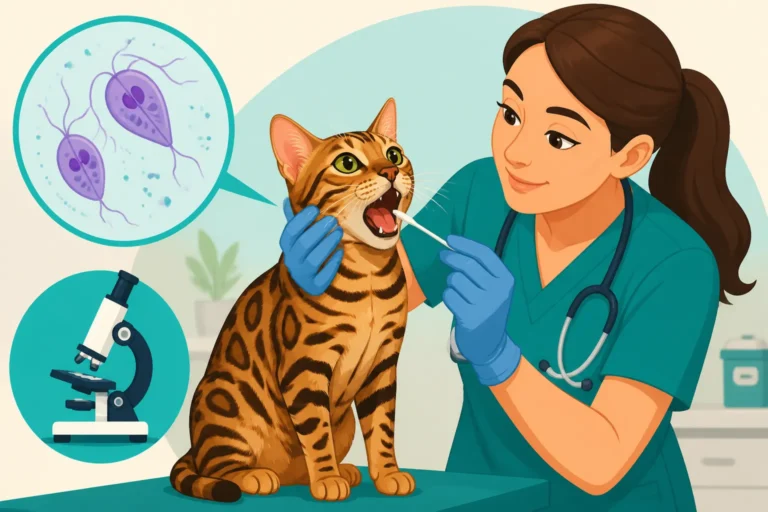
- Early Diagnosis is Crucial: Your veterinarian will assess the severity of the flattening, listen carefully to the kitten's heart and lungs, and observe their breathing patterns. They might recommend imaging, such as X-rays, to get a clearer picture of the internal structures, confirming the extent of the chest wall collapse and checking for any heart displacement or lung compression. This initial assessment helps determine the best course of action and provides a baseline for monitoring progress.
- Regular Check-ups: During the critical first few weeks, frequent vet visits are essential. Your vet will want to monitor the kitten's weight gain, breathing effort, and overall development. They can also provide guidance on how to best support the kitten at home. These check-ups are part of a broader commitment to ensuring the health of a breeding line, often detailed in What a Bengal Cat Breeder Should Have Tested for their kittens to ensure they are robust and healthy.
- Nutritional Support: Ensuring optimal nutrition is non-negotiable. A kitten struggling with FCKS needs every advantage to grow and strengthen. This means a high-quality kitten-specific diet that provides all necessary nutrients and calories. Sometimes, supplemental feeding might be required if the kitten is too weak to nurse effectively.
- Financial Preparedness: The diagnostic tests, frequent vet visits, and potential treatments for FCKS can add up quickly. Having a robust pet insurance plan can be a true lifesaver for these unexpected costs. A company like Healthy Paws, for example, offers coverage that can help ease the financial burden, allowing you to focus on getting your Bengal kitten the best possible care without constant worry about the vet bill. These plans can cover everything from diagnostics to emergency treatments, ensuring your little one gets the care they need.
Practical Care and Supportive Interventions
Beyond veterinary care, there are practical steps you can take at home to support your flat-chested Bengal kitten.
- Gentle "Physiotherapy": For mild to moderate cases, some breeders and vets recommend gentle physical therapy. This can involve carefully massaging the kitten's chest to encourage expansion, or positioning the kitten to sleep on its side or back to relieve pressure. Some innovative breeders even use soft, custom-made splints or "cradles" to gently support the chest wall from the outside, encouraging it to round out as the kitten grows. However, any such intervention should only be done under the direct guidance of your veterinarian to avoid causing harm. You can find more detailed information on specific techniques in articles discussing How a Flat Chested Bengal Cat Kitten Is Treated.
- Warmth and Comfort: A kitten struggling with FCKS is expending more energy just to breathe. Keeping them in a consistently warm, quiet, and stress-free environment helps conserve their precious energy for growth and healing. A heated bed or a warm, cozy nesting area can make a significant difference.
- Oxygen Therapy: In more severe cases, or during periods of crisis, oxygen therapy might be necessary to support the kitten's breathing and ensure adequate oxygenation of their tissues. This is typically administered at a veterinary clinic.
- Managing Activity: While Bengal kittens are known for their boundless energy, a kitten with FCKS might need their activity carefully managed. Encourage gentle play but prevent overexertion, which could further strain their compromised respiratory system.
- Breeder Responsibility and Communication: Reputable Bengal breeders are typically very transparent about health issues and will often have protocols for caring for FCKS kittens. They should be your first point of contact and a source of support. Always be sure to ask Which Questions to Ask a Bengal Cat Breeder about their health guarantees and how they handle congenital conditions like FCKS. Their experience and knowledge can be invaluable.
- The Value of Pet Insurance: The ongoing care for a kitten with FCKS, even if it eventually grows out of it, can be extensive. From initial consultations and imaging to potential supportive therapies and follow-up checks, the costs can accumulate. This is where a robust pet insurance policy, like those offered by Healthy Paws, truly shines. Knowing that a significant portion of your veterinary bills could be reimbursed allows you to make decisions based on the best interest of your kitten, not solely on financial constraints. Many owners find this peace of mind invaluable.
Long-Term Well-being
Even after a Bengal kitten appears to have "grown out" of FCKS, it's wise to consider some long-term aspects of their health.
- Ongoing Monitoring: For kittens that had moderate to severe FCKS, or even those with mild cases that resolved, an occasional check-up specifically for heart and lung health might be a good idea as they mature. This helps ensure that there are no residual effects that could impact their health down the line.
- Lifestyle Adjustments: Most Bengal cats thrive on an active lifestyle. If your cat had a severe case of FCKS that resolved, or if there's any lingering chest wall abnormality, discuss with your vet whether any lifestyle adjustments are needed to avoid overtaxing their respiratory or cardiovascular system. This rarely means limiting their adventurous spirit but might involve being mindful during extremely strenuous play.
- Peace of Mind: Ultimately, doing everything you can to support your feline friend through such a challenging start brings immense peace of mind. Investing in their health, both through direct care and through protective measures like pet insurance, ensures that you've given your Bengal the best possible chance at a long, fulfilling life. Healthy Paws can truly offer that kind of comprehensive peace of mind, allowing you to celebrate every milestone with your resilient Bengal.
Comparison of FCKS Severity and Outcomes
Understanding the differences in severity can help set realistic expectations and guide your care decisions.
| Feature | Mild FCKS (Generally Good Prognosis) | Severe FCKS (Guarded Prognosis) |
|---|---|---|
| Appearance | Subtle flattening of the sternum, may be barely noticeable. | Pronounced depression, chest may appear deeply sunken. |
| Breathing | May be slightly faster or audible, but no obvious distress. | Labored, rapid, open-mouth breathing; gasping for air. |
| Activity Level | Active and playful, may tire slightly faster than littermates. | Lethargic, weak, reluctant to move or play. |
| Weight Gain | Often normal or only slightly slower; failure to thrive is rare. | Poor weight gain, often fails to thrive despite adequate feeding. |
| Immediate Intervention | Close monitoring, gentle physical therapy (vet-guided). | Immediate veterinary care, oxygen therapy, intensive support. |
| Likelihood of Self-Correction | High, especially within the first 6-8 weeks as bones harden. | Low, often requires significant intervention; survival is uncertain. |
| Long-term Impact | Usually none, or minimal; occasional monitoring may be advised. | Chronic respiratory/cardiac issues, reduced lifespan, ongoing vet care. (e.g., vet bills where Healthy Paws could assist) |
Disclaimer
This article is for general informational purposes only and does not constitute professional advice. Laws, prices and regulations vary by location and change over time. Consult a qualified professional for guidance on your specific situation.