Why F1 to F3 Bengal Cat Males Are Sterile
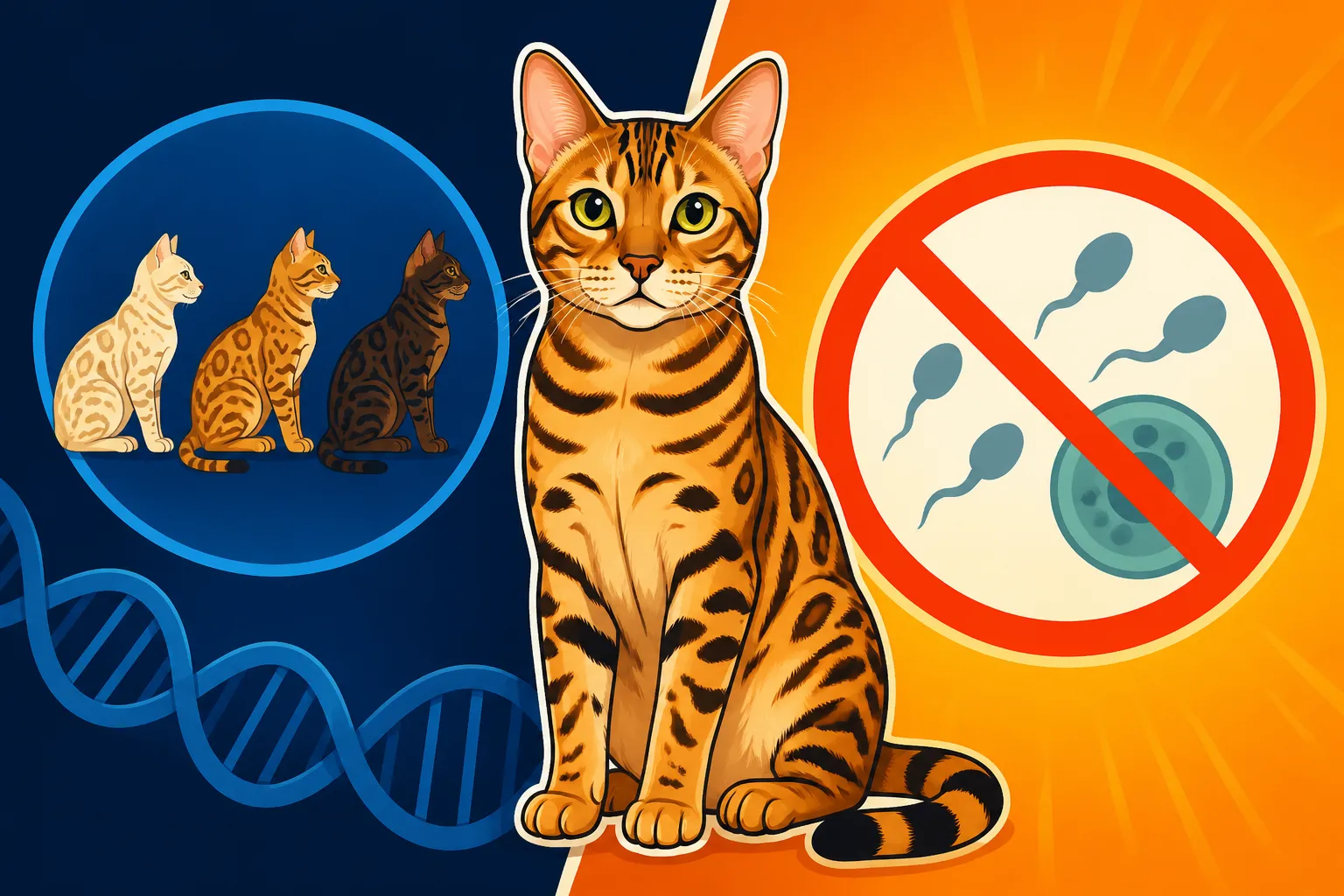
It’s a heartbreaker for many aspiring Bengal cat breeders, and even for pet owners curious about the breed's origins: discovering that those stunning, wild-looking F1, F2, and F3 Bengal cat males simply can't reproduce. This isn't just a quirk; it's a fundamental biological reality of hybrid breeding, and understanding it is key to truly appreciating the Bengal cat. This guide will delve into the science behind this sterility, explain what those 'F' numbers really mean for fertility, and discuss the implications for both breeding programs and families.
The Biological Roots of Early Generation Bengal Male Sterility
When we talk about the Bengal cat, we're discussing a truly unique breed that carries the legacy of its wild ancestor, the Asian Leopard Cat (Prionailurus bengalensis). This direct link to the wild is what gives Bengals their distinctive look and energetic personality, but it also comes with a fascinating biological trade-off: sterility in early-generation males. This isn't a flaw in the breeding process, but rather a natural phenomenon observed in many animal hybrids.
Hybrid Dysgenesis and Haldane's Rule
The scientific term for this phenomenon is often referred to as hybrid dysgenesis, and it's neatly encapsulated by what scientists call "Haldane's Rule." This rule, first observed by J.B.S. Haldane, states that if in the offspring of two different animal species, one sex is absent, rare, or sterile, that sex is nearly always the heterogametic sex. For mammals, including cats, the male is the heterogametic sex (XY chromosomes), while females are homogametic (XX chromosomes). This means that when you cross two different species, if there are fertility issues, the males are usually the first and most severely affected.
In the case of the Bengal cat, the initial pairing between an Asian Leopard Cat and a domestic cat is an interspecies hybrid. While these two species can successfully produce offspring, their genetic blueprints, refined over millions of years of separate evolution, aren't perfectly compatible for all reproductive functions in subsequent generations. Think of it like trying to assemble a complex machine with parts from two different manufacturers – some pieces might fit, but the intricate mechanisms for reproduction can be surprisingly delicate. The chromosomes of the Asian Leopard Cat and the domestic cat can pair up and divide successfully enough for life, but the more complex process of creating viable sperm seems to hit a roadblock in the first few generations.
The Role of the Wild Ancestor's Genes
Every Bengal cat has the Asian Leopard Cat behind every Bengal cat, and while this gives them their incredible appearance and athleticism, it also means a small percentage of those wild genes are still at play, especially in the early generations. The genetic distance between Prionailurus bengalensis and Felis catus is significant enough that the genes controlling meiosis – the specialized cell division process that creates sperm and egg cells – don't always cooperate perfectly in the hybrid offspring. This genetic incompatibility is believed to disrupt the normal formation of sperm in F1, F2, and F3 Bengal males.
The genes responsible for male fertility are particularly sensitive to these subtle differences. While the F1 female, for instance, can produce eggs, the F1 male struggles to produce functional sperm. This isn't about specific mutations; it's more about a systemic breakdown in the complex choreography of gene expression and protein interaction required for spermatogenesis, the process of sperm development. It's a testament to the intricate balance of nature, where even closely related species can face reproductive barriers that keep their lineages distinct in the wild.
Deciphering the F-Numbers: What Each Generation Means for Fertility
The "F-number" system in Bengal cats is more than just a lineage marker; it's a crucial indicator of how far removed a cat is from its wild ancestor and, consequently, its reproductive capabilities. Understanding these numbers is absolutely essential, particularly when discussing male sterility.
F1, F2, F3: The First Three Generations
When you hear about Bengal cats, the terms F1, F2, and F3 refer to the filial generations directly descended from the initial cross between an Asian Leopard Cat (ALC) and a domestic cat.
- F1 Generation: An F1 Bengal is the direct offspring of an Asian Leopard Cat (usually the father) and a domestic cat (the mother). These cats carry approximately 50% ALC genetics. F1 Bengals are known for their incredibly wild appearance and often possess a more challenging temperament, requiring experienced owners. Crucially, F1 male Bengal cats are consistently sterile. Their bodies simply cannot produce viable sperm, making them unable to reproduce.
- F2 Generation: An F2 Bengal is the offspring of an F1 female Bengal bred to a domestic Bengal male (typically an SBT Bengal, which we'll discuss next). These cats have approximately 25% ALC genetics. They still exhibit many wild traits and can be quite demanding, though generally less so than F1s. Just like their F1 predecessors, F2 male Bengal cats are also sterile.
- F3 Generation: An F3 Bengal results from breeding an F2 female Bengal with a domestic Bengal male. They carry about 12.5% ALC genetics. While still possessing a striking wild look and high energy levels, F3s are typically more domesticated in temperament than F1s or F2s. Yet, the biological reality remains: F3 male Bengal cats are sterile.
This consistent sterility in males through the F1, F2, and F3 generations is a defining characteristic of hybrid animal breeding. It means that while the females of these generations are usually fertile and can be bred back to fertile domestic males to continue the lineage, the males serve primarily as pets.
The Fertile Threshold: SBT and Beyond
The goal for Bengal cat breeders is to eventually reach a generation where both males and females are reliably fertile, allowing for a self-sustaining domestic breed. This is where the term "SBT" comes in.
- SBT (Stud Book Tradition) Bengal: This refers to a Bengal cat that is at least F4 or later, meaning it is at least four generations removed from its Asian Leopard Cat ancestor, and its lineage has been recorded for at least three generations. At this point, the percentage of wild cat genetics is roughly 6.25% or less. The key difference here is that SBT male Bengal cats are reliably fertile. This is the generation that can be used for breeding, allowing the breed to continue and flourish without needing to introduce new wild blood (which is often restricted or illegal in many places, and introduces its own challenges).
- Beyond SBT: Subsequent generations (F5, F6, etc.) are all considered SBT and are fully fertile. These are the Bengals you most commonly see as pets and in show rings. They retain the stunning looks, intelligence, and athleticism that make the breed so captivating, but with the consistent temperament and fertility of a fully domestic cat.
This transition from sterility to fertility is why the F-numbers are so crucial. It highlights the dedication and careful genetic management required by responsible breeders to establish and maintain the Bengal breed as we know it today.
Here's a quick overview to help clarify the generations:
| Generation | % Wild Ancestry (approx) | Male Fertility | Female Fertility | Typical Temperament (General) |
|---|---|---|---|---|
| F1 | 50% | Sterile | Fertile | Most wild-like, challenging, restricted in some areas |
| F2 | 25% | Sterile | Fertile | Still wild-like, very demanding, often restricted |
| F3 | 12.5% | Sterile | Fertile | High energy, often requires specific care, becoming more domestic |
| F4 (SBT) | 6.25% | Fertile | Fertile | Fully domestic, energetic, most common pet generation |
| F5+ (SBT) | < 6.25% | Fertile | Fertile | Fully domestic, energetic, typical Bengal cat temperament |
The Practical Impact on Breeding Programs and Pet Ownership
Understanding male sterility in early generation Bengal cats isn't just a fascinating biological fact; it has very real, tangible consequences for anyone involved with these magnificent animals, from the dedicated breeders working to develop the breed to families welcoming a new feline member into their home.
Challenges for Bengal Cat Breeders
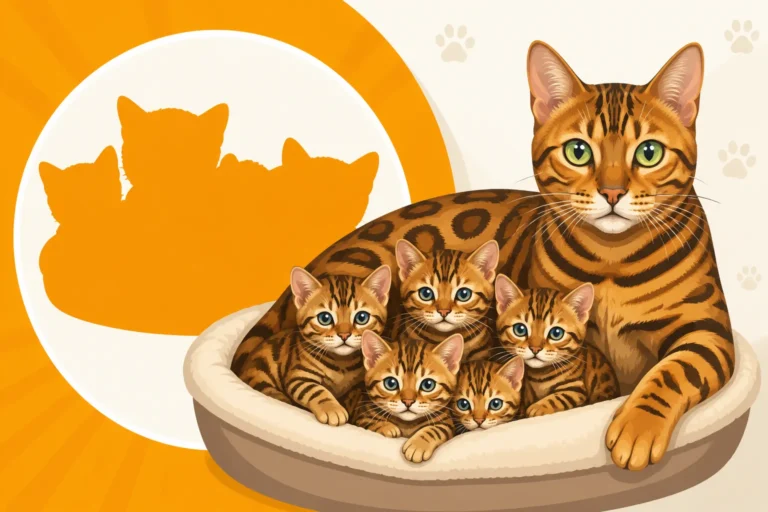
For breeders, the sterility of F1, F2, and F3 males presents a significant challenge and shapes the entire breeding program. Because these males cannot reproduce, breeders cannot simply breed an F1 male to an F1 female and expect more F1 kittens. The lineage must always be carried forward through the fertile females.
This means that to produce F2 kittens, an F1 female must be bred to a fertile domestic Bengal male (an SBT). Similarly, an F2 female is bred to an SBT male to produce F3s, and an F3 female is bred to an SBT male to produce F4s (which are the first reliably fertile males). This careful selection and pairing require immense planning, detailed pedigree tracking, and a deep understanding of genetics. Breeders cannot rely on early-generation males to pass on desired traits directly, making the selection of fertile SBT males incredibly important for maintaining and improving the breed line. It highlights why it's so vital to work with a reputable breeder who understands What a Bengal Cat Breeder Should Have Tested and adheres to ethical practices.
Furthermore, managing a breeding program with early-generation cats can be more complex. F1, F2, and F3 females, while fertile, can sometimes be more challenging to breed due to their closer proximity to their wild ancestors. They might require more specialized care, larger enclosures, and a breeding environment that caters to their still-present wild instincts. This adds to the cost and dedication required to bring these stunning animals into the world responsibly.
What This Means for Pet Owners
If you're considering welcoming an early-generation Bengal cat into your home, the sterility of F1, F2, and F3 males has direct implications for you, though perhaps not in the way you might initially think.
Firstly, if you adopt an F1, F2, or F3 male, you won't need to worry about him siring litters, which simplifies pet ownership compared to a fertile male of other breeds. However, neutering is still highly recommended for behavioral reasons. Even sterile males can exhibit hormonal behaviors like spraying, marking territory, and displaying aggression towards other cats or even people. Neutering early-generation males can significantly reduce these behaviors, making them much more manageable as pets. It's a common misconception that because they can't reproduce, neutering isn't necessary, but for household harmony, it often is.
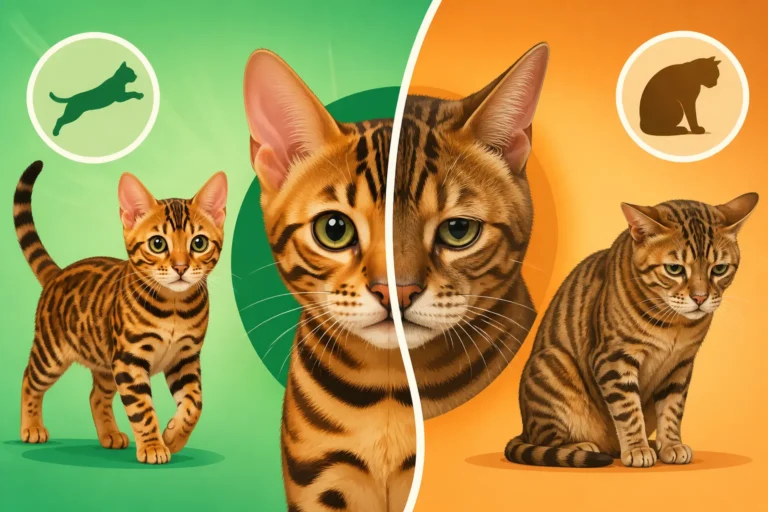
Secondly, the temperament of early-generation Bengals is deeply influenced by their wild lineage, regardless of fertility. An F1, F2, or F3 Bengal will likely be more demanding, require more enrichment, and have a higher energy level than an SBT Bengal. Knowing that you're getting a cat that is genetically closer to its wild ancestor, even if the male is sterile, means you need to be prepared for the unique needs of How an Early Generation Bengal Cat Behaves Differently. This isn't just a "pretty pet"; it's a commitment to providing an environment that satisfies their innate instincts.
Navigating the Realities of Early Generation Bengal Cat Ownership
Bringing an early-generation Bengal cat into your life is an adventure, but it comes with a distinct set of considerations. Their proximity to their wild ancestor impacts more than just fertility; it shapes their entire being, demanding a specific kind of environment and understanding from their human companions.
The Temperament of Early Generations
The closer a Bengal cat is to its Asian Leopard Cat heritage, the more pronounced its wild instincts tend to be. This means F1, F2, and F3 Bengals are often incredibly active, highly intelligent, and intensely curious. They aren't your typical couch potato cat. They need constant mental and physical stimulation to thrive. Think about The Bengal Cat Is the Most Active Cat You Can Own – multiply that by two or three for an F1 or F2!
These cats are known for their athleticism, their love of climbing to the highest points, and their insatiable desire to explore. They are also often very vocal, using a wide range of chirps, trills, and chatters to communicate their demands and observations. Their intelligence means they can easily figure out how to open cabinets, turn on faucets (oh yes, they love water!), and get into places you thought were impenetrable. While this can be incredibly engaging for the right owner, it can be overwhelming for someone unprepared for such an active and clever companion.
They often bond intensely with one or two people but can be wary of strangers or changes in routine. Socialization from a very young age is paramount for early-generation Bengals to ensure they grow into well-adjusted, confident adults, but even then, their wild roots will shine through.
Health Considerations and Support
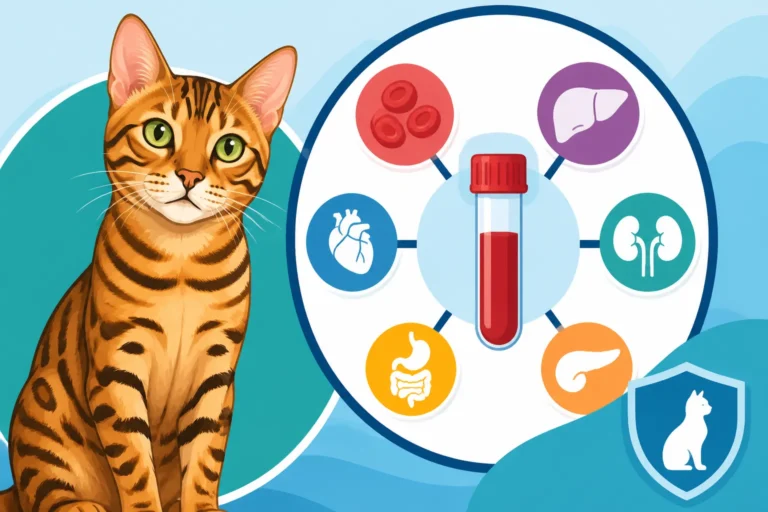
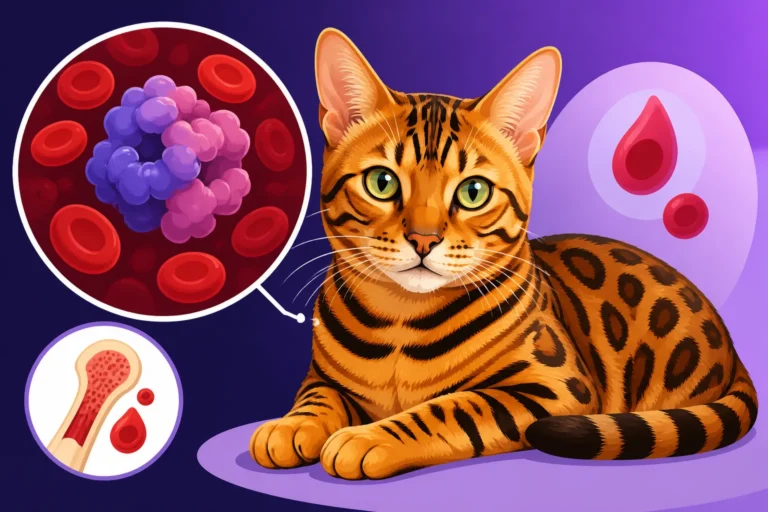
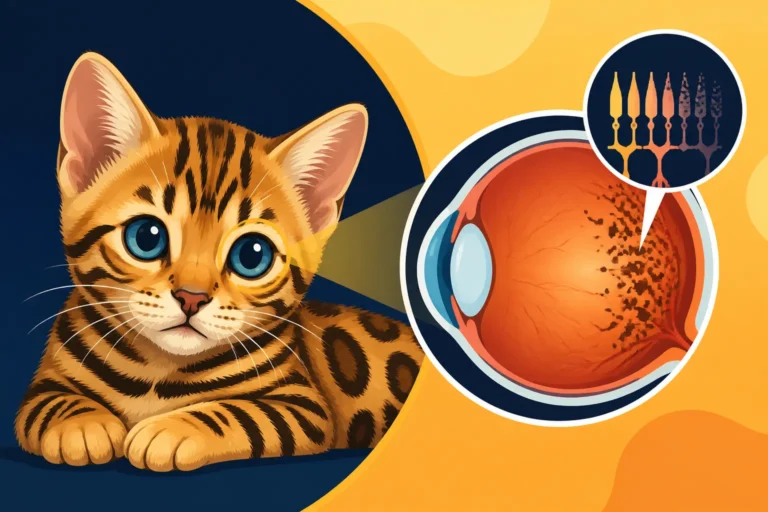
While the focus of this article is on male sterility, it's important to remember that all Bengal cats, regardless of generation, benefit from responsible health screening. Reputable breeders will still test their breeding stock for common Bengal health issues like hypertrophic cardiomyopathy (HCM) and progressive retinal atrophy (PRA-b), and pyruvate kinase deficiency (PK Def). Even if an F1, F2, or F3 male is sterile, they can still carry these genetic predispositions. Therefore, getting a comprehensive health history from your breeder is always a good idea.
Caring for an early-generation Bengal involves a commitment to their overall well-being. Their high activity levels mean they burn a lot of calories, so a high-quality, protein-rich diet is essential to fuel their adventures and maintain their muscular physique. Regular veterinary check-ups are also crucial, especially as they age. Just like any pet, unexpected health issues can arise, and having good pet insurance can provide immense peace of mind. Companies like Healthy Paws offer comprehensive coverage that can help mitigate the costs of veterinary care for unforeseen illnesses or accidents, allowing you to focus on your cat's recovery without financial stress.
The temperament of these cats also impacts their care. Grooming might be a challenge if they're not accustomed to it, and finding a vet who understands and is comfortable with the unique personality of an early-generation Bengal is key. They might need a bit more patience and specialized handling during vet visits. Again, insurance from providers like Healthy Paws can be a great asset, ensuring you can afford the best possible care, even if it requires a specialist.
Ultimately, while the sterility of F1-F3 Bengal males is a significant biological point, it's just one facet of what makes these early generations so distinct. Owning one means embracing their wild spirit, meeting their extensive needs, and celebrating their extraordinary blend of domestic charm and untamed beauty.
Disclaimer
Please note that this information is for educational purposes only and should not replace professional veterinary advice. Always consult with a qualified veterinarian for any health concerns or before making decisions about your pet's care.