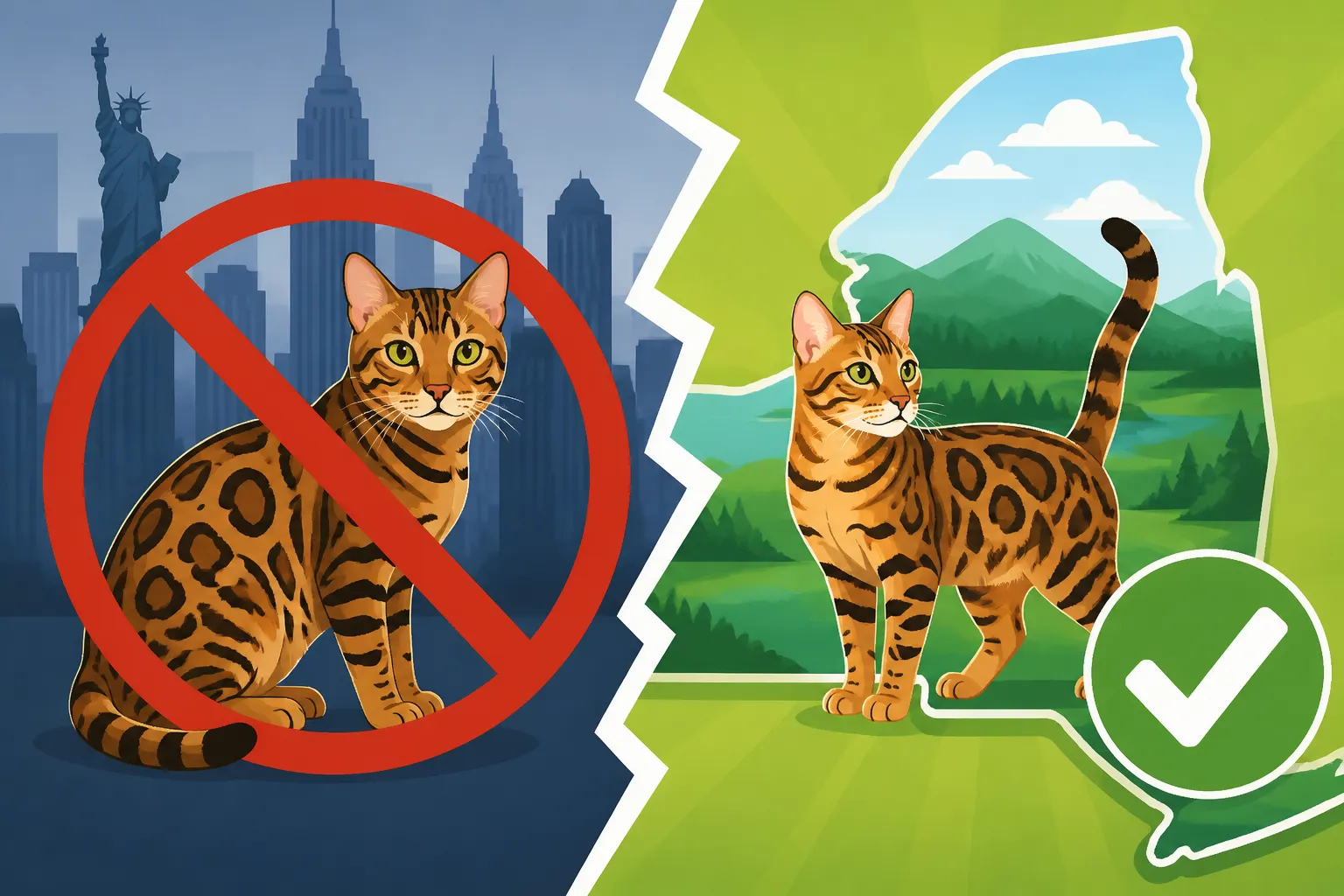
New York City Bans the Bengal Cat the State Allows
Oh, the heartache and confusion of trying to navigate pet ownership laws, especially when you're deeply in love with a specific breed like the magnificent Bengal cat! It's one thing to understand state laws, but then to find out your city has entirely different, and often far stricter, rules can feel like a cruel joke. Many aspiring Bengal owners in the Empire State face this exact dilemma: New York State might allow certain Bengal generations, but turn your eyes to the concrete jungle of New York City, and you'll find a complete ban. This guide is here to untangle that frustrating legal knot, explaining why New York City has put its paw down on Bengal cats and what it means for you.
The Tangled Web of Hybrid Cat Laws: State vs. City Rules
When it comes to unique breeds like the Bengal, which has wild ancestry, laws often get complicated. It's not just about what a state says; often, individual counties or even cities can impose their own, more restrictive, regulations. This patchwork of rules can leave prospective owners feeling lost and disheartened, especially when they're trying to do the right thing.
Understanding Filial Generations in Bengal Cats
To truly grasp why Bengal cat laws vary so much, we first need to understand the concept of "filial generations," often abbreviated as "F-numbers." This isn't just a fancy breeder term; it's the core of most hybrid animal legislation. The F-number tells you how many generations removed a Bengal cat is from its wild ancestor, the Asian Leopard Cat.
- F1 Bengals: These are the direct offspring of an Asian Leopard Cat and a domestic cat. They have the highest percentage of wild blood and often retain many wild instincts, behaviors, and physical traits. As such, they are almost universally restricted or banned.
- F2 Bengals: These cats have an F1 parent and a domestic cat parent. They are two generations removed from the wild ancestor. While still carrying a significant wild percentage, they are a step closer to domestication than F1s.
- F3 Bengals: An F3 Bengal has an F2 parent and a domestic cat parent. They are three generations removed from the Asian Leopard Cat, with a lower percentage of wild blood.
- SBT Bengals (Stud Book Tradition): This is where most domestic Bengal cats fall. An SBT Bengal is at least four generations (F4 or higher) removed from its Asian Leopard Cat ancestor, and all its parents and grandparents must also be Bengals. By this point, the cat is considered fully domesticated, much like any other recognized cat breed. This distinction is absolutely crucial because it's where most state laws draw the line. Many states allow SBT Bengals, considering them domestic animals, while still banning or heavily restricting F1-F3 cats. Knowing What an F Number on a Bengal Cat Means Legally is foundational for any potential owner. The higher the F-number, the less wild DNA the cat possesses, making it more predictable in a home environment.
How New York State Views Bengal Cats
New York State, like many other states, generally recognizes and permits the ownership of later-generation Bengal cats. Specifically, the state often considers F4 and subsequent generations (SBT Bengals) to be domestic animals, similar to a Maine Coon or a Siamese. This means that if you live in, say, Albany, Syracuse, or Rochester, you might very well be able to own an SBT Bengal cat without needing any special permits.
The state's approach is typically based on the idea that by the fourth generation, the influence of the wild ancestor is sufficiently diluted that the animal behaves predictably enough to be considered a household pet. This allows breeders and owners across vast swaths of New York to enjoy these beautiful cats. However, even within the state, there can be local variations, so it's never enough to just check state law. Always dig deeper into county and municipal codes. Many people initially only look up Which Bengal Cat Generation New York State Allows and feel a wave of relief, only to discover the city they live in has other plans entirely.
New York City's Stricter Stance: Why the Big Apple is Different
New York City, with its dense population, compact living spaces, and unique set of public safety concerns, operates under a different philosophy when it comes to certain animals, especially those with wild lineage. What might be perfectly acceptable in a sprawling upstate town can be a complete no-go in a bustling borough like Manhattan or Brooklyn.
The Specifics of the NYC Ban
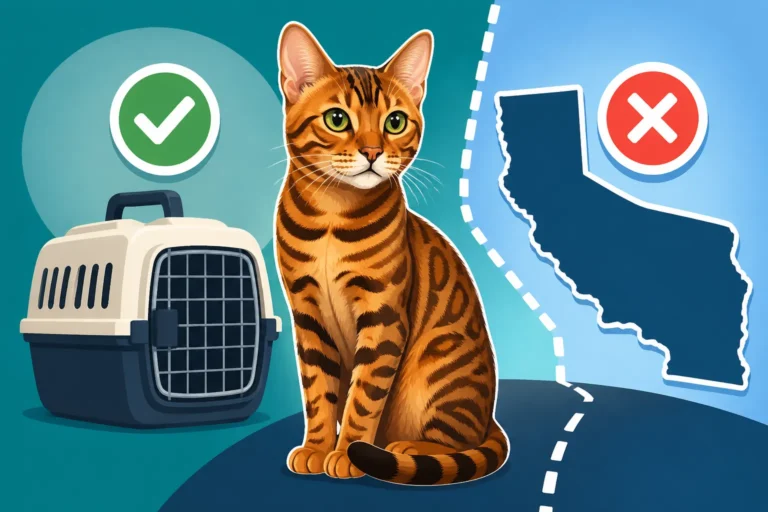
Here's the frustrating truth for Bengal cat enthusiasts eyeing a move to the five boroughs: New York City has a blanket ban on all "wild animals" and "wild animals with domestic animal characteristics," which includes hybrid cats like Bengals, regardless of their filial generation. This means whether you have an F1 Bengal with pronounced wild traits or an F7 SBT Bengal that acts no different from a tabby, the city's Animal Health and Welfare section of the Administrative Code likely prohibits it.
The city's stance is often rooted in a broad definition of what constitutes a "wild" or "exotic" animal. For New York City, it's not just about the percentage of wild blood, but the very existence of a wild ancestor in the breed's recent history. This makes it incredibly difficult, if not impossible, to legally keep a Bengal cat within city limits. You can try to argue the point, showing pedigrees and DNA tests, but the city's code is typically interpreted very strictly. This is a common point of contention and heartache for those who find their beloved pet outlawed simply by crossing a city line.
The Rationale Behind the City's Prohibition
So, why does New York City take such an unyielding stance compared to the rest of the state? It boils down to several key factors that are unique to highly urbanized environments:
- Public Safety Concerns: In a city where millions of people live in close proximity, the potential for any animal, even a domesticated one, to cause harm or panic is amplified. A cat breed with a wild appearance and reputation, regardless of its actual temperament, can easily stir public fear if it were to escape. The city prioritizes minimizing any perceived threat to its citizens.
- Urban Environment Suitability: New York City apartments are notoriously small, and outdoor access is limited or non-existent for most pets. The city may believe that Bengal cats, known for their high energy levels, need for extensive enrichment, and natural climbing instincts, are simply not suited for typical urban living conditions. This isn't about the individual cat's personality, but a general policy decision based on breed characteristics.
- Enforcement Difficulties: Imagine the challenge for animal control officers trying to determine an F-number in the field. Without official papers and possibly even DNA testing, distinguishing an F1 from an SBT Bengal based purely on appearance is nearly impossible for the untrained eye. A blanket ban simplifies enforcement immensely, removing any ambiguity about what is and isn't allowed. This practicality often drives legislative decisions in large municipalities.
- Disease Control: While often overlooked, some bans on exotic or hybrid animals are also tied to concerns about zoonotic diseases or the potential for these animals to interact with and potentially impact local wildlife populations if they escape. While less likely for a highly domesticated SBT Bengal, it remains a part of the broader conversation around hybrid animals.
Ultimately, the city prioritizes what it perceives as public safety and ease of regulation over individual pet ownership preferences, leading to this sweeping prohibition. It's a tough pill to swallow for many, but it's the reality for cat lovers in NYC.
Living in New York City with a Bengal Cat: The Harsh Realities
Understanding the law is one thing, but living under its shadow, or worse, facing its direct enforcement, is an entirely different and far more stressful experience. If you find yourself in New York City with a Bengal cat, or if you're considering a move there, you need to be aware of the severe consequences.
Legal Ramifications for Owners
The legal consequences of owning a prohibited animal in New York City can be incredibly serious, both financially and emotionally. It's not just a slap on the wrist; the city takes these bans very seriously.
- Fines and Penalties: Owners found with a Bengal cat can face substantial fines. These aren't minor tickets; they can range into the hundreds or even thousands of dollars, often with escalating penalties for repeat offenses. These financial hits can be devastating for a family.
- Confiscation: This is often the most heartbreaking outcome. Animal control or other city authorities have the power to confiscate your Bengal cat. This means your beloved pet could be removed from your home, potentially placed in a shelter or a holding facility, while your case is processed. Imagine the terror for your cat, suddenly in an unfamiliar environment, and the anguish for you. What Happens to a Confiscated Bengal Cat is a dire situation no owner ever wants to experience.
- Legal Battles: Fighting a confiscation or a fine can involve lengthy and expensive legal battles. You might need to hire an attorney specializing in animal law, and even then, the city's strict ordinances can be difficult to challenge. This adds immense stress, time, and financial burden to an already emotional situation. While pet insurance like Healthy Paws offers incredible peace of mind for unexpected veterinary emergencies, it typically won't cover legal fees associated with animal bans.
The emotional toll of these possibilities cannot be overstated. The idea of losing your cherished companion due to a bureaucratic interpretation of "wild animal" is every pet owner's nightmare.
Proving Your Cat's Generation (or Lack Thereof) in NYC
You might think, "Well, my Bengal is an SBT, I have papers! I can just prove it." While this might work in other jurisdictions, New York City's blanket ban often renders such proof moot. The city's ordinance typically doesn't differentiate between generations of hybrid cats; if it's a Bengal, it's prohibited.
Even if you have impeccable TICA registration papers, a certified pedigree tracing back generations, or even a DNA test proving your Bengal is many generations removed from its wild ancestor, these documents might not hold sway with NYC authorities. Their interpretation is often that the breed itself is prohibited because of its wild origin, not just specific generations. This creates a deeply frustrating Catch-22 for responsible owners. You've done all your homework, sourced your cat from a reputable breeder, and have all the documentation, yet it still doesn't matter. This highlights a significant disconnect between breeder standards and municipal law, and it's something every potential NYC resident must understand fully. Trying to argue these points after the fact is incredibly difficult and often unsuccessful, proving that How to Prove Your Bengal Cat's Generation doesn't help if the city doesn't care about the proof.
Moving to or From New York City with a Bengal Cat
The decision to move can be exciting, but for Bengal cat owners, it can also be fraught with anxiety, especially when New York City is involved. The legal landscape around hybrid cats can turn a simple relocation into a complex logistical and emotional challenge.
The Dilemma of Relocation
If you currently own a Bengal cat and are considering moving to New York City, or if you live in NYC with a Bengal cat and are planning to move out, you face a significant dilemma. Ignorance of the law is no excuse, and violating city ordinances can have severe consequences.
- Moving to NYC: This is the most precarious situation. If you bring a Bengal cat into New York City, you are immediately in violation of local law, regardless of its generation. The city's ban applies the moment your cat crosses the city limits. This means you would be risking fines, confiscation, and potentially having to rehome your beloved pet. The responsible action is to thoroughly research alternatives or find suitable arrangements for your Bengal before making the move. It's a heartbreaking choice for many, forcing them to prioritize their cat's welfare and legal status over their desired living location. The reality of What Happens If You Move With an Illegal Bengal Cat is not a pleasant one.
- Moving from NYC: If you have a Bengal cat within NYC, you're already in a legally questionable position. Moving out of the city to a location where Bengal cats are permitted is the best course of action if you want to keep your pet without legal risk. However, this doesn't absolve you of past violations. The key is to ensure your new destination allows Bengal cats, and to avoid any interaction with NYC animal control during your departure. Always double-check the laws of your new municipality to avoid jumping out of the frying pan and into the fire.
The core message here is: do your homework well in advance. Never assume that because a state allows a breed, all cities within that state do too. This diligent research can save you immense heartache and potential legal trouble.
Resources for Navigating Legal Complexities
Facing the labyrinthine laws surrounding pet ownership in a major city can feel overwhelming. Fortunately, there are resources available to help you understand your situation and explore your options.
- Local Animal Control and Health Departments: Start by contacting the specific animal control or health department in the municipality you're interested in. They are the ultimate authority on local pet ordinances and can provide definitive answers regarding Bengal cats. Be prepared for direct and potentially unyielding answers in places like NYC.
- Animal Law Attorneys: For complex situations, especially if you already own a Bengal cat in a restricted area or are facing confiscation, consulting an attorney specializing in animal law is crucial. They can interpret local statutes, advise on your rights, and represent you in legal proceedings. This can be an unexpected cost, but often necessary to protect your pet.
- Breed-Specific Rescue Organizations: If you find yourself unable to legally keep your Bengal cat, rescue organizations dedicated to the breed can be an invaluable resource. They understand the breed's needs and legal challenges and can help facilitate safe and legal rehoming to an appropriate environment. They are there to help, not to judge.
- Reputable Bengal Breeders: A good breeder will be knowledgeable about breed legality in various areas and can offer advice or even connections to rescue networks if you're in a bind. They often care deeply about the welfare of their cats beyond the point of sale.
The frustration of navigating these rules is immense, but seeking expert guidance is always the wisest first step. Don't try to go it alone or rely on rumors. Arm yourself with accurate information by asking questions like How to Read Your City Code for a Bengal Cat.
Alternatives and Responsible Ownership Considerations
So, if New York City is your home, and you've learned that a Bengal cat is off-limits, what are your options? The good news is that the world is full of incredible feline companions, and responsible pet ownership extends far beyond just obeying the law.
Other Spotted Breeds and Domestic Cats
While a Bengal cat's unique pattern and personality are undeniably captivating, there are many other wonderful cats that can bring joy to your home, some even with a similar aesthetic, and without the legal headaches.
- Ocicats: These beautiful cats have a wild look with striking spots, but are 100% domestic. They are playful, intelligent, and often described as dog-like in their devotion and ability to learn tricks. They offer that exotic appearance without any wild blood.
- Egyptian Maus: Another naturally spotted breed, Egyptian Maus are elegant and graceful. They are known for their intelligence and loyalty, and their spots are completely natural. They are also active and enjoy playtime.
- Spotted Domestic Shorthairs: Don't underestimate the charm of a regular domestic shorthair! Many shelter cats have beautiful spotted or tabby patterns that can mimic a wild look. They come in all personalities and often desperately need a loving home. By choosing a domestic cat, you avoid all the legal complexities and support animals in need.
Embracing another breed or a shelter cat allows you to fulfill your desire for a feline companion without risking legal trouble or the welfare of your pet. Every cat deserves a safe, legal, and loving home. You can find incredible companions from local shelters or reputable breeders outside of NYC, ensuring you get a cat that is both a perfect fit and legally sound.
The Importance of Due Diligence Before Adoption
This whole situation with New York City and Bengal cats is a stark reminder of why thorough research is paramount before bringing any pet into your home. It’s not just about falling in love with a picture; it’s about understanding the long-term commitment and the legal landscape.
- Research Local Ordinances: Before you even start looking at breeders or shelters, take the time to deeply research your local city, county, and state laws regarding pet ownership. This includes breed-specific bans, exotic animal regulations, and even limits on the number of pets you can own. This initial step can save you immense heartbreak down the line. How to Read Your City Code for a Bengal Cat is a skill every prospective pet owner should master.
- Consider the Breed's Needs: Beyond legality, consider whether the breed you're interested in is a good fit for your lifestyle and living environment. A highly active breed like a Bengal, even if legal, might struggle in a tiny apartment with limited enrichment. A responsible owner matches the pet to their circumstances, not just their desires.
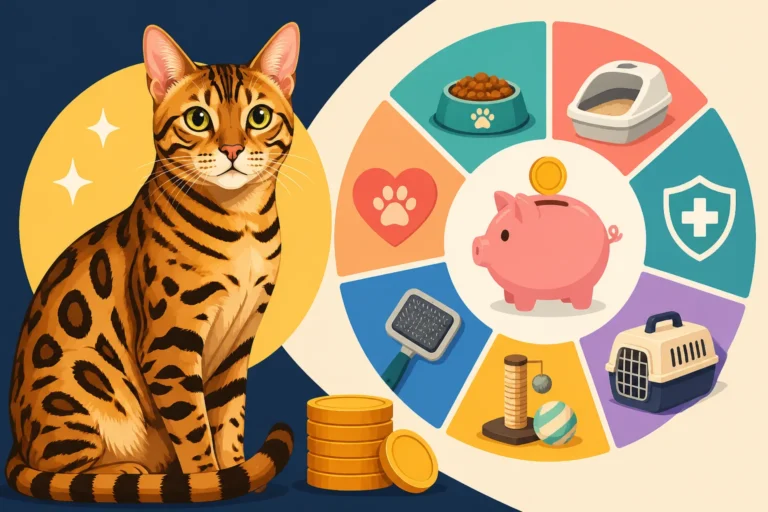
- Financial Planning: Pets are a significant financial commitment, from initial purchase price (which can be substantial, as seen in What a Bengal Cat Costs to Buy in 2026 and The F1 to F5 Price Ladder for a Bengal Cat) to ongoing food, vet care, and emergency funds. Ensure you're prepared for the full Fifteen Years of a Bengal Cat, Priced Out. Investing in pet insurance from providers like Healthy Paws can help manage unexpected veterinary bills, giving you peace of mind throughout your cat's life. Similarly, budgeting for high-quality food is crucial for your cat's health.
Taking these steps ensures that you’re not just an owner, but a responsible and well-prepared guardian for your new family member, no matter where you live.
Ensuring Your Bengal Cat's Welfare, Wherever You Live
Even if you reside in an area where Bengal cats are perfectly legal, responsible ownership means understanding and catering to their unique needs. These aren't just pretty faces; they are intelligent, active animals that thrive with proper care and attention.
Health Screening and Responsible Breeding
A healthy Bengal cat begins with responsible breeding practices. Because of their unique genetics and certain breed predispositions, it's absolutely critical to choose a breeder who prioritizes health.
- Genetic Testing: Reputable breeders conduct extensive genetic testing to screen for common Bengal cat health issues. These include Progressive Retinal Atrophy (PRA-b), which can lead to blindness, and Pyruvate Kinase Deficiency (PKD), a type of anemia. Asking for proof of these tests for both parents is non-negotiable. What a Bengal Cat Breeder Should Have Tested is a comprehensive list of what to look for.
- Heart Health (HCM Screening): Hypertrophic Cardiomyopathy (HCM) is a heartbreaking heart condition found in many cat breeds, including Bengals. Responsible breeders regularly screen their breeding cats via echocardiograms performed by a veterinary cardiologist. There's no genetic test for Bengal HCM, so regular scans are the gold standard.
- Overall Health and Socialization: A good breeder will also ensure their kittens are healthy, vaccinated, wormed, and well-socialized before they go to their new homes. They should be able to provide veterinary records and allow you to see the kitten in its home environment with its mother.
Choosing a breeder who is transparent about their health protocols and genuinely cares about the long-term welfare of their cats is the foundation of a happy, healthy Bengal. This investment up front can save you significant heartache and veterinary bills down the road.
Providing Appropriate Enrichment and Environment
Bengal cats are not your average couch potato felines. Their intelligence, energy, and wild instincts mean they need a specific type of environment and plenty of mental and physical stimulation to thrive. Without it, they can become bored, destructive, or develop behavioral issues.
- Vertical Space: Bengals love to climb! They need tall cat trees, wall-mounted shelves, and access to high perches to survey their domain. This satisfies their natural instinct to be elevated and provides crucial exercise.
- Interactive Play: These cats require multiple, energetic play sessions daily. Wand toys, laser pointers (used carefully to avoid frustration), and puzzle toys are excellent for engaging their minds and bodies. Think of it as a daily adventure. Companies like Chewy offer a fantastic array of durable, engaging toys that can stand up to a Bengal's enthusiastic play.
- Mental Stimulation: Don't forget their brains! Puzzle feeders, teaching tricks with clicker training, and even leash training for supervised outdoor adventures can keep a Bengal sharp and happy. They are incredibly clever and thrive on learning.
- Water Play: Many Bengals are fascinated by water! Providing a pet-safe water fountain or even supervising them with a shallow bowl of water and floating toys can be a source of endless entertainment.
- Catios and Secure Outdoor Access: If possible, a secure outdoor enclosure (a "catio") is ideal. This allows them to experience the sights, sounds, and smells of the outdoors safely, preventing escapes and protecting local wildlife. This kind of specialized setup contributes significantly to How Much Enrichment a Bengal Cat Actually Needs.
Proper nutrition is also key to fueling such an active cat. Bengals often benefit from high-quality, high-protein diets. Whether you choose premium kibble, wet food, or a fresh-food option, ensure it meets their caloric and nutritional needs. Consult with your vet to determine the best diet for your individual Bengal. A well-fed, well-exercised, and mentally stimulated Bengal is a truly magnificent companion, no matter where they are allowed to live.
Bengal Cat Legality: New York State vs. New York City
To summarize the often-confusing legal landscape, here's a quick comparison:
| Feature | New York State (General) | New York City (All Boroughs) |
|---|---|---|
| F1-F3 Bengal Cats | Generally restricted or banned; often require special permits | Strictly banned |
| SBT Bengal Cats (F4+) | Generally permitted; considered domestic animals | Strictly banned (regardless of generation) |
| Rationale | Focuses on dilution of wild blood, domestic behavior by F4 | Blanket ban due to wild ancestry, public safety, urban suitability |
| Enforcement | Varies by county/town; may require proof of generation | Strict, often no distinction for generation; confiscation possible |
| Permits/Licenses | May be required for early generations, not typically for SBTs | Not available; ownership is prohibited |
| Recommended Action | Check local town/county ordinances, secure permits for F1-F3 | Do not acquire or bring a Bengal cat into the city |
Disclaimer
This article is for general informational purposes only and does not constitute professional advice. Laws, prices and regulations vary by location and change over time. Consult a qualified professional for guidance on your specific situation.