What a Melanistic Bengal Cat Costs
It's completely understandable to be captivated by the striking beauty of a Melanistic Bengal cat and then immediately wonder, "What does it actually cost to own one?" These stunning felines, often resembling miniature panthers with their dark, sleek coats and ethereal "ghost spots," are a rare sight, and their mystique naturally extends to their price tag. This guide will walk you through the specific characteristics that define a Melanistic Bengal, delve deep into the various factors that influence their initial purchase price, and explore the ongoing financial commitment required to provide a happy, healthy life for one of these magnificent creatures.
The Allure of the Melanistic Bengal Cat
When you picture a Bengal cat, you likely imagine those vibrant, rosetted coats – the classic leopard spots. But then you encounter a Melanistic Bengal, and it's like glimpsing a shadow come to life. These cats possess a unique beauty that sets them apart, often making prospective owners pause and admire before even considering the practicalities.
What Exactly is a Melanistic Bengal?
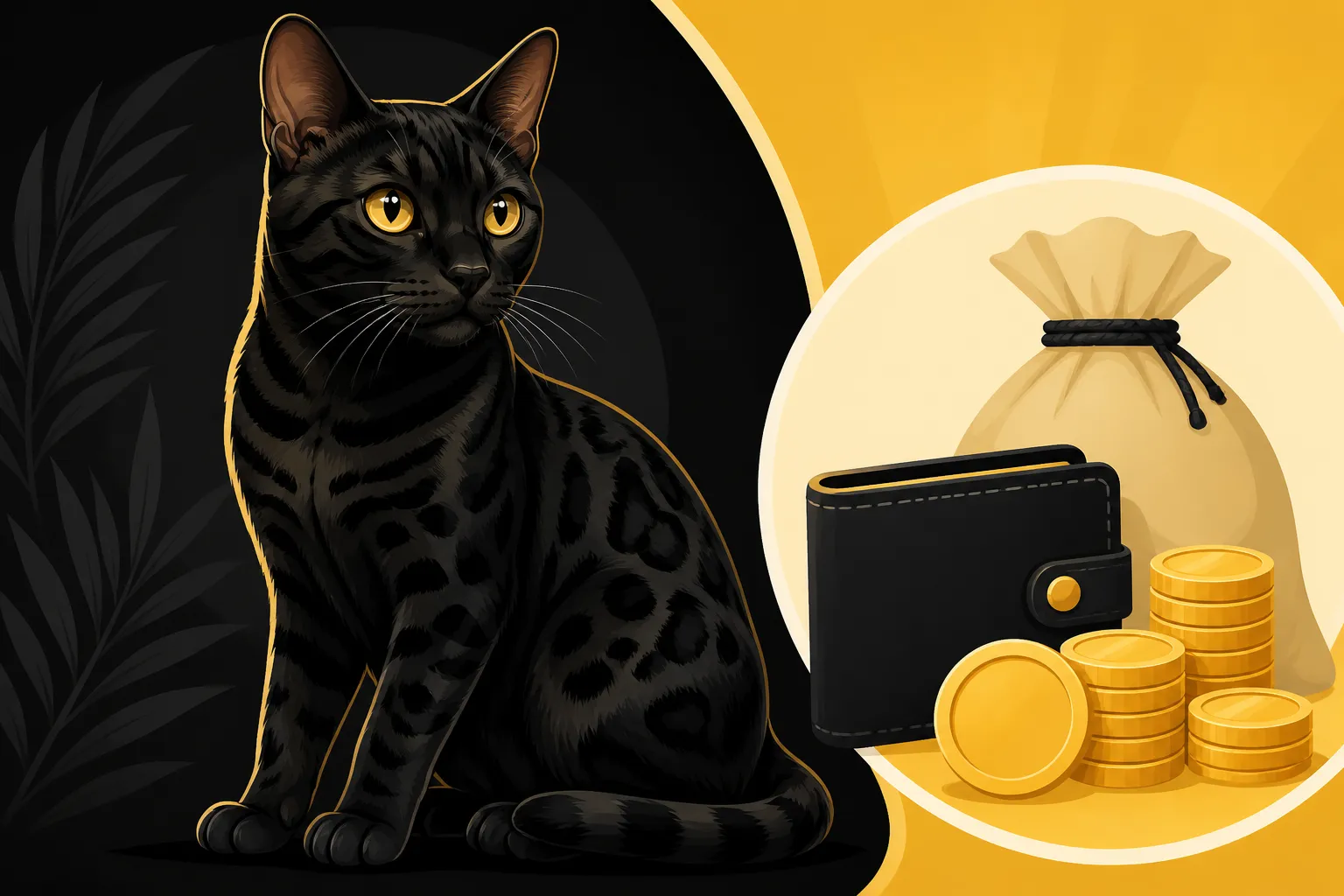
At its heart, a Melanistic Bengal is still a Bengal cat, carrying all the wonderful traits and characteristics of the breed. The "melanistic" part refers to a genetic condition where the cat produces an excessive amount of dark pigment, melanin, throughout its fur. Think of it as the opposite of albinism. While it appears to be a solid black cat at first glance, a true Melanistic Bengal still carries the underlying pattern – spots, rosettes, or marbling – which can be seen in certain light, like glancing off a deep obsidian stone. These are often referred to as "ghost spots" or "ghost rosettes," adding to their mystique. It's not just a black domestic shorthair; it's a Bengal, with all the muscling, head shape, and personality that entails, just cloaked in darkness. This is a crucial distinction, as a cat that is merely a black domestic cat without the underlying Bengal genetics would not be considered a Melanistic Bengal.
The Rarity and Visual Appeal
The reason Melanistic Bengals carry a certain mystique, beyond their stunning appearance, is their relative rarity. Not every Bengal breeding program aims for or even produces melanistic kittens. To get a melanistic cat, both parents must carry the non-agouti gene, which essentially allows the full expression of black pigment, obscuring the pattern. This genetic combination isn't as common as those that produce the more widely recognized brown or snow Bengals. Their sleek, panther-like appearance often appeals to those who are drawn to the wild look of the Asian Leopard Cat ancestors but desire a deeper, more uniform coloration. Imagine a mini black panther gracefully navigating your living room – that's the kind of exotic allure a Melanistic Bengal brings. The way their hidden spots shimmer under specific lighting conditions can be truly captivating, offering a subtle nod to their wild heritage that's not immediately obvious.
Dissecting the Upfront Cost of a Melanistic Bengal Kitten
Bringing any Bengal cat home involves an initial financial investment, and a Melanistic Bengal is no exception. However, due to its unique coloration and relative rarity, certain factors can push the price point for these dark beauties even higher than their more common counterparts. It's not just about the color; it's about a combination of genetics, ethical breeding practices, and demand.
General Factors Influencing Bengal Cat Prices
Before we dive into the specifics of melanism, it's important to understand the broader forces at play in pricing any Bengal kitten. These are variables that would affect the cost of a brown spotted, snow, or silver Bengal just as much as a melanistic one. Firstly, the breeder's reputation is paramount. A reputable breeder invests heavily in the health, temperament, and genetic quality of their cats. This means extensive health testing, high-quality nutrition for the breeding animals and kittens, proper socialization, and often a robust guarantee for the kitten's health. You're paying for their expertise and ethical commitment, which is always worth it.
Secondly, the generation of the Bengal cat plays a significant role. Bengals are classified by their "F" generation, with F1 being a direct cross from an Asian Leopard Cat and a domestic cat, and SBT (Stud Book Traditional) being generally four or more generations removed from their wild ancestor, making them fully domestic. Melanistic Bengals are almost always SBT generation, meaning they are several generations removed from the wild cat, making them suitable and legal in most pet homes. Early generation cats (F1-F3) are much rarer, require special permits in many areas, and typically cost substantially more due to their wilder traits and the specialized care involved in breeding them. For more on this, you might find What an SBT Bengal Cat Costs helpful.
The quality of the kitten also impacts the price. "Pet quality" kittens, while still magnificent and purebred, may have minor cosmetic flaws that prevent them from excelling in the show ring, but they make perfect companions. "Show quality" kittens, on the other hand, closely adhere to the breed standard, exhibiting exceptional type, pattern, and conformation, and will naturally command a higher price. This doesn't mean a pet-quality Melanistic Bengal is any less cherished or beautiful, just that it might not be destined for the spotlight of a cat show.
How Melanism Elevates the Price Tag
Now, let's talk about the melanistic trait itself. Because melanism is less common and requires specific genetic pairing, breeders who successfully produce healthy, well-typed Melanistic Bengal kittens often price them at the higher end of the Bengal spectrum. The demand for these unique cats is also a contributing factor; their rarity makes them highly sought after by enthusiasts looking for something truly distinctive. It's a supply and demand dynamic, where the limited availability of high-quality melanistic kittens naturally drives up their value.
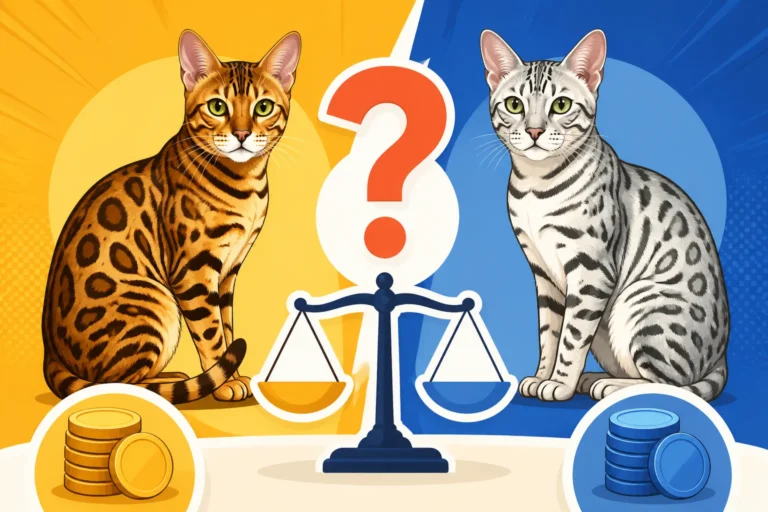
Compared to more common colors like a standard brown spotted or even a silver Bengal, a Melanistic Bengal will often carry a premium. It's similar to how other unique color variations, such as the less common blue or charcoal Bengals, might also command a slightly higher price due to their specialized genetics and visual appeal. When a breeder works to produce a specific, rare color while maintaining all the other desirable Bengal traits (like body type, head shape, and temperament), their efforts and success are reflected in the kitten's price. The beauty of those ghost markings, visible only when the light catches their coat just right, is something truly special that many owners are willing to invest in. You're not just buying a black cat; you're buying a Bengal cat with a unique genetic expression that makes it truly stand out.
Why Health Testing and Pedigree Matter So Much
When you're looking at a kitten, especially one with a premium price tag, knowing that the breeder has invested in comprehensive health screening for their breeding cats is non-negotiable. This is where a reputable breeder truly shines and justifies the cost. They will conduct DNA tests for genetic conditions common in Bengals, such as Pyruvate Kinase Deficiency (PKD) and Progressive Retinal Atrophy (PRA-b). Understanding The Bengal Cat PRA-b DNA Test is essential, as this condition can lead to blindness. Beyond genetic tests, cardiac screenings, specifically echocardiograms, are vital to check for Hypertrophic Cardiomyopathy (HCM), a prevalent heart disease in the breed. A responsible breeder will be transparent about their testing protocols and readily provide documentation. Don't be shy about asking to see the health certificates for both parents.
This commitment to health helps ensure that your new family member has the best possible start in life and reduces the likelihood of costly and heartbreaking health issues down the line. A higher upfront cost for a kitten from thoroughly health-tested parents can save you immense emotional distress and significant veterinary bills in the future. Remember, investing in a kitten with a verifiable pedigree from health-tested lines isn't just about showing off; it's about ensuring you're bringing home a robust and well-bred animal. For more detailed information, exploring What a Bengal Cat Breeder Should Have Tested can give you a clear picture of what to expect.
Beyond the Initial Purchase: The Lifelong Investment
The purchase price of your Melanistic Bengal kitten is just the beginning of your financial journey. Owning a Bengal, regardless of color, is a commitment that extends throughout their potentially The Twelve to Sixteen Years a Bengal Cat Gets. These are active, intelligent, and sometimes particular cats who thrive with proper nutrition, regular veterinary care, and an enriched environment. Budgeting for these ongoing costs is essential for any prospective Bengal owner.
Fueling an Energetic Feline: Food and Nutrition
Bengal cats are renowned for their high energy levels, and fueling that activity requires a high-quality, protein-rich diet. Unlike some more sedentary breeds, Bengals burn a lot of calories, and cheap, filler-laden foods simply won't cut it for their muscular builds and demanding metabolisms. Many Bengal owners opt for premium kibble, high-quality wet food, or even a raw diet, all of which come with their own price points.
For instance, a diet heavy in quality wet food or a specialized fresh food delivery service can certainly be more expensive than basic dry kibble, but many owners feel it's a worthwhile investment in their cat's health and longevity. If you're considering a raw diet, remember that sourcing and preparing it correctly requires careful attention to nutritional balance, often involving specialized suppliers. Even for premium kibble, shopping at reputable online retailers like Chewy allows you to easily compare brands and find options that meet your Bengal's specific dietary needs, perhaps even subscribing for regular deliveries to save a bit. The exact monthly cost will vary greatly depending on the brand, type of food, and whether you free-feed or provide portioned meals, but always prioritize quality for these active felines. Which Protein Percentage Suits a Bengal Cat is a good read if you're diving deeper into their dietary needs.
Safeguarding Their Health: Vet Care and Insurance
Regular veterinary care is crucial for maintaining your Bengal's health, from routine check-ups and vaccinations to dental cleanings and managing any unexpected illnesses. Due to their active nature, Bengals can sometimes get into scrapes, and like any breed, they are prone to certain genetic predispositions, even with responsible breeding. Conditions like What HCM Does to a Bengal Cat's Heart or occasional bouts of Chronic Diarrhea Is the Bengal Cat Complaint Nobody Warns About can lead to significant veterinary expenses.
This is where pet insurance becomes a real lifesaver for many Bengal owners. Companies like Healthy Paws offer various plans that can help offset the costs of accidents, illnesses, and emergency care. While there's a monthly premium, knowing that you're covered for a significant portion of unexpected vet bills can provide immense peace of mind, especially as your Bengal ages and may require more frequent medical attention. Without insurance, a single emergency or chronic condition could easily run into thousands, making the upfront investment in a policy a wise financial decision for many. It's worth comparing different plans to understand what's covered and what your deductible and reimbursement rates would be, ensuring you choose a plan that aligns with your budget and your Bengal's potential needs.
Crafting an Engaging Environment
Bengal cats are not your average couch potatoes; they demand mental and physical stimulation to prevent boredom and destructive behaviors. This means investing in a variety of toys, climbing structures, and enrichment tools. They love vertical space, so tall, sturdy cat trees are a must. They're also known for their love of water, so a good quality, robust water fountain might be a better choice than a simple bowl, especially since they'll likely try to play in it!
Many Bengal owners find that a cat wheel is an invaluable tool for burning off energy, allowing their cats to run to their heart's content indoors. For those with outdoor space, a secure catio (a cat enclosure) is often seen as the ultimate enrichment, allowing them to safely experience the outdoors without the risks of free-roaming. Constructing or purchasing a catio can be a significant expense, but it's an investment in your Bengal's well-being. For ideas on this, you might look at What a Catio for a Bengal Cat Costs. Even smaller items like puzzle feeders, rotating wand toys, and interactive gadgets add up over time, but they are crucial for keeping your intelligent Bengal engaged and out of trouble. Ignoring these needs can lead to a bored Bengal, which often translates to a mischievous and potentially destructive Bengal, costing you more in damaged furniture or belongings in the long run.
Is a Melanistic Bengal Cat Worth the Investment?
After considering the initial purchase price and the ongoing financial commitments, the question naturally arises: is a Melanistic Bengal cat truly worth the investment? For those who understand and are prepared for the unique demands and incredible rewards of this breed, the answer is often a resounding yes.
Weighing the Unique Experience Against the Cost
Owning a Melanistic Bengal is more than just having a pet; it's about sharing your home with a living piece of art, a creature of wild beauty and boundless energy. The cost is not just for the cat itself, but for the experience of its distinct personality, its playful antics, and its stunning, rare appearance. They are highly interactive, intelligent, and form deep bonds with their human companions. Imagine the joy of watching your mini-panther chase a laser dot, climb to the highest point of your cat tree, or even join you for a splash in the shower! This level of engagement and companionship is what many owners cherish most.
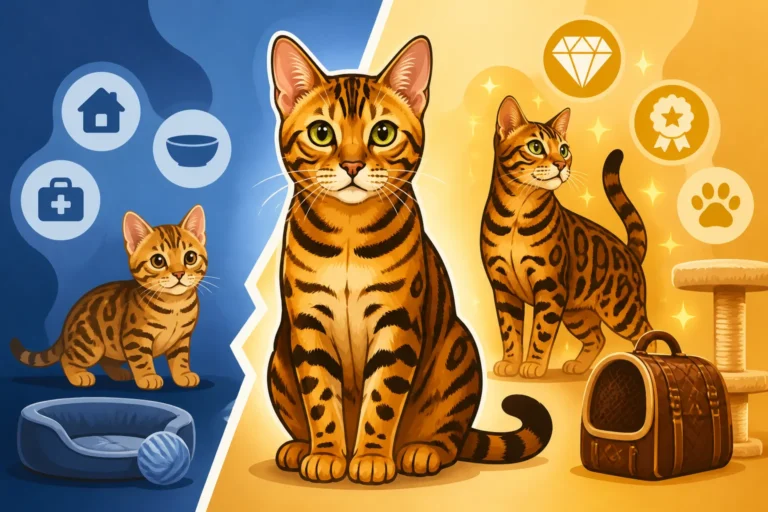
The initial premium for a Melanistic Bengal reflects its rarity and the specialized breeding required. The ongoing costs reflect the need to provide a stimulating environment and high-quality care for a truly athletic and intelligent animal. When weighing the "worth," it comes down to what you value in a companion animal. If you're looking for an active, engaging, and visually stunning cat that brings a touch of the wild into your domestic life, and you're prepared for the commitment, then a Melanistic Bengal can be an incredibly rewarding addition to your family. It's a journey, not just a transaction. You might find the broader perspective of Whether a Bengal Cat Is Worth the Money insightful as you consider your options.
Long-Term Value and Companionship
Beyond the monetary aspects, the true value of any pet lies in the companionship and joy they bring over their lifetime. A well-cared-for Bengal cat can live for well over a decade, sometimes Caring for a Bengal Cat Past Ten. That's a long time to enjoy their playful nature, their distinctive vocalizations, and their unwavering loyalty. The memories created, the laughter shared, and the comfort they provide are priceless.
While the upfront and ongoing costs are tangible, the emotional return on investment from a cherished pet is immeasurable. The dark, sleek coat of a Melanistic Bengal cat adds an extra layer of mystique to an already captivating breed, making each interaction a special experience. If you are ready for the financial responsibility and the dedication required, a Melanistic Bengal can enrich your life in ways that far exceed any dollar amount.
| Cost Category | General Bengal Cat (SBT) | Melanistic Bengal Cat (SBT) | Notes |
|---|---|---|---|
| Initial Purchase | Moderate to High | High to Premium | Melanism is a rarer trait, often commanding a higher price due to demand and specialized breeding. Always check current figures with reputable breeders. |
| Health Testing (Pre-Purchase) | Included in Reputable Breeder Price | Included in Reputable Breeder Price | Essential for both, ensuring parents are screened for common genetic issues like PRA-b and HCM. This isn't an extra cost for you, but an investment by the breeder. |
| Food & Nutrition (Monthly) | High | High | All Bengals require a high-protein, quality diet to support their energy levels. Options range from premium kibble to raw or fresh food services. |
| Veterinary Care (Yearly Avg.) | Moderate to High | Moderate to High | Routine check-ups, vaccinations, parasite prevention. Potential for higher costs with unexpected illnesses or accidents. |
| Pet Insurance (Monthly) | Moderate | Moderate | Highly recommended for all Bengals to help manage unexpected vet bills, covering accidents and illnesses. Providers like Healthy Paws offer various plans. |
| Enrichment & Toys (Yearly Avg.) | Moderate to High | Moderate to High | Bengals need plenty of mental and physical stimulation: cat trees, cat wheels, puzzle feeders, and durable toys. Initial setup costs for items like a catio can be substantial. |
| Litter & Supplies (Monthly) | Moderate | Moderate | Consistent for all Bengals; they need large litter boxes and quality litter. |
Disclaimer
This article is for general informational purposes only and does not constitute professional advice. Laws, prices and regulations vary by location and change over time. Consult a qualified professional for guidance on your specific situation.