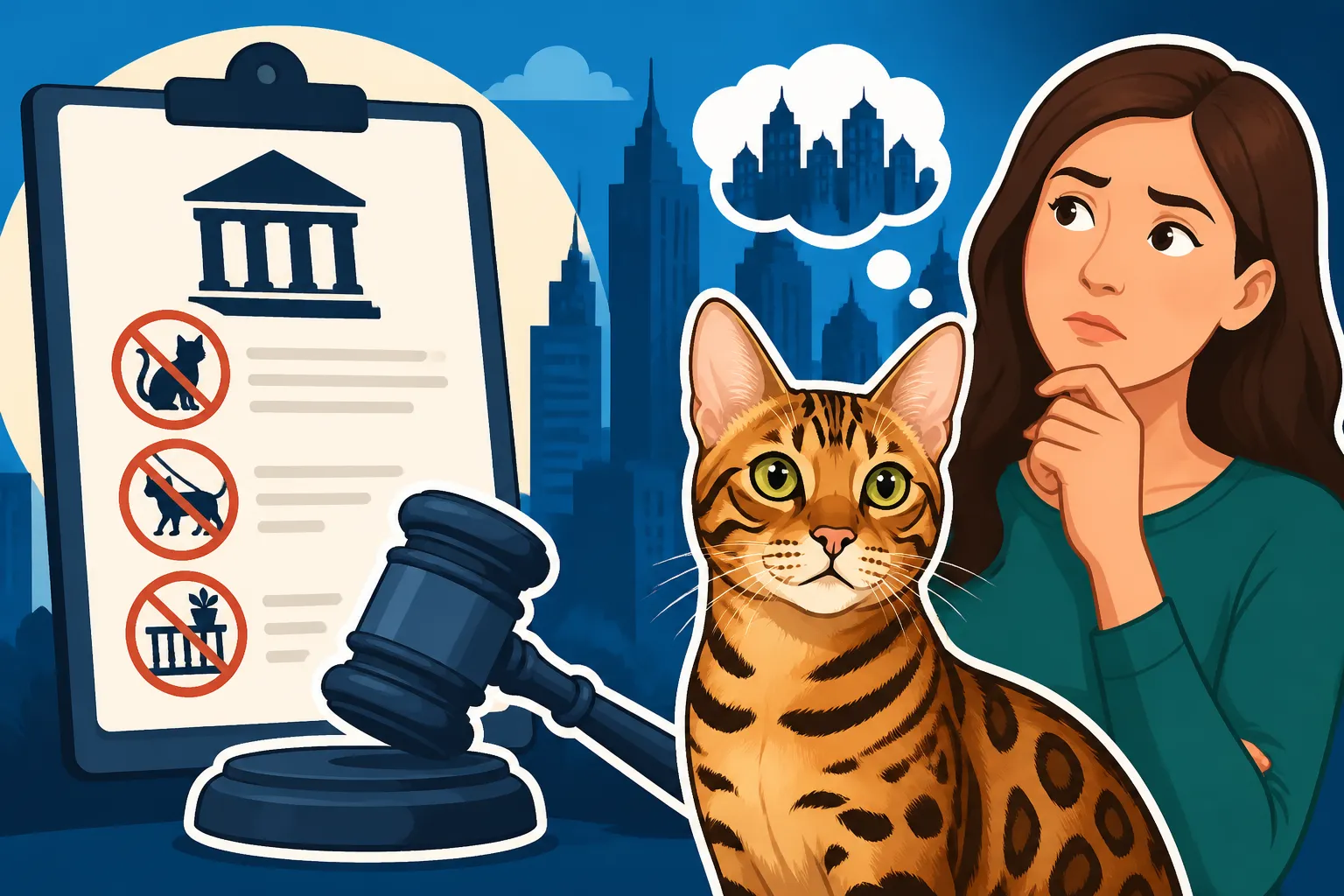
Which City Ordinances Catch a Bengal Cat Owner Out
It's incredibly frustrating when you're trying to be a responsible Bengal cat owner, only to find that the rules aren't clear, or worse, they change depending on which side of the city limit sign you're on. Many people assume if a Bengal is legal in their state, it's legal everywhere, but city ordinances can throw a real wrench into your plans. This guide will walk you through the often-confusing world of city-level regulations for Bengal cats, helping you understand where to look and what to watch out for.
The Overlapping Layers of Bengal Cat Law: Why City Ordinances Catch You Out
When it comes to owning a Bengal cat, you'd think that once you've checked your state's laws, you're in the clear. But oh, how wrong that assumption can be! The reality is a complicated patchwork of rules that can vary drastically, even within a few miles. It’s not just state law you need to worry about; local municipalities, counties, and especially cities often have their own specific ordinances that can impose additional restrictions, permit requirements, or outright bans on certain types of animals, including our beloved Bengals.
Imagine moving across town, only to discover your cherished companion, who was perfectly legal on one side, is now considered contraband. This isn't just a hypothetical scenario; it happens to Bengal owners more often than you'd think. The frustration stems from the fact that city councils and local animal control agencies often have the power to create and enforce regulations that are stricter than state guidelines. They might classify Bengal cats, particularly the earlier generations, as "wild animals" or "exotic pets" even if the state deems them domestic after a certain generation. This is a huge point of contention for many owners and breeders, who rightly point out the genetic distance of later-generation Bengals from their wild ancestors. You really need to understand Where Bengal Cat Law Is Set, the State or the City to navigate this maze successfully.
The reasoning behind these local ordinances can be multifaceted. Sometimes it's about public safety concerns, perceived or real. Other times, it's about managing animal populations, or even simply a lack of understanding about the breed itself. Whatever the reason, these local rules can create significant hurdles, leading to potential fines, confiscation, or even forcing owners to rehome their cats. It’s a heavy burden, and it makes doing your homework absolutely essential before you bring a Bengal into your home or move to a new area.
Common Types of City Ordinances Affecting Bengal Cats
City ordinances are a bit like snowflakes; no two are exactly alike, but they often share common themes. For Bengal cat owners, these themes typically revolve around breed restrictions, permit requirements, and specific housing or enclosure standards. Getting a handle on these categories can help you identify potential red flags in your local laws.
Breed-Specific Bans and Generation Restrictions
Perhaps the most impactful city ordinances are those that outright ban Bengal cats or restrict them based on their generation. You might live in a state that allows all Bengal cat generations, or perhaps only restricts F1s, F2s, and F3s, considering F4 (SBT) and later generations as fully domestic. However, a specific city within that state might have a blanket ban on all Bengal cats, regardless of generation. This is particularly common in highly populated urban areas where local governments err on the side of caution due to perceived "wild" traits.
For example, a state might permit all generations of Bengal cats, but the city of "Maple Creek" could have an ordinance stating that "no hybrid cats, regardless of filial generation, are permitted within city limits." This kind of broad language can be a huge shock for new owners. Similarly, a city might follow the state's lead for F1-F3 restrictions but add a permit requirement even for SBT (Stud Book Traditional) Bengals, which are generally considered fully domestic and widely accepted. It’s critical to understand What an F Number on a Bengal Cat Means Legally because cities often use this designation to classify them. Many owners are surprised to learn that Whether an SBT Bengal Cat Is Legal Everywhere is not a given.
| Restriction Type | Common City Ordinance | What It Means for You |
|---|---|---|
| Outright Ban | "No hybrid cats" | No Bengal cats of any generation are permitted. |
| Generation Specific | "F1-F3 banned" | Bans early generations; may or may not apply to SBT. |
| Permit Required | "Permit for F4+" | Even later generations need specific paperwork. |
| Enclosure Standards | "Secure outdoor space" | Requires a safe, escape-proof outdoor area like a catio. |
| Insurance Mandates | "Liability insurance" | May require specific pet liability coverage. |
Permit and Licensing Requirements
Even if your city doesn't outright ban Bengals, it might require special permits or licenses beyond a standard pet registration. These permits are often a way for local authorities to keep track of potentially restricted animals and ensure owners meet certain care standards. The application process can be rigorous, involving fees, inspections, and proof of responsible ownership.
A permit might require you to demonstrate that your Bengal is spayed or neutered, microchipped, and up-to-date on vaccinations. Some cities go further, demanding proof of adequate housing, especially if your Bengal will have outdoor access. This is where things like a secure Why a Catio Is the Answer to a Bengal Cat might become not just a good idea, but a legal requirement. You may need to provide details on the cat's lineage to prove its generation. The process can feel intrusive, but it's the city's way of trying to mitigate perceived risks. Knowing How to Apply for an Early Generation Bengal Cat Permit can be a lifesaver, even if your Bengal isn't technically "early generation" but still falls under local scrutiny.
Housing and Enclosure Standards
Another area where city ordinances often get specific is around how you house your Bengal cat, especially if they have access to the outdoors. Because of the Bengal's reputation for being incredibly active, agile, and intelligent – after all, The Bengal Cat Is the Most Active Cat You Can Own – some cities impose strict requirements for containment. This isn't just about preventing your cat from roaming; it's often about preventing potential encounters with wildlife or other domestic animals, or even perceived escapes that could cause public alarm.
You might find ordinances dictating minimum fence heights for outdoor enclosures, specific materials that must be used to prevent climbing or digging, or even requiring double-door entry systems for catios to prevent accidental escapes. Some permits will mandate an inspection of your property to ensure it meets these standards, which can be an intimidating experience. What an Inspection for a Bengal Cat Permit Involves can give you a clear idea of what to expect if your city requires one. These requirements are often aimed at preventing situations where a Bengal might be deemed a public nuisance or a threat, even if such fears are often unfounded for well-socialized, later-generation cats.
How to Research Your Local Bengal Cat Laws
Navigating the legal landscape for Bengal cat ownership can feel like an impossible task, but with a systematic approach, you can uncover the specific ordinances that apply to you. Don't rely on hearsay or what a friend in a neighboring town says; what's true for them might not be true for you.
Start with Your Local Animal Control or City Clerk's Office
The very first place to start your inquiry is your local animal control department or the city clerk's office. These are the people who enforce the rules, so they should know them inside and out. Don't be shy about asking direct questions. It's often best to do this in writing or to follow up a phone call with an email summarizing your conversation, so you have a record. You'll want to ask:
- Are there any specific ordinances regarding hybrid cats or Bengal cats in this city?
- Do I need a special permit or license to own a Bengal cat, regardless of its generation?
- Are there any restrictions on outdoor access or specific enclosure requirements for Bengal cats?
- Where can I find the full text of these ordinances?
Be prepared to provide details about your Bengal, especially its generation (e.g., F4, SBT). The more information you have, the easier it will be for them to give you accurate advice. This step is crucial for understanding Why the Generation Number Decides Whether You Can Own a Bengal Cat in your specific locality.
Delve into Your City's Municipal Code Online
Most cities now have their municipal codes and ordinances available online. This can be a treasure trove of information, but it often requires some careful searching. Look for sections related to "animals," "pets," "exotic animals," "wildlife," or "domestic animals." Use keywords like "hybrid," "Bengal," "wild cat," or even "feline" to narrow your search.
Be aware that legal language can be dense and confusing. Pay close attention to definitions. How does your city define a "wild animal" versus a "domestic animal"? Does it specifically list the Bengal cat or "hybrid felines" as restricted? Sometimes, a vague definition can inadvertently sweep Bengals into a category you wouldn't expect. If you find something ambiguous, that's definitely a point to clarify with the city clerk. This is also where you might find mention of specific liability insurance requirements, which are often not covered by standard pet insurance like Healthy Paws, which focuses on vet bills, but rather separate policies.
Consult a Local Attorney Specializing in Animal Law
If you're finding the ordinances particularly complex, contradictory, or if you're facing a challenge (e.g., you've been cited for non-compliance), it might be worthwhile to consult a local attorney who specializes in animal law. They can help you interpret the legal jargon, understand your rights, and guide you through any permit application or appeals process. While this comes with a cost, it can save you significant headaches and expenses down the line, especially if you're dealing with the potential for your Bengal to be confiscated. The cost of a few hours of legal advice pales in comparison to the emotional and financial strain of losing your pet.
Consequences of Non-Compliance and Proactive Steps
Ignoring city ordinances can have severe repercussions, not just for you but, most importantly, for your Bengal cat. Understanding these potential consequences can underscore the importance of being proactive and compliant.
Penalties for Breaking City Ordinances
The penalties for violating a city's animal ordinances can range from hefty fines to the forced removal or confiscation of your Bengal cat. Imagine being slapped with a fine that could easily cover months of premium food, just because you weren't aware of a local rule. In some cases, repeat offenses can lead to escalating fines and even misdemeanor charges.
The worst-case scenario, and the one that strikes fear into every Bengal owner's heart, is the confiscation of their beloved cat. If your Bengal is deemed illegal, animal control might seize the animal. This is a traumatic event for both you and your cat, and reclaiming them can be an uphill battle, often requiring legal action and demonstrating full compliance with all regulations. Understanding What Happens to a Confiscated Bengal Cat can help you prepare for such a dreadful possibility. The stress alone can lead to health issues for your cat, adding to vet bills that even good insurance like Healthy Paws might struggle to fully cover if the underlying cause is legal non-compliance.
Proactive Measures for Responsible Ownership
Being a responsible Bengal owner goes beyond just providing food, shelter, and love. It means being a diligent advocate for your cat's legal status.
- Verify Before You Buy or Move: Always, always, always verify the local laws before you bring a Bengal into your home or move to a new city. A quick phone call or email before you commit can save you years of heartache.
- Keep Meticulous Records: Maintain a file with all your Bengal's paperwork: pedigree, health records, proof of spay/neuter, microchip registration, and any local permits or licenses. If you bought your Bengal from a reputable breeder, they should provide most of this. This can be crucial in proving your cat's generation and domestic status if ever challenged.
- Ensure Proper Containment: If your city has enclosure requirements, meet and exceed them. A secure catio is not only often a legal necessity but also a fantastic way to provide safe enrichment for your active Bengal. Make sure all doors and windows are secure to prevent accidental escapes. This also helps demonstrate responsible ownership to authorities.
- Educate Your Neighbors: Sometimes, issues arise not from direct ordinance violations, but from neighbor complaints based on misconceptions about Bengal cats. Politely educating your neighbors about your cat's temperament and domesticity can go a long way in preventing unnecessary calls to animal control. You could share stories about How Long a Bengal Cat Copes Alone if they worry about your cat's well-being or its vocal tendencies if they hear its unique "voice."
- Regular Vet Visits and Good Care: Keeping your Bengal healthy and well-groomed demonstrates responsible pet ownership. A well-cared-for cat is less likely to draw negative attention. Using high-quality food and keeping up with routine vet checks are all part of this. For a cat that will be with you for The Twelve to Sixteen Years a Bengal Cat Gets, good care is paramount.
By taking these proactive steps, you can significantly reduce the risk of running afoul of city ordinances and ensure a peaceful, legal life for you and your extraordinary Bengal companion.
Disclaimer
This article is for general informational purposes only and does not constitute professional advice. Laws, prices and regulations vary by location and change over time. Consult a qualified professional for guidance on your specific situation.