Whether a Bengal Cat Breeder Passes the Test Cost On
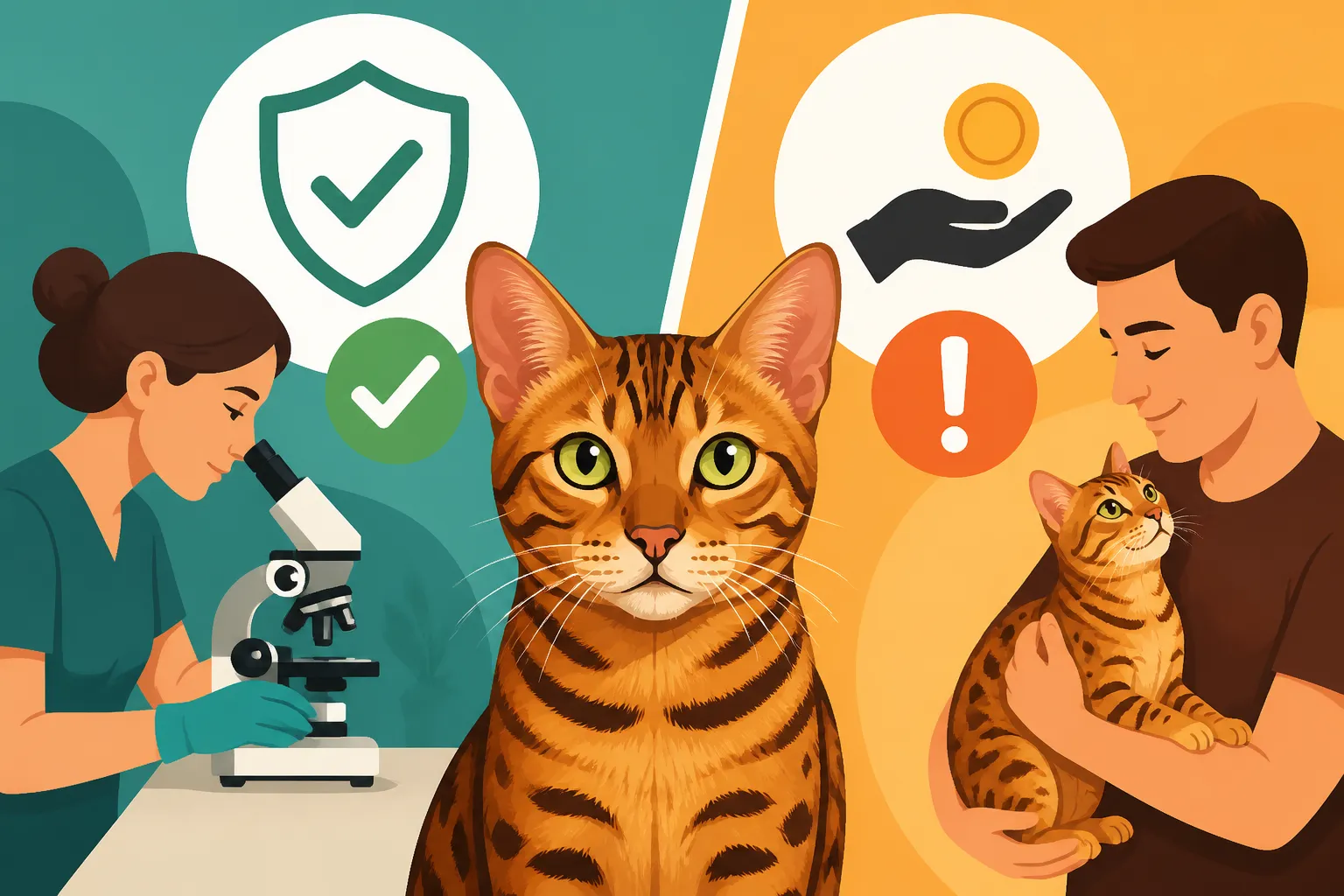
When you're embarking on the exciting journey of finding a Bengal cat to join your family, you're not just looking for a beautiful face with wild markings; you're investing in a companion, and that means looking closely at their health and the care their breeder has taken. One of the most common and completely valid questions that swirls around in prospective owners' minds is whether the cost of essential health tests for the parent cats is ultimately passed on to them in the kitten's price. It's a question rooted in wanting transparency and understanding where your money is going, and honestly, you have every right to ask it. This guide will meticulously break down how Bengal cat breeders typically handle these health testing costs, what tests are crucial, and what you should expect to see reflected in your kitten's price.
Understanding the Essential Health Tests for Bengal Cats
Before we dive into the nitty-gritty of pricing, it's absolutely vital to grasp why these tests are performed in the first place. Reputable Bengal breeders aren't just doing these tests for fun or to inflate prices; they're doing them to protect the future health of their lines and, most importantly, the health and longevity of the kittens they produce, including yours. Ignoring these tests is a huge red flag and can lead to heartbreaking and expensive problems down the road for you and your new feline friend.
Why Health Testing Matters and What it Covers
Think of health testing as the foundational quality control for your Bengal kitten. It’s the breeder's commitment to reducing the likelihood of hereditary diseases appearing in their offspring. A responsible breeder invests significant time, effort, and money into ensuring their breeding cats are as healthy as possible. This isn't just about preventing suffering; it's about giving you peace of mind that your kitten has the best possible start and isn't carrying genetic time bombs.
These tests aren't a guarantee against all future health issues – no living creature comes with a lifetime warranty, after all – but they drastically reduce the risk of specific, known hereditary conditions. When a breeder tells you their cats are health tested, they are essentially saying they've done their due diligence to ensure you're getting a kitten with a strong genetic foundation. This proactive approach saves future owners from the emotional and financial strain of managing preventable illnesses. It's a testament to ethical breeding practices.
A comprehensive health testing program covers a range of potential issues, from genetic conditions that can cause blindness or anemia, to structural heart defects that can shorten a cat's life. It's not a one-and-done deal either; some tests need to be repeated throughout a breeding cat's life. This ongoing commitment is part of what makes a breeder reputable and, consequently, why their kittens command a certain price point.
The Core Genetic Tests: PRA-b and PK Deficiency
When you're looking into Bengal cats, two genetic tests will pop up time and time again: progressive retinal atrophy (PRA-b) and pyruvate kinase deficiency (PK deficiency). These are DNA tests, meaning they identify specific genetic mutations that can cause disease. The beauty of DNA tests is their clarity: a cat is either clear, a carrier, or affected.
PRA-b is a particularly concerning condition because it leads to blindness. It's a recessive gene, meaning a kitten must inherit two copies (one from each parent) to be affected and eventually lose its sight. Cats that are "carriers" have one copy of the gene but will never go blind themselves. However, if two carriers are bred together, each kitten in the litter has a 25% chance of being affected. Knowing Which Gene Causes PRA-b in a Bengal Cat and if a parent is a carrier allows breeders to make informed decisions and prevent affected kittens. For more on this, you might want to read PRA-b Blinds a Bengal Cat by Two and There Is a DNA Test.
Similarly, PK deficiency is another recessive genetic disorder that can cause intermittent, life-threatening hemolytic anemia. Like PRA-b, a cat must inherit two copies of the mutated gene to be affected. Carriers of PK deficiency show no symptoms, but breeding two carriers together can result in affected kittens who may suffer from fatigue, weakness, and jaundice. It's a serious condition, and responsible breeders absolutely screen for it. To understand its impact, see Pyruvate Kinase Deficiency in a Bengal Cat. Both of these DNA tests are relatively straightforward and involve a buccal swab, often sent to specialized veterinary labs. The cost of these specific genetic tests, as you can imagine, is part of the breeder's operational expenses.
Cardiac Health: The Crucial HCM Screening
Beyond genetic DNA tests, one of the most important health screenings for Bengal cats is for Hypertrophic Cardiomyopathy (HCM). This is a devastating heart disease that causes the muscular walls of the heart to thicken, reducing its efficiency and often leading to heart failure, blood clots, or sudden death. Unlike PRA-b and PK deficiency, there isn't a reliable DNA test for HCM in Bengal cats, which makes regular cardiac ultrasound screenings (echocardiograms) absolutely critical. This is why HCM Is What Kills Bengal Cats Early is such an important topic for Bengal owners.
A board-certified veterinary cardiologist performs these echoes, which are specialized and require expertise. They're not cheap, and they need to be repeated regularly throughout a breeding cat's life – typically annually or every 18 months – to monitor for any changes. This ongoing cost is a significant part of a responsible breeder's budget, as they are committed to not breeding cats that show signs of HCM. The commitment to regular, expensive HCM screenings is a hallmark of a truly ethical breeder and is a non-negotiable part of their program. Understanding What a Bengal Cat's First Echo Costs will highlight the financial commitment involved.
How Breeders Factor Test Costs into Kitten Prices
It’s completely logical to wonder how these significant health testing costs ultimately translate to the price you pay for your kitten. Breeders aren't charities, and the reality is that their expenses, including health testing, facility upkeep, high-quality food, registration fees, vet visits for kittens, and more, all need to be covered.
The "All-Inclusive" Approach vs. Itemized Costs
Most reputable Bengal cat breeders adopt what you could call an "all-inclusive" approach to pricing their kittens. This means that the advertised price of a kitten already incorporates all the costs associated with responsible breeding: the stud fees, queen care, genetic and cardiac health testing for the parents, premium kitten food, initial vaccinations, deworming, microchipping, and sometimes even the spay/neuter procedure. They don't typically break down the price into individual line items like "$150 for PRA-b test" or "$300 for HCM echo" on your bill.
Instead, they calculate their overall operational costs, including the substantial investment in health testing, and then price their kittens accordingly to cover these expenses and allow them to continue their breeding program responsibly. This is why you'll often see a range when it comes to What a Bengal Cat Kitten Costs From a Breeder. The breeder expects that a buyer understands and values the comprehensive care and health assurances that come with a properly raised kitten. If a breeder gives you a price that seems significantly lower than others, it's worth asking what steps they take regarding health testing and if those costs are genuinely included or simply ignored.
Sometimes, a breeder might offer an additional charge for specific paperwork or if you're purchasing a "breeder quality" kitten with breeding rights, but for a pet-only kitten, the health testing for the parents is almost universally baked into the initial price. This transparency, even if not itemized, is part of the trust you build with a breeder.
Regional Differences and Breeder Reputation
The cost of health testing, and subsequently, kitten prices, can vary quite a bit depending on where you are located. Veterinary costs, including specialist cardiology echoes, differ from state to state and even within different cities. A breeder in a high-cost-of-living area with access to top-tier veterinary specialists might have higher testing expenses than one in a more rural area. These regional variations naturally get factored into the kitten's price.
Moreover, a breeder's reputation plays a huge role. Breeders who have consistently produced healthy, well-socialized kittens with excellent temperaments, and who are known for their rigorous health testing protocols, will often command higher prices. This isn't just about paying for the cat; it's about paying for the assurance, the pedigree, and the ethical practices behind that cat. New breeders might start with slightly lower prices as they establish their reputation, but they should still adhere to the same high standards of health testing.
You're not just buying a kitten from them; you're buying into their ongoing commitment to the breed's health and development. This is also where things like pet insurance from companies like Healthy Paws come into play. While a healthy, well-bred kitten minimizes risks, knowing you have coverage for unforeseen issues provides an extra layer of security. This reputation for quality and care is something a buyer implicitly pays for.
The Impact of Show Quality vs. Pet Quality
It's common for breeders to price kittens differently based on whether they are considered "pet quality" or "show/breeder quality." This distinction is almost entirely based on how closely a kitten conforms to the breed standard in terms of physical appearance, pattern, and conformation, not on their health testing status. Every kitten, regardless of whether it's destined for the show ring or a comfy couch, should come from health-tested parents.
A kitten that is designated "show quality" will have exceptional markings, structure, and temperament that make it a good candidate for competitive showing or a future breeding program. These kittens typically have higher price tags because they embody the breeder's success in producing ideal examples of the breed. However, this higher price doesn't mean their parents received more health tests; it simply means their physical attributes are more desirable according to breed standards.
Conversely, a "pet quality" kitten might have a small flaw in its markings, a slightly less ideal ear set, or a less dramatic pattern, making it unsuitable for show or breeding, but otherwise perfectly healthy and wonderful in every way. Its price will be lower, but the foundational health testing for its parents remains the same and is still included. A responsible breeder would never compromise on health testing for any of their kittens, regardless of their "quality" designation. The health and well-being of all kittens are paramount.
What to Look For and Ask a Bengal Cat Breeder
When you're communicating with a potential breeder, it's not just about falling in love with pictures of cute kittens. It's about being an informed and proactive buyer. Asking the right questions and knowing what documentation to expect can save you a lot of heartache and expense later on. This is where you become an advocate for your future pet.
Demanding Proof: Certificates and Documentation
A responsible breeder won't just tell you their cats are health tested; they'll be eager to show you the proof. You should absolutely ask to see the health certificates for both parent cats. For DNA tests like PRA-b and PK deficiency, this means official lab reports clearly stating the genetic status (clear, carrier, or affected) for each parent. These reports should have the registered names of the breeding cats on them, matching their pedigrees.
For HCM, you should ask to see the echocardiogram reports from a board-certified veterinary cardiologist. These reports will state whether the cat's heart structure is normal or shows any signs of HCM. Crucially, check the dates on these reports to ensure the screenings are current and have been performed recently (within the last 12-18 months, ideally, depending on the cat's age and history). If a breeder claims their cats are tested but balks at providing documentation, consider that a major red flag. They should have these records readily available, whether physical copies or digital files. This documentation is your assurance that the breeder is truly investing in the health of their lines. You can learn more about what to ask by reading Which Questions to Ask a Bengal Cat Breeder.
Red Flags: Breeders Who Skimp on Testing
Unfortunately, not all breeders operate with the same high ethical standards. If a breeder is evasive about health testing, claims it's "not necessary," or states that their lines "don't have those problems," proceed with extreme caution. These are huge red flags. Hereditary diseases don't magically skip certain lines; they are present in the general cat population and in purebreds. A breeder who doesn't test is either ignorant of the risks or, worse, intentionally cutting corners to save money.
Another warning sign is a price that seems too good to be true. If a Bengal kitten is significantly cheaper than the average market rate for responsibly bred Bengals, it's highly probable that corners have been cut somewhere. Often, health testing is the first thing to go because it's expensive and, to an uninformed buyer, invisible. Remember that the initial savings on a cheap kitten can quickly be eclipsed by veterinary bills for genetic conditions that could have been screened for. Always prioritize health and ethical breeding over a lower price tag. Your pet's well-being is worth the investment up front.
Long-Term Value: Investing in a Healthy Kitten
When you pay a higher price for a kitten from a reputable breeder who conducts thorough health testing, you're not just paying for the kitten; you're paying for an investment in its long-term health and your peace of mind. A healthy kitten from health-tested parents has a much higher probability of living a full, happy life without the burden of debilitating genetic illnesses. This reduces the likelihood of costly veterinary treatments, emergency visits, and the emotional toll of dealing with a chronically ill pet.
Consider the potential costs of managing a severe genetic condition like HCM or PK deficiency throughout a cat's life. These can easily run into thousands of dollars over the years, far exceeding any initial savings you might have made on a cheaper, un-tested kitten. The financial and emotional stress of these situations is immense. By choosing a breeder who transparently passes on the cost of testing in their kitten prices, you are essentially pre-paying for a lower risk profile for your new family member. It’s about recognizing that the "test cost" isn't an added fee, but a core component of a healthy, happy future for your Bengal cat. Ultimately, it contributes to What a Bengal Cat Costs Over Its Lifetime.
Here's a quick comparison of what you might expect regarding health testing transparency:
| Breeder Type | Health Testing Status | Transparency on Costs | Typical Kitten Price Range | What to Expect |
|---|---|---|---|---|
| Reputable Breeder | Comprehensive (PRA-b, PK, HCM) | Included in kitten price | Higher | Documentation provided; open discussion of health. |
| Ethical Small Scale | Adequate (PRA-b, PK, HCM) | Included in kitten price | Moderate to Higher | May need to ask for documentation; generally transparent. |
| Backyard Breeder | Minimal to None | Not disclosed / Ignored | Lower | Vague answers; no documentation; potential health risks. |
| "Bargain" Breeder | Likely none | Not discussed | Very Low | Avoid – high risk of inherited diseases and poor care. |
The decision of whether to invest in a kitten from a thoroughly health-tested lineage is significant. While it means a higher upfront cost, it's an investment that often pays dividends in joy, companionship, and a significantly reduced chance of future heartbreak and expense. A transparent and responsible breeder understands this and sees health testing not as an optional add-on, but as an indispensable part of their commitment to the Bengal breed.
Disclaimer
This article is for general informational purposes only and does not constitute professional advice. Laws, prices and regulations vary by location and change over time. Consult a qualified professional for guidance on your specific situation.