Whether a Raw Diet Costs More for a Bengal Cat
One of the biggest questions that often crops up when new Bengal cat parents start looking into their feline's diet, especially for such an active and robust breed, is whether a raw diet is actually going to break the bank. It's a valid concern! You're likely trying to provide the best possible nutrition for your spotted companion, but you're also juggling a budget, and the whispers about raw feeding being astronomically expensive can be really daunting. This guide is here to unravel the financial realities of feeding your Bengal cat a raw diet, separating fact from fear and helping you understand where the costs truly lie and how you might manage them.
Understanding the Components of a Raw Diet and Their Cost Drivers
When we talk about a raw diet for a Bengal cat, we're not just tossing them a steak every night. A properly formulated raw diet, often called BARF (Biologically Appropriate Raw Food) or prey model, is a delicate balance of muscle meat, organs, and bone, mimicking what a wild feline would naturally consume. This isn't just about protein; it's about getting all the essential vitamins, minerals, and amino acids in their most bioavailable form. And, as you might guess, sourcing these specific components can have a varied impact on your wallet.
Muscle Meat: The Core of the Diet
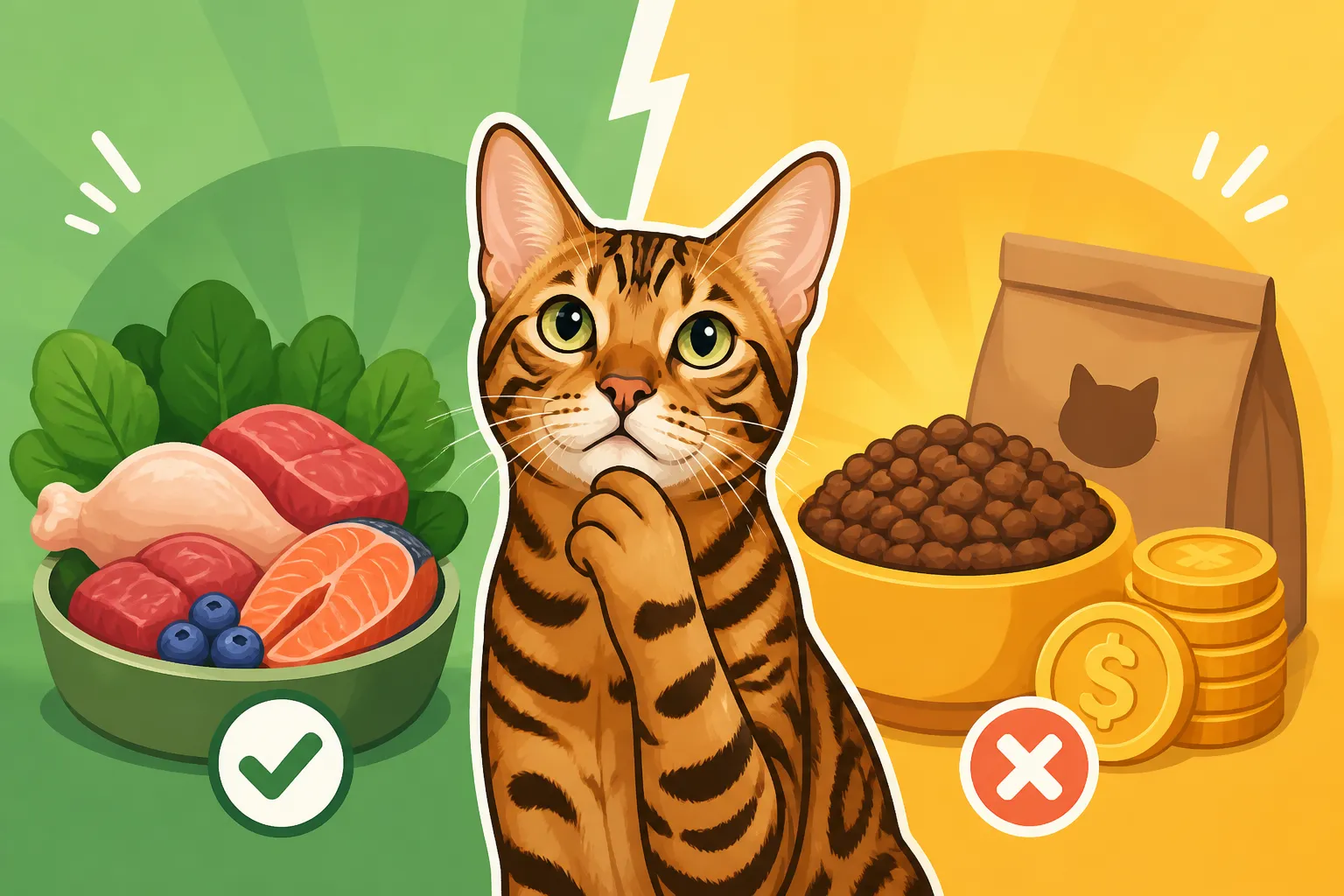
The bulk of any raw diet for a Bengal cat will be muscle meat. This can include anything from chicken thighs and beef chuck to turkey, rabbit, or even more exotic options if you're feeling adventurous (and your budget allows). The cost here is directly tied to the type of meat you choose, whether it's organic, free-range, or conventionally farmed, and where you purchase it. Chicken, for instance, is often the most budget-friendly option, especially if you can buy it in bulk from local butchers or find sales at your grocery store. Beef and lamb tend to be pricier, and specialty meats like rabbit or venison can really add up, often reserved for cats with specific allergies or for variety if the finances allow. Think about how much your Bengal cat eats a month; the sheer volume can quickly escalate costs if you're opting for prime cuts.
Organs and Bones: Essential but Tricky to Source
Organs, like liver, heart, and kidney, are crucial for providing a concentrated source of vitamins and minerals that muscle meat alone can't offer. Raw edible bone, typically found in chicken wings, necks, or even whole carcasses of smaller animals like quail, provides essential calcium and phosphorus in a natural, digestible form. This is where things can get a bit more complex, both in terms of sourcing and cost. Organ meats are often cheaper than muscle meat per pound, but you need them in smaller, precise quantities to maintain balance. Bones, on the other hand, can be bought attached to muscle meat (like chicken legs) or separately. Trying to find sources for these can sometimes mean going beyond your typical supermarket. Local farms, specialty pet food stores, or even online raw food co-ops can be excellent resources, but their pricing structures vary wildly. You'll need to research which lab runs the Bengal cat PRA-b test, for instance, but also where to find affordable, quality organ meat for their dinner!
Supplements: The "Completeness" Factor
While a truly balanced raw diet aims to get all nutrients from whole food sources, some raw feeders, particularly those just starting out or preparing DIY meals, might opt for supplements to ensure nutritional completeness. This could be a taurine supplement (essential for feline heart health), a fish oil for Omega-3s, or a general vitamin/mineral blend. The cost of these supplements can range from a few dollars a month to significantly more, depending on the brand and specific needs of your cat. If you're buying commercially prepared raw food, these supplements are usually already incorporated into the formula, but you'll pay a premium for the convenience and expert formulation.
Comparing Raw Diet Costs to Commercial Diets
It's easy to assume that any homemade diet, especially one involving fresh meat, will be more expensive than simply scooping kibble into a bowl. And, in many cases, that assumption holds true. However, the landscape of commercial pet food is vast, and there are many factors at play beyond the sticker price on the bag.
Premium Kibble vs. Raw: A Closer Look
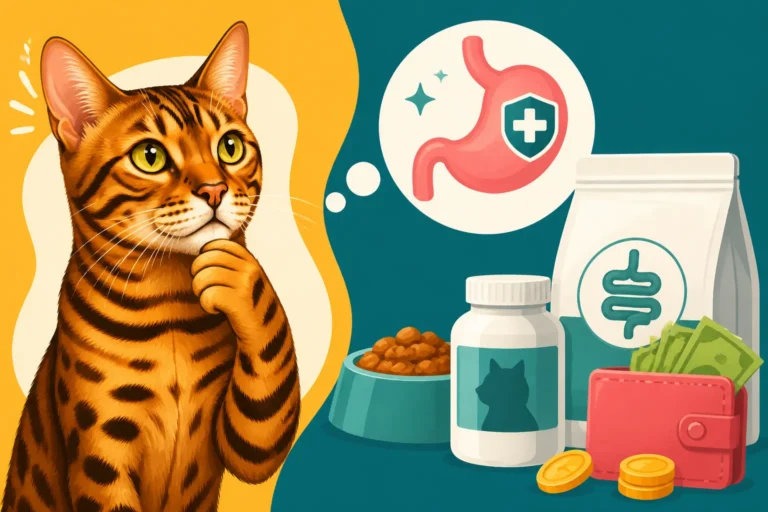
When you're comparing a raw diet to premium kibble, the financial gap might not be as wide as you'd think. High-quality kibbles, especially those boasting human-grade ingredients, single-source proteins, or grain-free formulations, can be quite expensive. Many of these brands market themselves on providing superior nutrition, often with a price tag to match. If your Bengal cat needs a special diet for its gut, you might already be looking at pricier commercial options.
For instance, a bag of top-tier, species-appropriate kibble could cost you a decent amount each month, especially for a ravenously active Bengal. When you factor in the cost of bulk chicken, some organs, and perhaps a small supplement, a DIY raw diet can sometimes be comparable, if not slightly cheaper, than the very best dry foods. The key here is "DIY" – if you're processing the food yourself, you're saving on labor and marketing costs that are baked into commercial products. However, the time investment for DIY raw can be considerable, which is a different kind of cost.
Wet Food vs. Raw: The Moisture Advantage
Most veterinarians and nutritionists agree that wet food is generally superior to dry kibble due to its higher moisture content, which is crucial for feline urinary health. If you're currently feeding your Bengal a high-quality canned food diet, you're likely already familiar with a higher monthly food bill. A raw diet, by its very nature, is high in moisture, directly addressing this need.
Comparing a raw diet to a purely wet food diet often reveals that raw can be more expensive, especially if you're opting for commercially prepared raw meals. These convenient options, often delivered frozen, cut, and portioned, come with a premium for their ease of use and guaranteed nutritional balance. While fantastic for busy pet parents, this convenience definitely adds to the price. If you’re considering a raw diet because your Bengal cat's gut is so sensitive and needs a specific type of protein, these pre-made options can be a godsend, but be prepared for the cost.
| Diet Type | Pros | Cons | Typical Cost Impact (Compared to Basic Kibble) |
|---|---|---|---|
| Basic Kibble | Convenient, widely available | Low moisture, often high in carbs, questionable ingredient quality | Low |
| Premium Kibble | Better ingredients, still convenient | Still low moisture, can be pricey | Moderate to High |
| Canned Wet Food | High moisture, palatable | Can be expensive, packaging waste | Moderate to High |
| DIY Raw Diet | Biologically appropriate, fresh, no fillers | Time-consuming, requires research, risk of imbalance if not done right | Moderate to High (can vary widely) |
| Commercial Raw Diet | Convenient, balanced, high moisture | Most expensive option, storage needs (freezer space) | High to Very High |
Hidden Costs and Potential Savings of a Raw Diet for Bengal Cats
The initial price tag of raw meat isn't the whole story. There are other financial considerations, both obvious and less so, that come with adopting a raw feeding regimen for your Bengal.
Equipment and Storage: The Upfront Investment
Going raw often means investing in some new kitchen equipment. You might need a dedicated meat grinder if you plan on preparing whole prey or large cuts of bone-in meat. A heavy-duty meat cleaver or a good pair of poultry shears can also be invaluable for portioning. Then there's storage: raw meat takes up a lot of freezer space. If you're buying in bulk to save money, you might find yourself needing a chest freezer, which is an upfront cost that many people don't factor in. These aren't negligible expenses, especially if you're setting up for the first time.
Veterinary Bills: The Long-Term Equation
This is where the potential for savings comes in, though it's never a guaranteed outcome. Proponents of raw feeding often argue that a species-appropriate diet leads to a healthier cat, which can translate to fewer vet visits for chronic issues. While specific claims should always be discussed with your vet, anecdotal evidence from many Bengal owners suggests improvements in coat quality, energy levels, dental health, and a reduction in issues like Chronic Diarrhea Is the Bengal Cat Complaint Nobody Warns About or allergies. If your cat develops fewer health problems over its lifetime, the money saved on medication, special treatments, or emergency visits could potentially offset the higher food costs. For example, a Bengal cat with a sensitive stomach might require expensive prescription diets or ongoing treatments for inflammatory bowel disease if fed a diet that doesn't agree with them. If a raw diet helps mitigate these issues, it could be a significant long-term saving. This is where having something like Healthy Paws pet insurance might be a good idea regardless of diet, as it offers a safety net for unexpected health issues.
Time: A Hidden Cost
Preparing a raw diet, especially if you're doing it yourself from scratch, is a time commitment. There's the time spent researching recipes, sourcing ingredients, grinding or chopping meat, portioning, and cleaning up. While some find this process rewarding, others find it cumbersome. Time is money, as they say, and for busy individuals, the convenience of commercial kibble or pre-made raw meals might be worth the higher financial cost. If you're a parent trying to manage the chaos of family life, an extra hour a week preparing cat food might feel like an impossible ask. However, for those with more flexible schedules, or who simply enjoy the process, this "cost" can feel negligible.
Making Raw Feeding More Affordable for Your Bengal Cat
Okay, so a raw diet for your Bengal cat can be more expensive, but it doesn't always have to be prohibitive. There are definitely strategies you can employ to make it more budget-friendly.
Buying in Bulk and Sourcing Smart
This is arguably the biggest money-saver. Instead of buying small packs of meat from the grocery store, look for opportunities to purchase larger quantities. Local butchers might offer better prices on bulk orders or cuts that aren't popular with human consumers but are perfectly fine for your cat (think organ meats, necks, backs). Farmers' markets can also be a good source for fresh, often less expensive, meat. Online co-ops dedicated to raw pet food are another fantastic resource, where members pool orders to get wholesale pricing. Remember, buying a whole chicken can often be much cheaper per pound than buying individual breasts or thighs. This is especially useful for a breed that needs The High Protein Argument for a Bengal Cat addressed in their diet.
DIY Preparation vs. Commercial Convenience
The more hands-on you are, the more you're likely to save. Commercially prepared raw foods are fantastic for convenience and ensuring a balanced diet without the guesswork, but that convenience comes at a price. If you have the time and are willing to learn, preparing your Bengal's raw meals yourself can significantly cut down costs. This involves understanding the correct ratios of muscle meat, bone, and organs, and possibly adding supplements. There are many online resources and communities dedicated to guiding DIY raw feeders, but always ensure you're getting advice from reputable sources to avoid nutritional deficiencies. This takes more effort than just pouring food from a bag from Chewy, but it also gives you complete control over the ingredients.
Incorporating Cheaper Protein Sources
While variety is good, sticking to more affordable protein sources for the majority of your Bengal's diet can help manage costs. Chicken and turkey are typically the most budget-friendly options. If your Bengal tolerates it well, these can form the foundation of their raw meals. You can then introduce pricier meats like beef or rabbit as occasional treats or for rotational variety, rather than as daily staples. What a Raw Diet Involves for a Bengal Cat often includes this kind of practical budgeting.
Minimizing Waste and Smart Storage
Meal prepping for your Bengal once or twice a month, portioning out meals into individual bags or containers, and freezing them can prevent spoilage and ensure you're only thawing what you need. This also makes daily feeding a breeze. Labeling everything with dates is crucial. An organized freezer helps you keep track of inventory and use ingredients before they pass their prime, preventing food waste which is, essentially, wasted money.
Considering "Whole Prey" Options (with caution)
For some raw feeders, particularly those with a strong stomach and a commitment to authenticity, sourcing whole or partial prey animals (like frozen chicks, quail, or mice) can be an option. These can sometimes be more cost-effective than buying individual cuts of meat, as they provide a complete, balanced meal without additional processing. However, this isn't for everyone and requires careful sourcing to ensure the animals are raised without hormones or antibiotics and are safe for pet consumption. It's a niche approach, but worth mentioning for its potential cost efficiency and alignment with Whether a Raw Diet Suits a Bengal Cat's Gut.
Ultimately, feeding a raw diet to your Bengal cat doesn't have to bankrupt you, but it does require conscious effort and smart planning. It's a commitment that goes beyond just the financial aspect, delving into research, preparation, and understanding your cat's unique needs. But for many Bengal owners, the perceived health benefits make the investment, both in time and money, well worth it.
Disclaimer
This article is for general informational purposes only and does not constitute professional advice. Laws, prices and regulations vary by location and change over time. Consult a qualified professional for guidance on your specific situation.